In a world increasingly aware of plastic pollution and environmental impact, zero waste deodorants have surged in popularity. Marketed as eco-friendly, natural, and sustainable, these stick-free or compostable-packaged alternatives promise to keep you fresh without leaving a footprint. But behind the green branding lies a common complaint: stickiness, inefficacy, and frustrating transitions. Are zero waste deodorants truly effective, or are they just well-intentioned but impractical products that leave users disappointed?
The truth is more nuanced than a simple yes or no. Effectiveness depends on formulation, body chemistry, lifestyle, and expectations. While some users swear by their zero waste deodorant, others struggle with odor control, residue, or irritation. This article dives deep into real-world performance, ingredients, transition tips, and what to expect when making the switch—so you can make an informed decision without falling for marketing hype.
How Zero Waste Deodorants Work (and Why They’re Different)
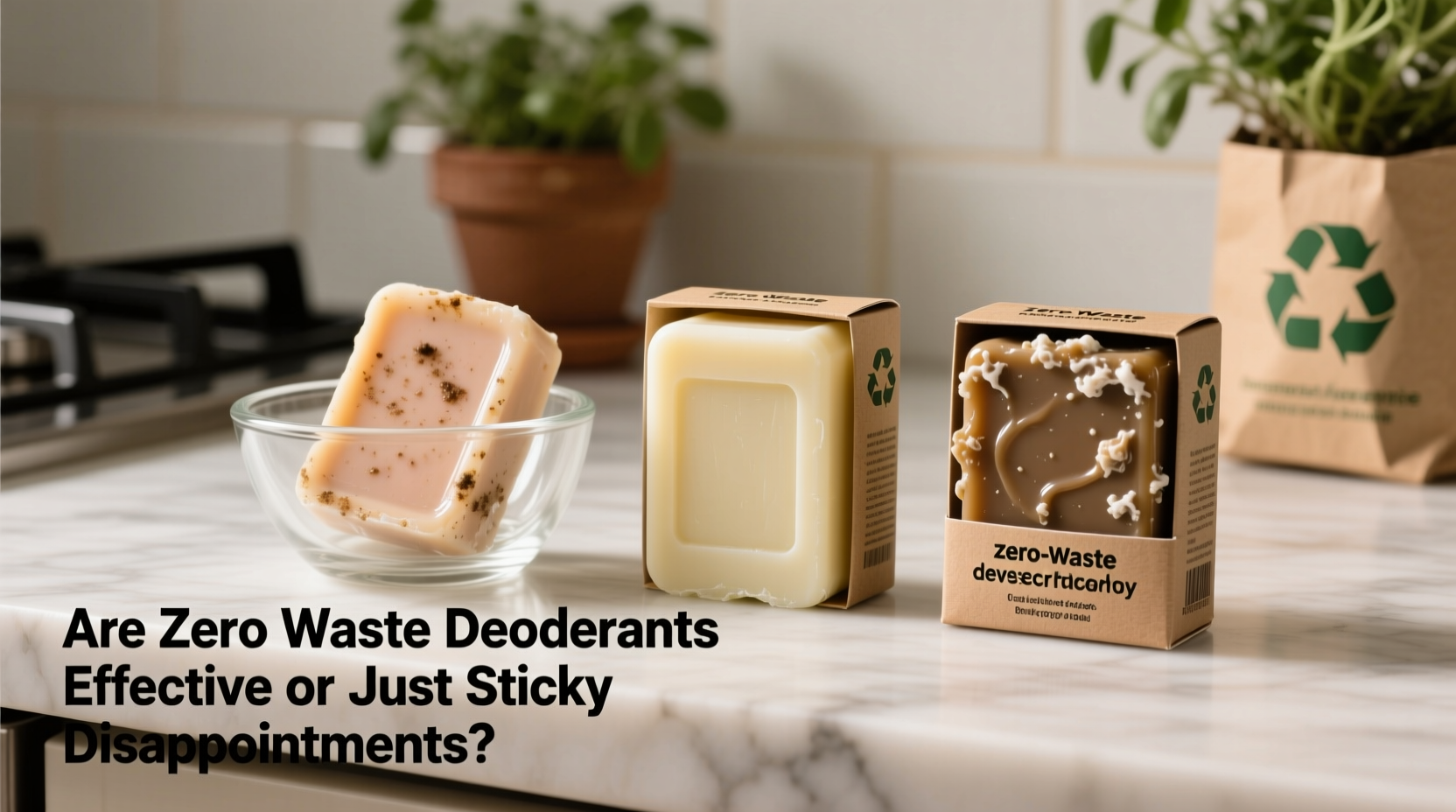
Unlike conventional antiperspirants, which block sweat using aluminum compounds, most zero waste deodorants are designed to neutralize odor without stopping perspiration. They typically come in cardboard tubes, metal tins, or compostable paper wraps and use plant-based ingredients like baking soda, magnesium, arrowroot powder, coconut oil, and essential oils.
The core philosophy aligns with sustainability: minimal packaging, non-toxic formulas, and biodegradable components. However, this shift from synthetic to natural chemistry changes how the product interacts with your skin and sweat.
Traditional antiperspirants target wetness. Zero waste deodorants focus on bacteria—the real cause of body odor. When sweat mixes with skin bacteria, it produces smell. Natural deodorants inhibit bacterial growth through pH alteration (e.g., baking soda) or antimicrobial properties (e.g., tea tree oil).
Tip: If you're switching from antiperspirant, expect a detox period. Your body may need 7–14 days to adjust as it releases built-up toxins and reactivates natural sweating.Common Ingredients: What Works and What Doesn’t
Not all natural deodorants are created equal. The effectiveness of a zero waste formula hinges on its ingredient profile. Here’s a breakdown of key components and their real-world performance:
- Baking Soda (Sodium Bicarbonate): A powerful odor neutralizer due to its alkaline nature. However, it can irritate sensitive skin or cause rashes in some users. Many brands now offer “baking soda-free” versions using magnesium hydroxide instead.
- Arrowroot Powder: Absorbs moisture gently and is less irritating than cornstarch, which can feed bacteria if not fully dry.
- Coconut Oil: Offers antimicrobial benefits and helps bind ingredients, but can feel greasy or melt in warm climates.
- Shea Butter or Cocoa Butter: Adds creaminess and moisturizing properties, improving glide but potentially increasing residue.
- Essential Oils (Tea Tree, Lavender, etc.): Provide scent and antibacterial action, though some people react allergically to certain oils.
“Natural deodorants aren’t one-size-fits-all. Skin pH varies greatly, so what works for one person might fail another.” — Dr. Lena Torres, Dermatologist & Cosmetic Chemist
The Sticky Truth: Why Some Zero Waste Deodorants Feel Gummy
The “sticky disappointment” label often comes from texture issues. Many users report a waxy, tacky film under their arms after application. This isn't always a flaw—it's often a trade-off for avoiding synthetic binders and propellants.
Cause #1: Coconut oil and shea butter soften at body temperature. In warmer weather, they can melt slightly, creating a sticky sensation. Some brands counteract this with harder butters like candelilla wax or higher arrowroot content.
Cause #2: Application method matters. Applying too much, or rubbing insufficiently, leaves excess product on the skin. A pea-sized amount, thoroughly rubbed in, usually minimizes residue.
Cause #3: Transition phase confusion. After years of aluminum-based antiperspirants, your pores may be clogged. During detox, increased sweating and bacterial activity can create temporary odor and dampness, mistaken for product failure.
Real User Experiences: A Mini Case Study
Sophie, a 32-year-old graphic designer from Portland, switched to a popular zero waste deodorant brand after watching a documentary on plastic pollution. She bought a compostable cardboard tube version made with baking soda, coconut oil, and bergamot essential oil.
Week 1: Frustration. “I felt sticky all day, and by afternoon, there was a faint sour smell,” she recalls. “I almost gave up.”
Week 2: Adjustment. She reduced her application amount, applied only to dry skin, and began using a DIY armpit detox mask (bentonite clay and apple cider vinegar) twice a week. By day 10, odor decreased significantly.
Month 2: Success. “Now I don’t notice any stickiness unless it’s over 85°F. And honestly, I feel better knowing I’m not blocking my body’s natural function.”
Sophie’s experience reflects a common arc: initial skepticism, mid-transition challenges, and eventual adaptation. Her success hinged on patience and small behavioral tweaks—not just the product itself.
Do’s and Don’ts of Using Zero Waste Deodorants
| Do | Don’t |
|---|---|
| Apply to completely dry skin | Apply right after showering when skin is damp |
| Use a small amount—less is more | Slather on generously thinking more = better protection |
| Rub thoroughly until invisible | Leave a visible white or greasy layer |
| Store in a cool, dry place | Leave in a hot car or humid bathroom |
| Give it 2–3 weeks to assess true performance | Quit after 2 days because of initial odor |
Step-by-Step Guide to a Successful Transition
Moving from conventional antiperspirants to zero waste deodorants isn’t instant. Follow this timeline to increase your chances of success:
- Day 1–3: Stop using antiperspirant cold turkey. Switching gradually prolongs the adjustment. Let your body begin releasing trapped sweat and toxins.
- Day 4–7: Introduce a natural deodorant. Apply a pea-sized amount to dry skin each morning. Avoid reapplying unless necessary.
- Day 8–14: Monitor odor and residue. You may notice stronger smells or wetness. This is normal. Consider a weekly armpit detox using bentonite clay or diluted apple cider vinegar.
- Day 15+: Reassess. Most people stabilize by now. If still struggling, try a baking soda-free formula or different scent profile (some essential oils work better bacterially).
- Ongoing: Optimize habits. Wear breathable fabrics, shower daily, and exfoliate armpits weekly to prevent dead skin buildup.
Comparing Top Zero Waste Deodorant Types
Not all formats deliver the same user experience. Here’s how common types stack up:
| Type | Pros | Cons |
|---|---|---|
| Cardboard Tube Sticks | Easy to apply, portable, fully compostable | Can crumble; pressure-sensitive; may require warming in cold weather |
| Metal Tins (Balm Style) | Precise control, durable container, easy to refill | Finger application feels unhygienic to some; risk of contamination |
| Compostable Paper Wraps | Minimalist, ultra-low waste | Hard to handle; melts easily; limited availability |
| Refillable Glass Jars | Reusable vessel, luxurious feel | Heavy, breakable, not travel-friendly |
For beginners, cardboard tubes offer the most familiar experience. For sensitive skin, metal tins allow customization of application amount and easier patch testing.
FAQ: Common Questions About Zero Waste Deodorants
Can zero waste deodorants handle heavy sweating?
They manage odor well, but won’t stop sweating. If you’re highly active or live in a hot climate, look for formulas high in moisture-absorbing powders like arrowroot or tapioca starch. Reapplication during the day may be needed, but avoid layering too much to prevent clogged pores.
Why does my zero waste deodorant irritate my skin?
Irritation is often caused by baking soda reacting with acidic sweat. Try a baking soda-free version. Also, ensure your skin is dry before application—wet skin increases sensitivity. If redness persists, discontinue use and consult a dermatologist.
Are zero waste deodorants really better for the environment?
Yes, but with caveats. Cardboard and metal packaging is far more sustainable than plastic. However, ingredient sourcing matters. Palm oil derivatives, even in small amounts, can contribute to deforestation. Look for certifications like Leaping Bunny (cruelty-free) or Rainforest Alliance to ensure ethical production.
Expert Insight: The Future of Sustainable Personal Care
The personal care industry is slowly adapting to demand for low-waste solutions. According to sustainability analyst Marcus Reed, innovation is accelerating beyond just packaging.
“We’re seeing next-gen biodegradable actives and fermentation-derived preservatives that could revolutionize natural deodorants. The goal isn’t just ‘less bad’—it’s regenerative design.” — Marcus Reed, Sustainable Product Innovation Consultant
Brands like Native, Ethique, and Meow Meow Tweet are investing in clinical testing and microbiome research to improve efficacy without compromising ethics. Still, consumer education remains critical. As Reed notes, “People expect natural products to perform exactly like synthetics. That mindset needs to evolve alongside the technology.”
Checklist: Is a Zero Waste Deodorant Right for You?
- ✅ You prioritize sustainability and want to reduce plastic waste
- ✅ You’re willing to go through a 2–3 week transition period
- ✅ You don’t expect it to stop sweating entirely
- ✅ You have time to experiment with different formulas
- ✅ You wear breathable clothing and maintain good hygiene
- ✅ You’re open to adjusting your routine (e.g., reapplying, storing properly)
If most of these apply, a zero waste deodorant is worth trying. If you need absolute sweat-blocking power for intense workouts or medical reasons (like hyperhidrosis), traditional antiperspirants—or prescription options—may still be necessary.
Conclusion: Beyond the Hype, Finding What Works
Zero waste deodorants aren’t universally effective, nor are they inherently disappointing. Their success depends on realistic expectations, proper usage, and individual compatibility. For many, they offer a viable, eco-conscious alternative to plastic-laden antiperspirants—once the learning curve is navigated.
The stickiness some users report is often a solvable issue, not a fundamental flaw. With the right application technique, storage conditions, and formula selection, natural deodorants can provide reliable odor protection while aligning with environmental values.
💬 Have you made the switch to zero waste deodorant? Share your experience, favorite brand, or pro tip in the comments. Your insight could help someone else avoid the sticky pitfalls and find their perfect match.








