Vintage cocktail shakers—especially those from the 1920s through the 1960s—carry undeniable charm: chrome-plated Art Deco silhouettes, hammered copper Boston tins, Bakelite handles with patina, and enamel-coated French presses that whisper Prohibition-era glamour. But behind that aesthetic allure lies a practical question many home mixologists hesitate to ask: Are they actually safe to use? Unlike modern barware designed to FDA-compliant food-grade standards, vintage shakers were made for different eras, regulations, and priorities—none of which included rigorous leaching tests or long-term corrosion analysis. This isn’t about nostalgia versus convenience. It’s about chemistry, metallurgy, and real-world risk assessment.
What Makes a Vintage Shaker Risky? The Core Safety Concerns
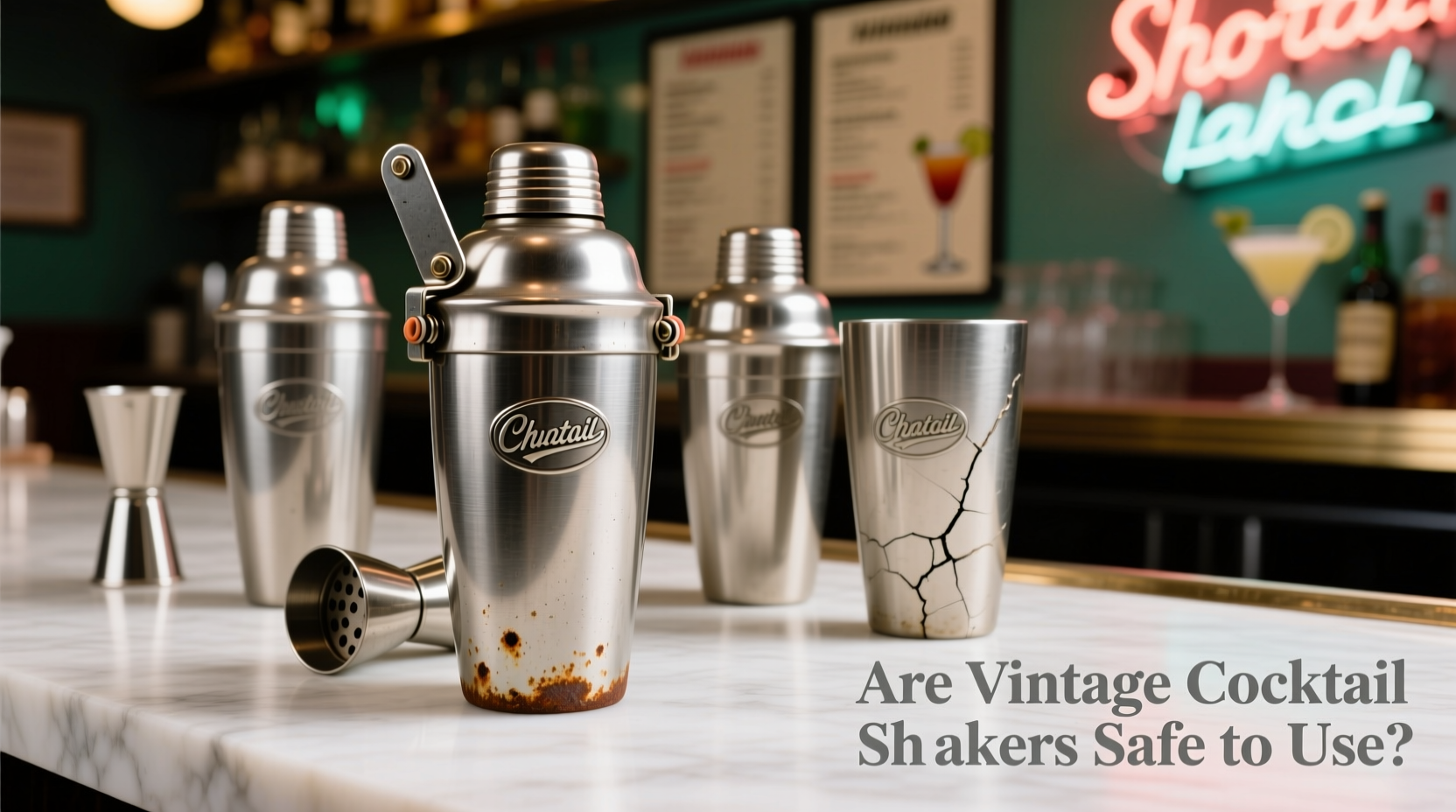
Safety hinges on three interlocking factors: material composition, physical condition, and usage history. A shaker may look pristine but harbor hidden hazards. Let’s break them down.
Lead and cadmium in plating and solder: Pre-1970s chrome-plated shakers often used lead-based solder at seams (especially where the lid meets the body or where strainer plates attach). Lead can leach into acidic cocktails—think margaritas, daiquiris, or any drink with citrus juice—particularly when shaken vigorously over time. Cadmium was also commonly used in yellow-orange enamel coatings and some decorative plating; it’s a known carcinogen and accumulates in soft tissues.
Corrosion and metal fatigue: Stainless steel wasn’t widely used in consumer barware until the 1950s—and even then, early grades were inconsistent. Many vintage tins are made from low-grade nickel-plated brass or copper alloys. When the plating wears thin (often visible as pinkish patches or dark tarnish), the underlying metal is exposed. Acidic liquids accelerate oxidation, releasing copper or nickel ions. While small amounts of copper are essential nutrients, chronic ingestion above 10 mg/day can cause nausea, liver strain, and hemolytic anemia.
Cracked seals and degraded gaskets: Early Boston shakers relied on rubber or cork gaskets to create a tight seal between tin and glass. These degrade over decades—even in storage—becoming brittle, porous, or mold-prone. A compromised seal doesn’t just leak; it allows liquid to seep into crevices where bacteria thrive, especially if residual sugar or fruit pulp remains trapped.
Tip: Never use a vintage shaker with visible pitting, flaking plating, greenish corrosion (verdigris), or a cracked or missing gasket—even for dry shaking (no ice). Acidic contact happens during pouring, rinsing, and residual moisture.How to Assess Your Vintage Shaker: A Step-by-Step Safety Audit
Before filling it with your favorite Old Fashioned, conduct this five-step inspection. It takes under five minutes—and could prevent long-term health exposure.
- Examine the exterior and interior surfaces closely under bright light. Look for micro-pits, white powdery residue (indicative of zinc corrosion in brass), or green-blue crust (copper carbonate—verdigris). Avoid anything showing these signs.
- Check all seams and joints. Run a fingernail gently along solder lines—especially where the lid attaches or where the strainer plate is riveted. If you feel ridges, cracks, or crumbling material, the solder may be degraded and leaching-prone.
- Inspect the gasket or sealing surface. For Boston shakers: Is the rubber ring intact, flexible, and free of mold spots or sticky residue? For Cobbler shakers: Does the cap twist smoothly and lock without wobble? Does the built-in strainer sit flush—or does liquid pool around its edges?
- Smell and rinse test. Rinse thoroughly with warm water and mild dish soap. Then fill halfway with distilled water and let sit for 30 minutes. Smell the water afterward. A metallic, sour, or musty odor indicates active leaching or microbial growth.
- Consult manufacturing clues. Shakers marked “18/8 stainless,” “304 stainless,” or bearing a manufacturer’s logo like “Krone” (post-1955) or “Oster” (1960s onward) are more likely to meet modern food-safety thresholds. Unmarked pieces—especially those with heavy enamel, painted details, or Bakelite components—warrant extra caution.
Material-by-Material Safety Breakdown
Not all vintage shakers carry equal risk. Their construction tells the story of their safety profile. Below is a comparative summary of common materials found in pre-1970 shakers:
| Material Type | Safety Risk Level | Key Red Flags | Safe Use Conditions (If Any) |
|---|---|---|---|
| Copper Boston Tin (unplated) | High | Green patina, deep scratches, acidic drink use | Only for dry shaking (no citrus); rinse immediately after use; never store liquid inside |
| Nickel-Plated Brass | Moderate–High | Flaking nickel layer, pinkish base metal showing, pitted seams | Low-risk only if plating is fully intact and used exclusively for non-acidic drinks (e.g., stirred whiskey sours without citrus) |
| Chrome-Plated Steel (pre-1960) | Moderate | Micro-cracks in chrome, rust spots beneath plating, solder seams near mouth | Acceptable for occasional use if no corrosion is present; avoid prolonged contact with citrus or vinegar-based shrubs |
| Stainless Steel (18/8 or 304 grade, post-1955) | Low | Rare—look for stamped grade markings; otherwise assume unknown alloy | Safe for all standard cocktail preparation if verified grade or confirmed by reputable collector source |
| Bakelite or Catalin Handles (on Cobbler shakers) | Low–Moderate | Cracking, chalky surface, strong phenolic odor when warm | Safe unless damaged—Bakelite itself doesn’t leach, but cracks trap bacteria and degrade with repeated thermal cycling |
According to Dr. Lena Torres, a toxicologist specializing in food-contact materials at the University of California, Berkeley:
“The biggest misconception is that ‘metal = inert.’ In reality, every alloy behaves differently under pH stress. Citrus juice has a pH of 2–3—similar to vinegar���and can corrode metals that remain stable in neutral water. Vintage plating wasn’t engineered for repeated exposure to such acidity.”
A Real-World Example: The Case of the 1938 “Silverette” Cobbler
In 2022, a Portland-based bartender acquired a beautifully preserved 1938 “Silverette” Cobbler shaker at a vintage kitchenware auction. Its chrome finish gleamed, the Bakelite handle was crack-free, and the spring-loaded strainer clicked crisply. She used it weekly for her signature grapefruit-ginger fizz—a highly acidic drink. After three months, she developed persistent metallic-tasting reflux and unexplained fatigue. A blood test revealed elevated serum copper levels (148 µg/dL; normal range: 70–140). An XRF (X-ray fluorescence) analysis of the shaker—conducted at a local conservation lab—confirmed severe nickel-plating degradation and exposed copper alloy beneath. The acid had etched microscopic channels into the metal over repeated uses, accelerating ion release far beyond safe thresholds.
The shaker wasn’t “broken”—it looked perfect. But its functional safety had silently expired. She replaced it with a certified 304 stainless steel Boston set—and her symptoms resolved within six weeks. This case underscores a critical truth: visual appeal is not a proxy for food safety.
When to Keep, When to Preserve, When to Replace: A Practical Decision Framework
Not every vintage shaker needs retirement—but not every one deserves active duty either. Use this checklist before deciding its role in your bar:
- ✅ Keep & Display Only: Unmarked copper or brass shakers; pieces with flaking enamel or painted details; any shaker with visible verdigris, solder cracks, or brittle gaskets.
- ✅ Use With Strict Limits: Intact chrome-plated shakers with no corrosion—used only for stirred, non-acidic drinks (e.g., Manhattan, Negroni) and rinsed immediately after each use.
- ✅ Replace Immediately: Any shaker that smells metallic when wet; shows discoloration after contact with lemon juice; or has been stored damp or in humid conditions for years.
- ✅ Upgrade Strategically: Invest in modern dual-walled stainless steel Boston sets (e.g., Japanese-made 304/316 blends) or FDA-certified silicone-sealed Cobbler shakers—they offer superior thermal stability, zero leaching risk, and precise fit.
Frequently Asked Questions
Can I test my vintage shaker for lead at home?
Consumer-grade lead swab tests (like those for paint) are unreliable on intact plating—they detect surface contamination, not solder leaching potential. They also produce false negatives if lead is sealed beneath chrome. For definitive results, use an accredited lab offering XRF testing (cost: $75–$120). Note: XRF cannot detect cadmium in enamel without surface abrasion, so visual inspection remains essential.
Is hand-washing enough to make a vintage shaker safe?
No. Hand-washing removes residue but does nothing to halt ongoing corrosion or neutralize leached metals already embedded in porous surfaces. In fact, aggressive scrubbing can accelerate plating loss. If a shaker fails the audit steps above, cleaning won’t restore its safety—it only masks deterioration.
Are there any vintage shakers universally considered safe?
Yes—but they’re rare. Mid-century German-made Krone shakers (1955–1968) used high-nickel stainless alloys and ceramic-coated interiors, verified in archival factory specs. Similarly, certain 1960s Oster “Bar-Master” models carried FDA-compliance stamps. However, unless you have documentation or lab verification, assume uncertainty—and prioritize modern alternatives for daily use.
Conclusion: Respect History, Prioritize Health
Vintage cocktail shakers are cultural artifacts—not just tools. They reflect design ingenuity, social ritual, and craftsmanship worth preserving. But preservation and use are distinct responsibilities. Displaying a 1930s chrome shaker on your bar cart honors its legacy. Using it nightly for citrus-forward cocktails risks your well-being—and undermines the very joy of craft mixing. Modern stainless steel shakers don’t lack soul; they offer precision, consistency, and peace of mind. They let you focus on technique, balance, and hospitality—not chemical exposure charts.
You don’t need to discard your collection. You need to curate it with intention: keep the beautiful as art, verify the viable with science, and choose the reliable for practice. That balance—between reverence and responsibility—is where true cocktail culture lives.
💬 Have you tested a vintage shaker—or discovered hidden corrosion? Share your experience in the comments. Your insight could help another enthusiast make a safer, smarter choice.








