The beauty industry is no stranger to evolution, but few shifts have been as swift or as visible as the rise of tinted lip oils. Once considered a niche hybrid product, tinted lip oils are now dominating shelves, social media feeds, and makeup routines. As we move through 2025, a pressing question emerges: Are tinted lip oils truly replacing traditional lipstick? The answer lies not in absolutes but in understanding shifting consumer values, technological advancements in formulation, and the broader cultural movement toward effortless, skin-first beauty.
While classic lipsticks—especially matte formulas and long-wear bullets—are far from obsolete, their dominance is being challenged by a new generation of multitasking lip products. Tinted lip oils sit at the intersection of skincare and color cosmetics, offering hydration, shine, and a wash of pigment in one step. This convenience, combined with changing lifestyle demands and aesthetic preferences, has positioned them as a leading force in modern beauty.
The Rise of Skinification in Beauty
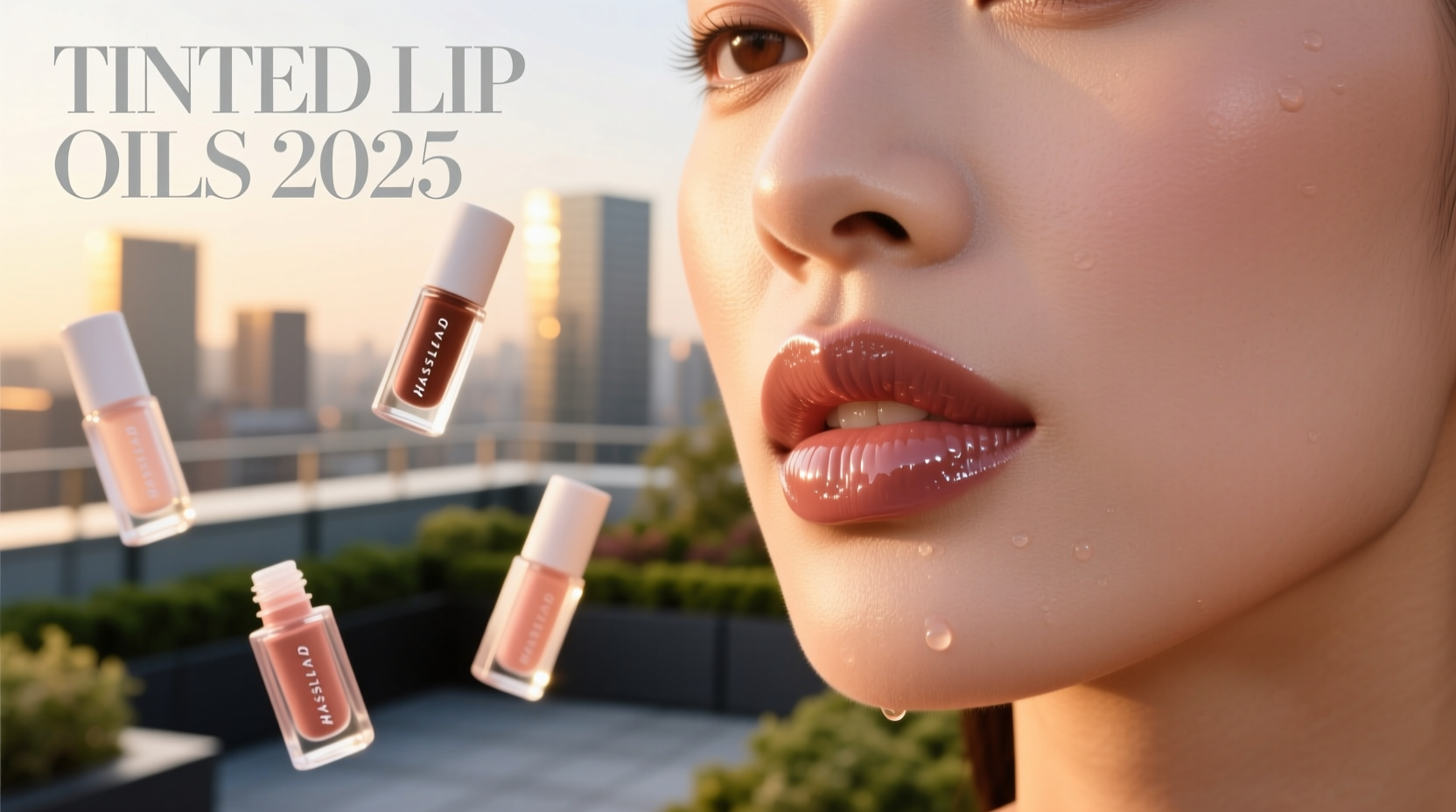
In recent years, the concept of “skinification” has reshaped cosmetic development. Consumers increasingly expect makeup to do more than just cover or enhance—it must nourish, protect, and improve the condition of the skin over time. This mindset has fueled the popularity of skincare-infused foundations, serums with SPF, and, notably, tinted lip oils.
Unlike traditional lipsticks, which often prioritize pigment intensity and longevity at the expense of comfort, tinted lip oils are formulated with emollients like jojoba oil, squalane, and shea butter. Many also include hyaluronic acid, peptides, and antioxidants to plump, hydrate, and repair lips over time. These ingredients align with the growing demand for clean, functional beauty that supports long-term skin health.
Tip: For best results, apply tinted lip oil to exfoliated, slightly damp lips to lock in moisture and enhance color payoff.Consumer Shifts Driving the Trend
A major factor behind the surge in tinted lip oil popularity is the post-pandemic reevaluation of beauty routines. With remote work normalizing low-makeup days and consumers prioritizing comfort, the appeal of heavy, drying lipsticks has diminished. Instead, people are gravitating toward products that feel lightweight, natural, and adaptable.
Market data reflects this shift. According to a 2024 report by Grand View Research, the global lip care market is projected to grow at a CAGR of 5.8% through 2030, with tinted lip oils accounting for an increasing share. Brands like Dior (Rouge Satin), Fenty Beauty (Gloss Bomb Universal), and Tower 28 (SOS Daily Rescue) have reported double-digit sales growth in their tinted oil lines year-over-year.
Moreover, Gen Z and younger Millennials—who now represent the largest segment of beauty spenders—favor multifunctional, Instagram-friendly products. Tinted lip oils deliver both aesthetic appeal (high-shine finish, blurred effect) and practical benefits (no mirror needed, easy reapplication). They fit seamlessly into the “clean girl” and “no-makeup makeup” aesthetics that dominate TikTok and Pinterest.
Comparative Analysis: Tinted Lip Oils vs. Traditional Lipstick
| Feature | Tinted Lip Oil | Traditional Lipstick |
|---|---|---|
| Texture & Feel | Lightweight, non-sticky, hydrating | Can be drying, especially matte finishes |
| Pigment Intensity | Sheer to medium coverage | Medium to full coverage |
| Longevity | 2–4 hours (requires touch-ups) | 4–8 hours (long-wear variants last longer) |
| Skincare Benefits | High (contains oils, vitamins, humectants) | Limited (some contain SPF or conditioning agents) |
| Application Ease | Easy, doe-foot applicator, no precision needed | Requires more control, may need liner |
| Versatility | Wearable day-to-night, layerable | Often occasion-specific (e.g., bold red for evening) |
This comparison reveals that while tinted lip oils don’t match traditional lipstick in terms of staying power or opacity, they excel in wearability, comfort, and skin compatibility. For everyday use, many consumers find the trade-off worthwhile.
“Tinted lip oils represent a fundamental shift in how people think about lip color. It’s no longer just about making a statement—it’s about feeling good in your skin.” — Dr. Lena Park, Cosmetic Dermatologist and Beauty Innovation Consultant
Real-World Example: The Office-to-Dinner Transition
Consider Sarah, a 29-year-old marketing professional based in Austin. Her weekday routine used to involve applying a long-wear matte lipstick in the morning, only to reapply after lunch and again before after-work drinks. She found the process tedious and her lips often felt chapped by evening.
In early 2025, she switched to a hydrating tinted lip oil with a rosewood hue. Now, she applies it once after moisturizing her lips in the morning and reapplies briefly after meals. The formula blurs imperfections, adds a healthy flush, and doesn’t feather or dry out. “I get compliments all the time,” she says. “People ask if I’ve changed my skincare routine because my lips look so much better.”
Sarah’s experience mirrors a broader pattern: consumers are choosing products that support their lifestyles rather than conforming to outdated beauty standards. Tinted lip oils offer a low-effort, high-reward solution that fits into fast-paced, mobile-centric lives.
Step-by-Step Guide to Incorporating Tinted Lip Oils Into Your Routine
Transitioning from traditional lipstick to tinted lip oils doesn’t require abandoning your existing favorites. Instead, consider integrating them strategically. Follow this timeline to make the switch effectively:
- Week 1: Experiment with Daytime Wear
Replace your daytime lipstick with a tinted lip oil. Choose a shade close to your natural lip color for a subtle enhancement. - Week 2: Layer for Depth
Try layering two coats for more pigment or pairing the oil with a matching lip liner for definition without heaviness. - Week 3: Test Longevity Scenarios
Wear the oil during meals, coffee breaks, and outdoor activities to assess transfer and durability. - Week 4: Build a Mini Collection
Invest in 2–3 shades (e.g., nude, berry, mauve) to suit different moods and outfits. - Ongoing: Rotate Based on Season
Use lighter tints in summer and deeper, glossier tones in winter to adapt to climate and fashion cycles.
This gradual integration allows you to evaluate performance without committing prematurely. You may find that tinted lip oils become your go-to for most occasions, reserving traditional lipstick for special events.
Why Traditional Lipstick Isn’t Disappearing
Despite the momentum behind tinted lip oils, traditional lipstick remains relevant—for specific needs. Full-coverage formulas continue to dominate editorial shoots, stage performances, and formal events where impact and precision matter. Iconic shades like red, plum, and deep brown still carry symbolic weight and emotional resonance.
Additionally, some consumers prefer the ritual of applying lipstick—the deliberate motion, the click of the cap, the confidence boost from a bold hue. For these users, lipstick is less about function and more about identity and self-expression.
Furthermore, innovation hasn’t stopped within the lipstick category. Creamy hybrids, cushion compacts, and refillable sustainable packaging are helping legacy formats stay competitive. The future isn’t about replacement but coexistence: a diversified lip color landscape where consumers choose based on context, mood, and personal preference.
Checklist: Choosing the Right Tinted Lip Oil
- ✅ Look for non-comedogenic oils to avoid clogging pores around the mouth
- ✅ Check ingredient list for irritants (e.g., menthol, alcohol, synthetic fragrances) if you have sensitive skin
- ✅ Opt for UV protection if using outdoors frequently
- ✅ Choose a doe-foot applicator with a flexible tip for precise yet mess-free application
- ✅ Test shade range availability—some brands offer limited inclusivity
- ✅ Consider packaging sustainability (glass tubes, recyclable components)
- ✅ Read reviews for real-world feedback on transfer resistance and true color match
Frequently Asked Questions
Do tinted lip oils stain your lips like traditional tints?
Most tinted lip oils provide temporary color that washes off with cleansing. Unlike staining formulas (e.g., lip tints with dye-based pigments), they rely on suspended pigments in oil, which fade gradually rather than leave a lasting mark. However, some long-wear versions may leave a slight residual tint after removal.
Can I wear tinted lip oil under a mask?
Yes, but with caveats. While tinted lip oils are generally less transfer-resistant than matte lipsticks, newer formulations include polymers that improve adherence. For mask-wearing, opt for slightly more pigmented oils or blot lightly after application to reduce smudging. Avoid ultra-glossy finishes in high-contact situations.
Are tinted lip oils suitable for mature lips?
They can be ideal. The plumping, reflective quality of oils helps minimize the appearance of fine lines. Hydrating ingredients also counteract age-related dryness. Avoid overly sticky textures, which can settle into creases. Look for formulas with peptides or ceramides for added anti-aging benefits.
Conclusion: A Shift in Philosophy, Not Just Product
The rise of tinted lip oils in 2025 signals more than a passing trend—it reflects a deeper transformation in beauty culture. Consumers are no longer satisfied with products that merely look good; they demand efficacy, comfort, and alignment with wellness values. Tinted lip oils meet this demand by merging the best of skincare and color cosmetics into a single, intuitive format.
Yet, this doesn’t spell the end of traditional lipstick. Instead, we’re entering an era of choice and customization. Some days call for the quiet luxury of a glossy nude oil; others demand the drama of a velvet crimson bullet. The modern makeup bag isn’t defined by exclusivity but by versatility.
💬 What’s your go-to lip product in 2025? Share your thoughts, favorite brands, or application hacks in the comments below—let’s shape the conversation around the future of beauty together.








