Pet subscription boxes have exploded in popularity over the past decade. Marketed as a convenient way to deliver curated toys, treats, and accessories straight to your door, they promise joy for your furry companion and peace of mind for you. But with monthly fees ranging from $15 to over $40, a growing number of pet owners are asking: are these boxes truly worth the recurring cost? The answer isn’t straightforward—it depends on your pet’s needs, your budget, and how you use the service.
While some pet parents rave about discovering new brands and seeing their dogs or cats light up with excitement each month, others find themselves overwhelmed with unused items or paying more than they would buying the same products at retail. To cut through the marketing hype, it’s essential to examine what you’re really getting, who benefits most, and whether the convenience justifies the price tag.
What’s Inside a Typical Pet Subscription Box?
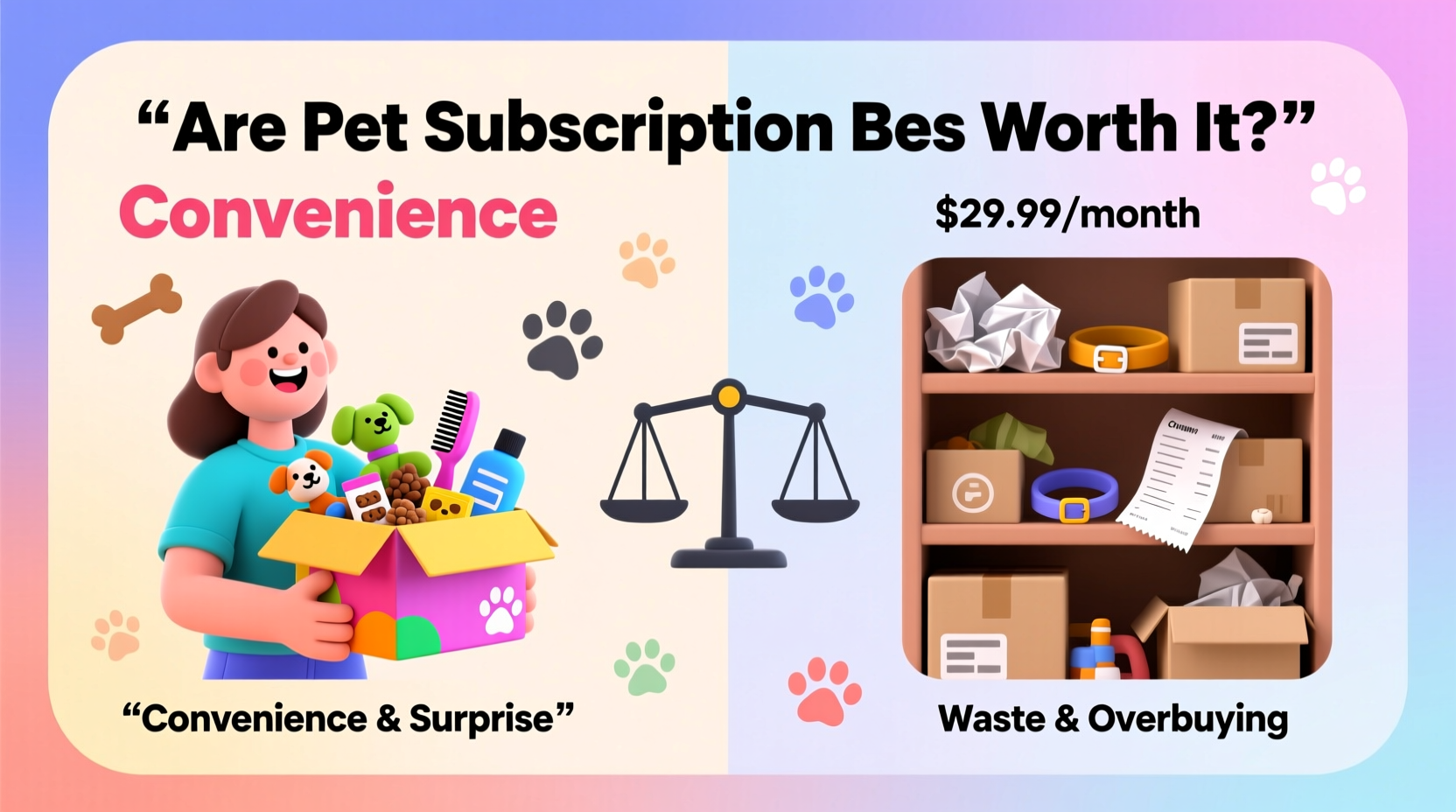
Subscription boxes vary widely by provider, but most include a mix of treats, toys, chews, and occasionally grooming products or accessories like collars or bandanas. Some services allow customization based on your pet’s size, breed, dietary restrictions, or activity level. Others offer themed boxes—seasonal editions, training-focused kits, or wellness packages featuring vet-approved supplements.
The appeal lies in discovery. Many pet owners enjoy the surprise element and appreciate being introduced to niche or artisanal pet brands they wouldn’t encounter at big-box stores. For example, a box might feature organic freeze-dried treats from a small-batch producer, an interactive puzzle toy designed to reduce anxiety, or a plush toy made from recycled materials.
However, not all contents are created equal. Lower-tier boxes may include generic, mass-produced items with little durability or nutritional value. A $30 box might contain two chew toys (one of which breaks within minutes), a bag of low-grade biscuits, and a sample-sized shampoo that runs out after one use. When this happens month after month, the perceived value diminishes quickly.
Tip: Before subscribing, check unboxing videos or customer reviews to see exactly what previous boxes contained.Breaking Down the Cost: Value vs. Price
To determine if a subscription is worth it, compare the retail value of the contents to the subscription price. Most companies advertise a “value” of $50+ for a $25 box. But these figures are often inflated—based on manufacturer’s suggested retail prices (MSRP) rather than actual market rates.
For instance, a treat bag listed at $12 MSRP might sell online for $6. Similarly, a toy labeled “$15 value” could be available elsewhere for $8. When you adjust for real-world pricing, many boxes end up costing more per item than if purchased individually.
Consider also the frequency of delivery. Monthly subscriptions can add up fast. At $25 per month, you're spending $300 annually—enough to buy high-quality food, cover a routine vet visit, or stock up on durable toys that last longer than a single chew session.
“Many pet subscription services rely on novelty rather than necessity. What looks exciting in a photo may not meet your pet’s behavioral or health needs.” — Dr. Lena Torres, DVM and Animal Behavior Consultant
Who Benefits Most From Pet Subscription Boxes?
Not every pet owner gains equal value from these services. Certain profiles tend to benefit more:
- New pet owners who aren’t yet familiar with quality brands or product types.
- Busy professionals who value convenience and time-saving solutions.
- Pet parents with picky animals who appreciate trying small samples before committing to full-size purchases.
- Those seeking enrichment for pets prone to boredom or anxiety, especially if the box includes mentally stimulating toys.
Conversely, experienced pet caregivers who already know their animal’s preferences, buy in bulk, or prioritize long-term investments (like orthopedic beds or dental chews) may find little added value. If your dog destroys plush toys in five minutes or your cat ignores 90% of new objects, sending money toward disposables may not align with your priorities.
A Real Example: Sarah and Her Rescue Dog Max
Sarah adopted Max, a high-energy border collie mix, and struggled to keep him mentally engaged. She tried several chew toys, but he demolished them quickly. After hearing about a training-focused subscription box, she signed up for a three-month trial at $32/month.
The first box included a snuffle mat, a puzzle feeder, beef liver training treats, and a durable rubber toy. Max loved the challenge of finding hidden kibble in the snuffle mat, and the puzzle toy slowed his eating. Over the next two months, Sarah noticed improved focus during walks and fewer destructive behaviors at home.
She canceled after three months—not because the products stopped working, but because she had identified which types of toys Max responded to. She then bought similar items in bulk at a lower cost. For Sarah, the subscription served as a helpful onboarding tool, not a permanent solution.
Key Factors That Determine Worth
Before committing, evaluate these critical aspects:
- Customization Options: Can you specify protein allergies, toy durability preferences, or treat types? The more tailored the box, the higher the chance of relevance.
- Transparency: Does the company list exact items in advance or provide clear photos of past boxes? Avoid those that obscure contents until delivery.
- Flexibility: Are there pause, skip, or cancel options without penalties? Rigid contracts reduce control over spending.
- Eco-Friendliness: Is packaging minimal and recyclable? Some boxes come wrapped in excessive plastic, undermining sustainability claims.
- Replacement Policies: What happens if an item arrives damaged or your pet has an adverse reaction to a treat?
| Factor | Worth It If… | Red Flag If… |
|---|---|---|
| Price | $15–$25 with high-quality, usable items | Over $30 with mostly samples or low-durability goods |
| Contents | Includes full-size, brand-name, or vet-recommended products | Filled with unknown brands or tiny portions |
| Frequency | Monthly or bi-monthly based on need | Forced weekly deliveries with no skip option |
| Value Beyond Products | Includes training tips, access to experts, or donation component (e.g., feeds shelter pets) | No added educational or community benefit |
How to Maximize Value—if You Subscribe
If you decide to try a pet subscription box, follow this step-by-step guide to get the most out of it:
- Start with a trial or one-time purchase. Many services offer discounted first boxes. Use this to assess quality before committing.
- Track usage. Note which items your pet engages with and which go ignored. This data helps refine future boxes or inform decisions about renewal.
- Compare unit costs. Calculate how much you’re paying per treat or toy versus retail. If the math doesn’t favor the subscription, reconsider.
- Leverage bonuses. Some services offer loyalty points, referral credits, or free shipping. Use them to offset costs.
- Donate excess. If you receive duplicate or unsuitable items, donate gently used toys or unopened treats to local shelters.
When to Skip the Subscription
Despite their appeal, subscription boxes aren’t always the smart choice. Consider opting out if:
- Your pet has specific dietary or behavioral needs not accommodated by the service.
- You already have a reliable source for high-quality supplies (local pet store, wholesale club, trusted online retailer).
- You’re focused on minimizing waste—the packaging alone can generate significant landfill contribution.
- You’re on a tight budget and the monthly fee competes with essentials like preventive care or quality food.
In such cases, allocating the same funds toward a premium diet, a professional training session, or a pet emergency fund may offer greater long-term benefits.
Frequently Asked Questions
Can I customize my pet’s subscription box?
Many reputable services allow customization based on pet type, size, age, allergies, and toy preferences. Look for providers that ask detailed onboarding questions. However, cheaper or generic boxes often offer little to no personalization.
Do subscription boxes save money compared to regular shopping?
Rarely. While some boxes include items you might not discover otherwise, the per-unit cost is typically higher than purchasing similar products in bulk or on sale. Savings are more psychological (convenience, surprise) than financial.
Are there ethical or sustainable pet subscription options?
Yes, a growing number of companies emphasize eco-conscious practices. These include using recyclable packaging, sourcing ingredients sustainably, supporting small makers, or donating a portion of profits to animal welfare organizations. Research brands like “EcoPaw Box” or “KindTails” if sustainability is a priority.
Final Verdict: Are They Worth It?
Pet subscription boxes aren’t inherently wasteful or overpriced—but they’re not universally worthwhile either. Their value hinges on alignment with your lifestyle and your pet’s actual needs. For some, they provide welcome variety, educational resources, and entertainment. For others, they become a recurring expense for underused items.
The wisest approach is to treat the first box as a test run. Evaluate not just the immediate reaction from your pet, but the lasting utility of each component. Ask yourself: Did this improve our routine? Could I have sourced these items more affordably? Will I want another box next month?
If the answers lean positive, and the service adapts to your feedback, a subscription might earn a permanent spot in your pet care regimen. If not, there’s no shame in walking away. After all, responsible pet ownership means making thoughtful choices—not just following trends.
🚀 Ready to make an informed decision? Try a one-time box from a top-rated provider, track what works, and let real results—not marketing—guide your next move. Share your experience in the comments to help fellow pet owners navigate the subscription maze.








