Squishmallows have become a cultural phenomenon since their debut in 2017. With their ultra-soft texture, whimsical designs, and wide-eyed charm, these plush toys are beloved by children and collectors alike. For parents of toddlers, however, the question isn’t just about appeal—it’s about safety. Are Squishmallows truly safe for little ones who love to squeeze, hug, and sometimes chew on their toys? Specifically, could they pose a choking hazard? And what exactly are they made of?
This article dives deep into the construction, materials, and safety standards behind Squishmallows to give parents a clear, evidence-based answer. From lab-tested fabric composition to real-world usage scenarios, we’ll cover everything you need to know before handing one over to your toddler.
Understanding Squishmallow Construction
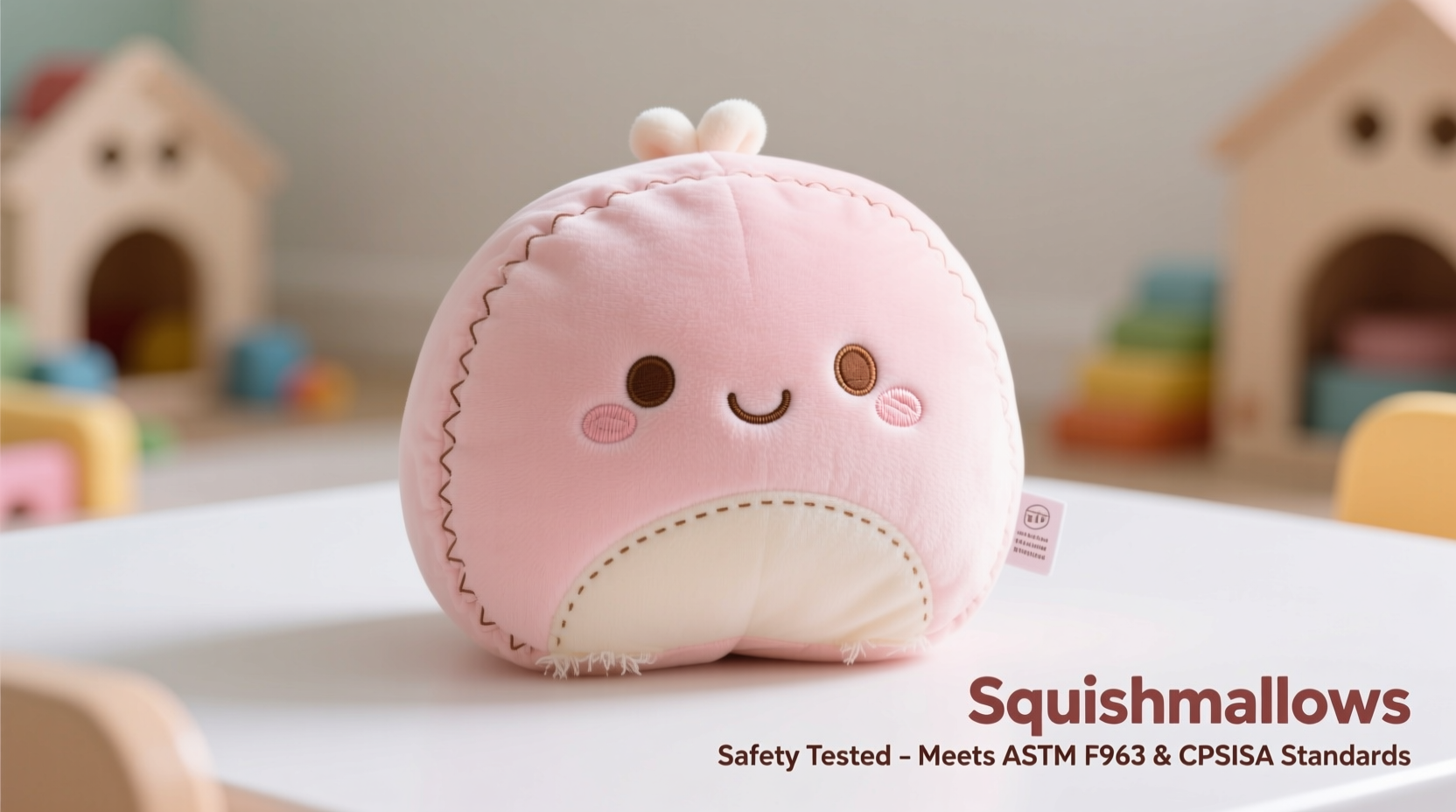
Squishmallows are not your average stuffed animals. Their signature “squish” comes from a unique combination of outer fabric and inner filling. The exterior is typically made from a polyester-based short-pile plush material—soft, durable, and machine-washable. Inside, instead of traditional stuffing like cotton or foam, Squishmallows use a proprietary blend of polyester fibers designed to compress easily and return to shape.
The filling is intentionally loose and airy, contributing to the toy’s cloud-like feel. This softness is part of what makes them so appealing to young children. However, it also raises questions: Could the seams burst? Can small parts come loose? Is there a risk if a child bites or tears the fabric?
Jelly Commerce, the company behind Squishmallows, emphasizes durability in design. Most models are double-stitched along stress points such as limbs and heads. Yet, no plush toy is indestructible—especially when subjected to the enthusiastic play of a toddler.
Materials Safety: What’s Inside and Out
All consumer products intended for children in the United States must comply with federal safety regulations, including those set by the Consumer Product Safety Commission (CPSC). Squishmallows are labeled as meeting ASTM F963, the standard for toy safety, and are compliant with CPSIA (Consumer Product Safety Improvement Act) requirements.
Independent lab testing has confirmed that Squishmallows contain no lead, phthalates, or other toxic substances commonly restricted in children’s products. The polyester fiber used in both shell and filling is non-toxic and hypoallergenic, making it suitable for sensitive skin. Additionally, the dyes used are colorfast and tested for migration, reducing risks of ingestion-related harm even if a child puts the toy in their mouth briefly.
“Plush toys made from high-quality synthetic fibers, when properly constructed and tested, pose minimal chemical risk to children.” — Dr. Lila Nguyen, Pediatric Environmental Health Specialist
Still, while the materials themselves are safe, the physical structure of the toy plays a critical role in overall safety—particularly for children under three.
Choking Hazard Assessment
The primary concern with any soft toy for toddlers is the potential for small parts to detach. Eyes, noses, and embroidered details are common points of failure. In the case of Squishmallows, most features are embroidered rather than plastic, which significantly reduces the risk of choking compared to toys with glued-on plastic eyes.
However, embroidery thread can fray or unravel over time, especially with rough handling. If a thread becomes long enough, it could pose a strangulation hazard. Similarly, if the stitching fails and the filling begins to escape, loose polyester fibers could be pulled out and placed in the mouth.
To assess this risk realistically, consider developmental behavior. Toddlers between 12 and 36 months often explore objects orally. They may suck on ears, bite limbs, or attempt to tear seams. While occasional mouthing is normal, persistent chewing increases the likelihood of fabric damage.
Tip: Regularly inspect your child’s Squishmallow for loose threads, weak seams, or signs of wear—especially around the face and joints.Size Matters: Age-Appropriate Selection
One of the most effective ways to reduce choking risk is choosing the right size. Larger Squishmallows (12 inches and above) are generally safer for toddlers because they are too big to fit entirely into a child’s mouth—the primary criterion used in choke tube testing.
The CPSC uses a small parts cylinder to simulate a toddler’s throat. Any object that fits inside is considered a choking hazard for children under three. Most mini Squishmallows (under 6 inches) do fit in this cylinder, meaning they carry a higher risk.
| Squishmallow Size | Fits Choke Tube? | Recommended for Toddlers? |
|---|---|---|
| Mini (3–5 in) | Yes | No – Supervised use only |
| Medium (7–10 in) | No | Yes – with monitoring |
| Large (12+ in) | No | Yes – lower risk |
| King/XXL (24+ in) | No | Yes – safest option |
If you choose a smaller Squishmallow, ensure it remains under direct supervision. Never allow unsupervised sleep-time cuddling with mini versions.
Real-World Scenario: A Parent’s Experience
When 2-year-old Mateo received a 5-inch unicorn Squishmallow as a gift, his parents were delighted. He carried it everywhere—breakfast, car rides, bedtime. Within two weeks, however, he began biting the horn. One morning, his mother noticed frayed stitching near the eye. By the end of the week, a small amount of filling had escaped.
Though no injury occurred, the incident prompted a family rule: only large Squishmallows allowed in the bedroom, and all plush toys inspected weekly. They switched to a 16-inch version, which held up much better under daily use.
Mateo’s story is not uncommon. Many parents report similar experiences with smaller plush toys, reinforcing the importance of size selection and routine checks.
Safety Best Practices for Parents
While Squishmallows are generally well-made and meet current safety standards, proactive parenting plays a crucial role in minimizing risks. Toddlers are unpredictable, and even the safest toy can become hazardous under certain conditions.
- Avoid giving mini Squishmallows to children under 3. Their small size increases choking risk.
- Supervise playtime when your child is using any plush toy, especially during the first few weeks.
- Wash regularly to maintain hygiene and check for hidden damage during laundering.
- Replace damaged toys immediately. If seams split or filling leaks, discontinue use.
- Store safely at night. Consider keeping smaller Squishmallows out of cribs or beds.
Step-by-Step: How to Inspect a Squishmallow for Safety
Regular inspection can catch problems before they become dangerous. Follow this simple routine every week:
- Squeeze gently to check for lumps or thinning areas where filling may be clumping or escaping.
- Examine all seams, especially around limbs, head, and facial features. Look for loose threads or gaps.
- Check embroidered details—pull slightly on the nose or eyes to ensure stitching is secure.
- Feel the surface for bald spots or worn fabric that could tear easily.
- Smell the toy—musty odors may indicate trapped moisture or mold, especially after spills.
- After washing, inspect again once dry to confirm no shrinkage or seam stress occurred.
This process takes less than two minutes but can prevent accidents down the line.
Expert Recommendations and Industry Standards
The American Academy of Pediatrics (AAP) advises against placing any small, loose, or plush items in cribs for infants under 12 months due to suffocation risks. While toddlers have more control, AAP still recommends caution with soft toys in sleeping areas.
Dr. Rebecca Tran, a pediatrician and child safety advocate, notes: “Soft toys are emotionally valuable to kids, but parents should treat them like any other product—check labels, monitor condition, and follow age guidelines.”
“Just because a toy is marketed to all ages doesn’t mean it’s appropriate for every age. Always match the toy to the child’s developmental stage.” — Dr. Rebecca Tran, Pediatric Safety Consultant
Jelly Commerce labels most Squishmallows with “Ages 3+,” aligning with CPSC guidance. This doesn’t mean younger children can’t enjoy them, but rather that independent use is not recommended. Parents should interpret this as a signal to supervise closely and assess individual maturity.
Do’s and Don’ts for Safe Squishmallow Use
| Do | Don’t |
|---|---|
| Choose larger sizes (12”+) for unsupervised play | Give mini Squishmallows to children under 3 |
| Inspect weekly for damage | Ignore loose threads or leaking filling |
| Wash according to care instructions | Use bleach or high heat, which can degrade fabric |
| Supervise during active play | Allow chewing or aggressive biting |
| Rotate toys to reduce wear | Leave wet or dirty Squishmallows uncleaned |
Frequently Asked Questions
Can toddlers choke on Squishmallow filling?
The polyester filling is non-toxic and not a chemical hazard, but loose fibers could pose a minor aspiration risk if inhaled in large amounts. More concerning is the physical act of swallowing clumps, which could cause mild gastrointestinal discomfort. Immediate medical attention is rarely needed, but prevention through regular inspection is key.
Are embroidered eyes safer than plastic ones?
Yes. Embroidered features are stitched directly into the fabric, eliminating the risk of small plastic pieces detaching—a common cause of choking in older plush toys. This design choice significantly improves safety for young children.
Can I wash a Squishmallow safely?
Yes. Most Squishmallows are machine washable. Use cold water on a gentle cycle and air dry completely. Avoid wringing or twisting, as this can stress seams. Washing helps maintain hygiene and allows you to inspect the toy thoroughly.
Final Thoughts: Balancing Safety and Joy
Squishmallows are not inherently dangerous for toddlers—but they are not risk-free either. Like any toy, their safety depends on proper selection, supervision, and maintenance. The materials used are non-toxic and meet rigorous industry standards, and the embroidered details reduce common choking hazards found in other plush toys.
The biggest factor in safety is size and supervision. Opting for larger models, conducting regular inspections, and replacing damaged toys promptly can ensure that your child enjoys the comfort and joy of a Squishmallow without unnecessary risk.
💬 Your child’s safety matters. Share this guide with fellow parents, and let us know in the comments: What’s your go-to strategy for keeping plush toys safe and clean?








