
Mattе lipstick has long been a favorite for its bold pigment, long-wearing finish, and sophisticated look. But many wearers notice an uncomfortable side effect: dryness and flaking. In contrast, lip gloss offers a dewy, plump appearance that often feels more comfortable on the lips. So, are matte lipsticks inherently drier than glosses? And if so, can you still enjoy their staying power without sacrificing comfort? The answer lies in formulation, application technique, and—most importantly—lip care habits.
This article breaks down the science behind matte and glossy finishes, explains why mattes tend to emphasize dryness, and provides practical solutions to prevent flaking while maintaining flawless color.
Why Matte Lipsticks Feel Drier Than Glosses
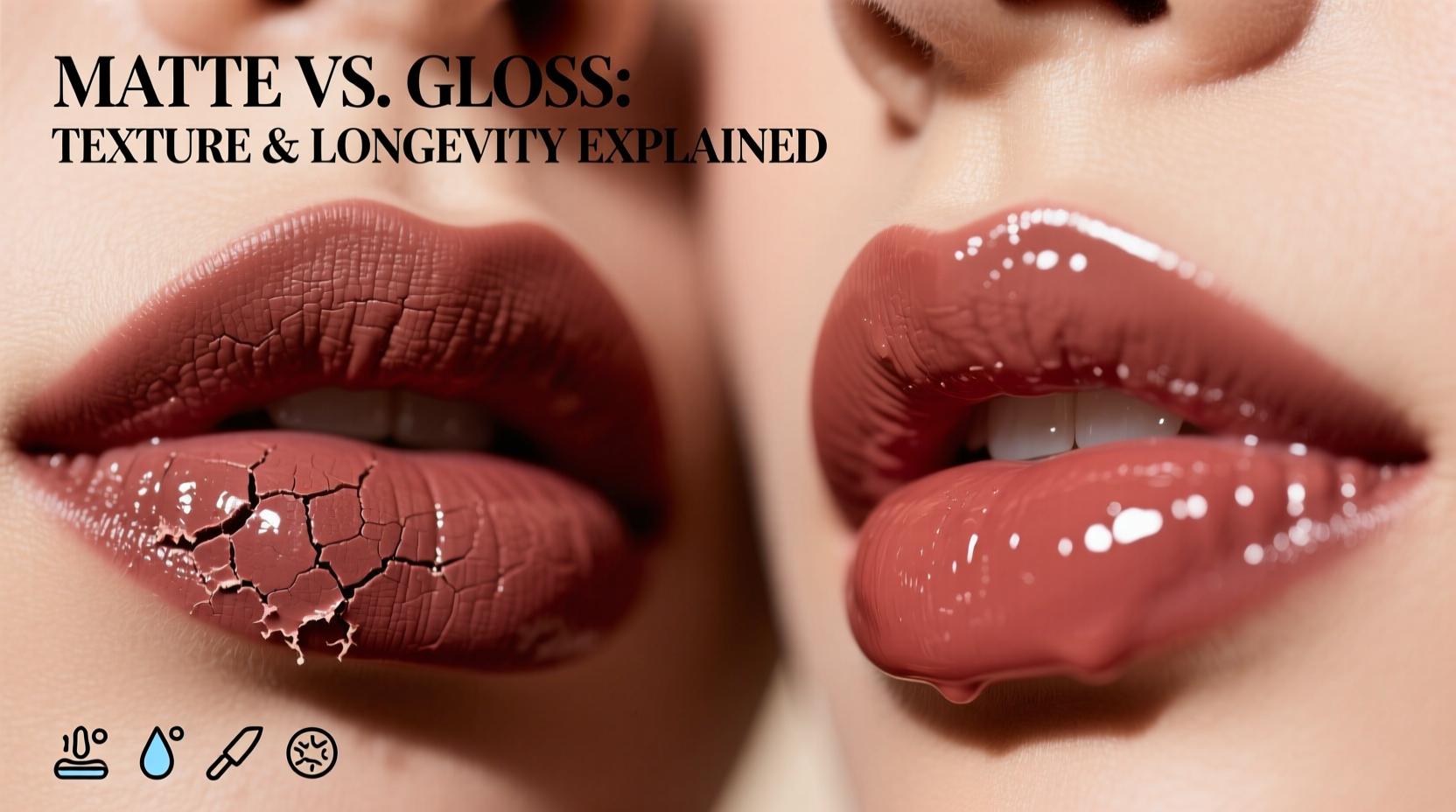
The difference between matte and glossy lip products isn’t just visual—it’s deeply rooted in their chemical composition and texture.
Matte lipsticks are formulated with higher concentrations of waxes and pigments and lower levels of oils and emollients. This creates a flat, non-reflective finish that adheres tightly to the lips. While this boosts longevity and prevents transfer, it also means less moisture is delivered to the skin surface.
In contrast, lip glosses rely heavily on liquid oils, silicones (like dimethicone), and humectants such as glycerin. These ingredients not only provide shine but also act as occlusives or hydrators, sealing in moisture and creating a cushioning layer over the lips.
Tip: If your lips are naturally dry or chapped, avoid traditional matte formulas until properly prepped—or opt for hydrating matte hybrids.Moreover, matte lipsticks don’t reflect light, which makes fine lines and texture more visible. When lips begin to dehydrate or flake, these imperfections become exaggerated under a matte finish, creating a \"cracked\" appearance even if the underlying dryness is mild.
How Lip Texture Affects Product Performance
Lips lack sebaceous glands, meaning they produce no natural oils to protect against moisture loss. This makes them especially vulnerable to environmental stressors like wind, cold air, and indoor heating—all of which accelerate dehydration.
When lips are dry, dead skin cells accumulate unevenly across the surface. Applying matte lipstick over this rough terrain leads to patchiness because the formula clings to flakes rather than adhering smoothly to the skin. Over time, as the product settles into cracks, it accentuates the flaking effect.
Glosses, due to their fluid consistency and reflective nature, temporarily fill in micro-cracks and blur texture. They create the illusion of smoother, fuller lips—even when hydration levels are suboptimal.
“Matte lipsticks aren’t inherently damaging, but they do highlight existing lip conditions. Think of them like foundation on textured skin—they reveal what’s underneath.” — Dr. Lena Torres, Cosmetic Dermatologist
Preventing Flaking: A Step-by-Step Guide
Flaking isn’t inevitable—even with matte lipsticks. With the right prep and maintenance routine, you can achieve a crisp, even application that lasts without discomfort.
- Exfoliate Gently (2–3 Times Per Week)
Use a soft lip scrub or a damp washcloth to remove dead skin. Over-scrubbing can cause irritation, so limit exfoliation to every other day at most. A DIY option: mix brown sugar with honey and massage lightly for 30 seconds. - Hydrate Before Application
Apply a nourishing balm at least 10–15 minutes before lipstick. Look for ingredients like shea butter, ceramides, squalane, or hyaluronic acid. Wipe off excess balm before applying color to ensure adhesion. - Prime Your Lips
Lip primers smooth the surface and create a neutral base. Some contain silicone-based fillers that minimize fine lines, while others include hydrating peptides. For those without primer, a thin layer of translucent powder over balm can mimic a matte base. - Apply in Thin Layers
Build color gradually using short strokes. Thick layers are more likely to crack as they dry down. Blot between coats with tissue to absorb excess product and enhance longevity. - Carry Hydration On-the-Go
Even long-wear formulas benefit from midday moisture. Use a clear, non-greasy balm on top during touch-ups. Avoid heavy balms that may dissolve pigment unless reapplying color afterward.
Choosing the Right Formula: Do’s and Don’ts
Not all matte lipsticks behave the same way. Advances in cosmetic chemistry have led to “comfort matte” and “soft matte” formulations that balance pigment with moisturizing agents.
| Factor | Do Choose | Avoid |
|---|---|---|
| Base Ingredients | Formulas with jojoba oil, vitamin E, or lanolin | High alcohol or acetone content |
| Finish Type | Soft matte, satin-matte hybrids | Fully velvety or powdery textures |
| Wear Time | Transfer-resistant but not completely drying | Longest-wear liquid mattes if prone to dryness |
| Brand Reputation | Brands known for balanced formulas (e.g., NARS, Fenty, Ilia) | Budget brands with inconsistent quality control |
Additionally, consider trying hybrid products like tinted balms with matte finishes or sheer mattes that offer color without full opacity. These reduce the risk of emphasizing dry patches while still delivering a modern aesthetic.
Lifestyle Habits That Impact Lip Health
Your daily habits play a crucial role in lip condition. Even the best-prepped lips will deteriorate if exposed to repeated stressors.
- Stay Hydrated: Dehydration shows up first on mucous membranes, including lips. Drink water consistently throughout the day.
- Don’t Lick Your Lips: Saliva evaporates quickly and contains enzymes that irritate delicate lip skin, worsening dryness.
- Use SPF Protection: UV exposure damages collagen in the lips, leading to thinning and increased susceptibility to cracking. Apply SPF-infused lip balm daily, especially under matte lipstick.
- Avoid Harsh Weather Exposure: Wear scarves in winter and seek shade in summer. Cold winds strip moisture; sun accelerates cell turnover and dehydration.
Real Example: From Flaky to Flawless
Sophie, a 29-year-old marketing professional, loved bold red lipsticks for client meetings but struggled with flaking within hours. Her routine involved applying matte liquid lipstick straight from the tube, skipping prep. After two hours, her lips felt tight, and small white flakes appeared around the cupid’s bow.
She consulted a makeup artist who recommended a new regimen: nightly exfoliation, morning hydration with a ceramide-rich balm, and blotting before reapplying color. Within a week, Sophie noticed a dramatic improvement. Her lipstick stayed intact for six hours without flaking, and her lips felt softer overall.
The change wasn’t due to switching products—but to changing her approach. By treating her lips as part of her skincare routine, not just a canvas for color, she achieved lasting results.
Checklist: Prevent Matte Lipstick Flaking
Follow this checklist each time you plan to wear matte lipstick:
- ✅ Exfoliate lips gently (if needed)
- ✅ Apply a hydrating balm 10–15 minutes prior
- ✅ Blot away excess balm before lipstick
- ✅ Use a lip liner to define edges and improve adherence
- ✅ Apply lipstick in thin, buildable layers
- ✅ Blot and set with tissue or translucent powder
- ✅ Carry a hydrating gloss or balm for touch-ups
- ✅ Remove thoroughly at night with oil-based cleanser
- ✅ Reapply overnight treatment 2–3 times weekly
Consistency with this routine transforms how matte lipstick behaves on your lips—turning a potentially uncomfortable experience into a confident, polished look.
Frequently Asked Questions
Can I use lip gloss over matte lipstick?
Yes—and doing so strategically can refresh your look without compromising color. Apply a clear or matching gloss only to the center of the lower lip for a dimensional effect. Be aware that too much gloss may dilute pigment or cause smudging, especially with transfer-proof formulas.
Why does my matte lipstick pill or ball up?
Pilling occurs when product lifts off in tiny rolls, usually due to incompatible layers or excessive dryness. Common causes include mixing silicone-heavy primers with water-based liquids, applying over unabsorbed balm, or using expired products. Ensure each layer is fully absorbed and compatible in formula type.
Is it safe to wear matte lipstick every day?
Yes, provided you maintain good lip hygiene and hydration. Daily wear isn't harmful, but neglecting care can lead to chronic dryness or irritation. Always remove makeup completely at night and allow recovery time with reparative treatments.
Conclusion: Balance Longevity With Comfort
Matte lipsticks aren’t inherently worse for your lips than glosses—they simply demand more thoughtful preparation. Their reputation for dryness stems largely from improper application and inadequate lip care, not the product itself.
By understanding the differences in formulation, adopting a consistent prep routine, and choosing smarter formulas, you can enjoy the intensity and staying power of matte lipstick without the flaking. Treat your lips with the same attention you give your face, and you’ll see visible improvements in both comfort and appearance.
💬 Ready to transform your matte lipstick game? Start tonight with gentle exfoliation and an overnight balm. Share your go-to lip-saving trick in the comments below!








