When it comes to personalizing vehicles, promoting a business, or adding temporary flair to home windows, many people turn to decals. But traditional adhesive-backed stickers often leave behind residue, damage paint, or become permanent fixtures when removal is finally needed. Magnetic window clings have emerged as a popular alternative—offering the same visual impact without the long-term commitment. But are they truly a better option? The answer depends on your needs, environment, and how you plan to use them.
Magnetic clings are thin, flexible sheets made from PVC or vinyl with a magnetized backing. They adhere to metal surfaces using magnetic force rather than glue. While they’re commonly used on car doors and refrigerators, their application extends to retail displays, seasonal decorations, and short-term advertising campaigns. Unlike sticky decals, they can be removed and repositioned repeatedly without leaving marks or damaging surfaces.
How Magnetic Clings Work vs. Sticky Decals
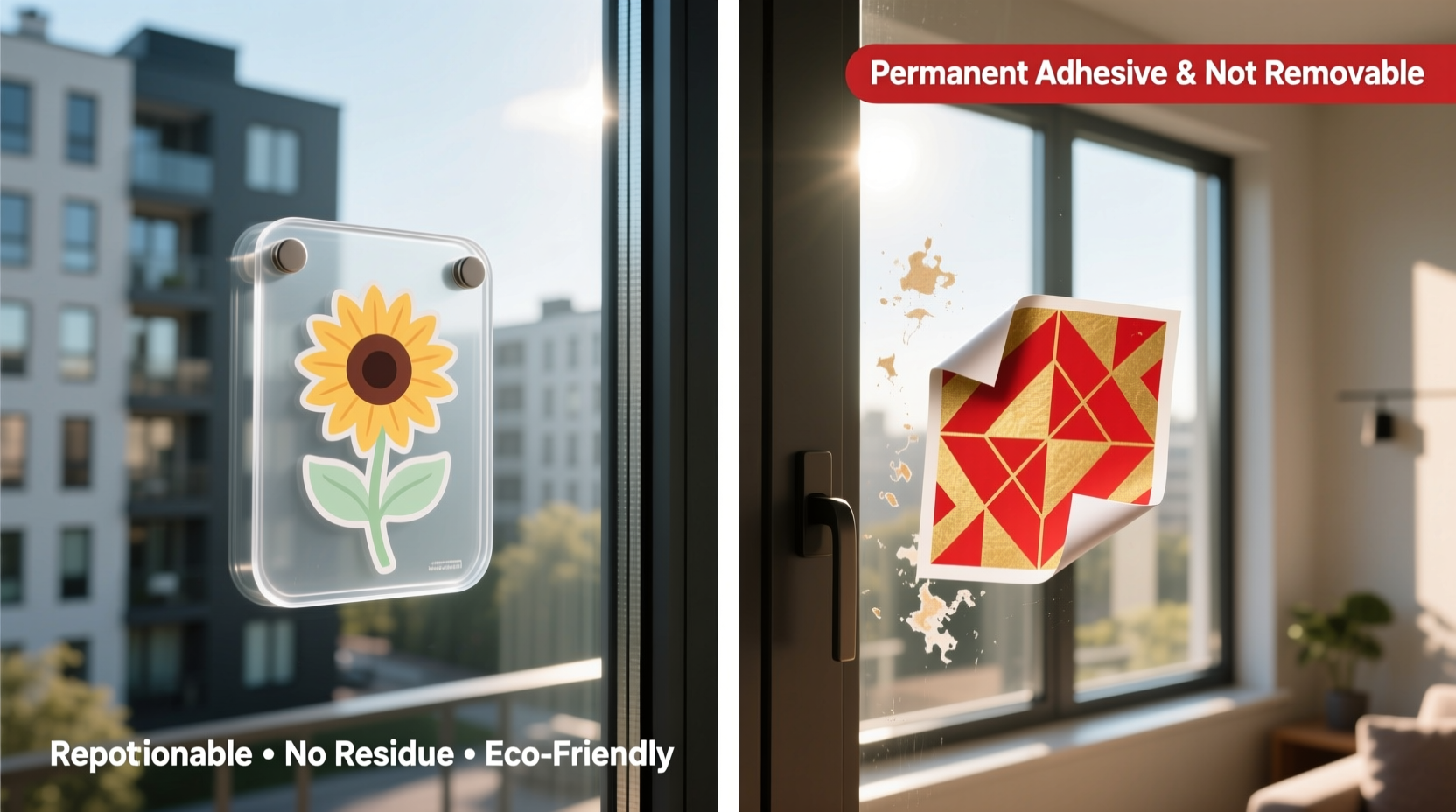
The fundamental difference between magnetic window clings and traditional decals lies in their method of adhesion. Sticky decals rely on pressure-sensitive adhesives that bond chemically and physically to smooth surfaces like glass, painted metal, or plastic. Once applied, especially in heat or sunlight, these adhesives cure and strengthen over time, making removal difficult and often destructive.
In contrast, magnetic clings depend on magnetic attraction. They require a ferromagnetic surface—typically steel—to stick properly. This means they work well on most car bodies (especially older models), refrigerators, filing cabinets, and certain industrial equipment. However, they won’t adhere to aluminum panels, fiberglass, plastic windows, or non-magnetic metals.
This distinction shapes where and how each type should be used. For example, applying a sticky decal to a leased vehicle might violate terms due to potential paint damage. A magnetic cling, however, can be installed and removed freely, making it ideal for rentals or shared vehicles.
Adhesion Comparison: What Stays Put and When
Sticky decals win in environments exposed to high wind, vibration, or temperature swings. Once properly applied, they form a near-permanent seal that resists peeling and lifting. Magnetic clings, while convenient, can shift or fall off if not sized correctly or if subjected to strong airflow—such as on a moving vehicle at highway speeds.
Temperature also plays a role. Most magnetic clings lose effectiveness below 40°F (4°C), becoming stiff and less able to conform to curved surfaces. In cold climates, this can lead to edge curling or detachment. Sticky decals, once cured, perform reliably across a broader temperature range but may degrade under prolonged UV exposure unless laminated.
Tip: Always clean the surface thoroughly before applying either type—dust or grease reduces cling strength and adhesive bonding.Pros and Cons: Magnetic Clings vs. Sticky Decals
| Feature | Magnetic Window Clings | Sticky Decals |
|---|---|---|
| Surface Damage | None – completely removable | Potential residue, paint lifting, or etching |
| Reusability | High – can be moved and reused multiple times | Low – typically one-time use |
| Durability (Outdoor) | Moderate – affected by wind, cold, and movement | High – resistant to weather once bonded |
| Installation Ease | Very easy – no alignment precision needed | Requires care to avoid bubbles and misalignment |
| Lifespan | 1–3 years depending on storage and use | 5+ years with quality materials |
| Suitable Surfaces | Ferrous metals only | Glass, metal, plastic, painted surfaces |
| Cost | Higher initial cost, lower long-term risk | Cheaper upfront, higher removal/repair costs possible |
The table highlights a key trade-off: convenience versus permanence. If you need something temporary, rent a vehicle, or change messaging frequently (like a real estate agent rotating listings), magnetic clings offer unmatched flexibility. But for branding, fleet vehicles, or decorative elements meant to last years, sticky decals provide superior durability and aesthetic consistency.
Real-World Applications and Case Study
Consider Sarah Lin, a small business owner who runs a mobile pet grooming service. She uses her van for both transportation and marketing. Initially, she applied a full-side sticky decal with her logo and contact information. After nine months, she wanted to update her branding—but removing the decal damaged the paint, requiring a costly repaint before new graphics could be applied.
For her next campaign, Sarah switched to custom magnetic clings. She now has two interchangeable designs: one for summer promotions and another for holiday specials. She stores them flat indoors when not in use and applies them each morning before starting her route. Despite driving over 1,000 miles per week, the magnets stay secure because she chose a slightly oversized design that hugs the door frame, reducing wind lift.
“The switch saved me hundreds in paint corrections,” Sarah said. “And being able to rotate messages seasonally has actually increased customer engagement. People notice when the design changes.”
“We’ve seen a 40% increase in inquiries from drivers who see updated magnetic signage monthly compared to static decals.” — Jordan Meeks, Small Business Marketing Consultant
This case illustrates how magnetic clings excel in dynamic, mobile advertising scenarios where change is expected and surface protection is a priority.
Best Practices for Using Magnetic Window Clings
To get the most out of magnetic clings, follow these proven guidelines:
- Ensure compatibility with your surface. Test with a small magnet first. If it doesn’t stick firmly, a magnetic cling won’t either.
- Size appropriately. Leave a slight border around edges to prevent flapping in wind. Overhang increases grip and reduces wear.
- Clean both surfaces regularly. Dirt trapped between the magnet and metal causes scratching and weakens hold.
- Store flat and dry. Never roll or fold magnetic clings—this creates permanent creases and demagnetizes sections over time.
- Avoid extreme temperatures. Don’t leave them on vehicles parked in direct sun for days; heat warps the material. Similarly, don’t apply in freezing conditions.
- Use protective laminate. Opt for UV-resistant, scratch-proof coatings when ordering custom clings to extend lifespan.
When to Choose Sticky Decals Instead
Despite their drawbacks, sticky decals remain the better choice in several situations:
- Non-metallic surfaces: Fiberglass truck beds, plastic side windows, or aluminum trailers won’t support magnetic adhesion.
- Long-term branding: Companies investing in fleet vehicles often prefer permanent decals for a polished, integrated look.
- High-speed applications: On vehicles routinely traveling above 65 mph, even well-fitted magnetic clings risk detachment.
- Curved or irregular glass: While some flexible magnets conform slightly, they cannot match the seamless fit of adhesive vinyl wrapped around contours.
- Budget-limited projects: For one-time installations with no need for reuse, sticky decals are more cost-effective upfront.
Additionally, modern removable adhesives—sometimes called “static cling adhesives” or “repositionable vinyls”—blur the line between the two. These decals use low-tack glue that allows for clean removal within 6–12 months, combining some benefits of both types. However, they still carry a small risk of residue and are sensitive to surface cleanliness during installation.
Step-by-Step Guide to Installing Magnetic Clings
Proper installation ensures maximum hold and longevity. Follow this sequence:
- Inspect the surface: Check for rust, dents, or debris. Wipe down with isopropyl alcohol and let dry completely.
- Unroll the cling carefully: If stored flat, gently flex it to remove any stiffness. Avoid bending sharply.
- Align one edge first: Start at the top or side, letting the magnetic force pull the rest into place smoothly.
- Smooth out air pockets: Use a soft squeegee or credit card wrapped in cloth to press out trapped air, working from center outward.
- Check for gaps: Run your fingers along all edges. If any part lifts easily, reposition or consider a larger size.
- Test in motion: Drive slowly at first, then gradually increase speed to ensure stability.
Repeat this process every time you reinstall, especially after storage. Skipping cleaning steps leads to reduced performance over time.
FAQ
Can I use magnetic clings on my home windows?
Only if the window frame is made of magnetic metal. Most residential windows are aluminum or vinyl, which won’t hold magnets. For interior glass decoration, consider static-cling vinyl instead—it uses suction-like adhesion without glue.
Do magnetic clings damage car paint?
No, not directly. However, dirt trapped underneath can act as an abrasive, causing micro-scratches over time. Regular cleaning minimizes this risk. Also, never slide the magnet across the surface—lift it on and off.
How long do magnetic window clings last?
With proper care, most last 2–3 years. Exposure to UV rays, extreme temperatures, and frequent folding will shorten lifespan. Store indoors away from sunlight when not in use.
Final Verdict: Are They a Good Alternative?
Magnetic window clings are an excellent alternative to sticky decals—if your use case aligns with their strengths. They shine in temporary, reusable, and non-damaging applications. For businesses testing markets, individuals leasing vehicles, or anyone needing seasonal decor, they offer freedom and flexibility that adhesive options simply can’t match.
However, they aren’t universal replacements. Their reliance on ferrous metal limits where they can be used, and environmental factors like wind and cold affect reliability. For permanent branding, high-speed travel, or non-metal surfaces, traditional decals—or newer repositionable adhesives—are still the better technical solution.
The smart approach is hybrid: use magnetic clings where changeability and protection matter most, and reserve sticky decals for long-term, high-durability needs. Many professional sign shops now recommend this dual-strategy model, especially for mobile entrepreneurs and service fleets.
“The future of vehicle graphics isn’t just about sticking—it’s about adaptability. Magnetics give brands agility.” — Lena Tran, Automotive Branding Specialist
Take Action Today
If you're tired of peeling decals and paint damage, try magnetic window clings for your next project. Order a small test piece first to confirm fit and hold. Compare visibility, ease of use, and durability over a few weeks. You might find they’re not just a good alternative—but the right choice for your lifestyle or business.
💬 Have experience with magnetic clings or sticky decals? Share your story, tips, or lessons learned in the comments below. Your insight could help others make a smarter decision!








