For decades, dog owners have placed their pets’ food and water bowls directly on the floor. In recent years, however, elevated feeders—raised stands that lift bowls off the ground—have gained popularity. Now, a new trend is emerging: high foot pet bowls, which sit slightly above floor level but not as dramatically as traditional elevated feeders. As more pet parents weigh in online, a heated debate has formed. Are high foot bowls truly better than full-height elevated feeders—or even standard floor-level dishes? The answer isn’t simple, and it largely depends on your dog’s breed, age, size, and health.
The Rise of Elevated Feeding: Why It Started
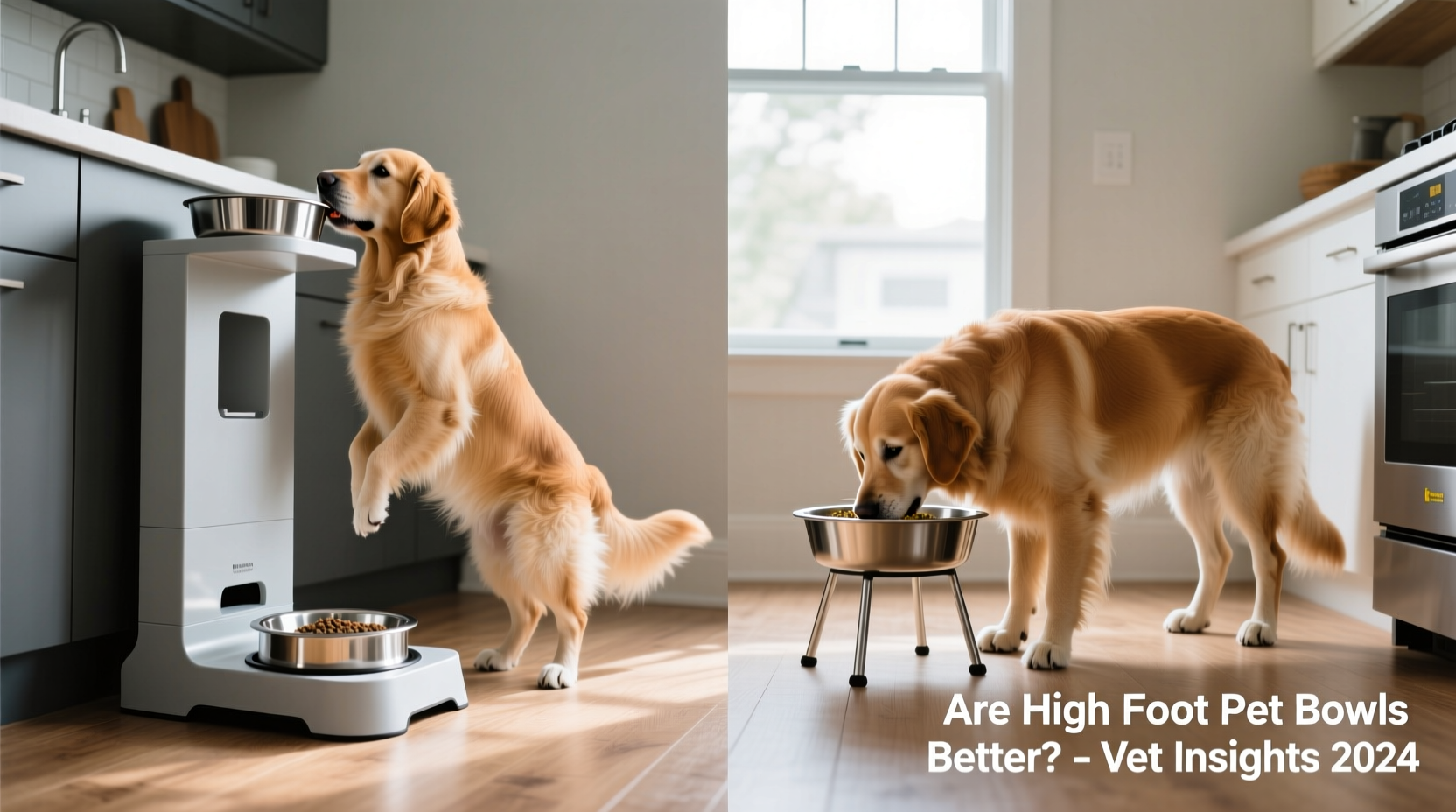
Elevated feeders first became popular among owners of large and giant breeds like Great Danes, German Shepherds, and Mastiffs. The idea was rooted in ergonomics: raising the bowl reduces neck strain during meals, especially for tall dogs who would otherwise need to bend deeply to reach their food. Advocates claimed these feeders improved digestion, reduced bloating, and supported joint health by promoting better posture.
Veterinarians initially supported this logic, particularly for senior dogs with arthritis or spinal issues. However, concerns began to surface when studies linked elevated feeding to an increased risk of gastric dilatation-volvulus (GDV), commonly known as bloat—a life-threatening condition most prevalent in deep-chested breeds.
“While elevated feeders can help with orthopedic comfort, we now know they may increase bloat risk in susceptible breeds. The height matters significantly.” — Dr. Lena Patel, DVM, Canine Internal Medicine Specialist
What Are High Foot Pet Bowls?
High foot pet bowls represent a middle ground. These bowls feature short legs—typically 2 to 6 inches high—raising them just enough to reduce strain without positioning the food at chest level. Unlike full elevated feeders, which can raise bowls 12 inches or more, high foot designs aim to offer subtle ergonomic benefits while minimizing potential risks.
Manufacturers often market them as “joint-friendly” or “digestion-optimized,” appealing to owners seeking gentle improvements without drastic changes. They’re typically made from stainless steel, ceramic, or BPA-free plastic, and many include non-slip bases for stability.
Tip: If your dog is medium-sized or older with mild stiffness, a 3–4 inch high foot bowl may offer comfort without increasing bloat risk.Comparing Elevated Feeders vs. High Foot Bowls
| Feature | Elevated Feeders (10+ inches) | High Foot Bowls (2–6 inches) | Floor-Level Bowls |
|---|---|---|---|
| Neck & Spine Posture | Excellent for tall dogs; reduces bending | Moderate improvement; less strain than floor | Poor for large breeds; requires significant bending |
| Bloat (GDV) Risk | Potentially increased, especially in deep-chested breeds | Low to neutral; minimal elevation | Neutral; no added risk from height |
| Suitability for Small Dogs | Poor; forces awkward stretching upward | Good; slight lift without strain | Ideal; natural eating position |
| Stability | Less stable; prone to tipping | Generally stable with weighted base | Most stable |
| Best For | Large/giant breeds with mobility issues (with vet approval) | Medium breeds, seniors, or dogs with mild stiffness | Small dogs, puppies, healthy adults |
When Elevation Helps—and When It Doesn’t
Not all dogs benefit from raised feeding. The decision should be guided by individual needs rather than trends. For example, a 10-year-old Labrador with hip dysplasia may eat more comfortably from a slightly elevated bowl, reducing pressure on sore joints. In contrast, a young Doberman may face higher bloat risk if fed from a full-height stand, even if it appears to eat comfortably.
A 2021 study published in the Journal of Veterinary Internal Medicine found that dogs fed from heights greater than 12 inches had a 2.1 times higher incidence of GDV compared to those eating from floor level. However, no significant increase was observed with elevations under 6 inches—suggesting that high foot bowls may offer a safer compromise.
Real Example: Max, the Senior Golden Retriever
Max, a 9-year-old Golden Retriever, began struggling to eat from his floor bowl. His owner noticed him wincing and hesitating before meals. After consulting their vet, they switched to a 4-inch high foot bowl. Within days, Max ate more readily and stood straighter after meals. X-rays confirmed mild arthritis in his spine, and the slight elevation reduced strain. The vet advised against a taller stand due to Max’s deep chest, balancing comfort with safety.
Choosing the Right Option: A Step-by-Step Guide
- Assess your dog’s breed and build. Deep-chested dogs (e.g., Boxers, Standard Poodles) are at higher bloat risk. Avoid high-elevation feeders unless medically necessary.
- Consider age and mobility. Older dogs with arthritis or joint pain may benefit from slight elevation. Watch for signs of discomfort when eating.
- Measure your dog’s elbow height. A properly fitted elevated feeder should bring the bowl to elbow level. For high foot bowls, aim for 25–50% of that height.
- Start low and observe. Try a 3-inch high foot bowl first. Monitor eating behavior, posture, and any signs of digestive upset.
- Consult your veterinarian. Especially if your dog has a history of bloat, heart conditions, or gastrointestinal issues.
Common Mistakes to Avoid
- Using a full-height feeder for a small or young dog
- Ignoring signs of bloating (restlessness, drooling, unproductive vomiting)
- Choosing unstable or poorly designed stands that tip easily
- Assuming all elevated options are the same—height matters
- Overlooking material safety—avoid cheap plastics that leach chemicals
Frequently Asked Questions
Can elevated bowls cause bloat in dogs?
Yes, studies suggest that feeding from heights above 12 inches may increase the risk of gastric dilatation-volvulus (bloat), especially in large, deep-chested breeds. The exact mechanism isn’t fully understood, but rapid eating and air ingestion may play a role. High foot bowls under 6 inches have not been shown to carry the same risk.
Are high foot bowls good for puppies?
Generally, no. Puppies benefit from floor-level bowls that encourage natural head and spine alignment during growth. Raising food too early may affect musculoskeletal development. Wait until your dog reaches near-adult height before considering elevation.
How do I clean a high foot pet bowl?
Disassemble the bowl from its base if possible. Wash both parts with warm, soapy water daily. Stainless steel components are dishwasher-safe. Ensure the feet are completely dry before reassembly to prevent mold buildup in hidden crevices.
Action Plan: What You Should Do Next
If you're reconsidering your dog’s feeding setup, start with observation. Watch how your dog lowers its head, whether it finishes meals comfortably, and if there's any hesitation or discomfort. For most healthy adult dogs, floor-level bowls remain the safest choice. If your dog shows signs of strain, consider a modest upgrade to a high foot bowl—but avoid extreme elevation without veterinary guidance.
Remember, no single solution fits all dogs. What works for a senior Great Dane may be harmful to a young Greyhound. Prioritize your pet’s individual health over trends, and always involve your vet in decisions about long-term feeding setups.
💬 Have experience with high foot bowls or elevated feeders? Share your story in the comments below—your insight could help another dog parent make a safer, smarter choice.








