
Providing consistent and appropriate heat is one of the most critical aspects of reptile care. Unlike mammals, reptiles are ectothermic—they rely on external heat sources to regulate their body temperature. In captivity, this means creating a controlled thermal environment that mimics natural basking and cooling behaviors. One of the most common tools used for this purpose is the heated pad, also known as an under-tank heater (UTH). While widely available and easy to install, these devices raise an important question: Are heated pads truly safe for reptiles? The answer isn't a simple yes or no—it depends on correct selection, placement, and monitoring.
When used properly, heated pads can be a safe and effective way to provide belly heat, especially for species that benefit from conductive warmth, such as many geckos, snakes, and some lizards. However, improper use can lead to overheating, burns, or even death. This article explores the safety considerations, best practices, and expert-recommended guidelines for using heated pads in reptile enclosures.
Understanding How Heated Pads Work
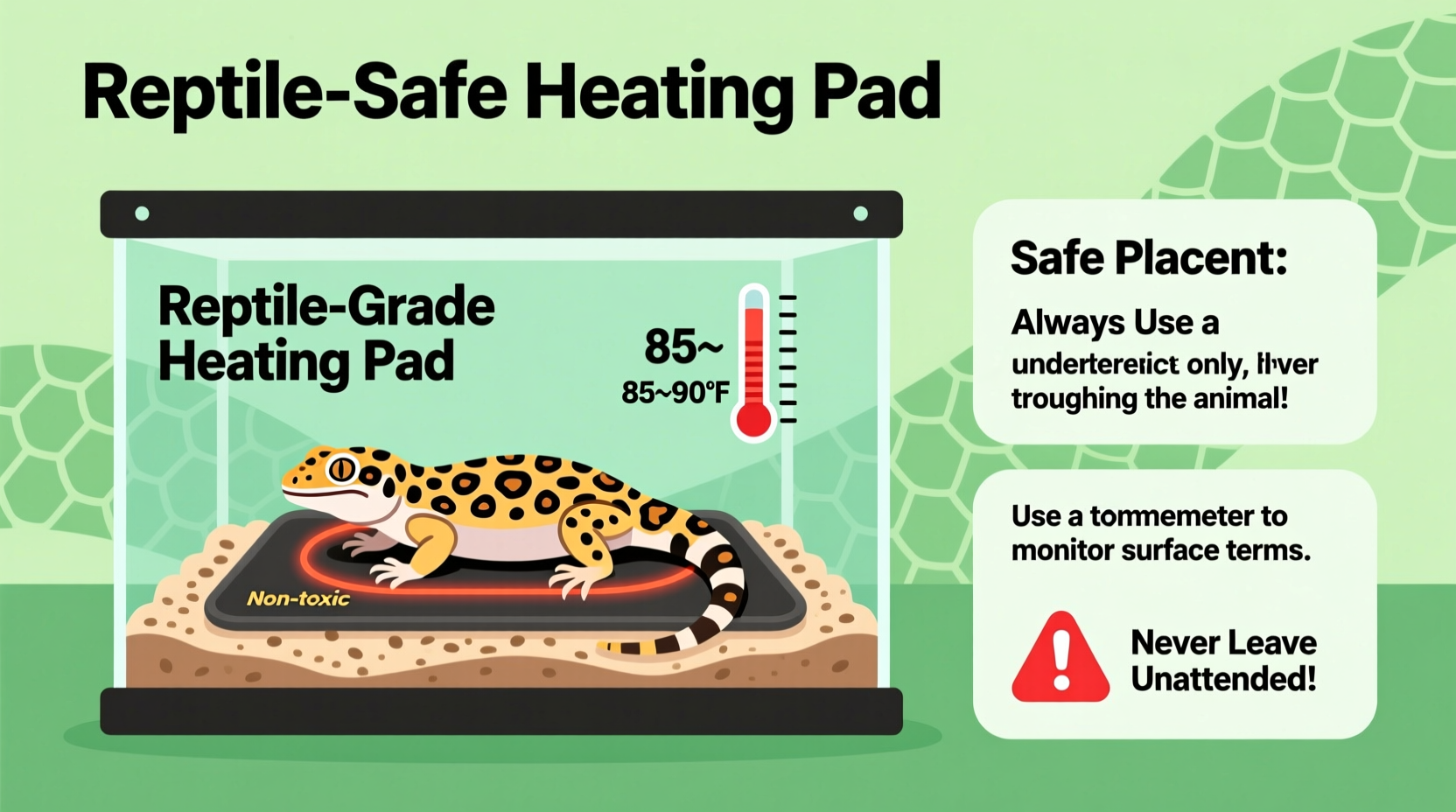
Heated pads are adhesive or non-adhesive heating elements designed to attach to the outside bottom or side of a reptile terrarium. They generate heat through electrical resistance and transfer it through the glass or plastic to warm the substrate and surfaces inside the enclosure. Because heat rises, this creates a warm zone on the side where the pad is installed, allowing reptiles to thermoregulate by moving between warmer and cooler areas.
Unlike overhead heat sources like basking lamps or ceramic heat emitters, which primarily warm the air and surface via radiation, heated pads deliver conductive heat—heat transferred through direct contact. This makes them particularly beneficial for species that naturally absorb heat through their ventral (belly) surface, such as leopard geckos or ball pythons.
However, because they operate out of sight and can create hot spots if not monitored, heated pads require careful setup. Many models lack built-in thermostats, meaning they produce constant heat unless externally regulated. This increases the risk of overheating, especially in small or poorly ventilated enclosures.
Tip: Always place the heated pad on the exterior of the tank—not inside—to prevent moisture damage and reduce fire risk.Safety Concerns and Common Risks
Despite their popularity, heated pads come with several potential hazards. Understanding these risks is essential for responsible reptile keeping.
1. Risk of Thermal Burns
Reptiles cannot always sense excessive heat, especially when nerve function is impaired due to illness or dehydration. Prolonged contact with a surface above 95°F (35°C) can cause serious burns. Some low-quality pads may exceed safe temperatures, particularly if used without a thermostat or in enclosures with poor airflow.
2. Overheating and Temperature Spikes
A malfunctioning or unregulated heated pad can rapidly overheat an enclosure. In extreme cases, this can lead to heat stress or fatal hyperthermia. Glass tanks retain heat well, making them more susceptible to dangerous temperature build-up when combined with continuous heating sources.
3. Lack of Thermostat Integration
Many heated pads are sold without thermostats. Using them “plug-and-play” is risky. Without feedback control, the pad runs at full power regardless of ambient or surface temperature, defeating the purpose of a stable thermal gradient.
4. Uneven Heating and Hot Spots
If the pad covers too much of the tank’s surface or is improperly sized, it can eliminate the cool zone reptiles need to retreat from heat. A proper thermal gradient requires a warm basking area and a cooler region—typically a 10–15°F (5–8°C) difference.
“Using a heated pad without a thermostat is like driving a car without brakes. You might get where you’re going, but the risk isn’t worth it.” — Dr. Melissa Kaplan, Reptile Husbandry Specialist
Best Practices for Safe Use of Heated Pads
To maximize safety and effectiveness, follow these evidence-based guidelines when setting up a heated pad in your reptile’s habitat.
Step-by-Step Setup Guide
- Choose the Right Size: Select a pad that covers no more than one-third to one-half of the enclosure’s floor area. This ensures a proper thermal gradient.
- Attach Externally: Place the pad on the outside bottom or side wall of the tank. Avoid placing it inside where it could be damaged by moisture or digging.
- Use a Thermostat: Connect the pad to a reliable external thermostat with a probe. Position the probe under the substrate on the warm side to monitor surface temperature accurately.
- Set Target Temperatures: Adjust the thermostat to maintain a surface temperature between 88°F and 92°F (31–33°C) for most species. Refer to species-specific guidelines.
- Monitor Daily: Use a digital infrared thermometer or a separate temperature gun to verify surface temps daily, especially during seasonal changes.
- Check Substrate Thickness: Thick substrates can insulate heat and cause the pad to work harder, increasing failure risk. Use thin layers or non-insulating materials like reptile carpet.
Do’s and Don’ts of Heated Pad Use
| Do’s | Don’ts |
|---|---|
| ✔ Use a high-quality thermostat with probe feedback | ✘ Plug the pad directly into the wall without regulation |
| ✔ Place the pad on only one side of the enclosure | ✘ Cover the entire tank bottom with a heating element |
| ✔ Check surface temperature daily with a temp gun | ✘ Rely solely on the thermostat display without verification |
| ✔ Use on glass or plastic enclosures only as directed | ✘ Install on wooden vivariums unless specifically rated for it |
| ✔ Replace pads every 1–2 years or if discoloration occurs | ✘ Continue using a pad that feels excessively hot or shows wear |
Species-Specific Considerations
Not all reptiles benefit equally from heated pads. Their suitability depends on natural behavior and thermal needs.
- Leopard Geckos: Excellent candidates. They are ground-dwellers that rely heavily on belly heat for digestion. A properly regulated UTH covering one-third of the tank is ideal.
- Ball Pythons: Benefit from belly heat, especially during digestion. Use a mid-sized pad on one side with a thermostat. Monitor closely during feeding cycles.
- Bearded Dragons: Primarily baskers. They need strong overhead heat and UVB. A heated pad alone is insufficient and should only supplement primary heat sources—if used at all.
- Crested Geckos: Prefer ambient warmth and rarely need supplemental belly heat. If nighttime temps drop below 70°F (21°C), a very low-output pad may be used cautiously.
- Tortoises: Generally do not require heated pads. Their enclosures are best heated overhead to simulate natural sun exposure.
“In my 15 years of reptile veterinary practice, I’ve seen more thermal injuries from unregulated heated pads than any other single source. Thermostats aren’t optional—they’re essential.” — Dr. Susan Brown, DVM, Exotic Animal Clinic
Real-World Example: A Close Call with a Leopard Gecko
Jamie, a first-time reptile owner, set up a 20-gallon tank for her new leopard gecko. Excited to provide warmth, she purchased a large heated pad and stuck it to the bottom of the enclosure, plugging it directly into the wall. She placed a thick layer of coconut fiber over the pad and added hides and decor.
Within two days, the gecko stopped eating and began spending all its time on the cool side. Jamie noticed the glass felt hot to the touch but assumed that was normal. After consulting a reptile forum, she borrowed an infrared thermometer and discovered the surface temperature was 108°F (42°C)—dangerously high.
She immediately unplugged the pad, added a thermostat, and reconfigured the setup to cover only one-third of the tank. Within 24 hours, the gecko resumed normal activity and began eating again. This case highlights how easily overheating can occur—and how a simple tool like a temperature gun can prevent disaster.
Alternative Heating Options
While heated pads are useful for certain species, they aren’t the only—or sometimes the best—option. Consider these alternatives based on your reptile’s needs:
- Ceramic Heat Emitters (CHE): Provide overhead heat without light, ideal for nocturnal species. Must be used with a thermostat.
- Basking Lamps: Emit both heat and light, perfect for diurnal reptiles like iguanas and bearded dragons.
- Heat Cables: Similar to pads but can be embedded in bioactive setups. Require precise installation and regulation.
- Room Heaters or Heat Panels: For larger enclosures or room-wide climate control, especially in colder climates.
Combining multiple heat sources often yields the best results. For example, a basking lamp for daytime radiant heat and a thermostat-controlled heated pad for nighttime belly warmth can create a dynamic, naturalistic environment.
Frequently Asked Questions
Can I leave a heated pad on 24/7?
Yes, but only if it’s connected to a thermostat that maintains safe, stable temperatures. Most reptiles need consistent warmth at night, especially during digestion. However, some species benefit from a slight nighttime temperature drop. Always research your specific animal’s needs.
How do I know if the heated pad is too hot?
Use an infrared temperature gun to measure the surface where your reptile sits. If it exceeds 95°F (35°C), adjust the thermostat or reduce pad size. Signs of overheating include gaping, lethargy, refusal to eat, and staying only on the cool side.
Are heated pads safe for baby reptiles?
Yes, but with extra caution. Neonates are more vulnerable to temperature fluctuations and burns. Use a smaller pad, lower settings, and check temperatures multiple times per day. A dimming thermostat offers finer control than on/off models.
Final Checklist Before Installation
- ✅ Selected a pad size that covers 1/3 to 1/2 of the enclosure
- ✅ Purchased a reliable external thermostat with probe
- ✅ Confirmed the pad is for external use only
- ✅ Placed the temperature probe on the warm side under substrate
- ✅ Verified surface temperature with a separate thermometer
- ✅ Established a clear thermal gradient with a cool zone
- ✅ Scheduled weekly checks for wear, discoloration, or malfunction
Conclusion: Safety First, Always
Heated pads can be a safe and valuable part of reptile husbandry when used correctly. Their ability to provide consistent belly heat makes them indispensable for certain species. But like any electrical device in a pet habitat, they demand respect, planning, and ongoing monitoring. The key to success lies in pairing the pad with a quality thermostat, understanding your reptile’s unique needs, and never assuming everything is fine just because the device is running.
Temperature regulation isn’t just about comfort—it’s about survival. A few minutes each day spent checking equipment and verifying temperatures can prevent suffering and extend your reptile’s life. Whether you're setting up your first terrarium or optimizing a seasoned habitat, treat every heating decision as a responsibility. Your reptile depends on it.
💬 Have experience with heated pads? Share your tips, challenges, or questions in the comments below—your insight could help another keeper avoid a costly mistake.








