Fragrance diffusers have become a staple in modern homes, offering a subtle and continuous way to freshen the air with calming or invigorating scents. From essential oil reed diffusers to ultrasonic misting devices, these products promise ambiance and wellness. But for pet owners, a pressing concern arises: are these aromatic conveniences safe when used every day around cats, dogs, birds, and other household animals? The answer isn't straightforward—while some diffusers pose little risk, others can be hazardous, even life-threatening, depending on the ingredients, concentration, and species involved.
Pets, especially cats and birds, have highly sensitive respiratory systems and metabolisms that differ drastically from humans. What smells pleasant or therapeutic to us may overwhelm or poison them. As diffusers release volatile compounds into the air continuously, daily exposure—even at low levels—can accumulate and lead to long-term health issues. Understanding the risks, recognizing warning signs, and making informed choices are critical steps toward maintaining a safe and fragrant home for all its inhabitants.
How Fragrance Diffusers Work and What They Release
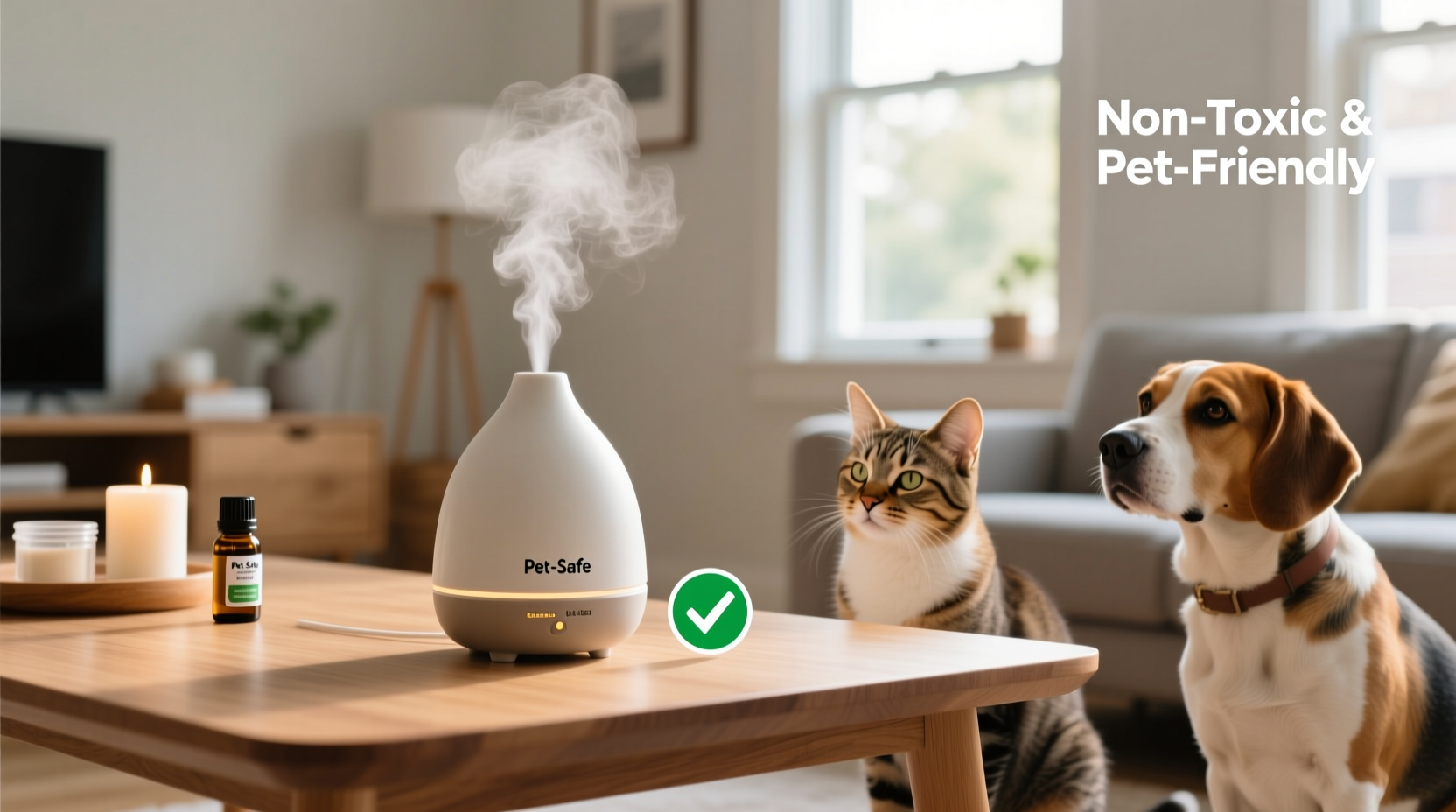
Fragrance diffusers operate through various mechanisms—reed diffusion, heat, evaporation, or ultrasonic vibration—to disperse scent molecules into the air. Reed diffusers rely on capillary action, where liquid travels up porous sticks and evaporates slowly. Ultrasonic diffusers use water and high-frequency vibrations to create a fine mist infused with essential oils or fragrance oils. Heat-based models warm the oil to accelerate vaporization.
Regardless of method, all diffusers emit volatile organic compounds (VOCs) into indoor air. These include terpenes, alcohols, esters, and phenols found naturally in essential oils, as well as synthetic fragrance chemicals in commercial blends. While many of these compounds are labeled “natural,” they are not automatically safe—especially for non-human species. For example, linalool and limonene, common in lavender and citrus oils, break down into irritants like formaldehyde when exposed to ozone in the air.
The continuous nature of diffuser use amplifies concerns. Unlike candles or sprays that provide intermittent exposure, diffusers often run for hours or days without interruption. This means pets are subjected to low-dose but persistent inhalation of aromatic particles, which their bodies may struggle to process.
Pet-Specific Risks by Species
Different animals react differently to airborne fragrances due to variations in anatomy, liver function, and olfactory sensitivity.
Cats: Extreme Sensitivity Due to Liver Limitations
Cats lack certain glucuronyl transferase enzymes in their livers, making it difficult to metabolize phenols and terpenes found in many essential oils. This deficiency puts them at high risk for toxicity. Oils like tea tree, eucalyptus, peppermint, cinnamon, and citrus are particularly dangerous. Even indirect exposure—such as grooming fur contaminated with diffused oil residue—can cause poisoning.
“Cats are exceptionally vulnerable to essential oil exposure because their livers cannot efficiently detoxify many of the compounds we commonly diffuse.” — Dr. Sarah Wooten, DVM, Veterinary Advisor at PetCareRx
Dogs: Respiratory and Neurological Concerns
Dogs have a far stronger sense of smell than humans—up to 100,000 times more sensitive. While they’re generally more resilient than cats, prolonged exposure to strong scents can cause respiratory irritation, anxiety, or behavioral changes. Some oils, such as tea tree and pine, are toxic if ingested or absorbed through the skin. Dogs who lick their paws after walking through a room with heavy oil dispersion may ingest harmful amounts.
Birds: Highly Vulnerable to Airborne Toxins
Birds have extremely efficient respiratory systems designed for flight, but this makes them uniquely susceptible to airborne pollutants. Their air sacs allow gases to circulate directly into the bloodstream. Even small concentrations of essential oils or synthetic fragrances can trigger respiratory distress, lung damage, or sudden death. Avian veterinarians strongly advise against using any type of diffuser in homes with birds.
Small Mammals and Reptiles
Hamsters, guinea pigs, rabbits, and reptiles also have delicate respiratory tracts. Scented environments can induce stress, suppressed immunity, or breathing difficulties. Enclosed habitats like cages or terrariums can trap concentrated vapors, increasing exposure risk.
Tip: If you have multiple pets, assume the most sensitive one sets the safety standard. When in doubt, opt out.Common Toxic Ingredients in Diffuser Oils
Not all essential oils are created equal—and many marketed as “natural” or “therapeutic” contain compounds proven harmful to animals. Below is a list of frequently used oils known to be toxic to pets:
- Tea Tree (Melaleuca): Causes neurological depression, weakness, and liver damage in cats and dogs.
- Eucalyptus: Irritates airways and can lead to vomiting, drooling, and seizures.
- Pine and Citrus Oils: Contain phenols and limonene, which are hepatotoxic (liver-damaging) in cats.
- Peppermint: Can cause gastrointestinal upset and central nervous system depression.
- Cinnamon: Highly irritating to mucous membranes and toxic in small doses.
- Ylang-Ylang and Clove: Linked to rapid heart rate and liver failure in cats.
Synthetic fragrance oils, often used in commercial diffusers, may contain phthalates—chemicals linked to hormonal disruption and organ damage. These are rarely disclosed on labels, making it difficult for consumers to assess risk.
Safer Alternatives and Best Practices
You don’t have to eliminate ambient scent entirely to keep your pets safe. With careful planning and product selection, you can enjoy a pleasant-smelling home responsibly.
Step-by-Step Guide to Safer Diffusing
- Choose pet-safe essential oils sparingly. Only use oils recognized as low-risk, such as diluted lavender or chamomile, and only in well-ventilated areas.
- Avoid continuous operation. Run diffusers for no more than 30–60 minutes at a time, then turn them off for several hours.
- Place diffusers strategically. Keep them in rooms pets don’t access regularly, such as guest bedrooms or offices.
- Monitor your pet closely. Watch for signs of distress: sneezing, coughing, lethargy, excessive licking, or hiding.
- Ensure fresh air circulation. Open windows periodically or use an air purifier with a HEPA and carbon filter to reduce VOC buildup.
Non-Diffuser Scent Options
- Baking soda boxes in closets or under sinks for odor control.
- Beeswax candles (burned briefly and never left unattended).
- Natural linen sprays used lightly and only when pets are absent.
- Indoor plants like peace lilies or spider plants that naturally purify air.
Checklist: Is Your Diffuser Use Pet-Safe?
- ✅ I know exactly which oils or fragrances are being diffused.
- ✅ None of the ingredients are on the ASPCA’s toxic oil list.
- ✅ My pet has a fragrance-free room to retreat to.
- ✅ The diffuser runs intermittently, not 24/7.
- ✅ I’ve observed my pet for adverse reactions and seen none.
- ✅ Birds, rabbits, or exotic pets are not exposed under any circumstances.
- ✅ I store diffuser liquids securely out of reach.
Real-Life Scenario: A Close Call with a Tea Tree Diffuser
Sarah, a cat owner from Portland, began using a popular reed diffuser containing tea tree and lemon oils to combat kitchen odors. Within three days, her 8-year-old tabby, Oliver, became increasingly lethargic and began drooling excessively. She noticed he was avoiding his favorite sunlit spot near the diffuser. Alarmed, she took him to the vet, where blood work revealed early-stage liver damage consistent with essential oil toxicity. The vet traced the cause to the diffuser. After removing all scented products and providing supportive care, Oliver recovered—but Sarah now uses only unscented cleaning products and avoids diffusers entirely.
This case illustrates how quickly seemingly mild exposure can escalate. Because symptoms can be subtle at first—loss of appetite, hiding, or mild wobbling—owners may not connect them to environmental factors until serious harm occurs.
Do’s and Don’ts: A Quick Reference Table
| Do | Don’t |
|---|---|
| Use diffusers only in pet-free zones | Run diffusers in rooms where pets sleep |
| Opt for short, timed intervals | Leave diffusers on overnight or all day |
| Choose simple, known ingredients like diluted lavender | Use blends labeled only as “fragrance” |
| Ventilate rooms frequently | Diffuse in small, enclosed spaces |
| Watch pets for changes in behavior | Ignore mild symptoms like sneezing or fatigue |
Frequently Asked Questions
Can I use a diffuser if I have a dog?
You can—with caution. Choose non-toxic oils like diluted chamomile or frankincense, use the diffuser for less than an hour at a time, and ensure your dog can leave the room. Avoid oils like tea tree, clove, or wintergreen. Monitor for signs of discomfort such as panting, restlessness, or pawing at the face.
Are reed diffusers safer than electric ones?
Reed diffusers release fragrance more slowly and don’t aerosolize particles, which reduces immediate inhalation risk. However, they still emit VOCs continuously and pose dangers if pets knock them over or come into direct contact with the liquid. The safety depends more on the ingredients than the delivery method.
What should I do if my pet shows signs of diffuser exposure?
Immediately remove the diffuser and move your pet to fresh air. Contact your veterinarian or the ASPCA Animal Poison Control Center (888-426-4435). Do not induce vomiting unless instructed. Bring the diffuser bottle or label to help identify the toxin.
Conclusion: Balancing Wellness and Safety
Fragrance diffusers offer undeniable appeal, but their daily use in homes with pets demands careful consideration. Animals are not small humans—their biology makes them uniquely vulnerable to airborne chemicals we often dismiss as harmless. While occasional, controlled use of pet-safe scents may be acceptable, continuous diffusion introduces avoidable risks, especially for cats, birds, and small mammals.
The safest approach is prevention: prioritize ventilation, choose non-toxic alternatives, and always put animal well-being above aesthetic preference. If you choose to diffuse, do so mindfully—know your ingredients, limit duration, and observe your pets closely. A healthy home isn’t just one that smells good; it’s one where every member, furry or feathered, can breathe easily and safely.
💬 Your experience matters. Have you used fragrance diffusers around pets? Share your story or tips in the comments to help others make safer choices.








