Fragrance diffusers have become a staple in modern homes, offering a subtle way to freshen up indoor spaces with pleasant scents. From reed diffusers to ultrasonic essential oil models, their popularity continues to rise. But for pet owners, a critical question emerges: are these aromatic additions truly safe for cats, dogs, and other household animals? The answer isn't straightforward—while some diffusers pose minimal risk, others can introduce serious health hazards. Understanding which types of diffusers and scents are dangerous, how exposure occurs, and what safer options exist is essential for protecting your pets.
How Diffusers Work and How Pets Are Exposed
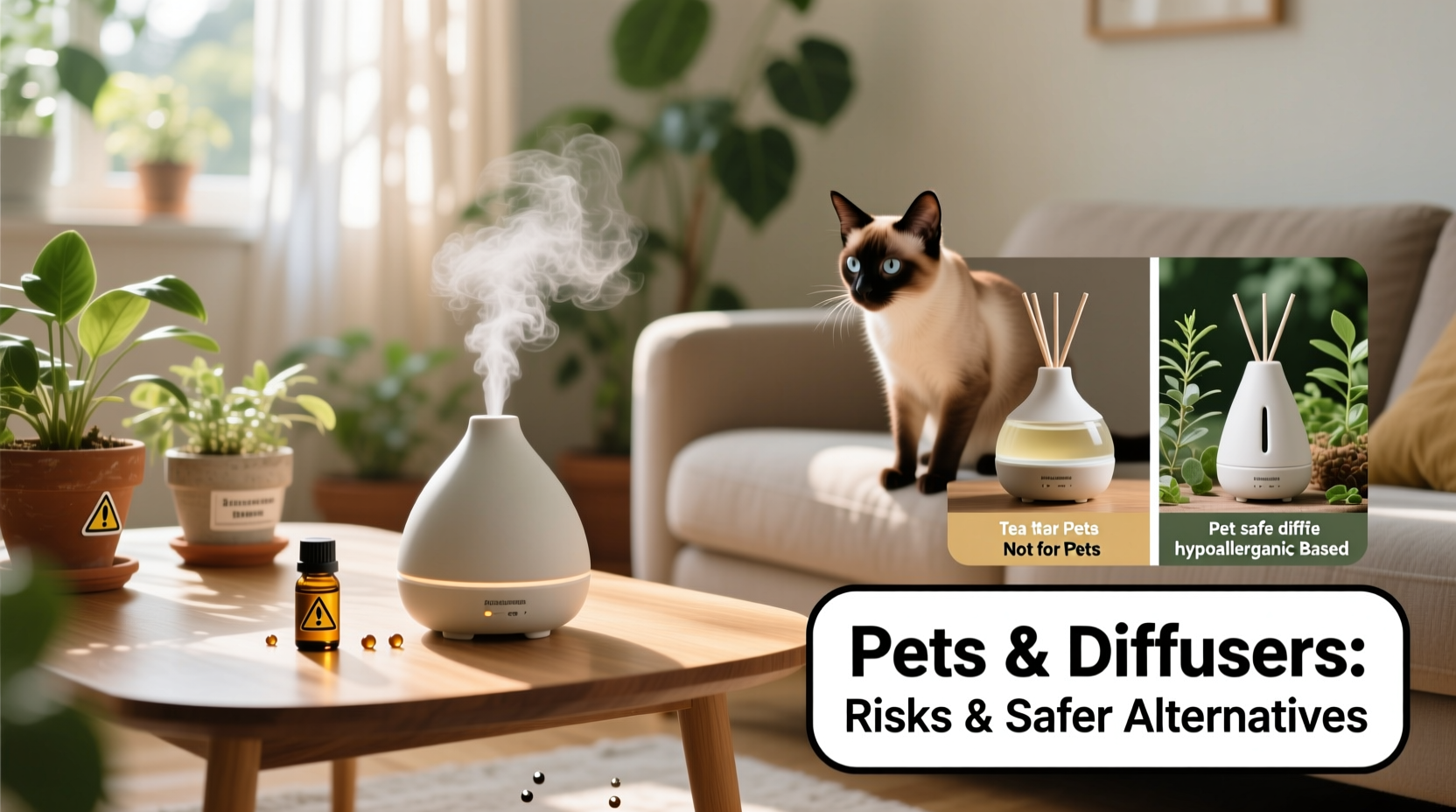
Different types of fragrance diffusers release scent into the air through various mechanisms. Reed diffusers rely on capillary action, pulling liquid up through porous sticks. Ultrasonic diffusers use water and vibrations to create a fine mist infused with essential oils. Heat-based and nebulizing diffusers vaporize oils directly. While humans may enjoy these scents at low concentrations, pets experience them differently due to heightened olfactory sensitivity and smaller body mass.
Pets are primarily exposed through inhalation, but dermal contact and accidental ingestion also occur. Cats often groom themselves after brushing against surfaces where oil residue has settled. Dogs may lick diffuser bottles or knock over containers. Birds, with their highly sensitive respiratory systems, are especially vulnerable—even brief exposure to aerosolized oils can lead to respiratory distress.
Tip: Always place diffusers out of reach and in well-ventilated areas, never in rooms where pets spend extended time unsupervised.Common Toxic Ingredients in Fragrance Diffusers
Many essential oils marketed for aromatherapy contain compounds that are toxic to animals. The American Society for the Prevention of Cruelty to Animals (ASPCA) lists several oils as hazardous for pets. These include:
- Tea Tree Oil – Causes neurological symptoms like tremors and lethargy in dogs and cats.
- Eucalyptus Oil – Can induce vomiting, diarrhea, and depression of the central nervous system.
- Lavender Oil – While sometimes considered mild, concentrated forms can still cause gastrointestinal upset and skin irritation.
- Citrus Oils (Lemon, Orange, Grapefruit) – Contain d-limonene, which is particularly toxic to cats.
- Pine, Cinnamon, Peppermint, and Wintergreen Oils – Known irritants that can trigger respiratory issues and liver damage.
Synthetic fragrances used in commercial diffusers may also contain volatile organic compounds (VOCs) such as formaldehyde and benzene, which contribute to indoor air pollution. Long-term exposure to these chemicals has been linked to chronic respiratory conditions in both humans and animals.
“Essential oils aren’t inherently safe just because they’re natural. Many are metabolized poorly by pets, especially cats, whose livers lack certain detoxifying enzymes.” — Dr. Karen Heinze, Veterinary Toxicologist, Cummings School of Veterinary Medicine
Risks by Pet Type
Different animals face varying levels of danger from fragrance diffusers based on species-specific biology.
Cats
Cats are among the most vulnerable pets due to their unique liver metabolism. They lack glucuronyl transferase, an enzyme needed to break down phenols found in many essential oils. This makes them prone to toxin buildup, leading to hepatic failure. Symptoms of toxicity include drooling, difficulty breathing, muscle weakness, and seizures. Even indirect exposure—such as a cat sleeping on a sofa near a diffuser—can result in illness.
Dogs
Dogs are more resilient than cats but still at risk, especially small breeds or those with pre-existing respiratory conditions. Inhalation of strong vapors can cause coughing, sneezing, and watery eyes. Ingestion leads to gastrointestinal distress, including vomiting and diarrhea. Chronic exposure may exacerbate asthma or bronchitis.
Birds
Birds have extremely efficient respiratory systems designed for high oxygen uptake, making them exceptionally sensitive to airborne pollutants. Aerosolized oils can cause rapid-onset pneumonia, labored breathing, and sudden death. Avian veterinarians strongly advise against using any type of diffuser in homes with birds.
Small Mammals (Rabbits, Guinea Pigs, Hamsters)
These animals also possess delicate respiratory tracts. Strong scents can lead to stress, reduced appetite, and respiratory infections. Enclosed cages may trap concentrated vapors, increasing exposure risk.
Safe Alternatives to Traditional Diffusers
You don’t need to sacrifice a fresh-smelling home to keep your pets safe. Several non-toxic alternatives provide odor control and ambient fragrance without endangering animal health.
Natural Ventilation
The simplest method is opening windows regularly to allow fresh air circulation. Cross-ventilation helps remove stale odors and reduces indoor pollutant concentration. Use window screens to prevent escapes while maintaining airflow.
Baking Soda and Activated Charcoal
Place open containers of baking soda or activated charcoal in problem areas like litter boxes or pet bedding zones. Both materials naturally absorb odors without releasing harmful fumes. Replace monthly for optimal performance.
Pet-Safe Simmer Pots
Create a stovetop potpourri using only pet-friendly ingredients: apple slices, cinnamon sticks, whole cloves, and orange peels. Simmer on low heat with water, ensuring the mixture never boils dry. Avoid adding essential oils or citrus juice concentrates.
Hypoallergenic Air Purifiers
HEPA-filter air purifiers effectively remove allergens, dander, and odor particles from the air. Choose models without ionizers or ozone generators, which can worsen respiratory issues in pets.
Homemade Room Sprays
Mix 1 cup of distilled water with 1 tablespoon of vodka (as a preservative) and a few drops of pet-safe extracts like vanilla or almond in a spray bottle. Shake before use and test on a small area first. Avoid spraying near faces or food bowls.
Tip: If you must use a diffuser, operate it in short intervals (15–30 minutes) in unoccupied rooms, then ventilate thoroughly before allowing pets back in.Checklist: Making Your Home Aromatically Safe for Pets
- ✅ Identify all diffusers and essential oil products in your home.
- ✅ Review ingredient labels; discard any containing tea tree, citrus, eucalyptus, or pine oils.
- ✅ Store diffusers and oils in locked cabinets or elevated shelves inaccessible to pets.
- ✅ Use only pet-safe simmer pot recipes or fragrance-free alternatives.
- ✅ Install HEPA air purifiers in main living areas and pet bedrooms.
- ✅ Monitor pets closely for signs of respiratory distress or behavioral changes.
- ✅ Consult your veterinarian before introducing any new scent product.
Comparison Table: Diffuser Types and Pet Safety
| Diffuser Type | How It Works | Pet Risk Level | Notes |
|---|---|---|---|
| Reed Diffuser | Passive evaporation via reeds | Moderate | Oils can spill; continuous low-level exposure possible |
| Ultrasonic (Essential Oil) | Mist disperses oil into air | High | Aerosolized oils easily inhaled; unsafe for birds and cats |
| Nebulizing | Pure oil vaporized without water | Very High | Strongest concentration; not recommended around pets |
| Heat-Based | Warms oil to release scent | High | May degrade oil into more irritating compounds |
| Water-Only Humidifier | Adds moisture without fragrance | Low | Safe if cleaned regularly to prevent mold |
| None / Natural Methods | Ventilation, baking soda, etc. | Safest | No chemical exposure; fully pet-compatible |
Real Example: When a Calming Scent Turned Dangerous
Sarah, a cat owner from Portland, introduced a lavender-scented ultrasonic diffuser to help her reduce anxiety during remote work. She placed it in the living room, assuming her two indoor cats would be unaffected since she used “natural” oils. Within two days, her older cat, Milo, became lethargic, began drooling excessively, and avoided food. A visit to the emergency vet revealed elevated liver enzymes consistent with essential oil toxicity. The diagnosis: prolonged inhalation of diffused lavender oil had overwhelmed Milo’s liver function. After hospitalization and supportive care, Milo recovered—but Sarah removed all scented products from her home and now uses a HEPA air purifier instead.
This case illustrates how even well-intentioned use of “natural” products can have unintended consequences. What feels calming for humans may overwhelm a pet’s physiological capacity to process foreign substances.
Step-by-Step Guide to Transitioning to Pet-Safe Scenting
- Inventory Current Products: Gather all diffusers, essential oils, and scented sprays in your home.
- Check Ingredients: Research each oil or fragrance compound using ASPCA’s toxic plant and substance database.
- Dispose Safely: Recycle empty bottles and dispose of remaining liquids according to local hazardous waste guidelines—never pour down drains.
- Deep Clean Affected Areas: Wipe down surfaces near diffusers with vinegar and water to remove oil residue.
- Introduce Alternatives: Begin using baking soda boxes, open windows, or a pet-safe simmer pot.
- Monitor Pets: Watch for improvements in energy, breathing, or coat condition over the next week.
- Establish New Habits: Commit to fragrance-free living or reserve scented items for outdoor-only use.
Frequently Asked Questions
Can I ever use essential oils around my pets?
It’s best to avoid them entirely, especially in diffused form. Topical or diffused essential oils are unnecessary for pet health and carry significant risks. If you're considering therapeutic use, consult a certified veterinary aromatherapist—never self-administer.
Are plug-in air fresheners safer than diffusers?
Not necessarily. Many plug-ins contain synthetic fragrances and phthalates, which can disrupt hormones and irritate airways. Like diffusers, they continuously emit VOCs. Opt for fragrance-free or plant-based options labeled explicitly as pet-safe.
What should I do if my pet shows signs of diffuser exposure?
Remove the pet from the area immediately, ensure fresh air circulation, and contact your veterinarian or the ASPCA Animal Poison Control Center at (888) 426-4435. Do not induce vomiting unless instructed.
Conclusion: Prioritize Safety Over Scent
Your home should be a sanctuary for every member of your family—including the furry ones. While fragrance diffusers offer ambiance and mood enhancement, their potential harm to pets often outweighs aesthetic benefits. By understanding the real risks associated with essential oils and synthetic fragrances, you can make informed choices that protect your animals without sacrificing comfort.
Transitioning to natural ventilation, non-toxic odor absorbers, and HEPA filtration not only safeguards your pets but also improves overall indoor air quality for everyone. Small changes today can prevent emergencies tomorrow. Your pet doesn’t need designer scents—they need a safe, healthy environment. Start making that your top priority.
💬 Have you switched to pet-safe scenting methods? Share your experience or ask questions in the comments—your story could help another pet owner avoid a dangerous mistake.








