Essential oil diffusers have become a staple in modern homes, praised for their ability to purify the air, reduce stress, and create calming atmospheres. However, what many pet owners don’t realize is that these seemingly harmless devices can pose serious health risks to cats, dogs, birds, and other household animals. The concentrated compounds in essential oils—while beneficial to humans—can be toxic when inhaled or absorbed by pets due to differences in their respiratory systems, liver function, and skin sensitivity.
Understanding the dangers and knowing how to protect your pets is crucial. This article breaks down the science behind essential oil toxicity in animals, identifies the most hazardous oils, and offers safer, pet-friendly alternatives so you can maintain a pleasant home environment without compromising your pet’s well-being.
Why Essential Oils Can Be Dangerous for Pets
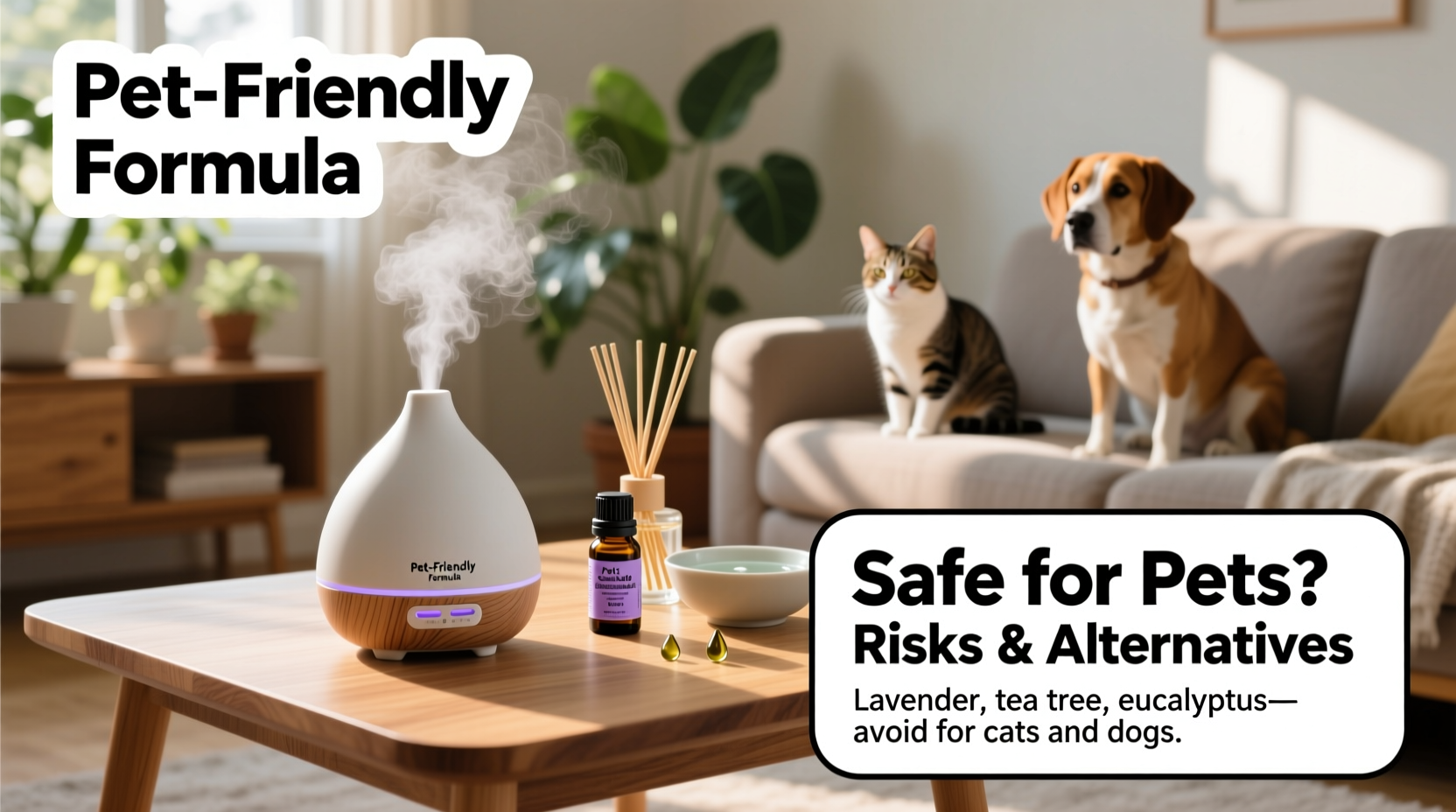
Pets metabolize chemicals differently than humans. Cats, for example, lack certain liver enzymes (specifically glucuronyl transferase) needed to break down phenols and terpenes—common components in essential oils like eucalyptus, tea tree, and citrus. This makes them especially vulnerable to poisoning even at low exposure levels.
Dogs, while more resilient than cats, still face risks from inhalation or skin contact with essential oils. Their olfactory systems are significantly more sensitive, meaning strong scents can overwhelm them and lead to respiratory distress. Birds are among the most susceptible due to their highly efficient respiratory systems, which absorb airborne particles rapidly. Even brief exposure to diffused oils can cause severe breathing difficulties or sudden death in avian species.
The method of diffusion also plays a role. Ultrasonic diffusers release fine mist particles containing oil into the air, increasing the risk of inhalation. Nebulizing diffusers, which disperse pure oil without water, are even more concentrated and therefore more dangerous in pet-inhabited spaces.
“Many essential oils considered safe for humans are potentially lethal for pets, especially when used in enclosed spaces with poor ventilation.” — Dr. Linda Simon, Veterinary Consultant and Animal Health Writer
Oils That Are Especially Harmful to Pets
Not all essential oils are equally dangerous, but several commonly used varieties are known to cause toxicity in animals. The following table outlines high-risk oils and the symptoms they may trigger:
| Essential Oil | Pet Most at Risk | Common Symptoms of Exposure |
|---|---|---|
| Tea Tree (Melaleuca) | Cats, Dogs | Vomiting, lethargy, muscle tremors, inability to stand |
| Eucalyptus | All pets, especially birds | Coughing, labored breathing, drooling, seizures |
| Peppermint | Cats, small dogs | Respiratory irritation, gastrointestinal upset, low heart rate |
| Lavender (in high concentrations) | Cats | Skin irritation, vomiting, reduced appetite |
| Citrus (Lemon, Orange, Grapefruit) | Cats, birds | Liver damage, photosensitivity, respiratory distress |
| Pine, Cinnamon, Clove | All pets | Mouth ulcers, liver failure, chemical burns |
Even oils marketed as “natural” or “calming” should be treated with caution. For instance, while lavender is often used for relaxation, its linalool and linalyl acetate compounds can accumulate in feline systems and lead to toxicity over time.
Tip: Never apply essential oils directly to your pet’s fur or skin, and avoid using diffusers in rooms where pets spend most of their time.Recognizing Signs of Essential Oil Poisoning
If your pet has been exposed to diffused essential oils, watch for early warning signs. Symptoms can appear within minutes or take several hours depending on concentration and species.
- Drooling or foaming at the mouth
- Pawing at the face or nose
- Coughing, sneezing, or wheezing
- Lethargy or uncoordinated movement
- Vomiting or diarrhea
- Tremors or seizures
- Low body temperature or heart rate
In birds, signs may include fluffed feathers, rapid breathing, or sudden collapse. If any of these symptoms occur, remove your pet from the area immediately, provide fresh air, and contact your veterinarian or an emergency animal poison control hotline such as the ASPCA Animal Poison Control Center (888-426-4435).
Pet-Safe Alternatives to Essential Oil Diffusers
You don’t need to sacrifice a fresh-smelling home to keep your pets safe. Several non-toxic, natural alternatives can provide gentle fragrance without the risks associated with essential oils.
1. Simmer Pots with Fresh Ingredients
Boil slices of orange, lemon, cinnamon sticks, cloves, or rosemary in water on the stove. This releases a mild, aromatic steam that dissipates quickly and doesn’t linger in the air like diffused oils. Turn off the heat when you leave the house or go to sleep.
2. Baking Soda Air Fresheners
Create DIY odor absorbers by placing baking soda in small bowls and adding a few drops of pet-safe extracts like vanilla or almond (not essential oils). Cover with foil and poke holes in the top. These work well in litter boxes, near pet beds, or in laundry areas.
3. Activated Charcoal Bags
Natural charcoal bags absorb odors and moisture without releasing any scent. Place them in pet crates, closets, or near food bowls. They’re reusable and require only occasional sun exposure to recharge.
4. Indoor Plants That Purify Air
Choose non-toxic houseplants such as spider plants, Boston ferns, or areca palms. These naturally filter indoor air and add humidity, improving overall air quality without posing a threat to pets.
5. Ventilation and Regular Cleaning
One of the most effective ways to keep your home smelling fresh is simple: open windows regularly and vacuum frequently. Eliminating odor sources—like dirty bedding or tracked-in mud—is far safer than masking smells with fragrances.
“The safest air freshener for a pet-friendly home is clean air. Dilution through ventilation beats any artificial scent.” — Dr. Jennifer Coates, DVM and Pet Health Advocate
Step-by-Step Guide to Making Your Home Fragrance-Safe for Pets
If you currently use essential oil diffusers and want to transition to a pet-safe approach, follow this practical timeline:
- Week 1: Audit Your Current Products
Check labels on all diffusers, sprays, and cleaning products. Identify those containing essential oils or synthetic fragrances. Make a list of high-risk items. - Week 2: Remove High-Risk Items
Discontinue use of diffusers in shared living spaces. Store essential oils securely out of reach, preferably in a closed cabinet away from pets. - Week 3: Introduce Safer Alternatives
Start using simmer pots, baking soda bowls, or charcoal bags in key areas like the kitchen, bathroom, and pet zones. - Week 4: Improve Air Circulation
Open windows daily, use exhaust fans, and consider investing in a HEPA air purifier to reduce allergens and odors without chemicals. - Ongoing: Monitor Your Pet’s Behavior
Observe for changes in breathing, energy levels, or grooming habits. A sudden shift could indicate environmental sensitivities.
Real-Life Example: A Cat Owner’s Close Call
Sarah, a cat owner from Portland, began using a lavender-scented diffuser to help her sleep better. Within two days, her 3-year-old cat, Luna, became unusually lethargic and started drooling excessively. She found Luna lying unsteadily near the diffuser. After rushing her to the vet, Sarah learned that even intermittent exposure to diffused lavender oil had caused mild chemical toxicity. The vet advised immediate discontinuation and supportive care. Luna recovered after 48 hours but required monitoring for liver function. Since then, Sarah switched to opening windows and using cotton balls with a drop of vanilla extract in discreet areas—never in rooms Luna frequents.
This case highlights how quickly problems can arise—even with oils perceived as gentle—and why vigilance is essential.
Checklist: Creating a Pet-Friendly Scent Strategy
- ✅ Stop using essential oil diffusers in rooms pets occupy
- ✅ Read labels on all cleaning and air freshening products
- ✅ Choose fragrance-free or plant-based cleaners
- ✅ Use stove-top simmer pots instead of electric diffusers
- ✅ Place activated charcoal bags in pet areas
- ✅ Add air-purifying houseplants (ensure they’re non-toxic)
- ✅ Increase ventilation by opening windows or using fans
- ✅ Consult your vet before introducing any new scent product
Frequently Asked Questions
Can I ever use essential oils around my pets?
It’s best to avoid them entirely, especially in multi-pet households. If you choose to use oils, do so in a room your pet never enters, ensure excellent ventilation, and limit sessions to under 15 minutes. Never use oils near birds or reptiles.
Are reed diffusers safer than ultrasonic ones?
Reed diffusers release fewer airborne particles, but the oils can still evaporate into the air and pose risks. Additionally, curious pets may knock them over and ingest the liquid, which is highly concentrated and dangerous. Safer alternatives are recommended.
What if my pet licks an essential oil residue?
Immediate veterinary attention is necessary. Ingestion—even in small amounts—can lead to vomiting, neurological symptoms, or liver damage, particularly in cats. Do not induce vomiting unless instructed by a professional.
Conclusion
Your home should be a sanctuary for both you and your pets. While essential oil diffusers offer undeniable benefits for human wellness, their risks to animals are too significant to ignore. By understanding how these oils affect different species and choosing safer alternatives, you can maintain a fresh, inviting atmosphere without endangering your furry, feathered, or scaled companions.
Small changes—like switching to simmer pots, improving airflow, or using natural odor absorbers—can make a big difference in your pet’s long-term health. Start today by evaluating your current routine and making one pet-safe swap. Your animals may not be able to tell you how much they appreciate it, but their steady breaths, bright eyes, and playful energy will say it all.
💬 Have you made the switch to pet-safe scents? Share your experience or ask questions in the comments—your story could help another pet owner avoid a dangerous mistake.








