Essential oil diffusers have surged in popularity for their calming scents, mood-enhancing benefits, and natural air-purifying qualities. From lavender to eucalyptus, many households use them daily to create a serene atmosphere. But for pet owners, a critical question arises: are these aromatic devices truly safe around cats, dogs, birds, and other household animals?
The answer isn’t straightforward. While essential oils can offer therapeutic benefits to humans, they pose significant risks to pets due to differences in metabolism, respiratory sensitivity, and grooming behaviors. What smells pleasant to us may be overwhelming—or even toxic—to our animal companions.
Understanding the science behind how pets process volatile compounds, which oils are most dangerous, and how to use diffusers responsibly is vital for maintaining a safe home environment. Ignoring these factors could turn a wellness ritual into a hidden hazard.
Why Pets Are More Vulnerable to Essential Oils
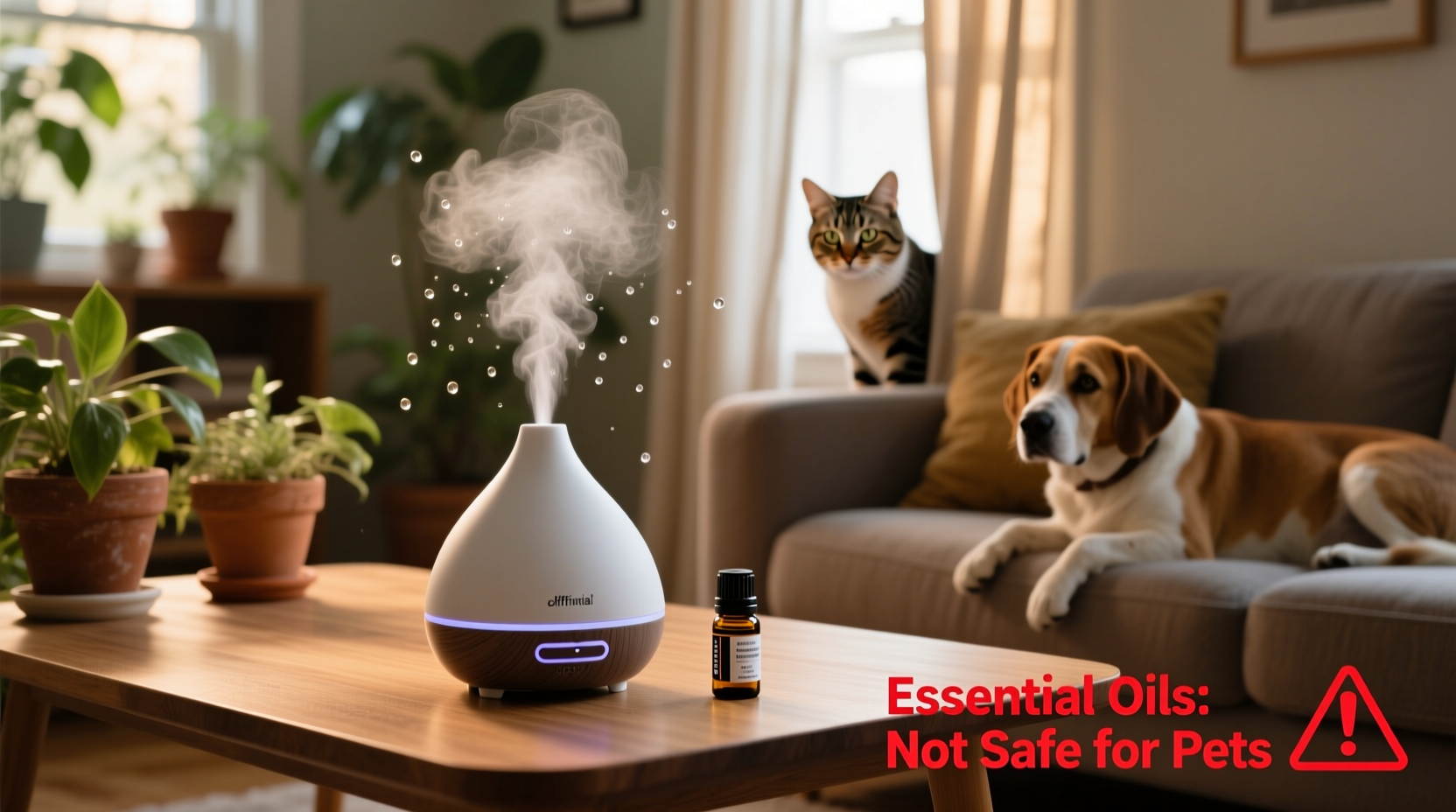
Animals process chemicals differently than humans. Their livers lack certain enzymes that help break down aromatic compounds, making them more susceptible to toxicity. Cats, in particular, are highly sensitive because they have low levels of glucuronyl transferase—an enzyme crucial for metabolizing phenols found in many essential oils.
Dogs, while slightly more resilient, still face risks, especially when exposed to high concentrations or over long durations. Birds have extremely delicate respiratory systems; even brief exposure to diffused oils can lead to respiratory distress or fatal lung damage. Small mammals like rabbits, guinea pigs, and hamsters also react poorly to airborne irritants.
Additionally, pets often groom themselves, inadvertently ingesting oils that settle on their fur. A cat lying near a diffuser may inhale concentrated vapors and later lick its coat, introducing toxins directly into its system.
“Many essential oils are metabolized through pathways that pets either lack or have in limited capacity. This makes them far more vulnerable than humans.” — Dr. Sarah Wooten, DVM, Veterinary ConsultantTip: Always diffuse in a well-ventilated area and never leave the diffuser running unattended or overnight if pets are present.
Toxic vs. Safer Essential Oils for Pets
Not all essential oils are equally dangerous. Some are outright toxic, while others may be used with extreme caution under veterinary guidance. The following table outlines common oils and their safety profiles around household pets.
| Oil Type | Safety for Cats | Safety for Dogs | Safety for Birds | Notes |
|---|---|---|---|---|
| Tea Tree (Melaleuca) | ❌ Highly Toxic | ⚠️ Risky (skin & ingestion) | ❌ Dangerous | Linked to neurological symptoms and liver damage. |
| Eucalyptus | ❌ Toxic | ⚠️ Irritating | ❌ Extremely Hazardous | Respiratory distress common; avoid completely. |
| Lavender | ⚠️ Caution (low concentration only) | ✅ Low risk (well-diluted) | ❌ Not recommended | Contains linalool; safer than most but still risky for cats. |
| Peppermint | ❌ Toxic | ⚠️ Avoid diffusion | ❌ Harmful | Can cause aspiration pneumonia in small animals. |
| Chamomile (Roman) | ⚠️ Mild caution | ✅ Generally safe (diluted) | ❌ Not advised | One of the gentler options, but still not for birds. |
| Lemon / Citrus Oils | ❌ Toxic (limonene) | ⚠️ Skin irritation possible | ❌ Unsafe | Citrus oils are phototoxic and hepatotoxic to cats. |
| Frankincense | ⚠️ Use sparingly | ✅ Low risk (diffused) | ❌ Avoid | One of the few acceptable options with ventilation. |
This table highlights a key point: no essential oil is universally safe for all pets. Birds and cats are the most vulnerable, so extra vigilance is required when using any diffuser in homes where they live.
Real-Life Scenario: When Aromatherapy Went Wrong
In Colorado, a family introduced a lavender and tea tree oil diffuser into their living room to help with stress relief. Their two indoor cats began showing signs of lethargy, drooling, and tremors within 48 hours. One cat was hospitalized with elevated liver enzymes and diagnosed with essential oil toxicity.
Veterinarians traced the issue back to the diffuser. Despite being labeled “natural” and “calming,” the combination of oils—especially tea tree—had overwhelmed the cats’ livers. Even though the diffuser was used only two hours a day, residual particles lingered on surfaces and fur, leading to chronic low-level exposure.
The family discontinued use immediately and improved ventilation. Both cats recovered after supportive care, but the experience underscored how easily well-intentioned wellness practices can endanger pets.
Tip: If your pet shows signs of distress—lethargy, difficulty breathing, drooling, or tremors—shut off the diffuser and seek veterinary help immediately.How to Use Diffusers Safely Around Pets: A Step-by-Step Guide
If you choose to use an essential oil diffuser in a home with pets, follow this practical sequence to minimize risk:
- Choose pet-safe oils only. Stick to mild, non-toxic options like diluted frankincense or chamomile, and avoid blends containing phenols or terpenes.
- Diffuse in short intervals. Limit sessions to 15–30 minutes once or twice a day, rather than continuous use.
- Ensure excellent ventilation. Open windows or use fans to disperse vapors quickly and reduce concentration.
- Place the diffuser out of reach. Keep it in a room pets cannot access, or elevate it securely where curious noses can’t get too close.
- Observe your pet’s behavior. Watch for signs of discomfort: sneezing, coughing, pawing at the face, or hiding. These may indicate irritation.
- Never apply oils topically without vet approval. Even “safe” oils can be harmful if applied to skin or fur.
- Consult your veterinarian. Especially if your pet has pre-existing conditions like asthma, liver disease, or allergies.
For multi-pet households, consider scheduling diffusing times when animals are confined to another part of the house. After diffusion, wait at least 2–3 hours before allowing pets back into the room to ensure full dispersion of particles.
Pet-Safe Alternatives to Essential Oil Diffusers
You don’t have to give up a pleasant-smelling home to keep your pets safe. Several alternatives provide ambiance without the risks:
- Passive reed diffusers – Use lower-volatility liquids and release scent slowly. Still, avoid placing them where pets might knock them over or chew the reeds.
- Baking soda + essential-free scents – Simmer citrus peels, cinnamon sticks, or vanilla in water for a natural, non-toxic aroma.
- Activated charcoal or odor-absorbing gels – Neutralize odors without adding fragrance.
- Houseplants – Certain plants like peace lilies or spider plants naturally purify air (ensure they’re non-toxic to pets).
- Himalayan salt lamps – May reduce airborne allergens and add warm lighting without emissions.
These methods offer sensory comfort without exposing pets to volatile organic compounds (VOCs) that can trigger respiratory issues or systemic toxicity.
Frequently Asked Questions
Can I use a diffuser if my cat is in another room?
Only if the rooms are fully sealed and independently ventilated. Most homes have open airflow, meaning vapors will eventually circulate. It’s safest to avoid diffusion entirely if your cat lives with you, especially if they roam freely.
Are ultrasonic diffusers safer than nebulizing ones?
Ultrasonic diffusers produce a cooler mist and generally disperse oils at lower concentrations, which may reduce immediate irritation. However, both types release microscopic particles into the air, so neither is inherently safe for pets. The key factor is oil type and exposure duration, not diffuser technology.
What should I do if my pet licks an essential oil?
Do not induce vomiting unless directed by a veterinarian. Wipe the mouth with a damp cloth and contact your vet or the ASPCA Animal Poison Control Center immediately. Bring the oil bottle for ingredient identification.
Essential Safety Checklist for Pet Owners
Before turning on your diffuser, run through this checklist to protect your pets:
- ✅ Confirm the essential oil is not on the toxic list (e.g., tea tree, eucalyptus, citrus).
- ✅ Ensure pets are not in the same room during diffusion.
- ✅ Limit diffusion time to under 30 minutes.
- ✅ Open windows or use fans for airflow.
- ✅ Monitor pets closely after use for any adverse reactions.
- ✅ Store oils securely in closed cabinets, away from curious paws.
- ✅ Have your vet’s number and the ASPCA Poison Control hotline (888-426-4435) saved in your phone.
“The assumption that ‘natural equals safe’ is one of the biggest misconceptions in pet care. Essential oils are potent plant extracts—treat them like medicine, not just perfume.” — Dr. Jennifer Coates, DVM, Veterinary Advisor
Conclusion: Balancing Wellness and Pet Safety
Essential oil diffusers can enhance well-being, but their use in homes with pets requires careful consideration. For animals, especially cats and birds, these devices can become silent threats. The invisible mist carries compounds that their bodies aren’t equipped to handle, potentially leading to serious health consequences.
That doesn’t mean you must eliminate aromatherapy altogether. With informed choices—selecting safer oils, limiting exposure, improving ventilation, and observing your pets—you can enjoy subtle scents without compromising their safety.
The best approach is precaution first. When in doubt, opt for fragrance-free air quality solutions. Your pet’s health is non-negotiable, and a moment of relaxation shouldn’t come at their expense.
🚀 Take action today: Review your current diffuser routine, check your oil labels, and create a pet-safe plan. Share this information with fellow pet owners—it could prevent a tragedy.








