Birds are among the most sensitive pets when it comes to airborne substances. Their highly efficient respiratory systems allow for superior oxygen exchange but also make them vulnerable to toxins, fumes, and fine particles in the air. As essential oil diffusers grow in popularity for their calming scents and purported wellness benefits, pet owners—especially bird caregivers—are asking a critical question: Are these devices safe around birds? Veterinarians who specialize in avian medicine have clear warnings, and understanding the science behind avian respiration is key to making informed decisions.
Unlike mammals, birds have rigid lungs connected to a network of air sacs that extend throughout their bodies. This system allows for continuous airflow and high metabolic efficiency, but it also means they absorb airborne chemicals more rapidly and completely than humans or dogs. Even small amounts of volatile organic compounds (VOCs) from essential oils can accumulate quickly in their systems, potentially leading to respiratory distress, neurological symptoms, or sudden death.
Why Birds Are Uniquely Vulnerable to Airborne Toxins
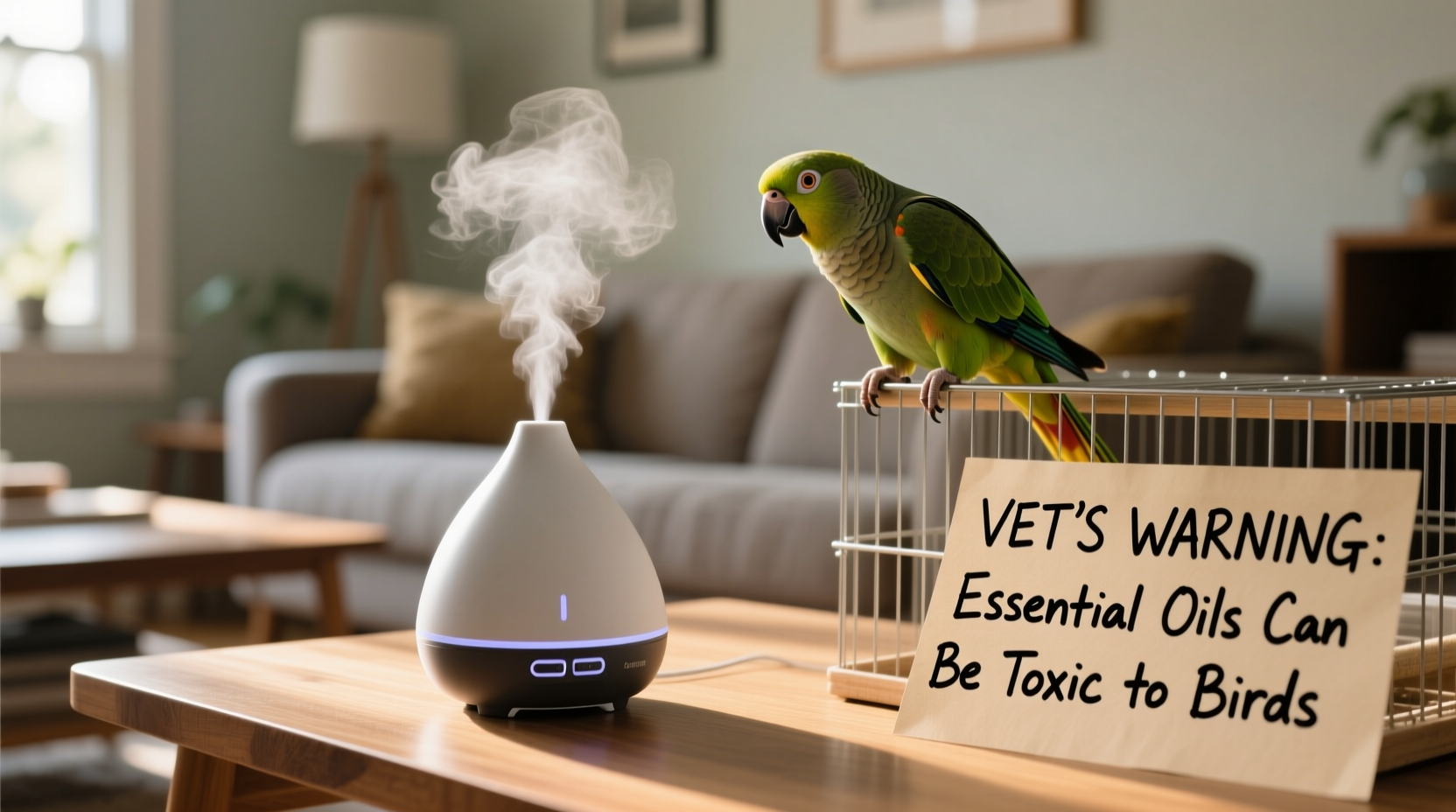
Their evolutionary design makes birds exceptionally efficient at extracting oxygen, but this advantage becomes a liability in polluted environments. In homes, sources like aerosol sprays, non-stick cookware fumes, cigarette smoke, and cleaning products pose serious threats. Essential oil diffusers add another layer of risk because they release microscopic oil droplets into the air—particles small enough to penetrate deep into a bird’s delicate lung tissue and air sacs.
Many essential oils contain compounds such as phenols, terpenes, and ketones, which are naturally irritating to mucous membranes. While these may be harmless or even beneficial to humans in diluted forms, they can trigger inflammation, labored breathing, or chemical pneumonia in birds. Species like budgies, cockatiels, and lovebirds—common household pets—are particularly susceptible due to their small size and fast metabolism.
“Birds don’t just breathe the air—they live inside it. What might seem like a mild scent to us can overwhelm their respiratory system in minutes.” — Dr. Laura Jenkins, DVM, Avian Medicine Specialist
Common Essential Oils That Pose Risks to Birds
Not all essential oils are equally dangerous, but many commonly used ones should be avoided entirely in homes with birds. The following table outlines frequently diffused oils and their associated risks:
| Essential Oil | Potential Risks to Birds | Safe Alternatives? |
|---|---|---|
| Tea Tree (Melaleuca) | Neurotoxicity, respiratory irritation, liver damage | No – avoid use near birds |
| Eucalyptus | Respiratory depression, coughing, lethargy | No – strong irritant |
| Lavender | Mild sedation; prolonged exposure may cause distress | Cautious use only in separate, well-ventilated rooms |
| Peppermint | Airway constriction, panting, hyperactivity | No – too stimulating and irritating |
| Lemon / Citrus Oils | Limonene toxicity, liver stress, feather picking | No – avoid diffusion |
| Frankincense | Generally low risk if used sparingly | Possible with extreme caution and no direct exposure |
Even oils labeled “safe” or “natural” are not inherently bird-safe. The method of dispersion matters significantly. Cold-air diffusers (ultrasonic or nebulizing) create fine mists that linger in the air and are easily inhaled. Heat-based diffusers may alter chemical structures, sometimes increasing toxicity. Topical application on human skin can also transfer oils through contact, especially during cuddling or handling.
Tip: Never diffuse essential oils in the same room where birds are housed—even intermittent use can lead to cumulative damage.Veterinary Guidelines for Bird Owners Using Diffusers
Avian veterinarians consistently recommend erring on the side of caution. Most agree that essential oil diffusers should not be used in homes with pet birds unless strict protocols are followed. The following checklist reflects current veterinary consensus:
- Avoid all diffusers in rooms occupied by birds. This includes living rooms, bedrooms, or any space where birds spend time.
- Ensure complete separation. If diffusing elsewhere in the home, close doors tightly and use HVAC settings to prevent air circulation between zones.
- Limit duration and frequency. Short-term, occasional use is less risky than daily diffusion.
- Choose safer methods of scenting. Simmer pots with herbs (e.g., rosemary, cinnamon sticks) offer fragrance without aerosolized oils.
- Monitor birds closely. Signs of respiratory distress include tail bobbing, wheezing, open-mouth breathing, or decreased activity.
- Consult your avian vet before introducing any new product. Even “bird-safe” claims should be verified medically.
Step-by-Step: How to Use Essential Oils Safely in a Multi-Pet Household
- Assess your bird’s environment. Identify where your bird spends most of its time and ensure it has clean, filtered air.
- Designate a diffuser-free zone. Make the bird’s room completely off-limits to diffusers, candles, incense, and sprays.
- Use mechanical barriers. Close doors and turn off central fans or vents that could carry mist into the bird’s space.
- Diffuse only when the bird is absent. For example, use oils while at work or in another part of the house—but never when the bird is present.
- Ventilate thoroughly afterward. Open windows and run exhaust fans for at least 30–60 minutes before allowing the bird back into the area.
- Observe for delayed reactions. Some birds show symptoms hours after exposure due to lingering residues on surfaces or in air filters.
Real-Life Case: When Aromatherapy Went Wrong
In 2021, a parakeet owner in Portland reported her two budgies suddenly becoming listless and struggling to breathe after she began using a lavender and eucalyptus blend in her bedroom diffuser each evening. Though the cage was in an adjacent room, the shared HVAC system circulated the mist throughout the apartment. Within 48 hours, one bird died; the other survived after emergency oxygen therapy and hospitalization.
Dr. Alan Reyes, the attending veterinarian, noted: “The necropsy revealed significant inflammation in the air sacs consistent with chemical inhalation. Lavender is often considered mild, but combined with forced air circulation, it became toxic at the cellular level.”
This case underscores how easily risk can be underestimated. The owner had researched “bird-safe” oils and believed she was being cautious. However, environmental factors like airflow, concentration, and duration of exposure were overlooked—elements that veterinarians emphasize as critical.
Safer Alternatives to Essential Oil Diffusers
For those seeking natural ambiance or mood-enhancing scents, several bird-friendly options exist:
- Beeswax candles: Produce negative ions that help purify air without releasing synthetic fragrances.
- Fresh herbs: Place rosemary, mint, or thyme in bowls around the home for subtle, non-aerosolized aroma.
- Open windows: Natural ventilation improves indoor air quality and reduces reliance on artificial scents.
- Indoor plants: Spider plants, peace lilies, and Boston ferns naturally filter air and add freshness.
- Non-toxic room sprays: Products made with distilled water and food-grade extracts (like vanilla) can be used sparingly and far from birds.
It’s important to note that even these alternatives should be introduced gradually. Birds can react negatively to strong odors regardless of toxicity, so observe behavior closely when trying new scents.
FAQ: Common Questions About Essential Oils and Birds
Can I ever use essential oils if I have a bird?
Yes, but only with extreme caution. Topical use on your own skin is generally low-risk if you wash hands before handling your bird and avoid close facial contact afterward. Never apply oils directly to a bird, and avoid diffusing altogether unless the bird is in a fully isolated, ventilated space.
What are the first signs of essential oil toxicity in birds?
Early symptoms include sneezing, watery eyes, tail bobbing (a sign of labored breathing), fluffed feathers, lethargy, and reduced vocalization. In severe cases, birds may experience seizures, loss of balance, or sudden collapse. Immediate veterinary care is critical.
Are reed diffusers safer than ultrasonic ones?
Reed diffusers release fewer airborne particles, making them less immediately hazardous than ultrasonic models. However, they still emit volatile compounds over time, which can accumulate in enclosed spaces. They are not considered safe for rooms housing birds.
Expert Consensus: What Avian Vets Recommend
A 2023 survey conducted by the Association of Avian Veterinarians found that 94% of respondents advise clients to avoid essential oil diffusers entirely in homes with birds. Only 6% said limited, controlled use might be acceptable under specific conditions—such as when birds are kept in a separate building or when diffusers are used outdoors.
“The margin for error is extremely narrow. We’ve seen healthy birds die within hours of exposure to diffused oils. Until we have better data on long-term low-dose effects, avoidance is the only truly safe approach.” — Dr. Nadia Patel, DVM, Director of the Avian & Exotic Clinic of Atlanta
Veterinarians also warn against relying on anecdotal evidence. Just because a bird hasn’t shown immediate symptoms doesn’t mean damage isn’t occurring. Chronic low-level exposure can lead to subclinical respiratory disease, weakened immunity, and shortened lifespan.
Final Thoughts: Prioritizing Bird Safety Over Scent Preference
The desire for a pleasant-smelling home is understandable, but it must be balanced against the health and safety of vulnerable pets. Birds do not have the ability to leave a harmful environment—they depend entirely on their caregivers to provide clean, safe air. While essential oil diffusers offer benefits to humans, those benefits come with unacceptable risks when birds are present.
If you choose to use essential oils, treat your bird’s space like an intensive care unit: free from aerosols, chemicals, and unfiltered air. Consider investing in an air purifier with a HEPA and carbon filter to reduce indoor pollutants. Above all, consult your avian veterinarian before introducing any new product into your home environment.
💬 Your bird trusts you with its life. Share this information with fellow bird owners and help spread awareness about the hidden dangers of essential oil diffusers. Have questions or experiences to share? Leave a comment below.








