
Birds are among the most sensitive pets when it comes to airborne substances. Their highly efficient respiratory systems allow for rapid oxygen exchange but also make them vulnerable to environmental toxins. As essential oil diffusers grow in popularity for their calming scents and therapeutic benefits, many bird owners face a critical question: Are these devices safe around birds—or do they pose a serious health risk?
The short answer is that most essential oil diffusers can be dangerous for birds. While not all oils or diffusion methods carry equal risk, the potential for harm is significant enough that caution must be exercised. This article explores the science behind avian respiration, identifies high-risk essential oils, outlines safer alternatives, and provides practical steps for coexisting safely with both birds and aromatherapy.
Why Birds Are Especially Vulnerable to Airborne Toxins
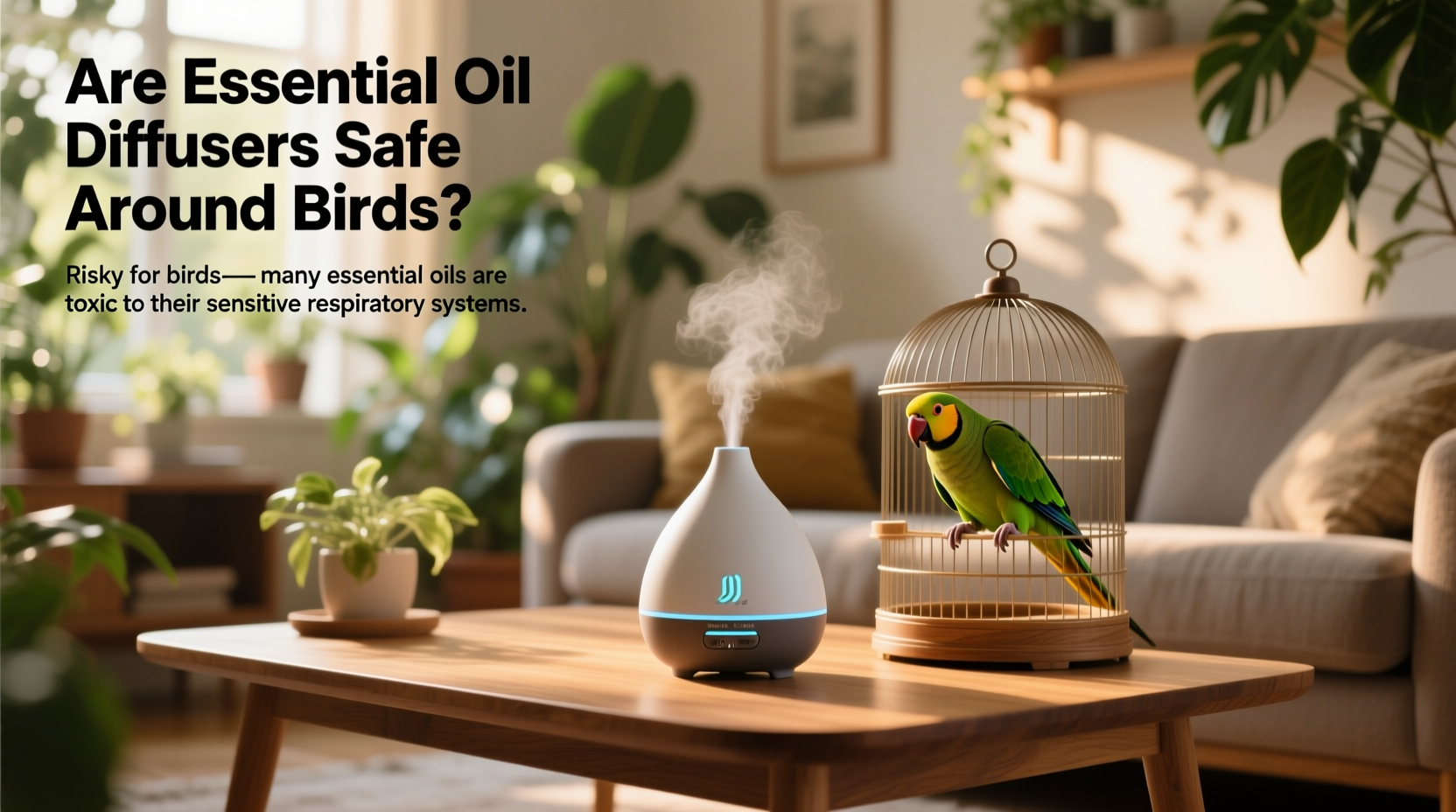
Birds have one of the most efficient respiratory systems in the animal kingdom. Unlike mammals, which rely on a two-way airflow through the lungs, birds use a unidirectional system supported by air sacs. This allows for continuous oxygen flow during both inhalation and exhalation—ideal for flight but extremely sensitive to airborne pollutants.
Airborne particles, including essential oil droplets from ultrasonic diffusers, can settle deep within a bird’s lungs and air sacs. Because birds breathe faster than humans—some small species take over 100 breaths per minute—they inhale proportionally more vaporized substances in less time. Even low concentrations of certain oils can lead to respiratory distress, neurological symptoms, or sudden death.
“Birds don’t show signs of illness until they’re already severely compromised. By the time you notice labored breathing or lethargy, damage may already be irreversible.” — Dr. Laura Wade, Avian Veterinarian, DVM
Their lack of a diaphragm and limited ability to cough or expel irritants further increases vulnerability. Additionally, essential oils often contain volatile organic compounds (VOCs) that can trigger oxidative stress in delicate lung tissues.
Essential Oils That Pose the Highest Risk to Birds
Not all essential oils are equally harmful, but many commonly used ones are toxic when aerosolized near birds. The danger depends on concentration, exposure duration, and delivery method. Below is a list of oils known to be particularly hazardous:
- Eucalyptus – Contains cineole, a potent respiratory irritant.
- Tea Tree (Melaleuca) – Can cause ataxia, tremors, and liver damage.
- Pine – High levels of phenols that overwhelm avian detox pathways.
- Cinnamon – Strongly irritating to mucous membranes and airways.
- Peppermint – Volatile menthol can induce bronchoconstriction.
- Lavender – Often considered “safe” but still poses risk in concentrated, diffused form.
- Citrus oils (lemon, orange, grapefruit) – Limonene content can be neurotoxic in high doses.
Even oils labeled as \"natural\" or \"therapeutic grade\" are not inherently safe for birds. In fact, purity often means higher potency—and greater risk.
Diffuser Types and Their Relative Risks
Different diffusers disperse oils in distinct ways, affecting how much reaches a bird’s respiratory system. Understanding these differences helps assess risk levels.
| Diffuser Type | How It Works | Risk Level for Birds | Notes |
|---|---|---|---|
| Ultrasonic/Cool Mist | Uses water and vibration to create a fine mist of oil and water | High | Mist lingers in air and settles on feathers/skin; most common household type |
| Nebulizing/Air Pump | Atomizes pure oil into micro-particles without water | Very High | Releases highest concentration of undiluted oil; extremely hazardous |
| Heat Diffuser | Warms oil to release fragrance | Moderate to High | Alters chemical composition; fumes still airborne and potentially toxic |
| Evaporative (fan-based) | Blows air over oil-soaked pad or reeds | Moderate | Less persistent mist, but continuous exposure possible |
| Reed Diffusers | Oil travels up reeds and evaporates passively | Low to Moderate | Slower release, but still introduces VOCs into environment |
Even intermittent or room-specific use can endanger birds due to air circulation via HVAC systems. A diffuser operating in a living room may affect a bird housed in a bedroom down the hall.
Real-Life Case: How a Lavender Diffuser Nearly Killed a Parakeet
Sarah M., a parrot owner from Portland, began using a lavender-scented ultrasonic diffuser in her bedroom to help with sleep. Her budgie, Pip, lived in a cage in an adjacent room with the door open. Within two days, Pip became quiet, fluffed up, and stopped eating.
She rushed him to an emergency avian vet. After examination and blood work, the diagnosis was early-stage respiratory inflammation consistent with essential oil exposure. The vet emphasized that even mild oils like lavender can accumulate in confined spaces and overwhelm small birds.
With oxygen therapy and anti-inflammatory treatment, Pip recovered—but Sarah now keeps all diffusers in a separate part of the house and uses only non-oil alternatives when Pip is present.
This case highlights how subtle exposure can lead to severe outcomes. Symptoms often appear too late for preventive action.
Safe Alternatives to Essential Oil Diffusers
For bird owners who enjoy pleasant scents or natural wellness support, several safer options exist:
- Ventilation – Open windows or use fans to circulate fresh air naturally.
- Baking Soda Bowls – Place bowls of baking soda around the home to absorb odors without releasing vapors.
- Fresh Herbs – Display sprigs of rosemary, mint, or thyme in vases—no diffusion needed.
- Beeswax Candles – Burn cleanly and produce negative ions that purify air (use only when bird is not in the room).
- Houseplants – Spider plants, peace lilies, and Boston ferns naturally filter indoor air.
Step-by-Step Guide: Making Your Home Safe for Birds and Scent Lovers
If you're committed to both bird care and home wellness practices, follow this timeline to minimize risk:
- Week 1: Audit Your Current Routine
- List all essential oils and diffusers in your home.
- Note locations where birds spend time versus where diffusers operate.
- Check HVAC airflow patterns—can scented air reach bird areas?
- Week 2: Eliminate High-Risk Products
- Dispose of or store away eucalyptus, tea tree, pine, and cinnamon oils.
- Replace nebulizing and ultrasonic diffusers with passive alternatives if used near birds.
- Week 3: Create Zones
- Designate bird-safe rooms with zero diffusion.
- Use timers and physical barriers (closed doors) to prevent cross-contamination.
- Week 4: Introduce Safer Practices
- Switch to non-aerosol scent solutions like linen sprays (used when bird is absent).
- Install air purifiers with HEPA and activated carbon filters to reduce VOC buildup.
- Ongoing: Monitor Bird Behavior
- Watch for signs of respiratory distress: tail bobbing, wheezing, sneezing, or reduced vocalization.
- Schedule annual check-ups with an avian vet familiar with environmental toxicity.
FAQ: Common Questions About Essential Oils and Birds
Can I ever use essential oils if I have a pet bird?
Only under strict conditions and never in the same airspace. Some experienced avian caregivers use oils topically on themselves or in distant rooms with excellent ventilation, but even then, risks remain. Always consult your avian vet before introducing any new product.
Are there any essential oils that are completely safe around birds?
No essential oil is universally safe when diffused. Even oils like chamomile or frankincense, which are gentler for humans, can irritate avian airways when aerosolized. Safety depends on concentration, exposure time, and bird species.
What should I do if my bird is exposed to essential oils?
Immediately remove the source, open windows, and turn off HVAC systems to prevent spread. Monitor your bird closely for labored breathing, weakness, or changes in behavior. Contact an avian veterinarian immediately—even if symptoms seem mild. Early intervention can be life-saving.
Checklist: Bird-Safe Home Aromatics
- ✅ Use only non-toxic, non-volatile air fresheners (e.g., activated charcoal bags)
- ✅ Keep diffusers in rooms permanently off-limits to birds
- ✅ Run diffusers only when birds are not in the home or are securely isolated
- ✅ Install air purifiers with carbon filters to capture residual oils
- ✅ Choose unscented cleaning products and laundry detergents
- ✅ Educate family members and guests about bird sensitivity
- ✅ Post emergency vet contact info visibly near bird cages
“The safest essential oil around birds is no essential oil. Period. Their lives depend on the air quality we control.” — Dr. Karen Duncan, Board-Certified Avian Specialist
Conclusion: Prioritize Safety Over Scent
While essential oil diffusers offer undeniable appeal—from mood enhancement to odor control—their use around birds requires extreme caution. Given the fragility of avian respiratory systems, even well-intentioned wellness practices can become life-threatening.
Understanding the risks isn’t about fear-mongering—it’s about responsible pet ownership. You don’t have to give up aromatherapy entirely, but you must respect the boundaries that keep your bird alive and thriving.
Start today by evaluating your current setup. Remove high-risk oils, designate safe zones, and explore non-aerosol alternatives. Your bird may never understand what you’ve done for them, but their steady breathing, bright eyes, and joyful chirps will speak volumes.
💬 Have experience using essential oils safely around birds? Or did you learn the hard way? Share your story in the comments to help others protect their feathered friends.








