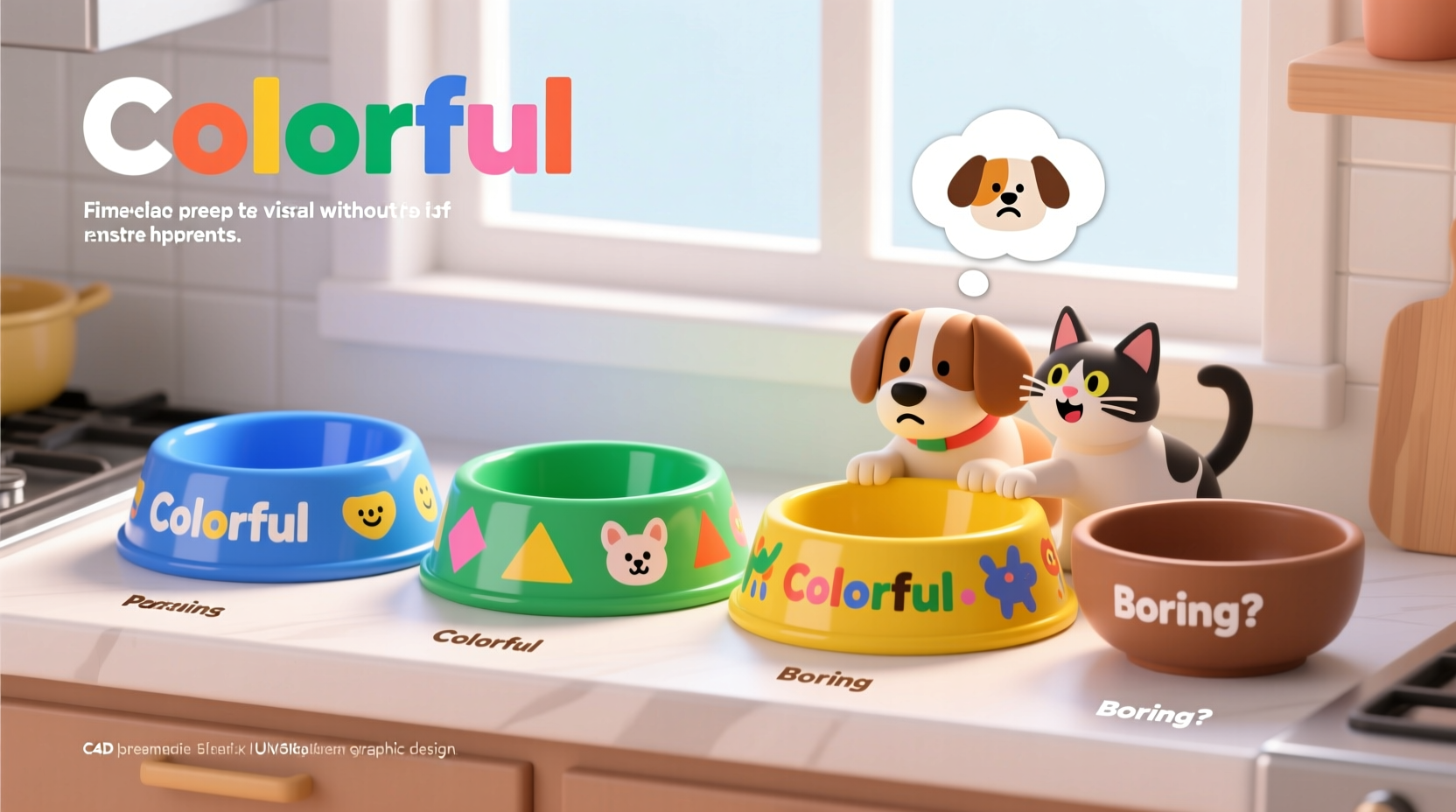
Pet owners today are faced with an explosion of choices when it comes to accessories—from collars to beds, toys to feeding bowls. One trend that’s caught on fast is the rise of brightly colored, patterned, and even artistic pet bowls. While these vibrant options add a pop of style to kitchens and mudrooms, many pet parents wonder: do colorful bowls actually benefit pets, or are they just aesthetic upgrades masking a lack of function? And is the classic brown ceramic or neutral stainless steel bowl truly “boring,” or simply underrated?
The answer isn’t as simple as picking a favorite color. It involves understanding animal behavior, material safety, visual perception in pets, and long-term usability. Let’s explore what lies beneath the surface of your pet’s dinnerware.
The Science of Color Perception in Pets
Before judging whether red, blue, or rainbow-striped bowls matter, it's essential to understand how pets see color. Contrary to the myth that dogs and cats see only in black and white, both species do perceive color—but differently than humans.
Dogs have dichromatic vision, meaning they primarily see shades of blue and yellow. Reds, oranges, and greens appear more muted or even grayish to them. For example, a bright red bowl may look brownish or dull to a dog. Cats also have limited color vision, leaning toward blues and greens, with difficulty distinguishing reds and pinks.
This biological reality suggests that while pets may not appreciate the full vibrancy of a neon green bowl, color can still play an indirect role—through contrast, owner preference, and environmental integration.
“While pets don’t experience color the way we do, high-contrast feeding setups can help older animals locate their food more easily.” — Dr. Lena Patel, Veterinary Behavior Specialist
Functional Benefits: Do Colors Affect Eating Habits?
There’s no scientific evidence that bowl color directly influences appetite or digestion in healthy pets. However, subtle psychological and behavioral factors come into play:
- Contrast matters for visibility: Older pets or those with vision impairments may benefit from bowls that contrast sharply with their food. For instance, a light gray kibble in a dark blue bowl is easier to see than in a beige ceramic one.
- Stress reduction through routine: Some pets develop strong associations with feeding time cues, including location, sound, and even the appearance of their bowl. Sudden changes (like switching from a familiar tan bowl to a fluorescent pink one) might cause hesitation in sensitive animals.
- Owner engagement improves care: When owners enjoy the aesthetics of pet gear, they’re more likely to clean regularly, replace worn items, and maintain consistent feeding routines.
Material Matters More Than Hue
While color grabs attention, the material of the bowl has far greater implications for pet health. The most common options—plastic, stainless steel, ceramic, and silicone—vary significantly in hygiene, durability, and safety.
| Material | Pros | Cons | Best Color Considerations |
|---|---|---|---|
| Plastic | Inexpensive, lightweight, available in many colors | Scratches easily, harbors bacteria, may contain BPA | Bright colors may hide stains less effectively over time |
| Stainless Steel | Durable, non-porous, dishwasher-safe, hygienic | Can be noisy, may dent if dropped | Color doesn't apply; finish (matte vs. polished) affects glare |
| Ceramic | Heavy (less tipping), attractive finishes, microwave-safe options | Can chip or crack, heavier to move | Glazed colors vary in lead content—choose certified non-toxic brands |
| Silicone | Foldable, lightweight, often used as travel bowls | Less stable, may absorb odors if low quality | Bright colors aid visibility outdoors or in dim areas |
Notably, darker bowls—whether brown, navy, or black—tend to show fewer food residue streaks than lighter ones, especially after wet food meals. But this is a cleaning convenience, not a health advantage.
Real-World Example: A Case of the Picky Eater
Sarah, a pet owner in Portland, noticed her 7-year-old rescue dog, Milo, had started avoiding his food bowl. She assumed he was unwell until she recalled swapping his old beige stainless steel bowl for a sleek turquoise one the week before. On a hunch, she placed the original bowl beside the new one with identical food. Milo ate immediately from the old bowl.
After consulting her vet, Sarah learned that while color wasn’t the direct issue, the combination of glossiness, reflection, and unfamiliar shape contributed to Milo’s hesitation. Switching to a matte-finish, medium-depth bowl in a soft blue—one that minimized glare but still offered contrast—resolved the issue.
This scenario illustrates that while color alone rarely causes problems, it can be part of a sensory equation involving light, texture, and familiarity.
Checklist: Choosing the Right Bowl for Your Pet
Before selecting based on color, run through this practical checklist:
- ✅ Is the material safe and non-toxic? (Look for BPA-free, lead-free certifications)
- ✅ Is the bowl height appropriate for your pet’s size? (Especially important for large breeds or pets with neck issues)
- ✅ Does it resist tipping? (Wide base or non-slip bottom preferred)
- ✅ Can it be cleaned thoroughly? (Avoid materials with porous surfaces)
- ✅ Does the interior surface allow easy visibility of food? (Light-colored interiors help monitor cleanliness)
- ✅ Is the color finish durable? (Cheap paint on ceramic can chip and become a contamination risk)
Is Brown Really Boring?
Brown, beige, and other earth-toned bowls often get dismissed as dull compared to electric purple or confetti-patterned designs. But neutrality has its advantages.
These colors tend to blend into home decor rather than clash. They’re less likely to show wear, fading, or staining over time. Many high-end veterinary clinics and boarding facilities use neutral-colored stainless steel or ceramic bowls—not because they lack creativity, but because functionality and sanitation take priority.
Moreover, pets don’t judge their owners’ taste. A well-maintained brown bowl that’s cleaned daily and replaced when worn is infinitely better than a flashy rainbow bowl left crusted with old food.
Calling brown “boring” reflects human aesthetics, not pet needs. In fact, some experts suggest overly stimulating environments—including extremely bright accessories—can contribute to mild stress in noise- or visually-sensitive animals.
FAQ
Do certain colors scare pets?
No specific color has been proven to universally frighten pets. However, highly reflective or glossy finishes can create disorienting light patterns that may unsettle some animals, especially in sunny rooms.
Should I match my pet’s bowl to their personality?
Personality matching is more fun than functional. Choose based on health, safety, and ease of maintenance. That said, if a cheerful yellow bowl makes you smile every morning, it might improve your consistency in feeding and cleaning—which indirectly benefits your pet.
Are there any health benefits to colored bowls?
Not directly. However, using different colors for water and food bowls can help prevent confusion, especially in multi-pet households. For example, always using blue for water and green for food creates a visual cue for both owner and pet.
Conclusion: Prioritize Purpose Over Palette
Colorful pet bowls aren’t inherently better or worse than brown ones—they’re tools shaped by design trends, marketing, and personal taste. What truly matters is choosing a bowl that supports your pet’s physical well-being, fits your lifestyle, and stands up to daily use.
If a vibrant orange bowl inspires you to keep it spotless and replace it promptly when damaged, then it’s doing its job. If a plain brown ceramic one quietly serves your cat for years without issue, that’s equally valid. The goal isn’t to follow trends, but to make informed, compassionate choices that enhance your pet’s daily life.
🚀 Ready to upgrade your pet’s dining experience? Reevaluate your current bowl—not by color, but by material, stability, and cleanliness. Share your go-to pet bowl brand or tip in the comments below and help others feed smarter!








