
For cat owners, few household chores are as universally disliked as scooping the litter box. The odor, the mess, the frequency—daily maintenance can become a burden, especially in multi-cat homes. Enter the automatic litter box: a high-tech solution promising hands-free cleanup, reduced odor, and more convenience. But with prices ranging from $200 to over $700, many pet owners wonder—are these devices truly worth the investment, or are they overpriced gadgets that create more problems than they solve?
The answer isn’t simple. While some users swear by their self-cleaning litter boxes, others report mechanical failures, confused cats, and unexpected messes. To help you decide, we’ll explore how these systems work, weigh the benefits against the drawbacks, examine real-world usage, and offer practical guidance for making an informed choice.
How Automatic Litter Boxes Work
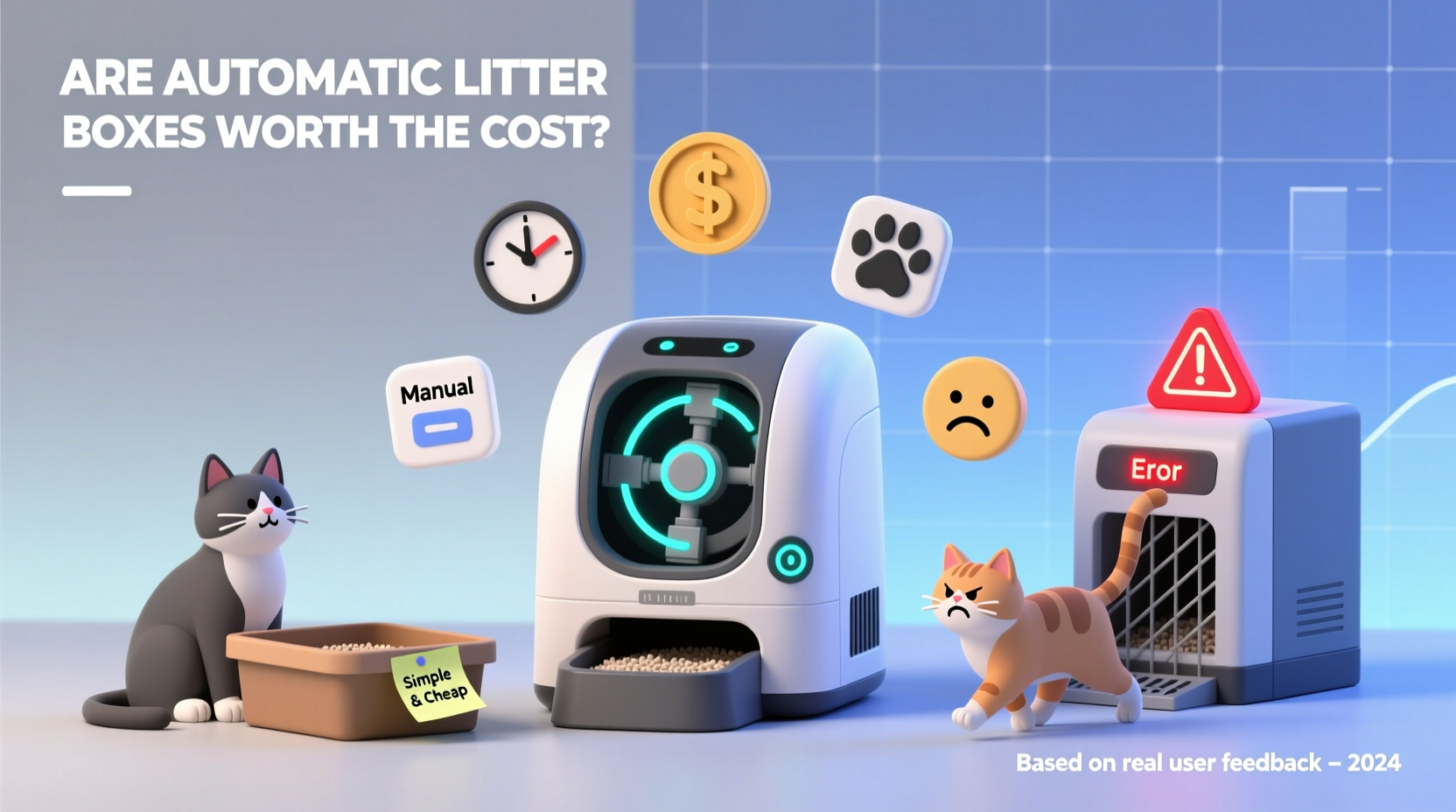
Automatic litter boxes use sensors, rakes, or rotating mechanisms to detect when a cat has used the box and then separate waste from clean litter. Most models fall into one of three categories:
- Rake-based systems: After your cat exits, a motorized rake moves through the litter, sifting out clumps and depositing them into a sealed waste drawer.
- Rotating drum designs: The entire litter chamber slowly rotates, allowing clean litter to fall back while waste is trapped and funneled into a collection compartment.
- Sensor-triggered sifters: Advanced models use weight or motion sensors to determine when the cat has left, initiating a cleaning cycle after a short delay.
Many include features like carbon filters to reduce odor, app connectivity for usage tracking, and disposable liners or waste pods for easier disposal. Some even send notifications to your phone when the waste drawer is full.
Tip: Always allow a transition period when introducing a new automatic litter box—cats are creatures of habit and may need time to adjust.Pros: Why Owners Love Them
When they function properly, automatic litter boxes deliver several compelling advantages:
- Time savings: No daily scooping means reclaiming minutes each day—especially valuable for busy households or those with mobility issues.
- Better odor control: Sealed waste compartments and built-in filters significantly reduce lingering smells compared to open trays.
- Consistent cleanliness: Waste is removed shortly after use, which many cats prefer. A cleaner box can encourage proper litter habits and reduce avoidance.
- Reduced litter waste: Precision sifting removes only clumps, preserving more usable litter than manual scooping, which often pulls up excess.
- Multicat support: High-capacity models handle multiple cats with scheduled cleaning cycles between uses.
For families with young children or elderly members, minimizing contact with soiled litter is both hygienic and practical. One survey by PetTech Insights found that 68% of automatic litter box owners reported improved satisfaction with their overall cat care routine.
“Automatic litter boxes aren’t just about convenience—they’re about maintaining hygiene without constant effort. For seniors or disabled pet owners, this technology can be life-changing.” — Dr. Lena Patel, DVM, Feline Behavior Specialist
Cons: Where They Fall Short
Despite their appeal, automatic litter boxes come with notable downsides:
- High upfront cost: Entry-level models start around $200, while premium versions exceed $600. Replacement parts (rakes, sensors, liners) add ongoing expenses.
- Mechanical failures: Motors jam, sensors misfire, and rakes break—especially when low-quality litter is used. Repair options are often limited, leading to full replacements.
- Cat resistance: Not all cats adapt well. The noise, movement, or confined space can scare sensitive animals, leading to accidents outside the box.
- Size and footprint: These units are significantly larger than standard litter boxes, making them difficult to fit in small apartments or tight spaces.
- Mess potential: If the mechanism fails mid-cycle, clumped waste can be flung across the room. Poorly designed models may leak urine or scatter fine dust.
A 2023 consumer report from PetGear Lab revealed that 27% of automatic litter box owners returned their units within six months due to reliability issues or cat rejection. Another 15% cited difficulty cleaning internal components, which often require disassembly and deep scrubbing every few weeks.
Real Example: The Johnson Family’s Experience
The Johnsons, a family of four in Portland, purchased a top-tier automatic litter box for their two cats, Milo and Luna. Excited by the promise of no scooping, they set it up in their guest bathroom. Initially, everything worked smoothly—Milo adapted quickly, and the sealed waste drawer kept odors at bay.
But after five weeks, the sensor began triggering mid-use, startling Luna during elimination. She started avoiding the box altogether. Attempts to recalibrate failed, and customer support advised a $120 repair. Frustrated, the family reverted to a traditional litter box and donated the unit.
Their experience highlights a common gap: marketing promises versus real-world functionality. As one Reddit user put it, “It’s not that the tech doesn’t work—it’s that it doesn’t work consistently enough to justify the price.”
Comparison: Manual vs. Automatic Litter Boxes
| Feature | Manual Litter Box | Automatic Litter Box |
|---|---|---|
| Upfront Cost | $15–$40 | $200–$700+ |
| Daily Maintenance | Scooping required (5–10 min/day) | None (except emptying waste drawer weekly) |
| Odor Control | Low to moderate (depends on ventilation) | High (sealed system + filters) |
| Reliability | Very high (no moving parts) | Moderate (mechanical components can fail) |
| Cat Acceptance | Generally high | Varies (noise and movement can deter cats) |
| Space Requirements | Compact | Bulky (requires clearance for operation) |
| Litter Efficiency | Lower (more litter lost during scooping) | Higher (precision sifting preserves litter) |
Choosing the Right Model: A Buyer’s Checklist
If you’re considering an automatic litter box, use this checklist to evaluate your options wisely:
- ✅ Check your cat’s temperament: Is your cat skittish or noise-sensitive? Observe reactions to vacuum cleaners or loud appliances.
- ✅ Measure your space: Ensure there’s enough room for the unit plus clearance for door opening and cleaning access.
- ✅ Research reliability: Look for models with replaceable parts and strong customer support. Avoid brands with frequent firmware issues.
- ✅ Confirm litter compatibility: Some systems only work with specific clumping litters. Using the wrong type increases clog risk.
- ✅ Review return policies: Buy from retailers with at least a 30-day trial period in case your cat rejects it.
- ✅ Factor in long-term costs: Include replacement liners, carbon filters, and potential repairs in your budget.
- ✅ Start slow: Allow 1–2 weeks for acclimation. Keep the old box nearby during the transition.
Step-by-Step: Introducing an Automatic Litter Box
Success often depends on how you introduce the device. Follow this timeline for the best results:
- Week 1 – Open Access: Set up the unit with the power off. Let your cat explore it freely with no pressure to use it.
- Week 2 – Controlled Activation: Turn on the system but disable automatic cycling. Manually trigger a clean cycle when the cat isn’t present to demonstrate the sound and motion.
- Week 3 – Supervised Use: Allow your cat to use the box while monitoring behavior. Reward with treats if they enter or eliminate inside.
- Week 4 – Full Operation: Enable automatic mode. Watch for signs of stress (avoidance, urinating nearby). Adjust sensitivity settings if needed.
- Ongoing – Maintenance: Empty the waste drawer every 5–7 days. Clean sensors and rails monthly to prevent jams.
If your cat refuses the box after four weeks, don’t force it. Reverting to a traditional setup is better than risking inappropriate elimination behaviors.
Frequently Asked Questions
Can kittens or senior cats use automatic litter boxes?
Kittens under 6 months should avoid most automatic models due to size and timing risks—the cleaning cycle could activate while they’re still inside. Senior cats can use them if they’re mobile and not easily startled, but monitor closely for hesitation or discomfort.
Do automatic litter boxes work with all types of litter?
No. Most require clumping, low-dust clay or plant-based litters. Crystal, silica, or lightweight walnut litters may not sift properly and can damage internal mechanisms. Always check the manufacturer’s recommendations.
How noisy are they?
Noise levels vary. Rake-based systems produce a soft scraping sound (comparable to a dishwasher), while rotating drums tend to be quieter but slower. Units with delayed cycles (e.g., 7-minute wait) minimize disruption. If you have a noise-sensitive cat, opt for models marketed as “quiet” or “whisper-clean.”
Final Verdict: Are They Worth It?
Automatic litter boxes aren’t inherently good or bad—they’re tools whose value depends on your lifestyle, your cat’s personality, and your willingness to troubleshoot.
For single-cat households with tech-savvy owners and adaptable pets, a reliable model can be a game-changer. The daily convenience, improved hygiene, and odor control often outweigh the cost. Multicat homes may benefit even more, provided the unit is sized appropriately and cleaned regularly.
However, if your cat is older, anxious, or resistant to change, or if you’re on a tight budget, a high-end automatic box may cause more frustration than relief. In such cases, a covered, high-sided litter tray with a quality scoop and daily routine might be the smarter, more humane choice.
The key is managing expectations. These aren’t magic solutions—they’re machines that require maintenance, compatible litter, and patient training. When chosen wisely and introduced thoughtfully, they can enhance life for both cats and owners. But they’re not a substitute for attentive pet care.
🚀 Ready to simplify your cat care routine? Assess your needs, research models with proven reliability, and prioritize your cat’s comfort. Share your experience below—your insights could help another pet owner make the right decision.








