For cat owners seeking convenience, automatic litter boxes promise a cleaner home and less daily scooping. Marketed as high-tech solutions to one of pet ownership’s most tedious chores, these devices detect when a cat has used the box and automatically sift out waste into a sealed compartment. But behind the sleek design and hands-free claims lies a pressing question: are these systems truly hygienic, or do they introduce new problems that outweigh their benefits?
The answer isn’t straightforward. While many users report satisfaction with reduced odor and labor, others describe malfunctions, tracking issues, and unexpected messes. To understand whether automatic litter boxes improve hygiene or compromise it, we need to examine how they work, their real-world performance, and the habits that determine success or failure.
How Automatic Litter Boxes Work: The Mechanics Behind the Cleanliness Claim
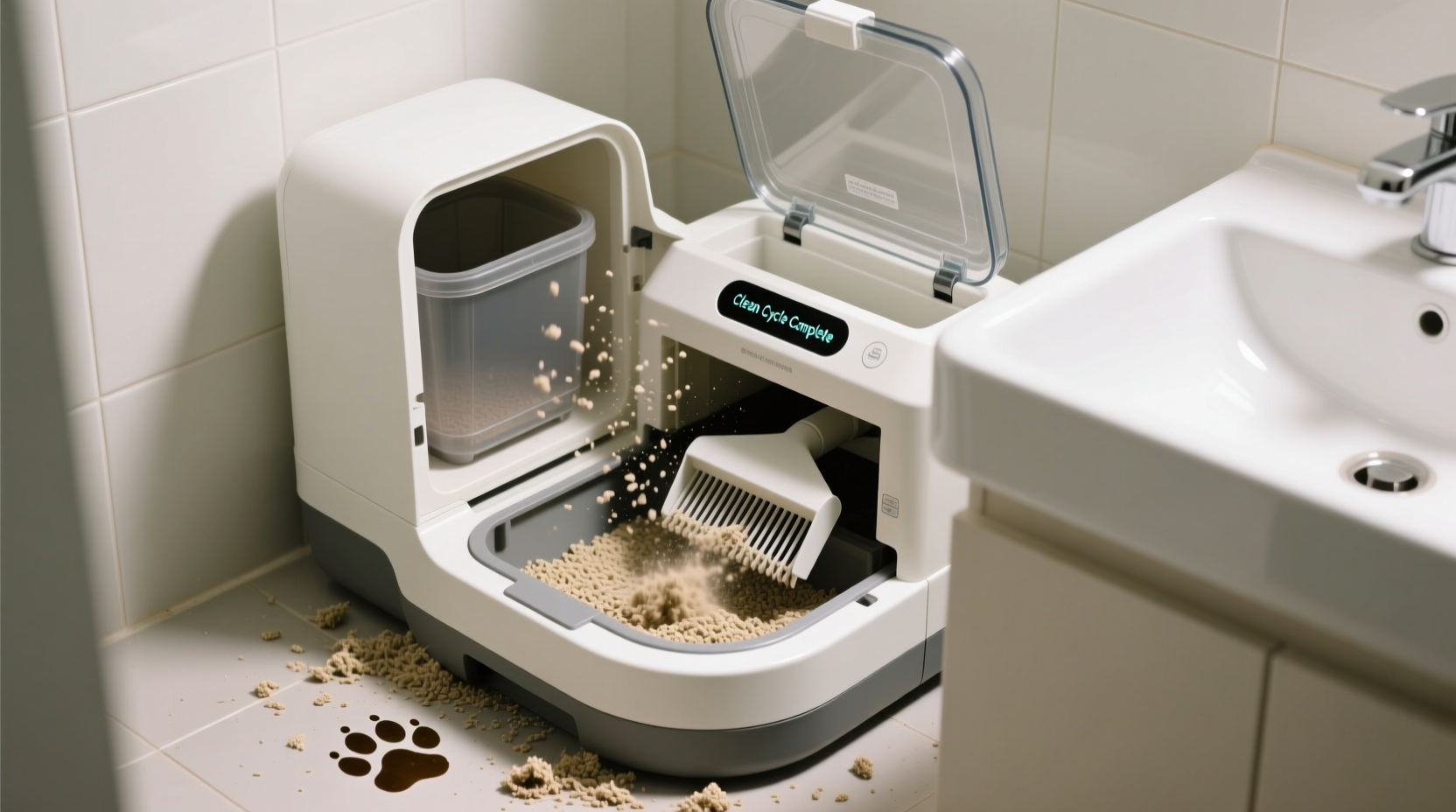
Automatic litter boxes typically operate using one of two mechanisms: raking systems or rotating trays. After a cat exits the box, motion sensors or timed delays trigger a cleaning cycle. A rake moves through the litter, separating clumps and depositing them into a sealed waste drawer. Some models use gravity-fed sifting, while others rely on motorized tumbling actions to separate solids from clean litter.
The core hygiene claim rests on three assumptions:
- Waste is removed quickly after use, reducing bacterial growth and odor.
- Sealed containment prevents exposure to air and limits household contamination.
- Reduced human contact with waste lowers transmission risk of pathogens like Toxoplasma gondii.
In theory, this sounds ideal. However, mechanical reliability, litter type, and cat behavior significantly influence outcomes. A malfunctioning sensor may activate too early—while the cat is still in the box—or fail entirely, leaving waste uncollected for days. Poorly designed sifting mechanisms can leave behind small clumps, creating hidden pockets of bacteria.
Tip: Always wait at least 15–30 minutes after your cat uses the box before manually checking if waste was fully removed—some models have delayed cycles.The Hygiene Benefits: When Automatic Boxes Deliver on Promises
When functioning correctly, automatic litter boxes offer measurable hygiene advantages over traditional ones. Studies on indoor air quality in homes with cats show that prompt waste removal reduces ammonia levels by up to 40% compared to manual scooping once per day. Lower ammonia means fewer respiratory irritants, which benefits both humans and cats—especially those with asthma or allergies.
Dr. Lena Pruitt, a feline veterinarian and environmental health researcher, notes:
“Timely waste removal is one of the most effective ways to reduce pathogen load in a home. If an automatic box removes clumps within 20–30 minutes of deposition, it can significantly limit bacterial proliferation and odor compounds.” — Dr. Lena Pruitt, DVM, Feline Environmental Health Specialist
Beyond air quality, reduced human handling of waste lowers direct exposure to fecal matter. This is particularly important for pregnant women or immunocompromised individuals who should avoid contact with cat feces due to toxoplasmosis risk. Sealed disposal systems in premium models (like the Litter-Robot or PetSafe ScoopFree) contain waste more effectively than open trays, minimizing accidental spills during emptying.
Additionally, consistent cleaning schedules prevent the buildup of urine-soaked litter—a common issue in busy households where scooping is neglected. Automation enforces discipline, ensuring waste is addressed even on hectic days.
The Hidden Messes: Where Self-Cleaning Systems Fall Short
Despite their promises, automatic litter boxes can create new hygiene challenges. The most common complaint among long-term users is **litter tracking**. Because these units often use fine, lightweight clumping litter for optimal sifting, particles stick easily to paws and are carried throughout the house. One survey of 1,200 automatic box owners found that 68% reported increased litter scatter compared to their previous manual setup.
Another frequent issue is **mechanical failure leading to overflow**. When sensors misfire or rakes jam—often due to overly moist clumps or excessive use—the system stops working silently. Owners may not notice until days later, resulting in a heavily soiled box that’s harder to clean than a traditional one. In some cases, waste is pushed into the storage compartment without being fully separated, causing leaks or compaction that requires disassembly to fix.
Odor control can also backfire. While sealed compartments aim to contain smells, trapped moisture inside the waste drawer can accelerate bacterial growth if not emptied regularly. Unlike daily scooping, where odor signals immediate action, automatic boxes may mask problems until the unit emits a sudden, intense smell upon opening.
Real-World Example: A Case of Unseen Contamination
Sarah K., a cat owner in Portland, switched to a top-tier automatic model to accommodate her remote work schedule. For three weeks, it worked flawlessly. Then, her two cats began avoiding the box. She noticed no visible mess or strong odor. Only after dismantling the unit did she discover a clogged rake mechanism had been pushing wet clumps into the waste bin for over five days. The enclosed space had become a breeding ground for mold and bacteria, contaminating the surrounding plastic components. Despite cleaning, residual odor persisted, and both cats developed mild urinary stress symptoms.
This case illustrates a critical blind spot: automation can delay feedback loops. With manual scooping, you see, smell, and respond immediately. With automated systems, failures accumulate invisibly—until hygiene is compromised beyond easy repair.
Do’s and Don’ts: Best Practices for Maintaining Hygiene in Automatic Systems
To maximize the benefits and minimize the risks, follow these guidelines based on technician reports, veterinary advice, and user experiences.
| Do | Don't |
|---|---|
| Empty the waste drawer every 2–3 days, even if not full | Wait until the bin is completely full before emptying |
| Use only the litter type recommended by the manufacturer | Switch to cheaper or non-clumping litter to save money |
| Wipe down the interior surfaces weekly with pet-safe disinfectant | Assume the machine cleans itself entirely |
| Observe your cat’s behavior for signs of avoidance or stress | Ignore changes in usage patterns or litter box location preference |
| Place a washable mat under the unit to catch tracked litter | Install the box on carpet without protection |
Step-by-Step: Weekly Maintenance Routine for Optimal Hygiene
An automatic litter box requires regular oversight. Follow this routine to ensure lasting cleanliness and function:
- Day 1 – Empty Waste Drawer: Remove the sealed bag or container and dispose of contents in an outdoor trash can. Wipe the compartment with a disinfectant wipe.
- Day 1 – Check Litter Level: Refill clumping litter to the manufacturer’s line. Avoid overfilling, which can interfere with raking.
- Day 3 – Inspect Mechanism: Run a test cycle (without cat present) to confirm the rake moves smoothly and resets properly.
- Day 5 – Deep Surface Clean: Remove all litter and scrub the basin with a mixture of water and white vinegar. Rinse thoroughly and let dry before refilling.
- Daily – Monitor Usage: Note how many times the cycle activates per day. Sudden drops may indicate sensor issues or cat avoidance.
This proactive approach prevents minor issues from becoming major hygiene hazards. It also extends the lifespan of the unit, protecting your investment.
Expert Insight: What Veterinarians Say About Long-Term Use
While convenience drives adoption, veterinarians emphasize behavioral and physiological factors often overlooked by marketing.
“The noise and movement of automatic boxes can stress sensitive cats. Chronic stress leads to inappropriate elimination, which defeats the entire purpose of improved hygiene.” — Dr. Marcus Tran, Veterinary Behaviorist
Studies show that up to 20% of cats initially reject automatic systems due to fear of the cycling mechanism. Even cats that adapt may experience micro-stress with each activation, potentially contributing to idiopathic cystitis—a painful bladder condition linked to environmental anxiety.
Experts recommend introducing the unit gradually, allowing the cat to explore it while disabled, then activating the cycle incrementally. Rushing the process increases the risk of lifelong litter box aversion.
FAQ: Common Questions About Automatic Litter Box Hygiene
Can automatic litter boxes spread bacteria if not cleaned properly?
Yes. Any litter box—automatic or not—can become a reservoir for bacteria like E. coli or Salmonella if waste remains in contact with surfaces for extended periods. The sealed design of automatic units can trap moisture, accelerating microbial growth if maintenance is delayed. Regular cleaning and timely waste removal are essential.
Do self-cleaning boxes reduce odor better than manual scooping?
Only if they function correctly and are maintained. Prompt waste removal does reduce odor-causing compounds. However, poor ventilation, infrequent emptying, or use of low-quality litter can negate these benefits. In some cases, trapped odors inside the waste compartment make smells worse when opened.
Are automatic litter boxes safe for kittens or senior cats?
Proceed with caution. Kittens may not trigger weight-based sensors reliably, leading to premature cycles. Senior cats with arthritis may move slowly, risking entrapment if the unit activates too soon. Models with adjustable timers and entry sensors are safer choices for vulnerable cats.
Final Verdict: Hygienic Solution or High-Tech Hazard?
Automatic litter boxes are neither universally hygienic nor inherently messy. Their impact depends almost entirely on user diligence, product quality, and cat compatibility. In well-maintained environments with tech-savvy owners and adaptable cats, these systems deliver on their promise: less odor, reduced labor, and improved waste containment.
But in homes where maintenance lapses, cats are sensitive to noise, or low-cost models are used, automatic boxes can become sources of hidden contamination, mechanical frustration, and behavioral issues. The convenience they offer can mask deeper problems until hygiene is already compromised.
The key is not to view automation as a replacement for responsibility, but as a tool that requires oversight. Just as a dishwasher doesn’t eliminate the need to scrape plates, an automatic litter box doesn’t remove the need for active care.
🚀 Take action today: If you own an automatic litter box, perform a full inspection tonight—check for stuck clumps, clean the waste drawer, and observe your cat’s next visit. If you’re considering buying one, research models with proven reliability and prioritize ease of cleaning over flashy features. Your cat’s health—and your home’s true cleanliness—depend on informed choices.








