
For modern cat owners, convenience and cleanliness are top priorities—especially when it comes to managing the litter box. Automatic litter boxes promise both: self-cleaning mechanisms, reduced odor, and less daily scooping. But beneath the sleek design and smart technology lies a critical question: Are these high-tech solutions actually more hygienic than traditional litter boxes? And perhaps more importantly, do cats genuinely like using them?
The answers aren’t as straightforward as marketing materials suggest. While automatic litter boxes can reduce human exposure to waste and maintain cleaner conditions between full changes, their impact on feline well-being depends heavily on design, placement, and individual cat preferences. This article explores hygiene claims, behavioral science, and practical considerations to help you make an informed decision for your home and your cat.
Hygiene: What Automatic Litter Boxes Get Right (and Wrong)
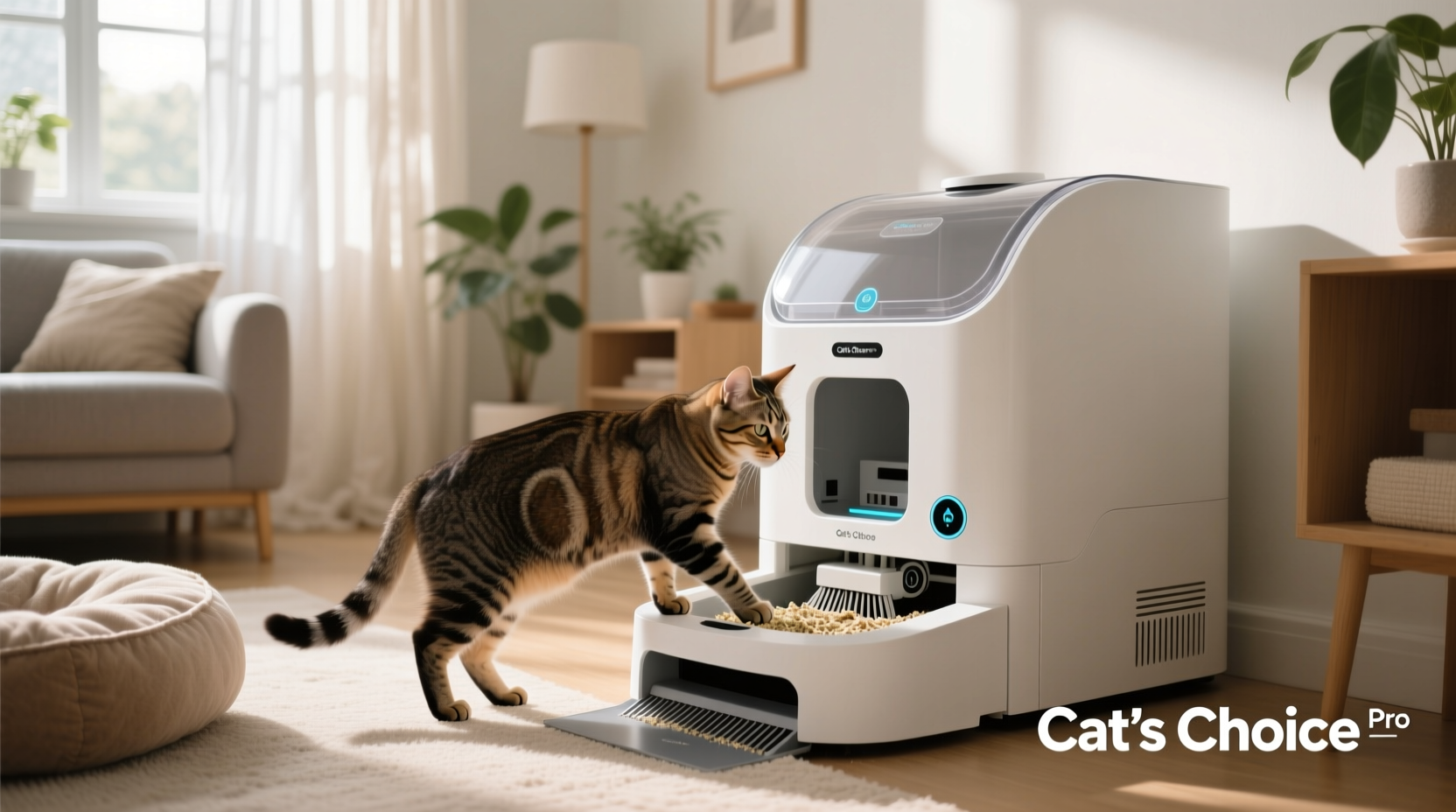
From a human perspective, automatic litter boxes appear inherently cleaner. They remove waste shortly after use—often within minutes—limiting bacterial growth, ammonia buildup, and odor dispersion. Many models sift solid waste into sealed compartments, reducing airborne particles and contact with feces or urine clumps.
However, \"hygienic\" must be evaluated from both human and feline viewpoints. Cats are fastidious groomers and highly sensitive to environmental cleanliness. A litter box that looks clean may still feel unclean to a cat if it retains odors, makes loud noises during cleaning cycles, or distributes waste unevenly.
Key hygiene advantages of automatic systems include:
- Reduced contact with waste: Owners avoid daily scooping, lowering exposure to bacteria like E. coli and parasites such as Toxoplasma gondii.
- Faster waste removal: Waste is isolated quickly, minimizing time for ammonia to form—a respiratory irritant for both cats and humans.
- Consistent cleanliness: In theory, the box remains usable longer without manual intervention, supporting better elimination habits.
Yet drawbacks exist:
- Mechanical failures: If sensors misfire or rakes jam, waste can accumulate unnoticed, creating a worse hygiene scenario than a regularly scooped traditional box.
- Odor traps: Some models concentrate waste in small bins that become odor hotspots if not emptied frequently.
- Cross-contamination: Moving parts may drag waste across clean litter, especially if the rake isn't properly sealed or cleaned mid-cycle.
Do Cats Actually Prefer Automatic Litter Boxes?
This is where technology meets instinct. Cats value predictability, safety, and control. An automatic litter box introduces variables that can disrupt this balance: sudden noises, unexpected movements, and unfamiliar textures underfoot.
Studies on feline preference are limited but revealing. A 2020 observational study published in the Journal of Feline Medicine and Surgery found that while some cats adapted well to automated systems, others showed signs of stress—including avoidance, urinating outside the box, or rapid exits post-use—particularly during the first two weeks.
Dr. Sarah Thompson, a veterinary behaviorist at the Cornell Feline Health Center, explains:
“Cats don’t dislike innovation—they dislike unpredictability. A litter box that suddenly starts moving beneath them can trigger a startle response, even if it’s designed to be quiet. The key is gradual introduction and choosing models with minimal sensory disruption.” — Dr. Sarah Thompson, DVM, Behavioral Specialist
Preference varies by individual temperament. Shy or older cats may struggle more with automation, while confident, younger cats often adapt faster. Multi-cat households add complexity: dominant cats might monopolize the box during cycling, while subordinates wait anxiously or abandon it altogether.
Signs Your Cat Dislikes the Automatic Box
- Eliminates near—but not in—the box
- Spends minimal time inside, exiting immediately after use
- Scratches excessively at the sides or attempts to bury waste despite auto-cleaning
- Shows flattened ears, dilated pupils, or tail flicking during or after use
Comparing Litter Box Types: Features and Trade-offs
Not all automatic litter boxes are created equal. Design differences significantly affect hygiene and acceptance. The table below compares common types based on key criteria.
| Type | Hygiene Level | Noise Level | Cat Acceptance | Best For |
|---|---|---|---|---|
| Rake-Based (e.g., Litter-Robot) | High (waste sealed) | Moderate (audible motor) | Medium-High | Single-cat homes, tech-comfortable owners |
| Top-Entry With Sensor | High | Low-Moderate | Medium | Cats who prefer privacy, smaller spaces |
| Disposable Tray Systems | Low-Medium (plastic trays harbor odor) | Low | Low | Short-term use, renters |
| Manual Scoop-Free (e.g., hooded with liner) | Low (odor builds up) | None | High | Budget-conscious owners, sensitive cats |
Note that “high” hygiene doesn’t always mean “better.” Sealed waste compartments improve sanitation but may emit stronger odors when opened for disposal, potentially deterring cats if located in shared areas.
Real-World Case: Adopting the Litter-Robot in a Two-Cat Home
When Maria adopted a second kitten, she upgraded to a Litter-Robot 4 to manage increased litter maintenance. Initially, both cats used the box without issue. However, within a week, her older cat, Milo, began urinating on the laundry room floor.
She observed that Milo would enter the box, urinate, then dart out before the 7-minute cycle began. The noise and movement startled him, and he associated the box with discomfort. Her younger cat, Luna, remained unfazed.
Maria adjusted by enabling \"Wait 15 Minutes\" mode, giving Milo time to leave safely. She also placed a traditional open box nearby as backup. Within days, Milo returned to normal use. The solution wasn’t abandoning automation—it was adapting it to feline behavior.
This case illustrates a broader truth: automatic litter boxes can work well, but only when owners remain attentive to subtle behavioral cues and are willing to modify settings or provide alternatives.
Step-by-Step: Introducing an Automatic Litter Box Safely
Transitioning your cat requires patience and structure. Follow this timeline to maximize acceptance and minimize stress.
- Week 1: Parallel Setup
Place the new automatic box beside the old one. Let your cat investigate freely without turning it on. Add treats or toys nearby to create positive associations. - Day 8: Activate Without Containment
Turn on the unit but disable automatic cycling. Run manual cycles when you’re present so your cat sees and hears it in a controlled setting. - Day 10–14: Gradual Automation
Enable short delay cycles (e.g., 10–15 minutes after exit). Monitor your cat’s reaction. Use a camera if possible. - Day 15: Full Operation
Allow normal function. Continue observing for signs of stress or avoidance. - Ongoing: Maintenance & Monitoring
Empty waste drawer every 2–3 days. Clean sensor areas weekly. Watch for changes in usage patterns.
Essential Checklist Before Buying an Automatic Litter Box
Before investing in a high-tech solution, evaluate these factors to ensure compatibility with your cat and lifestyle.
- ✅ Measure your cat’s height and weight—some units have size limits
- ✅ Confirm the model works with your preferred litter type (clumping clay, silica, plant-based)
- ✅ Check noise levels via user reviews or decibel ratings
- ✅ Ensure reliable power access—battery backups are ideal for outages
- ✅ Assess space requirements, including clearance for opening lids or rotating bowls
- ✅ Review return policy—many brands offer trial periods due to variable cat acceptance
- ✅ Consider multi-cat capacity—some units recommend one per two cats
Frequently Asked Questions
Can automatic litter boxes cause urinary issues in cats?
There’s no direct causal link, but stress from noise or confinement can contribute to idiopathic cystitis, a common feline bladder condition. Cats that feel unsafe or rushed during elimination are more prone to lower urinary tract problems. Always monitor for straining, frequent visits to the box, or blood in urine.
How often should I clean an automatic litter box?
Despite automation, deep cleaning is essential. Empty the waste compartment every 2–3 days. Perform a full teardown—washing the bowl, rake, and sensors—with mild soap and water at least once a week. Neglecting this leads to odor retention and mechanical issues.
Are there hygienic benefits for immunocompromised owners?
Yes. For individuals with weakened immune systems, pregnancy, or chronic illness, reducing direct contact with cat waste lowers risk of zoonotic infections. Automatic boxes, combined with gloves and proper ventilation, offer a safer management option—provided they function reliably.
Conclusion: Balancing Innovation with Instinct
Automatic litter boxes can be hygienic—and many cats do accept them—but success depends on thoughtful implementation. These devices excel at reducing human labor and improving waste isolation, but they are not universally superior. Their effectiveness hinges on understanding your cat’s personality, respecting feline sensory needs, and maintaining the unit diligently.
The most hygienic litter system isn’t necessarily the most advanced. It’s the one that’s cleaned regularly, respected by the cat, and suited to the household’s dynamics. Whether you choose high-tech automation or stick with a simple scoop, prioritize consistency, observation, and empathy. After all, a happy cat is the cleanest indicator of a successful setup.
💬 Have experience with automatic litter boxes? Share your story, tips, or warnings in the comments—your insights could help another cat owner make a better choice.








