A well-designed aquarium is more than just a container for water and fish—it’s a dynamic visual experience. While much attention is given to substrate, lighting, and aquascaping, one often overlooked element can dramatically influence how your fish appear: the background. A thoughtfully chosen aquarium background doesn’t just hide equipment or cords; it enhances contrast, creates depth, and makes your fish pop against their environment. Whether you have vibrant bettas, sleek tetras, or iridescent gouramis, the right background can elevate their colors and behaviors into something truly mesmerizing.
The key lies in understanding how color theory, light reflection, and visual perception interact within the confined space of an aquarium. By aligning your background choice with the natural hues and patterns of your fish, you create a stage where they become the undeniable focal point. This guide explores proven strategies, materials, and design philosophies to help you craft a background that transforms your tank from ordinary to extraordinary.
Why Backgrounds Matter in Aquarium Design
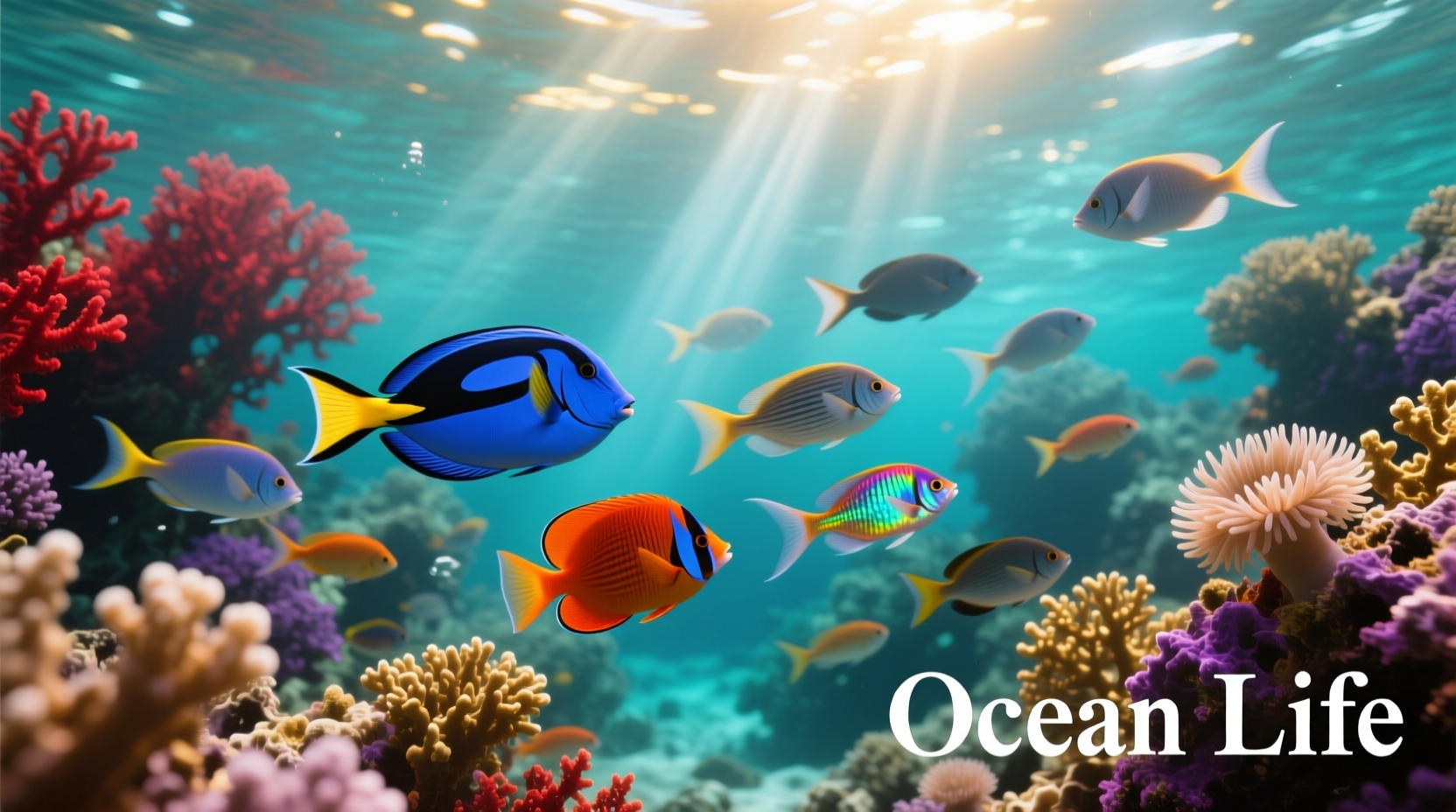
Many hobbyists assume that as long as the front and sides of the tank look good, the back doesn’t matter. In reality, the background plays a critical role in shaping the viewer’s experience. Without one, the wall behind the tank—often white, off-white, or cluttered—reflects through the water, washing out colors and reducing perceived depth. This flatness diminishes the three-dimensional illusion that makes aquariums so captivating.
A proper background absorbs stray light, minimizes external distractions, and frames the underwater scene like a picture frame around a painting. It also influences how fish behave. Species such as angelfish and discus feel more secure when lateral and rear visibility is reduced, leading to bolder swimming patterns and richer color expression. For shy or skittish fish, a solid-colored or nature-inspired backdrop can simulate shelter, encouraging them to venture into open areas rather than hugging the glass.
“Fish aren’t just reacting to water parameters—they respond visually and psychologically to their surroundings. A well-chosen background reduces stress and amplifies natural pigmentation.” — Dr. Lena Torres, Aquatic Behavioral Scientist
Top 5 Background Types and Their Impact on Fish Visibility
Different backgrounds serve different aesthetic and functional purposes. The best choice depends on your fish species, tank setup, and personal style. Below is a breakdown of the most effective options available to hobbyists today.
| Type | Best For | Effect on Fish Appearance | Installation Difficulty |
|---|---|---|---|
| Solid Color Vinyl | Brightly colored fish (e.g., neon tetras, guppies) | High contrast makes vivid colors stand out sharply | Easy – adhesive or magnetic |
| Foam Backing Panels | All tank types, especially rimless | Deep black absorbs light, intensifying fish hues | Moderate – requires cutting to size |
| 3D Resin or Foam Panels | Cichlid tanks, predator species | Adds depth; mimics rock walls or caves | Hard – may need silicone sealing |
| Printed Nature Scenes | Planted tanks, biotope setups | Blends fish naturally into environment | Easy – stick-on application |
| DIY Painted Backdrops | Custom designs, artistic tanks | Unique visuals; can highlight specific fish zones | Variable – depends on method |
Each type offers distinct advantages. Solid black vinyl, for example, is a favorite among breeders and show enthusiasts because it eliminates glare and reflects no competing colors. On the other hand, printed backgrounds depicting dense jungle foliage or coral reefs are ideal for biotope tanks, where authenticity matters more than contrast.
Tip: Match the background color to the dominant hue of your fish. Use dark backgrounds for bright fish, and lighter ones for darker species like black mollies or zebra loaches.Color Theory: Choosing the Right Hue to Enhance Fish Pigmentation
Understanding basic color theory can transform your approach to aquarium aesthetics. Complementary colors—those opposite each other on the color wheel—create maximum contrast. For instance, green enhances reds, blue intensifies oranges, and black deepens all colors by eliminating reflective interference.
Consider a tank with ruby-red cherry barbs. Placing them against a bright blue or green background will make their red tones appear even more intense due to the complementary effect. Conversely, a yellow tang will glow against a deep purple or violet backdrop. Even subtle choices matter: a royal blue background can make silver-bodied fish appear cooler and more metallic, while warm browns bring out golden undertones in goldfish or koi.
Black remains the most universally effective background. It acts like a theater curtain, focusing attention entirely on the performers. In professional photography and public aquarium displays, black backgrounds are standard because they eliminate visual noise and allow lighting to sculpt the subject. For home tanks, matte black foam panels offer this benefit without requiring custom fabrication.
Step-by-Step: How to Choose Your Background Based on Fish Colors
- Identify the primary color of your most prominent fish (e.g., blue, red, silver).
- Find its complementary color using a color wheel (e.g., red → green, blue → orange).
- Test sample swatches behind the empty tank during daylight and under aquarium lights.
- Select a non-reflective material in that color family (matte finish preferred).
- Install securely to prevent peeling or shifting over time.
This process ensures that your fish aren’t competing with their surroundings for visual dominance. Instead, the environment supports and elevates their natural beauty.
Real-World Example: Transforming a Community Tank with a Simple Upgrade
Mark S., a freshwater hobbyist in Portland, had a 55-gallon community tank stocked with harlequin rasboras, dwarf gouramis, and corydoras. Despite excellent water quality and lush planting, he felt the fish “looked dull” and rarely swam near the front glass. After researching background effects, he replaced the plain white wall-mounted board with a self-adhesive black foam panel.
Within days, behavior shifted. The gouramis began flaring more frequently, displaying deeper cobalt and crimson markings. The rasboras formed tighter schools and moved confidently across the entire tank. Mark noted, “It was like turning on a spotlight. Suddenly, every fish looked healthier and more active.” He later added dimmable LED lighting tuned to emphasize red and blue spectrums, further enhancing the contrast.
This case illustrates how a low-cost, non-invasive change can produce dramatic results—not by altering biology, but by optimizing perception. The fish hadn’t changed; the way they were seen had.
DIY and Creative Background Ideas for Unique Visual Impact
For those who enjoy hands-on projects, creating a custom aquarium background adds a personal touch while maximizing visual impact. Here are several tested methods:
- Painted Glass: Use non-toxic, waterproof enamel paint on the outside of the rear glass panel. Start with a base coat of black or dark blue, then add gradient layers to mimic depth. Seal thoroughly with aquarium-safe silicone.
- Foam Insulation Panels: Cut XPS foam board to fit the tank’s back. Sculpt texture with a hot knife to resemble rock formations or tree bark. Coat with multiple layers of Plasti Dip or pond-safe sealant.
- Wallpaper with Waterproof Barrier: Apply marine-grade wallpaper designed for aquariums. Place a sheet of acrylic or glass between the tank and the paper to protect it from moisture damage.
- Photographic Prints: Print high-resolution images of ocean depths, rainforest canopies, or abstract gradients. Laminate and mount externally using double-sided tape.
When designing DIY backgrounds, prioritize safety. Never introduce porous or chemically unstable materials inside the tank. All paints and sealants must be fully cured before installation. External mounting is generally safer and easier to modify.
Tip: Test any new background at night when lights are off. If you still see reflections or equipment outlines, consider a darker or more opaque option.Checklist: Optimizing Your Aquarium Background in 7 Steps
Follow this practical checklist to ensure your background enhances fish visibility and overall tank appeal:
- ✅ Measure the exact height and width of your tank’s back panel.
- ✅ Identify the dominant colors of your fish species.
- ✅ Select a background color that contrasts or complements those hues.
- ✅ Choose a non-reflective, waterproof material (vinyl, foam, sealed paint).
- ✅ Install the background securely, ensuring full coverage without gaps.
- ✅ Adjust aquarium lighting to highlight fish, not reflect off the back.
- ✅ Observe fish behavior and color intensity over 3–5 days; refine if needed.
This systematic approach removes guesswork and ensures consistent results across different tank sizes and fish types.
Frequently Asked Questions
Can I use regular poster board as an aquarium background?
No. Standard paper products degrade when exposed to humidity and can leach chemicals into the environment. Always use waterproof, non-toxic materials specifically rated for aquarium or outdoor use.
Should the background cover the entire back of the tank?
Yes. Gaps along the edges allow light leakage and expose equipment, breaking immersion. A full-coverage background provides uniform darkness and a clean aesthetic.
Do LED lights affect how the background looks?
Significantly. Cool-white LEDs enhance blues and greens, making them ideal for pairing with warm-colored fish. Warm-white LEDs bring out reds and yellows. Use adjustable spectrum lights to fine-tune the interaction between background and fish pigmentation.
Final Thoughts: Turn Your Tank into a Living Showcase
An aquarium is both a habitat and a piece of living art. The fish are the stars, but every element—from gravel to glass—contributes to the performance. A strategic background doesn’t just hide the wall; it sets the mood, sharpens contrast, and draws the eye exactly where it should go: to the graceful dance of fins and flash of color in the water.
Whether you choose a simple black panel or craft a custom seascape mural, the goal remains the same: to make your fish impossible to ignore. With careful selection and thoughtful installation, you can transform even a modest home tank into a gallery-worthy display that captivates everyone who sees it.
🚀 Ready to upgrade your aquarium’s visual impact? Pick one background idea from this guide and implement it this week. Share your before-and-after observations with fellow hobbyists—you might inspire the next big trend in aquatic design.








