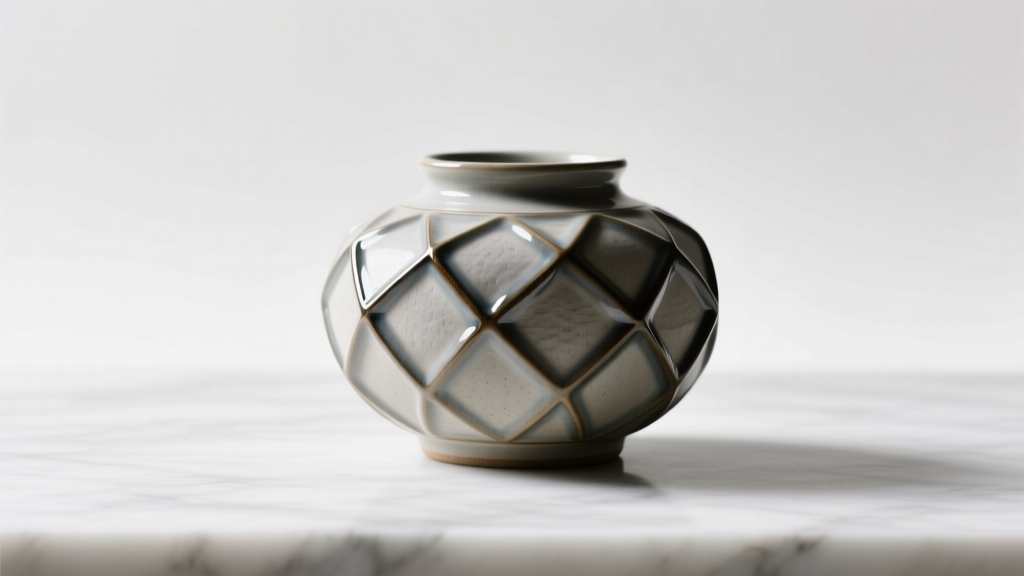
Types of Ant Jars: A Complete Guide for Enthusiasts and Breeders
Ant jars, also known as formicariums or ant farms, are specialized containers designed to house ant colonies safely while allowing for observation and care. They come in various types based on material, size, and functional design. Choosing the right ant jar is essential for maintaining proper humidity, ensuring visibility, supporting colony growth, and enabling safe feeding. Whether you're a hobbyist, educator, or breeder, understanding the different types helps create a thriving environment for your ants.
Glass Ant Jars
Durable and highly transparent, glass jars are a popular choice for long-term ant keeping.
Advantages
- Excellent clarity for detailed observation
- Superior humidity retention
- Resistant to scratching and discoloration
- Easy to clean and sterilize
- Chemically inert – safe for ants
Limitations
- Heavy and fragile – risk of breakage if dropped
- Higher cost compared to plastic options
- Limited shape variety (typically round or square)
Best for: Long-term colonies, educational displays, species requiring stable humidity
Plastic Ant Jars
Lightweight and affordable, plastic jars are ideal for temporary housing or starter colonies.
Advantages
- Lightweight and portable
- Affordable and widely available
- Impact-resistant and safer for children
- Often pre-drilled with ventilation holes
- Ideal for quarantine or transport
Limitations
- Poorer humidity control – dries out faster
- Less optical clarity over time
- May yellow or degrade with UV exposure
- More prone to static buildup, trapping debris
Best for: Beginner setups, temporary housing, transport, and budget-friendly projects
Acrylic Ant Jars
Offering a balance between clarity and durability, acrylic jars are a modern upgrade to glass.
Advantages
- Crystal-clear visibility, similar to glass
- Lighter than glass and shatter-resistant
- Can be molded into custom shapes and multi-chamber designs
- Good insulation for temperature and humidity stability
Limitations
- Scratches easily, reducing clarity over time
- More expensive than standard plastic or glass
- Some lower-quality acrylics may leach chemicals
Best for: Custom setups, display colonies, and advanced ant keepers seeking durability and clarity
Feeder Jars
Designed with a dedicated feeding chamber to provide food and water without disturbing the colony.
Advantages
- Reduces risk of escape during feeding
- Keeps food debris out of nesting areas
- Allows safe observation of feeding behavior
- Often includes capillary tubes or cotton wicks for water delivery
Limitations
- Requires precise design to prevent ant escape
- Limited space for colony expansion
- May need additional nesting jars for full colony development
Best for: Supplemental feeding, research observation, and managing multiple colonies efficiently
Formicarium Jars
Engineered as complete artificial nests, formicariums mimic natural ant habitats with tunnels and chambers.
Advantages
- Encourages natural digging and tunneling behavior
- Multi-compartment design supports colony growth
- Often includes integrated humidity control and ventilation
- May feature connecting ports for expansion or linking to foraging areas
Limitations
- More complex setup and maintenance
- Higher price point
- May require additional accessories (e.g., outworlds, moisture regulators)
Best for: Serious hobbyists, long-term breeding, educational exhibits, and behavioral studies
Ant Breeding Jars
Specially designed to support queen ants and the development of brood (eggs, larvae, pupae).
Advantages
- Optimized for humidity and darkness – ideal for brood rearing
- Protected chambers reduce stress on queens
- Minimizes worker interference with nursing activities
- Essential for founding new colonies and commercial ant production
Limitations
- Not suitable for large, mature colonies
- Limited observation capabilities
- Usually transitional – colonies move to larger setups as they grow
Best for: Queen isolation, colony founding, commercial breeding, and scientific research
| Type | Clarity | Durability | Humidity Control | Best Use Case |
|---|---|---|---|---|
| Glass Ant Jars | Excellent | Good | Excellent | Long-term housing, high-humidity species |
| Plastic Ant Jars | Fair | Good | Fair | Beginner setups, transport, temporary use |
| Acrylic Ant Jars | Excellent | Very Good | Very Good | Custom displays, durable long-term use |
| Feeder Jars | Good | Good | Fair | Safe feeding, observation, multi-jar systems |
| Formicarium Jars | Very Good | Very Good | Excellent | Colony growth, natural behavior, education |
| Ant Breeding Jars | Fair | Good | Excellent | Queen isolation, brood development, founding colonies |
Expert Tip: For optimal ant health, pair a breeding jar with a separate foraging arena using tubing. This setup allows queens to remain undisturbed while workers explore and feed in a controlled environment.
Design of Ant Jars: Optimizing Habitat for Ant Colonies
Ant jars, also known as formicariums or ant farms, are more than simple containers—they are engineered microhabitats designed to support the biological and behavioral needs of ant colonies. The design of an ant jar significantly impacts colony health, growth, and observation quality. Thoughtful consideration of shape, ventilation, climate control, feeding, and waste management ensures a thriving environment while simplifying maintenance for the ant keeper.
Key Design Elements of an Ant Jar
Shape and Size
Ant jars range from compact 50-milliliter containers suitable for founding queens or small worker groups to large 5-liter (or greater) habitats capable of housing mature colonies with thousands of individuals. The size must align with the species' growth potential—underestimating space needs can lead to overcrowding, stress, and increased aggression.
Common shapes include cylindrical, square, and rectangular designs. Round jars offer seamless lid sealing and are ideal for temporary housing or observation during colony founding. Square or rectangular jars maximize usable space, facilitate stacking, and fit more efficiently in storage or display areas. Unique or artistic shapes can enhance visual appeal and provide varied nesting zones, though care must be taken to avoid dead spaces where waste or mold can accumulate.
Ventilation System
Proper airflow is essential to prevent CO₂ buildup, reduce mold growth, and maintain healthy humidity levels. Most ant jars incorporate a ventilation system using micro-perforations in the lid or side walls. These holes are small enough (typically 0.5–1 mm) to prevent escape but allow sufficient gas exchange.
Advanced designs use breathable mesh fabric—such as nylon or stainless steel gauze—sealed over ventilation ports. This mesh allows air circulation while blocking ants and retaining substrate moisture. Some high-end formicariums include one-way valves or passive airflow channels to enhance air turnover without compromising security or humidity.
Heating and Humidity Control
Many ant species originate from warm, humid climates and require stable thermal and moisture conditions to thrive. Temperature regulation can be achieved using external heating pads placed beneath the jar or low-voltage heating cables integrated into the design. These systems should provide gentle, even warmth without creating hotspots.
Humidity is typically maintained using moisture-retaining materials such as dampened sponges, hydrogel beads, or water-soaked cotton. These act as slow-release reservoirs, preventing rapid drying. More sophisticated setups include a connected water reservoir with a drip capillary system, allowing controlled moisture delivery to a wick or internal sponge. Monitoring with hygrometers and thermometers ensures optimal conditions (usually 20–30°C and 60–80% humidity, depending on species).
Feeding and Watering Mechanisms
Safe and hygienic feeding is crucial to prevent contamination and drowning. Specialized feeding containers—small vials or dishes with perforated lids—allow ants to access food while minimizing spillage and deterring mold or mites. These can be placed outside the main nest area to keep the living zone clean.
For hydration, a common method is placing a small piece of moist cotton or sponge inside a feeding tube. This provides accessible water without the risk of ants drowning in open pools. Some keepers use narrow water channels or embedded hydration ports that maintain moisture levels through capillary action, reducing the need for frequent refills.
Waste Management System
Ants naturally segregate waste in designated "middens" within their nests. In artificial habitats, poor waste management can lead to bacterial growth, fungal contamination, and colony decline. Effective designs include removable bottom trays or detachable waste compartments that isolate refuse from nesting and foraging areas.
Some ant jars integrate porous substrates or mesh-lined zones that absorb and dry out organic waste, minimizing odor and microbial spread. Regular cleaning protocols—such as replacing soiled cotton or removing food debris—are easier when the jar includes accessible waste zones or modular components.
Material and Safety Considerations
Ant jars are typically made from transparent, non-toxic materials like borosilicate glass or BPA-free plastic to ensure visibility and safety. The material must resist moisture damage and be easy to clean. Lids should be secure but removable for maintenance, often featuring locking mechanisms or silicone seals.
All internal components—such as sponges, gauze, or heating elements—must be chemically inert and free from harmful residues. Avoid adhesives or paints that could off-gas toxins. Ensuring a safe, stable environment is critical, especially for long-term colony development.
| Design Feature | Function | Best Practices |
|---|---|---|
| Size (Volume) | Accommodates colony growth | Start small for queens; upgrade to 2L+ for mature colonies |
| Ventilation | Prevents suffocation and mold | Use fine mesh or micro-holes; avoid over-ventilation in dry climates |
| Humidity Control | Maintains moisture for tunneling and brood care | Use hydrogel or sponge; monitor with hygrometer |
| Feeding Access | Provides nutrition without contamination | Use external feeders with small openings |
| Waste Zone | Separates refuse from living areas | Include removable tray or isolated chamber |
Essential Maintenance Tips
Important: Never use tap water with chlorine or heavy metals—opt for dechlorinated, bottled, or distilled water. Avoid overfeeding, which can attract pests and promote mold. Always research the specific needs of your ant species, as requirements vary widely between tropical, desert, and temperate varieties. Proper design and care not only support colony longevity but also enhance the educational and observational value of your ant habitat.
Scenarios of Ant Jars: Applications in Science, Conservation, and Education
Ant jars—also known as formicaria—are specialized habitats designed to house and observe ants in controlled environments. These enclosures are more than just decorative; they serve vital roles in scientific research, ecological conservation, education, and personal hobbies. By simulating natural ant colony conditions, ant jars enable close observation of ant behavior, social structure, and environmental adaptation. Below are the key scenarios where ant jars are making a meaningful impact.
Science Laboratories
Ant jars are indispensable tools in biological and ecological research. Scientists use them to create controlled environments that closely mimic natural ant habitats, allowing for detailed observation and experimentation.
- Researchers study ant communication through pheromone trails, tactile signals, and auditory cues within the structured layout of ant jars.
- Experiments on foraging behavior examine how ants locate, transport, and share different types of food under variable conditions.
- Colony development and caste differentiation (queens, workers, soldiers) are monitored over time to understand social insect biology.
- Environmental variables such as humidity, temperature, and light can be precisely regulated to assess their impact on ant activity.
Scientific insight: Ant jars enable repeatable, observable experiments that contribute to broader understanding of insect cognition and collective behavior.
Conservation Programs
With increasing threats to biodiversity, ant jars play a growing role in conservation efforts for endangered ant species and ecosystem education.
- Endangered or regionally threatened ant species are bred in protected ant jar environments to prevent extinction and support reintroduction programs.
- Conservationists use ant jars in public outreach to demonstrate the ecological importance of ants—such as soil aeration, seed dispersal, and pest control.
- Controlled breeding in ant jars helps maintain genetic diversity and study reproductive behaviors of rare species.
- They serve as bioindicators; changes in ant behavior within jars can signal broader environmental stressors like pollution or climate change.
Conservation benefit: Ant jars act as living exhibits that foster public empathy and awareness for often-overlooked but ecologically vital species.
Ant Keeping as a Hobby
The hobby of ant keeping—called "myrmecology" by enthusiasts—has surged in popularity, thanks to accessible ant jars and online communities.
- Modern ant jars come in innovative designs, including acrylic nests with gel, soil, or 3D-printed chambers that allow clear viewing of tunnel systems.
- Hobbyists enjoy observing the intricate organization of ant colonies, from brood care to food storage and waste management.
- The internet has enabled global sharing of care guides, species profiles, and breeding techniques, creating a vibrant community of ant keepers.
- Beginner-friendly starter kits make it easy for individuals to responsibly raise native ant species with proper nutrition and habitat conditions.
Hobby tip: Always source ants ethically and avoid invasive species to prevent ecological disruption.
Educational Settings
Ant jars are powerful educational tools in classrooms, nature centers, and science fairs, offering hands-on learning about life sciences.
- Students observe real-time biological processes such as metamorphosis, colony hierarchy, and division of labor among worker ants.
- Teachers use ant jars to illustrate ecological concepts like symbiosis, nutrient cycling, and predator-prey relationships.
- Simple experiments—like testing ant preferences for sugar vs. protein—introduce the scientific method in an engaging way.
- Ant jars encourage curiosity, patience, and respect for small organisms, helping students develop observational and critical thinking skills.
Classroom advantage: Ant colonies are low-maintenance, safe, and highly observable, making them ideal for school environments.
Urban and Rural Environments
Ants thrive in diverse habitats—from city parks to remote forests—and ant jars help highlight their adaptability and ecological role across landscapes.
- In urban areas, ant jars demonstrate how species like pavement ants adapt to human-altered environments while still performing essential functions like decomposing organic matter.
- In rural and agricultural regions, ant jars showcase beneficial species that control pests, improve soil health, and support plant growth.
- They serve as tools for citizen science projects, where residents monitor local ant populations and contribute data to ecological studies.
- By fostering appreciation for ants in both city dwellers and rural communities, ant jars promote coexistence and environmental stewardship.
Ecological insight: Ants are ecosystem engineers—their activities support biodiversity and resilience in both natural and urban ecosystems.
Additional Benefits and Best Practices
Beyond their primary uses, ant jars offer broader benefits when used responsibly and thoughtfully.
- Ethical Sourcing: Use locally collected or commercially bred ants to avoid disrupting wild populations.
- Humane Care: Provide proper ventilation, moisture, food (e.g., sugar water, small insects), and escape-proof enclosures.
- Species Selection: Choose non-invasive, native species suitable for captivity, such as Lasius niger or Pogonomyrmex spp.
- Long-Term Observation: Queens can live for years, allowing long-term study of colony growth and dynamics.
- Digital Integration: Pair ant jars with time-lapse cameras or sensors for advanced data collection and virtual learning.
Pro tip: Combine ant jars with educational signage or QR codes linking to species information for enhanced engagement.
Educator & Conservationist Recommendation: Whether used in a lab, classroom, or home, ant jars should prioritize the well-being of the ants and the accuracy of the information shared. Encourage observation over interference, and use the ant jar as a gateway to broader discussions about biodiversity, sustainability, and the interconnectedness of life.
| Application | Primary Purpose | Common Ant Species Used | Key Features of Ant Jars |
|---|---|---|---|
| Scientific Research | Behavioral and ecological studies | Solenopsis invicta, Formica spp. | Modular design, environmental controls, camera integration |
| Conservation | Breeding endangered species | Rare native species (e.g., Myrmecocystus) | Secure enclosures, climate regulation, genetic tracking |
| Education | Hands-on biology learning | Lasius niger, Camponotus pennsylvanicus | Transparent walls, easy access, safety features |
| Hobbyist Use | Personal observation and enjoyment | Various native and tropical species | Aesthetic design, gel or soil nests, LED lighting |
Conclusion: The Broader Impact of Ant Jars
Ant jars are more than simple insect enclosures—they are windows into the complex world of social insects. From advancing scientific knowledge to inspiring the next generation of biologists, these habitats bridge the gap between humans and the often-invisible natural world. When used ethically and educationally, ant jars promote a deeper appreciation for biodiversity and the critical roles that even the smallest creatures play in maintaining planetary health.
Specification & Maintenance of Ant Jars: A Complete Care Guide
Proper care and attention to detail are essential for maintaining a healthy ant colony, regardless of the ant jar setup. Whether you're a beginner or an experienced ant keeper, understanding the key aspects of ant jar specifications and ongoing maintenance ensures the well-being of your ants and the longevity of your habitat. This comprehensive guide covers all critical elements—from materials and feeding to environmental conditions and long-term care.
Important Note: Ants are sensitive creatures. Sudden changes in temperature, humidity, or handling can stress or harm the colony. Always approach maintenance tasks gently and consistently to promote a stable, thriving environment.
Material Options for Ant Jars
Ant jars are commonly constructed from three primary materials—plastic, glass, and acrylic—each offering distinct advantages and limitations:
- Plastic Jars: Lightweight, durable, and often more affordable. Ideal for temporary setups or educational purposes. However, they may scratch easily and are less effective at retaining humidity over time.
- Glass Jars: Highly durable, non-porous, and excellent at maintaining stable humidity levels. Easy to clean and observe through. Best suited for long-term colonies, though heavier and more fragile than plastic.
- Acrylic Jars: A transparent, shatter-resistant alternative to glass. Offers good insulation and clarity but can be prone to scratching if not cleaned carefully.
Expert Tip: For long-term ant keeping, glass is generally preferred due to its superior moisture retention and durability. Always ensure the material is food-safe and free of harmful chemicals.
Feeding Methods and Best Practices
Consistent and safe feeding is crucial for colony health. If using a feeder jar or external feeding chamber, ensure it connects securely to the main habitat to prevent escape.
- Offer small portions of protein (e.g., dead insects, boiled egg) and carbohydrates (e.g., honey water, sugar solution) 2–3 times per week.
- Use droppers or tiny feeding dishes to control portion size and avoid contamination.
- Remove uneaten food within 24 hours to prevent mold growth and bacterial contamination.
- Never overfeed—excess food can attract mites and spoil the environment.
Watering Techniques to Prevent Drowning
Ants require moisture but are highly susceptible to drowning. Safe hydration methods include:
- Sponge Method: Soak a small, clean sponge in water and place it in a designated water chamber. Replace daily to prevent bacterial growth.
- Cotton Wick: Insert a damp cotton ball or string into a water reservoir. Ants can drink from the fibers without falling in.
- Water Gel or Agar: Commercial water gels provide hydration and structure, reducing drowning risk while maintaining humidity.
Always monitor moisture levels—too much water leads to mold; too little causes dehydration.
Temperature and Humidity Requirements
Most ant species thrive in stable environments with controlled temperature and humidity:
- Temperature: Maintain between 68°F and 77°F (20°C–25°C). Use a low-wattage heating pad (with thermostat) if needed, or place the jar in a naturally warm area—never in direct sunlight.
- Humidity: Ideal range is 50–70%. Use a hygrometer to monitor levels. Increase humidity with damp substrate or water sources; decrease by improving ventilation if condensation builds up.
- Avoid rapid fluctuations—sudden changes can stress or kill ants.
Matching Jar Size to Ant Species and Colony Size
The jar size should correspond to the species and number of ants:
- Small colonies (10–50 ants): Use compact jars (100–250 ml) to prevent disorientation and maintain social cohesion.
- Medium to large colonies (50+ ants): Opt for larger containers (500 ml or more) with room for expansion.
- Species-specific needs: Some ants (e.g., harvester ants) require more space and dry conditions, while tropical species (e.g., carpenter ants) prefer higher humidity and nesting depth.
Regularly assess colony growth and transfer to a larger formicarium if overcrowding occurs.
Light Conditions and Environmental Protection
Ants are naturally adapted to dark environments and are sensitive to light:
- Keep ant jars in a dimly lit or dark location. Exposure to bright or direct sunlight can overheat the habitat and disrupt natural behavior.
- Use opaque covers, fabric wraps, or cardboard shields to block excess light while allowing airflow.
- Occasional indirect light is acceptable for observation but should be limited to short durations.
- Prevent mold and organic buildup by cleaning debris promptly and avoiding over-spraying water.
Sound and Vibration Management
Ants communicate through vibrations and can be disturbed by loud noises or frequent jarring:
- Place the ant jar in a quiet area away from speakers, heavy foot traffic, or slamming doors.
- Handle the jar gently—avoid shaking or dropping, which can damage tunnels and stress the queen.
- Minimize tapping on the glass, as this can mimic predator threats.
Ongoing Maintenance Routine
Regular maintenance ensures a clean, functional, and healthy environment:
- Inspect daily for signs of stress, illness, or escape attempts.
- Check food and water levels every 1–2 days.
- Clean waste and mold immediately using a soft brush or cotton swab.
- Replace worn components (e.g., sponges, cotton) regularly.
- Monitor population growth and plan for upgrades to a larger formicarium when necessary.
- Document colony behavior and changes to track long-term health.
| Maintenance Area | Recommended Practice | Risks of Neglect | Tools & Supplies |
|---|---|---|---|
| Feeding | Provide protein and sugar 2–3x/week in small portions | Mold, mites, starvation | Dropper, feeding dish, tweezers |
| Hydration | Use sponge, cotton, or gel; change daily | Drowning, dehydration | Sponge, cotton, hygrometer |
| Temperature | Maintain 68–77°F (20–25°C) | Colony stress, slowed development | Thermometer, heating pad |
| Cleaning | Remove waste and mold promptly | Disease, colony collapse | Brush, swabs, paper towels |
| Expansion | Transfer to larger habitat when crowded | Tunnel blockage, aggression | Formicarium, transfer tools |
Special Considerations and Final Tips
Every ant jar and species may have unique requirements:
- Always research the specific needs of your ant species (e.g., moisture preferences, nesting depth).
- Follow manufacturer guidelines if using a commercial ant farm or gel habitat.
- When in doubt, consult experienced ant keepers or online forums for model-specific advice.
- Avoid using pesticides or cleaning agents near the habitat.
- Keep children and pets supervised around the ant jar to prevent accidents.
Pro Tip: Create a simple care log to track feeding, cleaning, and behavioral observations. This helps identify patterns and ensures consistent maintenance over time.
By paying close attention to specifications and performing routine maintenance, you can create a safe, stable, and enriching environment for your ant colony. A well-maintained ant jar not only supports the health and growth of the ants but also provides an engaging and educational experience for the keeper. Remember: consistency, observation, and gentle handling are the keys to successful ant keeping.
Frequently Asked Questions About Ant Jars and Ant Care
Q1: Do ants in ant jars make any noise?Ants themselves do not produce audible sounds that humans can hear. Unlike crickets or cicadas, they lack vocal organs and do not chirp or buzz. However, faint rustling or scratching noises may occasionally be heard from within the jar due to ants moving across the substrate, tunneling through soil, or interacting with the walls of the enclosure.
These subtle sounds are not communication-based but rather byproducts of physical activity. Ant keepers should focus on visual observation to understand colony behavior—such as foraging patterns, brood care, and nest construction—rather than relying on auditory cues.
It's also important to minimize external vibrations like tapping on the glass or loud talking near the jar, as these disturbances can stress the colony and disrupt natural behaviors, especially during sensitive phases like queen acclimation or brood development.
Q2: How long do ant jars last with proper care?With appropriate maintenance, a well-constructed ant jar (also known as a formicarium) can remain functional and safe for ants for 20 years or more. The longevity depends heavily on materials used, frequency of cleaning, and environmental conditions.
Regular cleaning helps prevent mold growth, bacterial buildup, and food residue accumulation, all of which can harm the colony. While the main structure—especially if made from durable glass or acrylic—may endure for decades, certain components degrade over time and require replacement:
- Lids and Seals: Rubber gaskets or silicone seals can dry out or crack, compromising humidity control.
- Ventilation Mesh: Fine mesh screens may corrode or become clogged, reducing airflow.
- Feeding Tubes and Connectors: Plastic tubing can become brittle or discolored and should be replaced periodically.
- Substrate and Nesting Material: Soil, gel, or plaster nests may compact or degrade and should be refreshed during major cleanings.
Proper storage when not in use—clean, dry, and away from direct sunlight—further extends the lifespan of the jar and ensures it remains a safe habitat for future colonies.
Q3: Can ant jars be used for caring for bees?While ant jars are specifically designed for housing ant colonies, they are generally not suitable for bees without significant modifications. Bees have very different behavioral, spatial, and structural needs compared to ants.
If repurposed for temporary bee observation or short-term holding (e.g., for research or rescue), the following adaptations are essential:
- Enhanced Ventilation: Bees require high airflow to prevent overheating. Use fine mesh screens with openings smaller than 1.5mm to prevent escape while allowing maximum air circulation.
- Feeding System: Install specialized feeders for nectar (sugar water) and pollen, placed securely to avoid drowning risks.
- Structural Strength: Bees are stronger and more active than ants; the jar must have reinforced lids and thick glass or acrylic to withstand internal pressure and movement.
- Space Requirements: Bees need ample room to move and cluster. A standard ant jar is typically too small—opt for a larger, vertically oriented enclosure if housing bees temporarily.
For long-term beekeeping, dedicated equipment such as observation hives, nucs, or full-sized beehives are far more appropriate and humane. Ant jars should not be used as permanent homes for bees.
Q4: How should ant jars be prepared for winter?Preparing ant jars for winter involves creating a stable, protected environment that mimics the natural dormancy period (diapause) many ant species undergo during colder months. Unlike hibernation, this is a state of reduced metabolic activity, not deep sleep.
To properly winterize an ant jar:
- Deep Clean: Remove old food, waste, and contaminated substrate. Wash the jar with mild soap and water, then rinse thoroughly and allow it to dry completely to prevent mold.
- Seal Securely: Ensure all connections, lids, and ventilation points are intact and pest-proof to prevent mites, spiders, or other invaders from entering during storage.
- Control Temperature: Store the jar in a cool, dark place with a consistent temperature between 4°C and 10°C (39°F–50°F)—such as a basement, garage, or refrigerator (if species-appropriate and safely sealed).
- Avoid Fluctuations: Rapid temperature changes or exposure to freezing conditions can kill ants. Similarly, warmth can prematurely end diapause and exhaust the colony’s energy reserves.
- Monitor Occasionally: Check every few weeks for signs of mold, condensation, or escape. Do not disturb the ants frequently.
Note: Not all ant species require diapause. Research your specific species’ needs before initiating winter care.
Q5: What role does vision play in ant behavior inside jars?Ants have limited vision and rely primarily on chemical signals (pheromones), touch, and environmental cues rather than sight. Most species can only detect light intensity, shadows, and basic movement—making them effectively blind in the human sense.
Inside an ant jar, their ability to sense light and darkness plays a crucial role in navigation and nest organization:
- Phototaxis: Many ants are negatively phototactic, meaning they avoid bright areas and seek darker zones, helping them locate sheltered nesting spots within the jar.
- Daily Rhythms: Light cycles help regulate activity patterns, even in subterranean species. A consistent day/night schedule supports natural foraging and rest cycles.
- Orientation: While individual ants may not "see" their surroundings clearly, collective movement and response to light gradients help the colony orient itself—such as clustering away from illuminated areas or sealing off bright tunnels.
Interestingly, some ant species use polarized light or celestial cues for navigation in the wild, but these abilities are largely irrelevant in enclosed jars. Instead, the colony relies on tactile trails and scent marking to coordinate tasks.
For optimal ant keeping, maintain a dimly lit environment with one side slightly illuminated to encourage tunnel visibility without stressing the ants.









