It’s not uncommon to see sleek AirPods adorned with colorful decals, clear protective films, or snug third-party cases. Apple’s wireless earbuds are both functional and fashionable—but they’re also prone to scratches, scuffs, and wear from daily use. As a result, many users turn to accessories like skins or cases hoping to extend their lifespan. But do these add-ons truly offer meaningful protection? Or are they just aesthetic upgrades that give the illusion of safety? Let’s take an in-depth look at what really works—and what might be a waste of your hard-earned cash.
The Real Threats to Your AirPods
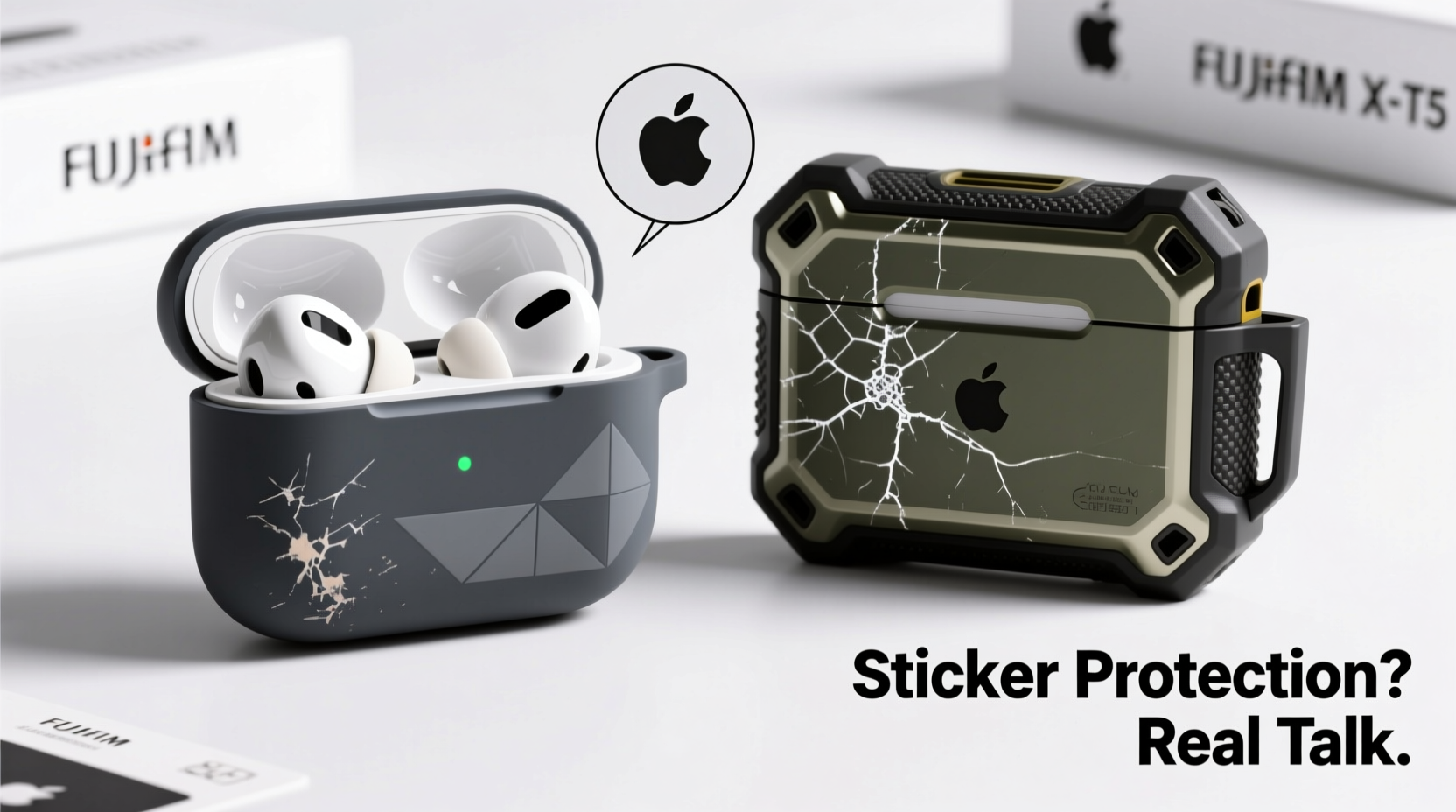
Before evaluating protection methods, it’s essential to understand what your AirPods are actually vulnerable to:
- Scratches and abrasions: From keys, coins, or rough surfaces in pockets and bags.
- Drops: Concrete, tile, or hardwood floors can crack plastic housings or damage internal components.
- Dust and debris: Accumulation in charging ports or speaker grilles can affect performance.
- Liquid exposure: While newer models have some water resistance, spills or rain can still pose risks.
- UV degradation: Prolonged sun exposure can yellow white plastic over time.
Protection solutions should ideally guard against these threats without compromising usability, charging efficiency, or aesthetics.
Tip: Even minor scratches on the case can trap dirt and make cleaning harder—prevention is easier than restoration.AirPods Cases: Full Coverage, But With Trade-Offs
Third-party hard-shell cases for AirPods aim to replace or augment the original Apple case. These typically feature thicker materials like TPU (thermoplastic polyurethane), silicone, or polycarbonate, designed to absorb impact from drops.
Benefits include:
- Enhanced drop protection due to shock-absorbing materials.
- Better grip, reducing slip risk from hands or surfaces.
- Custom designs and colors for personalization.
- Sometimes include belt clips or lanyard attachments.
However, there are notable downsides:
- Increased bulk: The slim profile of AirPods is compromised when encased in a larger shell.
- Interference with wireless charging: Some thick cases block Qi charging pads, requiring removal before charging.
- Poor fit: Low-quality cases may not align perfectly with ports or buttons, making access difficult.
- Heat retention: Trapping heat during charging could potentially degrade battery life over time.
“While aftermarket cases improve durability, they often sacrifice the minimalist design Apple intended. Users must balance protection with functionality.” — Jordan Lee, Tech Accessory Analyst at GadgetGuard Labs
AirPods Skins and Stickers: Style Over Substance?
Skins—thin vinyl wraps or adhesive stickers—are marketed as scratch-resistant shields that preserve the original look while adding flair. They cover only the surface, not the entire device.
Proponents argue that skins:
- Prevent micro-scratches from everyday handling.
- Are nearly invisible when applied correctly.
- Allow full access to all ports and features.
- Come in thousands of designs, from matte finishes to holographic patterns.
But here’s the catch: skins don’t protect against impacts. If you drop your AirPods, the sticker won’t prevent a cracked housing. At best, it may conceal minor blemishes; at worst, air bubbles or peeling edges can make the device look worse than unprotected.
Moreover, improper application can lead to residue, misalignment, or trapped dust. Removing low-quality skins might even pull paint off older units, especially if left on for months.
When Skins Make Sense
Skins are most effective in controlled environments—office commutes, desk use, or light daily carry where drops are unlikely. For active lifestyles involving sports, travel, or outdoor work, they offer minimal real-world defense.
Case vs Skin: A Direct Comparison
| Feature | AirPods Case (Aftermarket) | AirPods Skin/Sticker |
|---|---|---|
| Drop Protection | High (with quality materials) | None |
| Scratch Resistance | Moderate to High | Low to Moderate (surface only) |
| Bulk Added | Significant | Negligible |
| Wireless Charging Compatibility | Sometimes blocked | Always compatible |
| Cost | $8–$25 | $5–$12 |
| Lifespan | 1–3 years (depends on material) | 6–18 months (peeling risk) |
| Ease of Replacement | Moderate (must reposition earbuds) | Easy (peel and reapply) |
Real-World Example: The Commuter’s Dilemma
Take Sarah, a graphic designer who uses her AirPods Pro daily during her 45-minute subway commute. She tosses them into her backpack alongside pens, chargers, and notebooks. After six months, she notices deep scratches on the case and a chipped corner from being crushed under a laptop.
She tries a vinyl skin next, but within weeks, the edge starts lifting from friction with other items. Eventually, she switches to a rugged silicone case with a carabiner clip, attaching it to the outside of her bag. Over the next year, despite multiple accidental drops and exposure to rain, her AirPods remain fully functional and visually intact.
Sarah’s experience shows that environment dictates protection needs. In high-friction, unpredictable settings, a case offers tangible value. In gentler conditions, a skin might suffice for cosmetic preservation.
Step-by-Step: Choosing the Right Protection for You
- Assess your usage pattern: Do you frequently drop devices, pack them loosely, or expose them to elements?
- Decide on priorities: Is impact protection more important than portability?
- Check compatibility: Ensure any case supports wireless charging and fits your AirPods model (Gen 1, 2, 3, Pro, etc.).
- Read reviews: Look for feedback on durability, ease of installation, and long-term adhesion (for skins).
- Test one option first: Don’t buy five skins or cases at once—try a single reputable brand before committing.
Frequently Asked Questions
Can a skin protect my AirPods from water?
No. Skins are not waterproof and do not seal ports. Even water-resistant models like AirPods Pro should avoid submersion. A skin adds zero moisture protection.
Do protective cases affect Bluetooth signal?
Not significantly. Bluetooth signals easily penetrate plastic and silicone. Any interference would stem from extremely thick metal-lined cases, which are rare and generally not recommended.
Are expensive cases worth it?
Sometimes. Premium brands like Spigen, OtterBox, or Native Union use better materials and precise molds. Cheap cases may crack or discolor quickly. Investing $15–20 in a well-reviewed case often pays off in longevity.
Tip: Clean your AirPods case weekly with a dry microfiber cloth. Dirt buildup accelerates wear and reduces hygiene.Final Verdict: Are You Wasting Money?
The answer depends on your expectations. If you believe a sticker will save your AirPods from a 3-foot drop onto pavement, then yes—you’re likely wasting money. Skins simply aren’t engineered for that level of protection.
But if your goal is to maintain resale value, prevent fine scratches, or express your style, then a high-quality skin can be a smart, low-cost upgrade. Similarly, a well-designed case isn’t frivolous—it’s practical insurance against common accidents.
Ultimately, think of skins as sunscreen: great for preventing gradual damage from daily exposure. Think of cases as helmets: built for sudden, high-impact events.
Conclusion: Protect Smart, Not Just Stylishly
Your AirPods represent a meaningful investment—both financially and functionally. Whether you opt for a rugged case or a sleek skin, choose based on how you actually use them, not just how they look online. Prioritize fit, material quality, and real-world performance over flashy marketing claims.
Don’t assume all protection is equal. Evaluate your lifestyle, match it with the right solution, and remember: the best accessory is one you’ll actually use consistently—without frustration or compromise.
🚀 Ready to upgrade your AirPods’ defense? Reassess your current setup today—your future self (and your next pair of earbuds) will thank you.








