Bringing a puppy home is one of life’s most joyful experiences. But behind the wagging tail and playful eyes lies the responsibility of ensuring they grow into a healthy, well-adjusted dog. While it's tempting to splurge on every cute accessory, smart choices matter—especially when budgeting for long-term care. The good news? You don’t need luxury items to give your pup a great start. With thoughtful planning, you can provide all the essentials at a fraction of the cost.
Core Essentials Every Puppy Needs
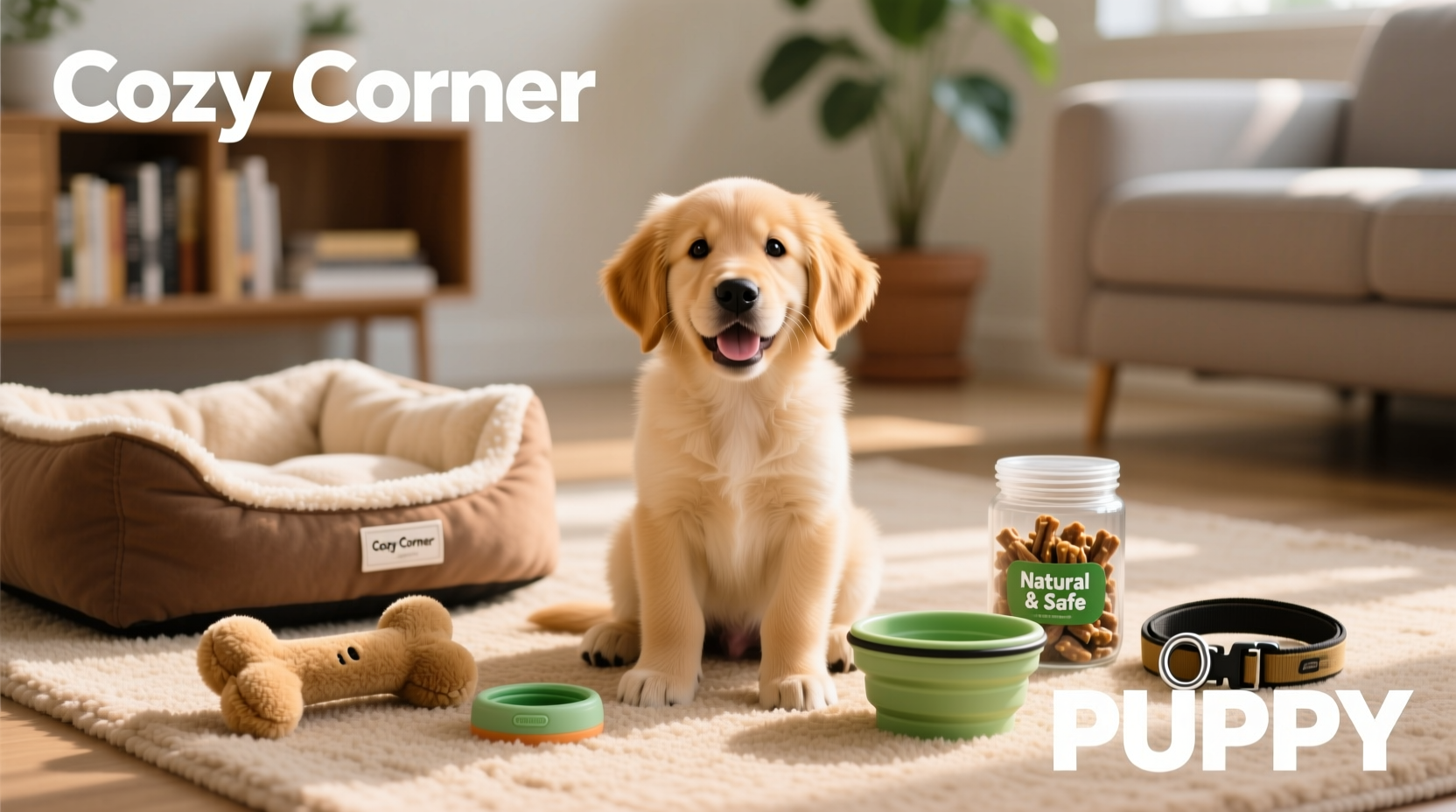
Before considering toys or fashion accessories, focus on the foundational items that support your puppy’s safety, hygiene, and development. These are non-negotiables:
- Collar and ID tag: A simple nylon collar with an engraved tag listing your contact information drastically increases the chances of a safe return if your puppy wanders off.
- Leash: A 4–6 foot nylon or cotton leash is ideal for early walks and training. Retractable leashes aren't recommended for puppies due to lack of control.
- Food and water bowls: Stainless steel bowls are affordable, durable, and resistant to bacteria buildup compared to plastic, which can cause chin acne in some breeds.
- Crate: A wire or plastic crate provides a secure sleeping space and aids in housebreaking. Choose one with a divider so it grows with your pup.
- Puppy food: High-quality nutrition is essential. Look for brands with real meat as the first ingredient and avoid fillers like corn and soy.
- Poop bags: Always carry them. Biodegradable options are eco-friendly and often cost just pennies per bag.
Budget-Friendly Accessories That Make a Difference
Once the basics are covered, consider low-cost accessories that enhance training, comfort, and safety:
- Chew toys: Rope knots, rubber rings, and soft plush toys (without small parts) satisfy natural chewing instincts. Rotate toys weekly to maintain interest.
- Training pads: Useful for apartment dwellers or during bad weather. Place them near the door to reinforce outdoor potty habits.
- Brush and comb: Even short-haired breeds benefit from weekly brushing. A slicker brush ($8–$12) reduces shedding and strengthens bonding.
- Travel carrier or harness: For car rides, a seatbelt-secured harness keeps your puppy safe and prevents distraction while driving.
“Investing in consistency beats spending on gadgets. A $5 chew toy used daily teaches more than a $50 automatic ball launcher.” — Dr. Lena Patel, Veterinary Behaviorist
Smart Shopping: Where to Save Without Sacrificing Quality
You don’t need premium prices to get reliable gear. Strategic sourcing cuts costs significantly:
| Item | Affordable Option | Where to Find | Avg. Price |
|---|---|---|---|
| Crate | Foldable wire crate | Warehouse clubs, online marketplaces | $35–$50 |
| Leash & Collar Set | Nylon set with adjustable fit | Discount pet stores, clearance sections | $10–$15 |
| Stainless Steel Bowls | Double feeder (food + water) | Home goods stores, dollar stores | $6–$12 |
| Chew Toys | Rubber KONG-style or braided rope | Wholesale pet suppliers, bulk packs | $3–$7 each |
| Pet First Aid Kit | DIY kit using household supplies | Assembled at home | $15–$20 |
Step-by-Step: Setting Up Your Home for a Puppy on a Budget
Preparing your space doesn’t require expensive renovations. Follow this timeline to create a safe, welcoming environment affordably:
- Week 1: Assess and secure your space. Use baby gates or furniture to block off unsafe areas. No need for pricey playpens—repurpose bookshelves or low railings.
- Day of arrival: Set up the crate in a quiet corner. Line it with a soft blanket (use old towels to save money). Keep toys and bowls nearby.
- First week: Introduce one toy at a time. Label each with tape to track what your puppy prefers. Replace damaged toys gradually.
- By Week 3: Begin short leash walks. Use sidewalks or local parks instead of buying backyard agility sets. Nature is free training terrain.
- Month 2: Review supply usage. Note which items are worn out or unnecessary. Redirect savings toward vet visits or training classes.
Real Example: How One Family Raised a Healthy Puppy for Under $200
The Thompsons adopted a mixed-breed puppy named Milo from a local shelter. With a strict $200 budget for initial supplies, they prioritized wisely:
- Bought a used wire crate from a Facebook marketplace for $25.
- Used stainless steel bowls from their kitchen instead of buying new ones.
- Received a free starter kit from the shelter: leash, collar, sample food, and two toys.
- Collected safe chew items: knotted old t-shirts and cleaned hooves from a butcher (free).
- Trained with homemade treats—tiny bits of boiled chicken or store-brand training biscuits.
Milo was fully housebroken by 14 weeks, socialized through neighborhood walks, and never suffered from destructive chewing thanks to rotating, accessible toys. Their secret? Consistency over cost.
Frequently Asked Questions
Do I really need to buy puppy-specific food?
Yes. Puppies require higher levels of protein, calcium, and DHA for brain development. Adult dog food lacks these in the right proportions. However, mid-tier brands like Purina Pro Plan Puppy or Blue Buffalo Life Protection offer balanced nutrition without premium pricing.
Can I make my own puppy toys?
Absolutely. Braided fabric strips, knotted socks (with knots tight enough to prevent unraveling), and empty plastic bottles (with lids secured) can serve as temporary chews. Supervise closely and discard if torn.
Are secondhand items safe?
Some are. Crates, carriers, and hard-sided toys can be safely sanitized with soap and diluted bleach (1:32 ratio). Avoid used collars, plush toys, or bowls due to bacteria and parasite risks.
Final Checklist: Affordable Puppy Prep
Before bringing your puppy home, ensure you have these essentials ready:
- ✅ Collar with ID tag
- ✅ Leash (4–6 feet)
- ✅ Food and water bowls (stainless steel preferred)
- ✅ Crate with divider panel
- ✅ High-quality puppy food (start with a small bag)
- ✅ Chew-safe toys (2–3 varieties)
- ✅ Poop bags (biodegradable if possible)
- ✅ Enzyme cleaner for accidents
- ✅ Brush or grooming mitt
- ✅ List of nearby vets and emergency clinics
Conclusion: Start Smart, Stay Committed
Your puppy’s happiness doesn’t depend on how much you spend—it depends on your presence, patience, and preparedness. By focusing on practical, affordable essentials, you build a foundation of trust and routine that no expensive gadget can replace. The early months shape a lifetime of behavior, so invest your energy where it matters most: consistent care, positive reinforcement, and daily connection.
💬 Have a tip for saving on puppy supplies? Share your experience below and help other new pet parents start strong!








