Dog ear hygiene is often overlooked—until a head tilt, persistent scratching, or unpleasant odor signals trouble. Regular ear cleaning isn’t just about freshness; it’s a crucial part of preventing infections, especially in breeds with floppy ears or those prone to allergies. The good news? Effective, gentle, and affordable dog ear cleaners are widely available. From budget-friendly pharmacy staples to vet-recommended formulas with added soothing ingredients, there’s an option for every pet and lifestyle.
Choosing the right product doesn’t have to mean spending top dollar. With a clear understanding of ingredients, application methods, and your dog’s individual needs, you can maintain clean, irritation-free ears without breaking the bank.
Why Regular Ear Cleaning Matters
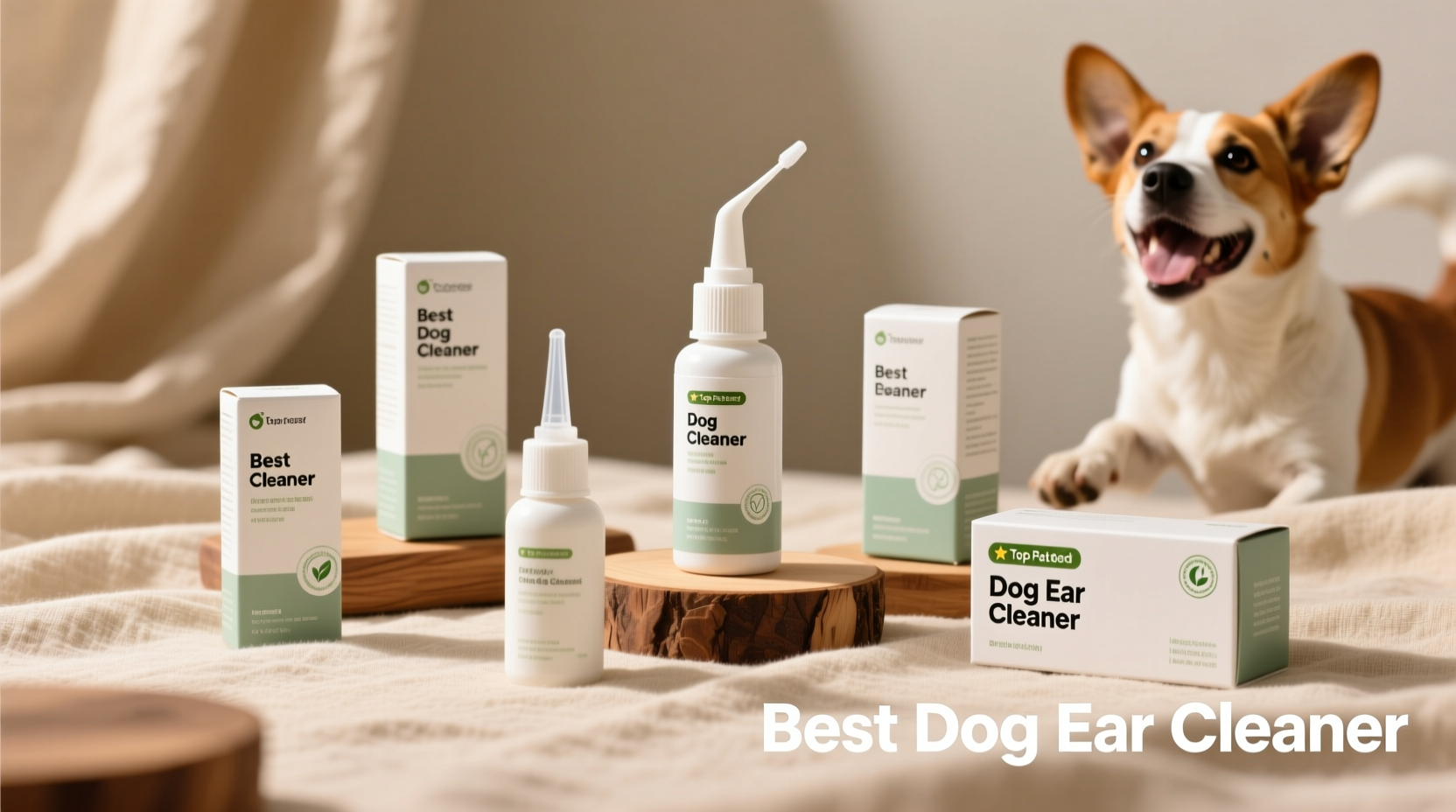
Dogs’ ear canals are L-shaped, making them prone to trapping moisture, wax, and debris. This environment fosters bacterial and yeast growth, leading to otitis externa—the medical term for outer ear infection. Dogs that swim frequently, have hairy ear canals (like Poodles), or suffer from seasonal allergies are at higher risk.
Regular cleaning removes excess wax, dries out dampness, and helps maintain a balanced pH in the ear canal. It also allows owners to monitor for early signs of redness, swelling, or discharge before conditions worsen.
“Routine ear maintenance can reduce recurrent infections by up to 60% in predisposed dogs.” — Dr. Lena Torres, DVM, Veterinary Dermatologist
Key Ingredients to Look For (and Avoid)
Not all ear cleaners are created equal. Some rely on harsh chemicals that may irritate sensitive tissue, while others use science-backed formulations designed to cleanse gently and prevent microbial overgrowth.
Tip: Always check the ingredient list. If alcohol is one of the first three ingredients, consider a gentler alternative—especially for dogs with sensitive or inflamed ears.Effective Ingredients
- Salicylic acid – Helps break down wax and has mild antifungal properties.
- Chlorhexidine – A broad-spectrum antimicrobial effective against bacteria and yeast.
- Ethanol (in moderation) – Dries the ear canal but should not dominate the formula.
- Aloe vera & oat extract – Soothe irritation and reduce inflammation.
- Tris-EDTA – Enhances the effectiveness of other antimicrobials and supports healing.
Ingredients to Avoid
- Hydrogen peroxide – Can damage delicate ear tissue and worsen inflammation.
- Strong fragrances – May cause allergic reactions or discomfort.
- Propylene glycol (high concentrations) – Potentially irritating in sensitive animals.
Top Affordable & Versatile Picks
The following products balance performance, safety, and cost-effectiveness. All are widely available online or at major pet retailers, with prices based on standard 4–8 oz bottles.
| Product | Key Features | Price Range | Best For |
|---|---|---|---|
| Vet’s Best Ear Cleaner | Natural ingredients (citrus extracts, aloe), no parabens, fragrance-safe | $8–$12 | Dogs with sensitivities, routine maintenance |
| Zymox Otic Enzymatic Solution | Enzyme-based, no antibiotics, safe for chronic use | $15–$20 | Dogs with recurring infections |
| Virbac Epi-Otic Advanced | Vet-recommended, low pH, dries quickly, non-irritating | $12–$16 | All dogs, especially water-loving breeds |
| Square Pet Ear Cleaner | Budget-friendly, includes drying agents and mild cleansers | $7–$10 | First-time users, basic cleaning |
| Thomas Labs Absorb-A-Kwik | Powder-based, absorbs moisture instantly | $10–$14 | Post-swim or post-bath drying |
Step-by-Step Guide to Cleaning Your Dog’s Ears
Proper technique ensures thorough cleaning without causing pain or pushing debris deeper into the canal.
- Inspect the ears first. Look for redness, swelling, discharge, or strong odor. If present, consult your vet before cleaning.
- Choose a calm setting. Perform the cleaning after a walk or during a relaxed moment to minimize resistance.
- Hold the ear upright. Gently lift the ear flap to straighten the canal.
- Apply the solution. Squeeze the recommended amount (usually 3–5 ml) directly into the ear canal. Avoid touching the tip to the ear to prevent contamination.
- Massage the base. Hold the ear closed and massage the base for 20–30 seconds. You should hear a squishing sound—this means the fluid is working through the canal.
- Let your dog shake. This helps bring debris to the surface.
- Wipe the outer ear. Use a cotton ball or gauze pad to clean visible wax and residue. Never insert anything deep into the ear.
- Reward immediately. Treats and praise build positive associations.
Real Example: Managing Chronic Ear Issues in a Cocker Spaniel
Milo, a 4-year-old Cocker Spaniel, had suffered from recurring ear infections since puppyhood. His owner, Sarah, visited the vet four times in one year, each time receiving antibiotics and anti-inflammatory medication. Frustrated and concerned about antibiotic overuse, she consulted a veterinary dermatologist.
The specialist recommended switching to a weekly regimen using Virbac Epi-Otic Advanced and trimming hair around the ear canal. Sarah also started using Thomas Labs powder after baths. Within two months, Milo’s flare-ups decreased significantly. He hasn’t needed prescription meds in over eight months.
“It wasn’t about finding a miracle cure,” Sarah said. “It was consistency and using the right tools. Now cleaning ears is part of our routine—like brushing his teeth.”
Checklist: Safe & Effective Ear Care Routine
- ✅ Inspect ears weekly for redness, odor, or discharge.
- ✅ Clean only as needed—typically every 1–2 weeks for most dogs.
- ✅ Use a vet-approved, pH-balanced cleaner.
- ✅ Massage the ear base thoroughly after application.
- ✅ Dry ears completely after swimming or bathing.
- ✅ Never use cotton swabs inside the ear canal.
- ✅ Schedule professional cleanings if your dog has excessive hair or chronic issues.
Frequently Asked Questions
How often should I clean my dog’s ears?
For most dogs, cleaning every 1–2 weeks is sufficient. Dogs that swim regularly or have droopy ears may benefit from weekly cleaning. Over-cleaning can disrupt natural flora and cause irritation, so adjust frequency based on your dog’s lifestyle and ear health.
Can I use human ear cleaners on my dog?
No. Human ear drops are formulated for different pH levels and often contain ingredients like alcohol or hydrogen peroxide that can be too harsh for canine ears. Always use products specifically designed for dogs.
What if my dog won’t let me clean their ears?
Start slowly. Touch the ears gently during cuddle time and reward calm behavior. Use high-value treats during and after attempts. If fear or aggression persists, consult a trainer or veterinarian—there may be underlying pain or anxiety.
Final Thoughts
Keeping your dog’s ears clean doesn’t require expensive treatments or complex routines. With affordable, well-formulated cleaners and consistent care, you can prevent discomfort and costly vet visits. Whether you choose a natural option like Vet’s Best or a clinical favorite like Epi-Otic, the key is regularity and proper technique.
Healthy ears contribute to overall comfort and well-being. By integrating simple ear care into your pet’s grooming schedule, you’re not just maintaining freshness—you’re supporting long-term health.
💬 Have a favorite ear cleaner or a success story? Share your experience in the comments and help fellow pet owners make informed choices!








