Dog training is an essential part of responsible pet ownership. While positive reinforcement remains a cornerstone of humane training, some owners turn to remote training collars—commonly referred to as shock collars—for off-leash control, behavioral correction, or specialized obedience work. When used responsibly and with proper understanding, these tools can support training in distracting environments or address specific behavioral issues like excessive barking or boundary violations.
However, not all shock collars are created equal. Many products on the market are either too expensive for casual users or lack reliability and safety features. This guide focuses on identifying the most affordable yet dependable options currently available, balancing cost, functionality, and animal welfare considerations. The goal is to help dog owners make informed decisions without compromising effectiveness or ethical standards.
Understanding Dog Shock Collars: Purpose and Responsibility
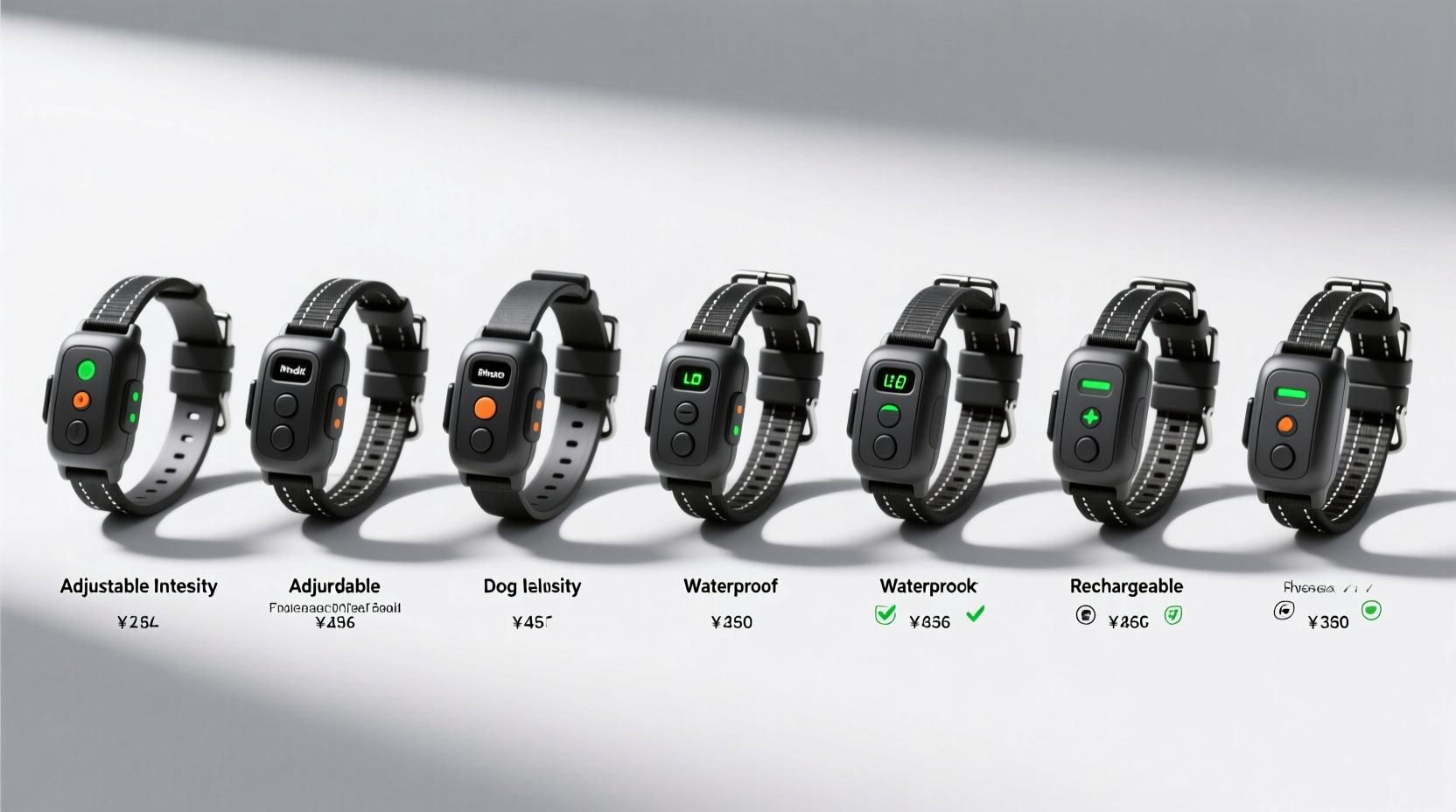
Shock collars deliver a brief electric stimulus to a dog’s neck via contact points on the collar. The sensation is meant to be startling rather than painful when used correctly. Modern devices often include adjustable intensity levels, vibration modes, tone alerts, and long-range controls, allowing for customizable training approaches.
It's critical to emphasize that these tools should never replace foundational training techniques. They are best suited as secondary aids under the guidance of a professional trainer. Misuse—such as high-intensity settings, prolonged stimulation, or inconsistent timing—can lead to fear, anxiety, or aggression in dogs.
“Remote training collars can be effective when used as part of a balanced training program, but they require knowledge, patience, and consistency.” — Dr. Karen Becker, DVM and Animal Behavior Specialist
Responsible use means starting at the lowest effective level, pairing stimuli with clear cues, and using the collar only during training sessions—not as a constant wear item.
Top 10 Affordable and Reliable Dog Shock Collars
The following list evaluates models based on price (under $100), build quality, range, battery life, customer feedback, and safety features such as automatic shut-off and progressive correction settings. All listed collars are rechargeable and waterproof, making them suitable for outdoor use.
| Model | Range (ft) | Stimulation Modes | Price Range | Key Features |
|---|---|---|---|---|
| Bossier BC-50 | 1,000 | Shock, Vibration, Tone | $49–$69 | Long range, IPX7 waterproof, LCD remote |
| Educator E-Collar 600M | 1,950 | Shock, Vibration, Tone | $85–$95 | Military-grade durability, dual-dog capable |
| PetTrainer PT-3000 | 900 | Shock, Vibration, Tone | $55–$65 | Progressive correction, low-battery indicator |
| Bite Defender BD-88 | 800 | Shock, Tone | $39–$49 | Budget pick, simple interface |
| DOGZO C5 | 1,300 | Shock, Vibration, Tone | $70–$80 | Sleek design, USB charging, lightweight receiver |
| Bayite BC120 | 1,200 | Shock, Vibration, Tone | $65–$75 | Adjustable pulse duration, durable casing |
| Stubborn Dog SD-1500 | 1,500 | Shock, Vibration, Tone | $75–$85 | High output for large breeds, dual-user remote |
| EFODOG F10 | 1,000 | Shock, Vibration, Tone | $50–$60 | Good value, includes carrying case |
| POOCHOCK P-2000 | 2,000 | Shock, Tone | $80–$90 | Highest range in class, rugged build |
| ORPHEW O-88 | 1,100 | Shock, Vibration, Tone | $60–$70 | Low latency, ergonomic remote |
How to Choose the Right Collar for Your Dog
Selecting the best shock collar involves more than just price. Consider your dog’s size, temperament, training goals, and environment. A high-powered collar designed for hunting dogs may be overkill for a small breed learning recall in suburban areas.
- Size & Fit: Ensure the receiver fits comfortably under the dog’s neck without dangling. Most collars fit necks from 9” to 22”.
- Training Needs: For basic obedience, tone and vibration may suffice. For off-leash hiking or livestock guarding, longer range and stronger correction may be necessary.
- Rechargeability: Rechargeable models save money and reduce waste compared to battery-operated ones.
- Water Resistance: Look for IPX7 rating or higher if your dog swims or trains in wet conditions.
- Multi-Dog Support: Some remotes control two collars, ideal for households with multiple dogs.
Step-by-Step Guide to Introducing a Shock Collar
- Familiarize your dog with the collar: Let them wear it without activation for short periods to prevent association with discomfort.
- Pair stimulation with known commands: Use “sit” or “come,” then apply a low-level stimulus only if the dog disobeys.
- Use immediate feedback: Stimuli must follow unwanted behavior within 1–2 seconds to be effective.
- End sessions positively: Always conclude with praise or a treat after successful response.
- Limit usage: Never leave the collar on for more than 8–12 hours daily, and remove it overnight.
Real-World Example: Training a High-Energy Border Collie
Mark, a dog owner in Colorado, struggled with his 2-year-old Border Collie, Luna, who would chase wildlife during hikes despite excellent backyard recall. Traditional methods failed in high-distraction environments. After consulting a certified trainer, he purchased the Educator E-Collar 600M for its 1,950-foot range and dual-dog capability (he plans to adopt another dog).
Using the step-by-step method above, Mark began incorporating the collar into structured training walks. He started with tone-only signals, progressing to light stimulation only when Luna ignored verbal cues. Within three weeks, her off-leash responsiveness improved dramatically. Mark emphasizes that the collar was never used punitively—he still relies heavily on treats and praise—and considers it a communication tool, not a punishment device.
Common Mistakes to Avoid
- Setting intensity too high: Start at level 1 and increase only if no response occurs after consistent use.
- Using the collar as a substitute for training: It supports training; it doesn’t replace it.
- Leaving the collar on continuously: Can cause skin irritation or pressure sores.
- Ignoring manufacturer instructions: Each model has unique safety protocols and charging requirements.
- Using on fearful or anxious dogs: May worsen stress-related behaviors.
Frequently Asked Questions
Are shock collars safe for dogs?
When used properly, modern shock collars are considered safe by many trainers and veterinary behaviorists. However, misuse can lead to physical or psychological harm. Always consult a professional before introducing one.
Can I use a shock collar on a puppy?
No. Puppies under 6 months should not use shock collars. Their cognitive and emotional development isn't ready for this type of correction. Focus on positive reinforcement during early stages.
Do veterinarians recommend shock collars?
Many vets advise caution. While some acknowledge their utility in specific cases, organizations like the ASPCA and AVSAB oppose their use due to potential for abuse and negative side effects. Always weigh alternatives first.
Final Checklist Before Buying
- ✅ Determine your training goal (recall, barking, boundaries)
- ✅ Confirm your dog is at least 6 months old and healthy
- ✅ Read reviews focusing on reliability and customer service
- ✅ Check return policy and warranty (preferably 1 year+)
- ✅ Test the collar under supervision and discontinue if signs of distress occur
Conclusion: Make Informed, Ethical Choices
Finding an affordable and reliable dog shock collar doesn’t mean sacrificing safety or effectiveness. The models listed here offer strong performance at accessible price points, but the real key to success lies in responsible use. These tools are not shortcuts—they are precision instruments that demand knowledge, patience, and empathy.
If you're unsure where to start, consider working with a certified dog trainer who uses science-based methods. They can help determine whether a remote collar is appropriate for your situation and guide you through proper implementation. With the right approach, even budget-friendly collars can play a constructive role in creating a well-behaved, confident dog.
💬 Have experience with any of these collars? Share your story or tips in the comments to help fellow dog owners train responsibly and effectively.








