
Bulldogs are beloved for their loyal personalities and distinctive looks, but they come with unique dietary and health needs. Their brachycephalic (short-nosed) structure, sensitive digestive systems, and predisposition to skin allergies mean that choosing the right dog food isn’t just about cost—it’s about long-term wellness. The good news is that high-quality nutrition doesn’t have to break the bank. With careful selection, pet owners can find affordable yet nutritious options that support a bulldog’s joint health, coat condition, and gastrointestinal balance.
This guide explores budget-friendly dog foods that meet the nutritional demands of bulldogs without compromising on ingredient quality. From protein sources to grain-free formulas, we’ll break down what matters most and how to spot value in a crowded market.
Nutritional Needs Specific to Bulldogs
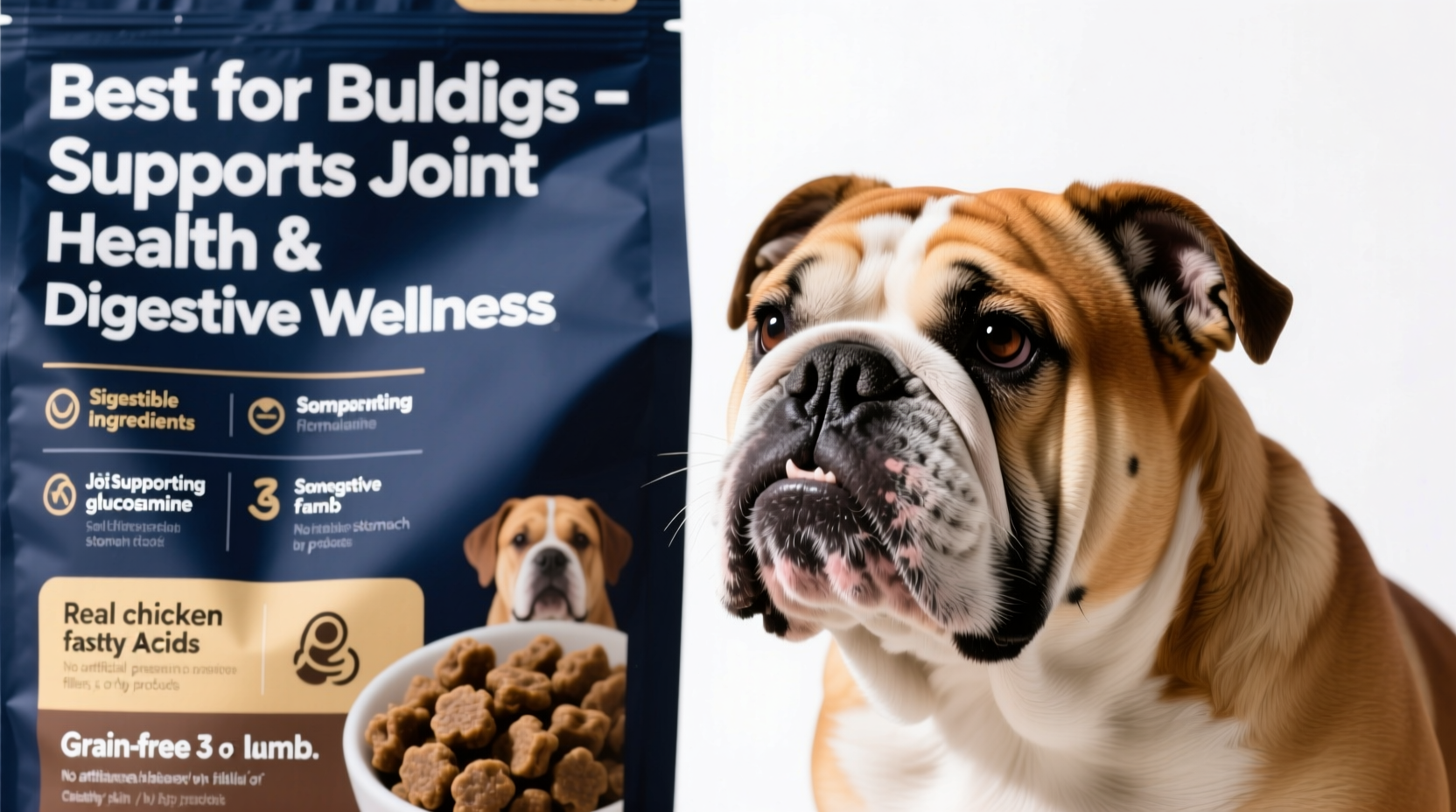
Bulldogs are prone to several health issues influenced by diet: obesity, flatulence, skin irritation, and ear infections. Their low-to-the-ground anatomy also means they’re more likely to develop yeast overgrowth if fed diets high in sugar or fillers. A well-formulated dog food should prioritize:
- High-quality animal protein as the first ingredient (e.g., chicken, lamb, or fish)
- Moderate fat levels to prevent weight gain while supporting energy
- Fiber-rich vegetables to aid digestion and reduce gas
- Omega-3 and omega-6 fatty acids for healthy skin and coat
- No artificial preservatives, colors, or corn-based fillers
Dry kibble is typically more affordable than wet or raw diets and works well for bulldogs when chosen carefully. Look for formulas labeled “complete and balanced” by AAFCO, ensuring they meet life-stage requirements.
Tip: Rotate between two high-quality brands occasionally to provide nutritional variety and reduce the risk of developing food sensitivities.Top Affordable & High-Quality Dog Food Brands for Bulldogs
Not all budget-friendly dog foods are created equal. Some cut corners with meat by-products and excessive grains. The following brands strike an excellent balance between cost, ingredient integrity, and breed-specific benefits:
| Brand & Product | Key Features | Average Price (per pound) | Best For |
|---|---|---|---|
| Rachael Ray Nutrish Peak Real Chicken & Venison | Real chicken as first ingredient, no poultry by-product meals, contains peas and potatoes | $1.75 | Bulldogs needing lean protein and digestible carbs |
| Blue Buffalo Life Protection Formula (Chicken & Brown Rice) | Contains LifeSource Bits for immune support, no corn, wheat, or soy | $2.10 | Skin-sensitive bulldogs |
| Purina Pro Plan Sensitive Skin & Stomach (Salmon & Rice) | Probiotics added, easily digestible formula, omega-rich salmon | $2.30 | Bulldogs with chronic gas or loose stools |
| Wellness Complete Health Small Breed (Turkey & Oatmeal) | Grain-inclusive with oatmeal for fiber, DHA for cognitive health | $2.40 | Active or senior bulldogs needing smaller kibble size |
| Canidae All Life Stages Multi-Protein Formula | Grain-free, uses lamb, turkey, chicken, and fish; ideal for rotation feeding | $2.00 | Owners seeking allergen-minimizing variety |
These brands consistently perform well in independent lab testing and customer satisfaction surveys. While Purina Pro Plan and Blue Buffalo sit slightly higher in price, their clinical formulations often reduce vet visits related to diet—making them cost-effective over time.
“Bulldogs thrive on consistency, but not monotony. A rotating diet of two or three premium-grade foods can improve gut microbiome diversity and reduce allergic responses.” — Dr. Lena Torres, DVM, Canine Nutrition Specialist
Step-by-Step Guide to Transitioning Your Bulldog’s Food
Switching dog food requires patience, especially for bulldogs with delicate stomachs. An abrupt change can lead to vomiting, diarrhea, or refusal to eat. Follow this gradual timeline:
- Days 1–2: Mix 25% new food with 75% old food.
- Days 3–4: Use a 50/50 blend of old and new.
- Days 5–6: Increase to 75% new food, 25% old.
- Day 7: Feed 100% new food.
Monitor your dog closely during this period. Signs of intolerance include excessive scratching, foul-smelling stool, or lethargy. If symptoms persist beyond 48 hours after full transition, consult your veterinarian and consider trying a different formula.
Tip: Serve meals at room temperature to enhance aroma and palatability—especially helpful for picky bulldogs.Real Example: How Max’s Digestion Improved on a Budget Diet
Max, a 3-year-old English Bulldog from Columbus, Ohio, suffered from chronic bloating and itchy skin. His owner, Sarah, had been feeding him a popular grocery-store brand priced under $1.50 per pound. Despite the low cost, Max frequently passed gas and required monthly antihistamines.
After consulting her vet, Sarah switched Max to Purina Pro Plan Sensitive Skin & Stomach using the 7-day transition method. Within two weeks, his stool firmed up, and his scratching decreased significantly. By week six, she’d discontinued antihistamines entirely. Though the new food cost $0.80 more per pound, the savings from reduced vet bills and supplements made it a net financial win.
“I assumed expensive meant better,” Sarah said. “But this brand proved that targeted nutrition—even at a moderate price—can make all the difference.”
Checklist: How to Choose Affordable Yet Quality Bulldog Food
Use this checklist before purchasing any dog food to ensure you're getting real value:
- ✅ First ingredient is a named animal protein (e.g., “deboned chicken,” not “meat meal”)
- ✅ No corn, wheat, or soy listed in the top five ingredients
- ✅ Contains probiotics or prebiotic fibers like chicory root or beet pulp
- ✅ Includes omega fatty acids from fish oil or flaxseed
- ✅ Manufactured in FDA-registered facilities with transparent sourcing
- ✅ Positive reviews from other bulldog owners regarding stool quality and coat shine
- ✅ Offered in subscription discounts via retailers like Chewy or Amazon
Many brands offer auto-ship programs that reduce the final price by 5–15%, making premium options more accessible. Always compare cost per ounce rather than bag price alone.
Frequently Asked Questions
Is grain-free food necessary for bulldogs?
Not necessarily. While some bulldogs benefit from grain-free diets due to allergies, recent FDA studies suggest a potential link between certain grain-free formulas and heart disease (Dilated Cardiomyopathy). Unless your dog has a diagnosed grain sensitivity, a well-formulated grain-inclusive food with brown rice or oats may be safer and more affordable.
How much should I feed my bulldog daily?
An adult bulldog typically needs 1.5 to 2.5 cups of dry food per day, split into two meals. Exact amounts depend on age, activity level, and metabolism. Overfeeding is a common cause of hip strain and breathing difficulties in this breed. Use your dog’s rib check as a guide: you should be able to feel—but not prominently see—the ribs.
Can I supplement kibble with fresh food to save money?
Yes, but do so thoughtfully. Adding boiled chicken, pumpkin puree, or scrambled eggs can boost nutrition and palatability. Avoid onions, garlic, grapes, or seasoned meats. Consult your vet before introducing major changes, especially if your dog has existing conditions.
Final Thoughts: Smart Choices for a Healthier Bulldog
Finding affordable and quality dog food for bulldogs is entirely possible—with the right knowledge. Prioritize ingredient transparency, digestive support, and consistent formulation over flashy marketing claims. The most effective diets aren’t always the priciest, but they are always intentional.
By selecting one of the recommended brands, transitioning carefully, and monitoring your dog’s response, you can maintain your bulldog’s vitality without overspending. Remember, every dollar saved on high-quality nutrition today could prevent hundreds in veterinary costs tomorrow.
🚀 Ready to upgrade your bulldog’s bowl? Start with a small bag of a recommended formula and observe changes in energy, coat, and digestion. Share your experience with fellow bulldog owners—your insight might help another pet parent make a smarter choice.








