Cats are natural hunters. Even when well-fed and living indoors, their instincts drive them to stalk, pounce, and play. Without proper stimulation, these behaviors can turn into destructive habits or lead to obesity and lethargy. The right toy doesn’t just entertain—it fulfills a biological need. The challenge? Finding toys that are both effective and affordable. Many commercial options are overpriced, break quickly, or fail to hold a cat’s attention beyond a few minutes. This guide cuts through the noise, spotlighting budget-friendly, durable, and irresistibly engaging toys that truly keep cats active.
Why Play Matters More Than You Think
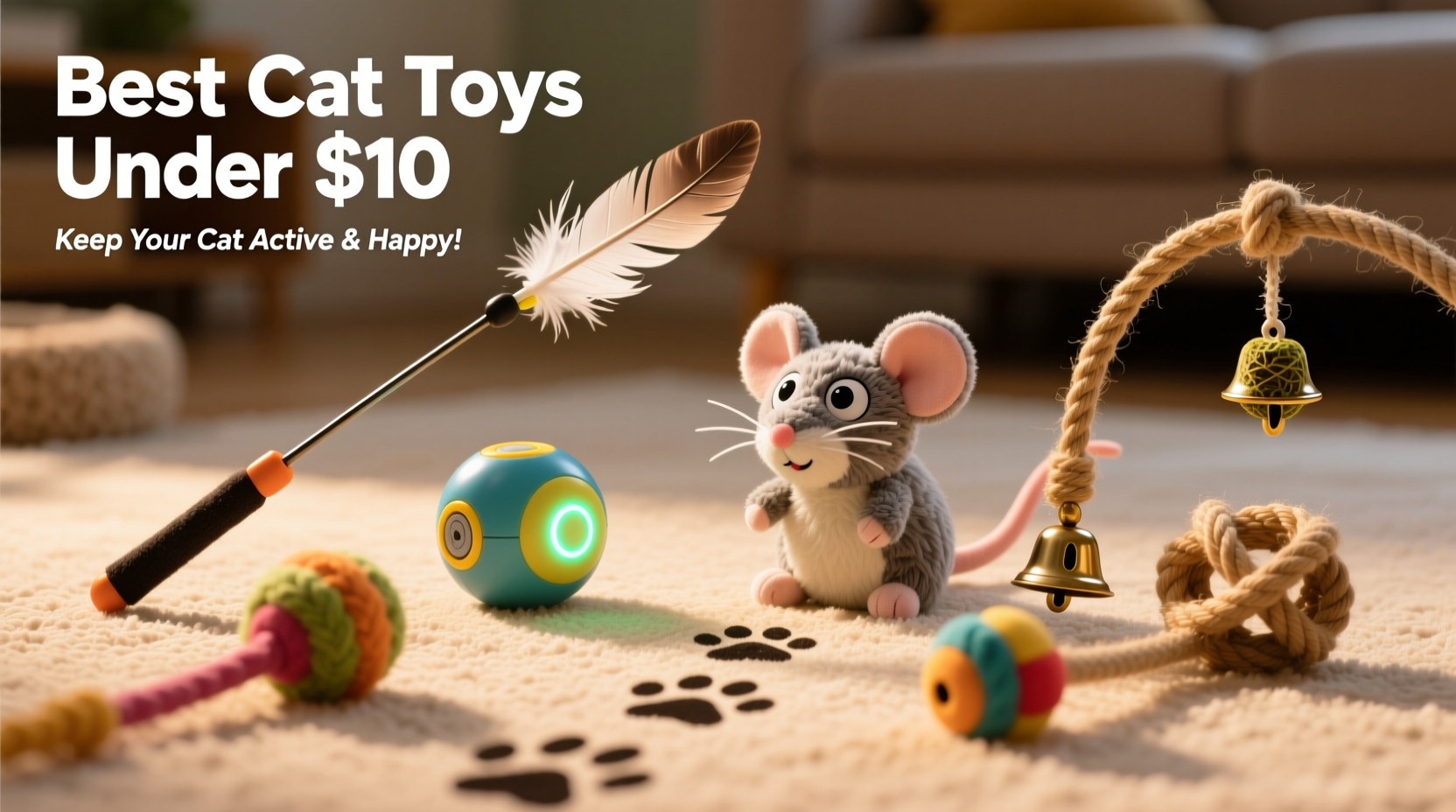
Play is not just recreation for cats—it’s essential exercise and mental enrichment. Indoor cats, in particular, lack the environmental complexity of the outdoors. Without opportunities to simulate hunting, they may become overweight, anxious, or develop behavioral issues like excessive grooming or aggression.
According to Dr. Mikel Delgado, a feline behavior expert at the University of California, Davis:
“Daily interactive play sessions mimic the hunt-kill-eat-sleep cycle cats follow in the wild. Even 10–15 minutes a day can significantly improve a cat’s physical health and emotional well-being.” — Dr. Mikel Delgado, Feline Behavior Scientist
The best toys don’t just dangle—they challenge, surprise, and reward. They tap into a cat’s predatory sequence: spotting, stalking, chasing, pouncing, biting, and “killing.” Toys that engage multiple stages of this sequence provide deeper satisfaction than those that only offer visual movement.
Tip: Rotate toys weekly to prevent habituation. Cats lose interest in static environments—novelty keeps them engaged.Top 5 Affordable & Engaging Cat Toy Picks
These toys combine low cost, high durability, and proven appeal across different cat personalities. Most are under $10, with several DIY options costing less than $1.
1. Da Bird Wand Toy (or DIY Feather Wand)
A lightweight pole with fluttering feathers mimics birds in flight—triggering intense chase responses. While the original Da Bird runs around $15, you can make a similar version using a dowel rod, string, and craft feathers ($3). Replace feathers as needed.
2. Ping Pong Balls
Roll them across the floor or drop them into empty toilet paper rolls. Their unpredictable bounce activates chase instincts. Cost: $0.50 per pack. Bonus: Safe for supervised floor play or contained spaces like bathtubs.
3. Crinkle Balls with Bells
Small, lightweight, and noisy, these encourage batting and retrieval. Look for ones made from recycled paper or felt—many under $2 on Amazon or at pet discount stores.
4. Cardboard Boxes with Holes
Free and endlessly customizable. Cut holes of varying sizes and add crumpled paper or ping pong balls inside. A simple box becomes a puzzle toy. Pro tip: Place treats or catnip inside to increase engagement.
5. Motorized Laser Pointers (Budget Models)
Automatic laser toys project moving dots across floors and walls. Choose models under $20 with safety timers and randomized patterns. Never shine directly into your cat’s eyes, and always end the session with a physical toy “capture” to avoid frustration.
| Toy | Price Range | Best For | Durability |
|---|---|---|---|
| DIY Feather Wand | $1–$5 | Interactive play, jumping | High (replaceable parts) |
| Ping Pong Balls | $0.50–$3 | Chasing, solo play | Medium (can crack) |
| Crinkle Balls | $1–$4 | Batting, auditory stimulation | Low to Medium |
| Cardboard Box Maze | Free–$2 | Exploration, hiding | Low (but replaceable) |
| Budget Laser Toy | $15–$25 | High-energy cats, automatic use | High |
How to Maximize Engagement: A Step-by-Step Routine
Toys work best when used intentionally. Follow this daily routine to stimulate your cat’s natural instincts:
- Warm-up (1–2 min): Use a wand toy to get your cat’s attention. Move it slowly to mimic prey warming up.
- Stalk Phase (3–5 min): Drag the toy along the floor, pausing behind furniture. Let your cat crouch and focus.
- Chase & Pounce (5–7 min): Increase speed, encouraging leaps and captures. Allow your cat to “catch” the toy occasionally.
- Kill Bite (1 min): Once caught, let your cat bite and shake the toy. This completes the psychological loop.
- Reward (Optional): Offer a treat or brush afterward to reinforce positive energy release.
Real Example: How Mia Transformed from Lethargic to Lively
Mia, a 4-year-old domestic shorthair adopted from a shelter, spent most days napping on the couch. Her owner, Jen, noticed she’d gained weight and showed little interest in toys. After consulting her vet, Jen learned that Mia wasn’t getting enough mental stimulation.
Jen started a simple routine: 10 minutes of wand play each morning and evening, rotating between a feather teaser, a crinkle ball, and a cardboard tunnel made from shipping boxes. Within two weeks, Mia was chasing toys down hallways, leaping onto furniture to ambush her “prey,” and even bringing toys back for “replay.” Over three months, she lost half a pound and became more affectionate and alert.
“I didn’t realize how much she needed structured play,” Jen said. “Now it’s our bonding time. She looks forward to it—and so do I.”
Checklist: Building a High-Value, Low-Cost Toy Collection
- ☐ Start with one interactive wand toy (store-bought or DIY)
- ☐ Stock up on 5–10 ping pong or crinkle balls
- ☐ Save clean cardboard boxes and toilet paper rolls
- ☐ Introduce one new toy every 5–7 days
- ☐ Dedicate 10–15 minutes daily to active play
- ☐ Store unused toys out of sight to preserve novelty
- ☐ Use catnip or silver vine sparingly to boost interest
Common Mistakes That Reduce Toy Effectiveness
Even great toys fail when used incorrectly. Avoid these pitfalls:
- Leaving toys out constantly: Cats habituate quickly. Out of sight = renewed excitement later.
- Using only passive toys: Balls and mice are good, but they don’t replace interactive play.
- Ending with an unreachable prize: If your cat chases a laser dot all night but never “catches” anything, it can cause stress.
- Ignoring your cat’s preferences: Some cats love feathers, others prefer crinkles or motorized toys. Observe and adapt.
Frequently Asked Questions
Are cheap toys safe for cats?
Yes, if chosen wisely. Avoid toys with small detachable parts that could be swallowed. Always supervise play with string-based toys and remove worn items. Most dollar-store crinkle balls and ping pong balls are safe for short-term, monitored use.
How many toys does my cat really need?
Quality beats quantity. Three to five rotating toys are better than ten left out. Focus on variety—something for chasing, something for batting, something for hiding in.
My cat ignores all toys. What should I do?
Try pairing toys with food rewards. Drag a wand toy toward a treat, or place kibble inside a crinkle ball. Also, experiment with cat-safe herbs like silver vine or valerian root—some cats respond more strongly than to catnip.
Final Thoughts: Small Investment, Big Impact
The best cat toy isn’t about price or brand—it’s about how well it engages your cat’s instincts. With thoughtful selection and consistent interaction, even the simplest toys can transform sedentary pets into agile, fulfilled companions. The key is variety, rotation, and daily participation. You don’t need fancy gadgets or endless spending. What matters is understanding your cat’s needs and meeting them with creativity and care.
💬 What’s your cat’s favorite toy? Share your go-to picks and play routines in the comments—your experience might inspire another cat parent to try something new!








