Fleas are more than just a nuisance—they can cause intense itching, skin infections, anemia, and even transmit diseases to your dog. While prescription flea treatments often dominate veterinary recommendations, many pet owners seek reliable, budget-friendly alternatives available without a vet visit. The good news is that several over-the-counter (OTC) flea treatments offer both affordability and effectiveness when used correctly. This guide explores proven OTC options, how they work, what to watch out for, and how to maximize their impact for your dog’s comfort and long-term health.
How Over-the-Counter Flea Treatments Work
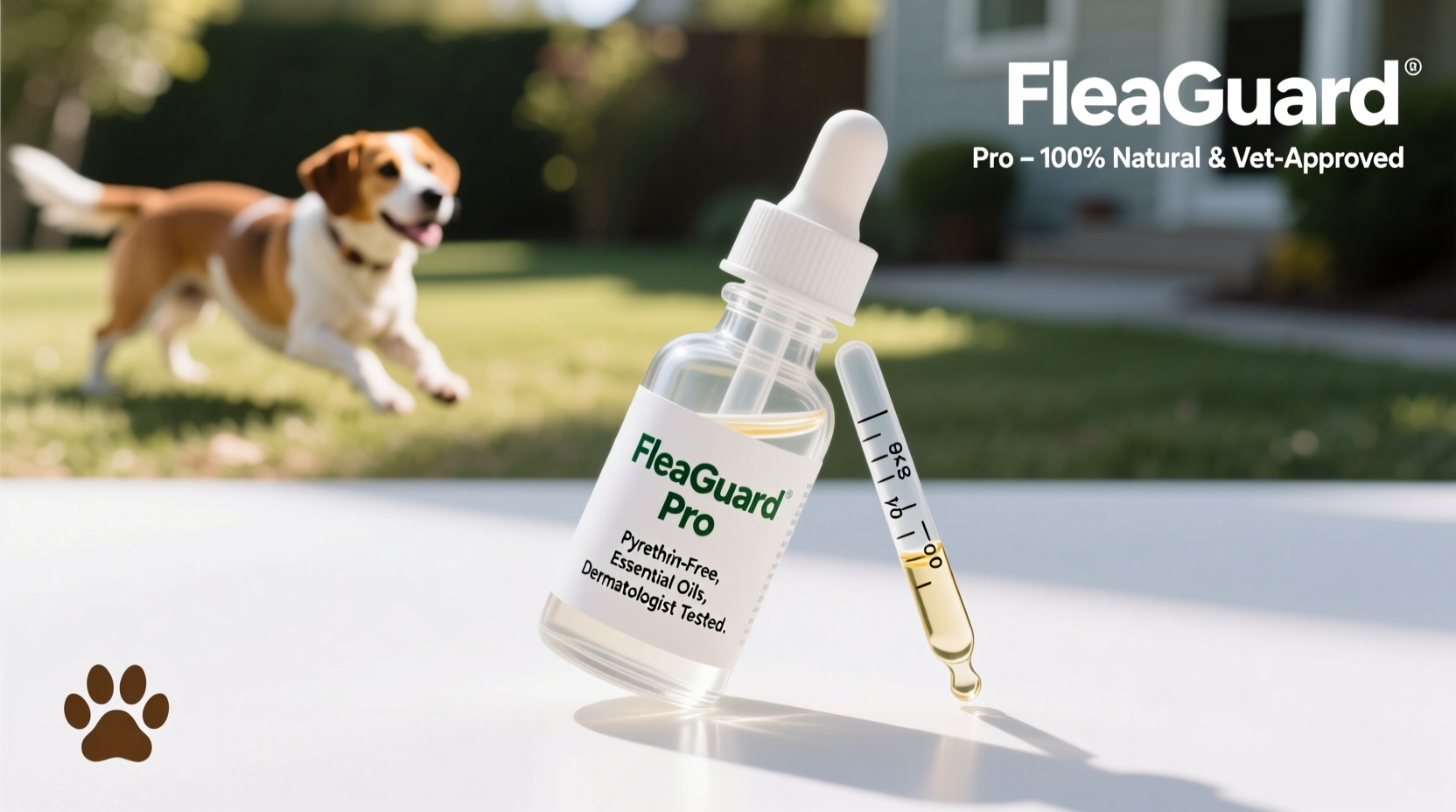
OTC flea treatments primarily fall into three categories: topical spot-ons, oral medications, and flea shampoos or powders. Each works differently to disrupt the flea life cycle.
- Topical treatments are applied directly to the skin, usually between the shoulder blades. They spread across the oil layer of the skin and kill fleas on contact.
- Oral treatments are chewable tablets that enter the bloodstream. When fleas bite the dog, they ingest the active ingredient and die within hours.
- Shampoos and sprays provide immediate relief by killing adult fleas on the dog’s coat but typically don’t prevent reinfestation.
The most effective OTC products contain active ingredients like nitenpyram, spinosad, or permethrin-free compounds designed specifically for dogs. Always verify that the product is labeled for canine use—some ingredients safe for dogs are toxic to cats.
Tip: For best results, combine fast-acting oral treatments with longer-lasting topicals to break the flea life cycle.Top Affordable and Effective OTC Options
Not all OTC flea treatments deliver equal results. Based on efficacy, safety, and cost-effectiveness, here are some of the most trusted options widely available at pet stores and online retailers.
| Product Name | Type | Active Ingredient | Onset of Action | Duration | Average Cost (per dose) |
|---|---|---|---|---|---|
| Capstar Flea Tablets | Oral | Nitenpyram | Within 30 minutes | 24–48 hours | $1.50–$2.50 |
| Frontline Plus (OTC version) | Topical | Fipronil + S-Methoprene | 12–24 hours | 30 days | $3–$5 |
| Advantage II | Topical | Imidacloprid + Pyriproxyfen | 12 hours | 30 days | $4–$6 |
| Advanage Multi (Imidacloprid/Moxidectin) | Topical | Imidacloprid + Moxidectin | 24–48 hours | 30 days | $5–$7 |
| Vet’s Best Flea & Tick Spot-On | Natural Topical | Peppermint Oil, Clove Extract | 48+ hours | 14–30 days | $3–$4 |
While natural products like Vet’s Best are gentler and appealing to owners avoiding chemicals, they generally offer slower action and less consistent results in heavy infestations. For urgent cases, pairing Capstar with a longer-term topical like Frontline Plus provides both immediate relief and lasting protection.
“Even OTC products need to be dosed accurately based on weight and species. Misuse leads to inefficacy or risk.” — Dr. Laura Simmons, DVM, Small Animal Parasitology Specialist
Step-by-Step Guide to Using OTC Flea Treatments Effectively
To get the most out of any flea treatment, follow a strategic approach that addresses both your pet and the environment.
- Confirm flea presence: Use a fine-tooth flea comb to check for live fleas or “flea dirt” (black specks that turn red when wet).
- Weigh your dog accurately: Many OTC treatments are weight-dependent. Underdosing reduces effectiveness; overdosing risks side effects.
- Choose the right product: Match the product to your dog’s size, age, and health status. Puppies under 8 weeks may not be eligible for certain treatments.
- Apply or administer correctly: For topicals, part the fur and apply directly to the skin. For oral tablets, ensure the dog swallows the full dose.
- Treat the environment: Wash bedding in hot water weekly. Vacuum carpets, furniture, and baseboards every other day. Consider using a flea spray with an insect growth regulator (IGR) like methoprene.
- Repeat as directed: Most topicals require monthly application. Oral treatments like Capstar can be given as needed but do not offer residual protection.
- Monitor for side effects: Watch for excessive drooling, lethargy, or skin irritation. Discontinue use and consult a vet if adverse reactions occur.
Common Mistakes That Reduce Treatment Success
Many OTC treatments fail not because they’re ineffective, but due to user error or misunderstanding of the flea life cycle.
- Skipping doses: Fleas reproduce rapidly. One missed application can restart the infestation.
- Using dog products on cats: Permethrin, found in some dog treatments, is lethal to cats.
- Only treating the pet: Up to 95% of the flea population lives in the environment as eggs, larvae, and pupae.
- Expecting instant eradication: It can take 2–3 months to fully eliminate fleas from your home due to hatching cycles.
- Using human-grade essential oils: DIY remedies with tea tree or citrus oils can be toxic to dogs.
Real-World Example: Clearing a Persistent Infestation
When Sarah adopted Max, a 2-year-old mixed breed, she noticed constant scratching. A vet confirmed fleas but prescribed a costly treatment plan. On a tight budget, Sarah opted for an OTC strategy: she started with Capstar tablets to kill adult fleas immediately, then applied Frontline Plus weekly for the first month before switching to monthly applications. She washed all bedding, vacuumed daily, and used an indoor flea fogger with an IGR.
Within two weeks, Max stopped scratching. By week six, no fleas were found during combing. Sarah continued monthly prevention year-round, especially during warmer months. Her total cost was under $50 for the initial three-month period—significantly less than the prescription alternative.
This case shows that with diligence and the right combination of products, OTC treatments can resolve even established infestations.
Frequently Asked Questions
Can I use OTC flea treatments on puppies?
Yes, but only if the product label specifies it's safe for puppies and lists the appropriate age and weight range. Capstar is approved for puppies as young as 4 weeks and 2 pounds. Always double-check dosage instructions.
Are natural flea treatments effective?
Natural treatments like essential oil-based spot-ons or herbal collars may repel fleas but rarely kill them effectively or provide lasting protection. In moderate to severe infestations, they are not sufficient alone. Use them only as supplements to proven treatments.
Why are fleas still appearing after treatment?
Flea pupae can remain dormant for months and hatch after treatment begins. This is normal. Continue monthly treatments for at least 3 consecutive months to catch newly emerged adults before they lay more eggs.
Checklist: Your OTC Flea Control Plan
- ☐ Confirm flea presence with a flea comb
- ☐ Accurately weigh your dog
- ☐ Select an OTC product suitable for your dog’s weight and age
- ☐ Apply or administer the first dose correctly
- ☐ Wash all pet bedding in hot water
- ☐ Vacuum carpets, furniture, and floors thoroughly
- ☐ Treat outdoor areas where your dog spends time (optional but helpful)
- ☐ Schedule monthly reapplications
- ☐ Monitor your dog for itching or side effects
- ☐ Reassess after 3 months for ongoing prevention needs
Final Thoughts: Smart Prevention Beats Costly Problems
Effective flea control doesn’t have to break the bank. With careful selection, correct application, and environmental management, over-the-counter treatments can provide powerful protection for your dog. The key is consistency and understanding that fleas are a household issue, not just a pet problem. Whether you choose fast-acting oral solutions, long-lasting topicals, or a combination, staying proactive ensures your dog stays comfortable, healthy, and itch-free.
🚀 Start today: Pick one reliable OTC product, treat your dog, clean the environment, and commit to monthly prevention. Your dog will thank you with wagging tails and peaceful naps—free from fleas.








