Dog owners love their pets, but constant barking can strain relationships with neighbors, disrupt household peace, and even lead to complaints or fines. For dogs with broad necks or larger builds—such as Huskies, German Shepherds, or Mastiffs—finding a bark collar that fits securely, activates reliably, and remains comfortable is especially challenging. The right bark collar should be both effective and humane, offering correction without harm. Fortunately, several affordable, top-rated options are specifically designed for dogs with wider features, combining durability, sensitivity adjustment, and proper fit.
This guide explores the most reliable bark collars on the market tailored for larger breeds, compares key features, and provides practical advice for choosing a device that balances cost, comfort, and control.
What Makes a Bark Collar Suitable for Dogs with Wide Features?
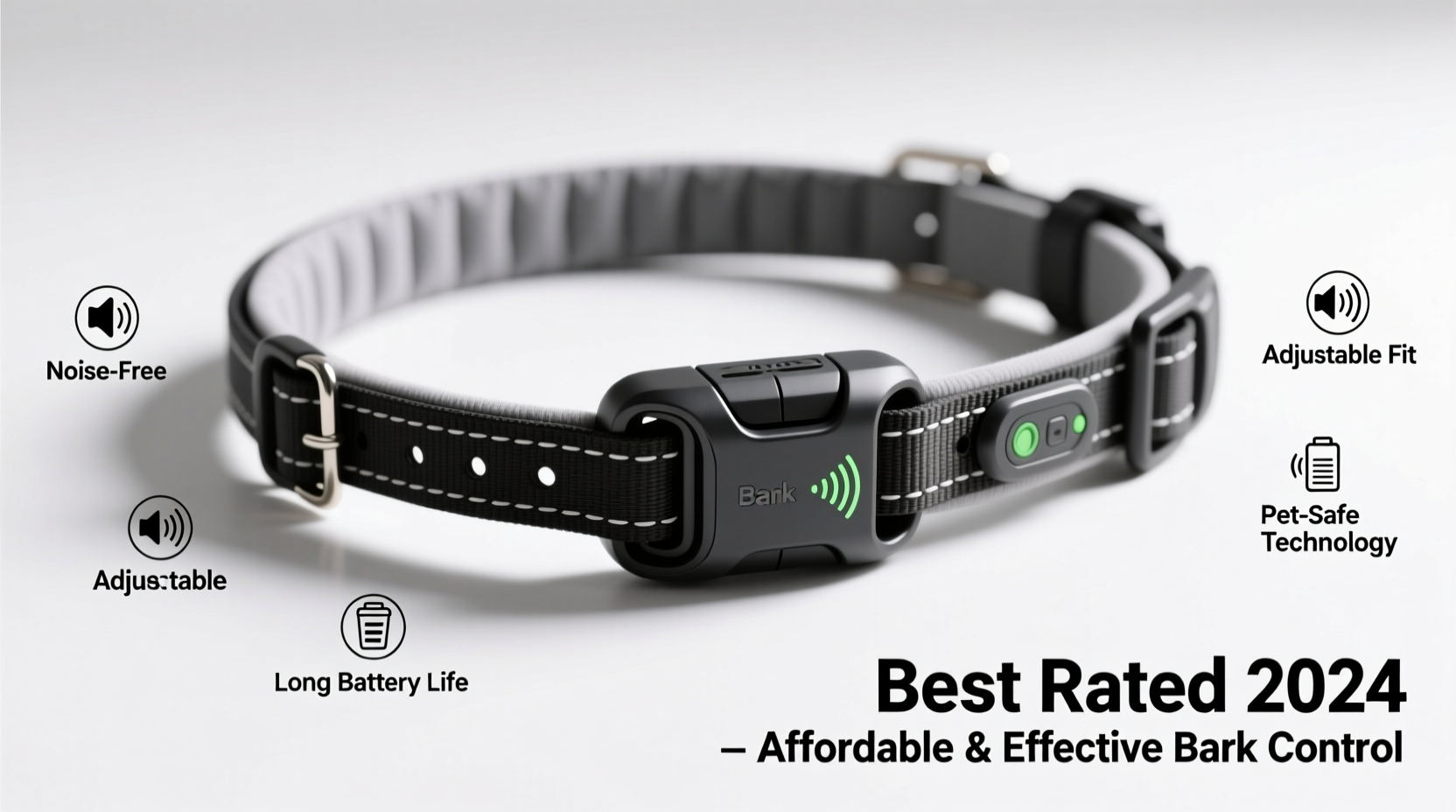
Dogs with thick necks or muscular builds require collars that not only fit properly but also maintain consistent contact with the skin for accurate vibration, sound, or static stimulation. A poorly fitted collar may slip, fail to detect barking, or cause discomfort—undermining training effectiveness and potentially causing stress.
Key design considerations include:
- Adjustable strap length: Must accommodate neck sizes from 15 inches up to 24+ inches.
- Wide, durable straps: Prevent digging into fur and distribute pressure evenly.
- High-sensitivity microphones: Accurately detect barking even in windy or noisy environments.
- Multiple correction modes: Vibration, sound, and static (with adjustable levels) allow customization based on temperament.
- Water resistance: Essential for outdoor use and all-weather reliability.
Top 5 Affordable & Best-Rated Bark Collars for Large-Breed Dogs
The following models stand out for performance, value, and compatibility with dogs possessing wide necks. Each has earned high user ratings across pet retailers and veterinary behavior forums.
| Model | Neck Range | Correction Types | Water Resistance | Price Range | User Rating |
|---|---|---|---|---|---|
| PetSafe Gentle Spray Bark Collar | 13–26 in | Scent-free spray | Yes | $35–$45 | 4.6/5 |
| Modus V1100 Ultrasonic Bark Control | 17–28 in | Ultrasonic sound | Yes | $40–$50 | 4.5/5 |
| DOG CARE Rechargeable Static Collar | 15–26 in | Vibration + static (5 levels) | IP67 waterproof | $30–$40 | 4.4/5 |
| Bousnic Extra-Large Bark Collar | 18–28 in | Vibration + static + sound | Water-resistant | $35–$45 | 4.3/5 |
| POOCHLOVE Dual Sensor Collar | 16–27 in | Vibration + beep + static (7 levels) | IP68 waterproof | $45–$55 | 4.7/5 |
All listed collars feature extra-wide straps (up to 1.6 inches) and reinforced buckles to prevent slippage. The PetSafe spray model uses citronella mist—a humane deterrent that interrupts barking without physical sensation—making it ideal for noise-sensitive dogs. In contrast, electronic collars like the POOCHLOVE and DOG CARE offer customizable static levels for persistent barkers, though these should be introduced gradually.
How to Choose the Right Correction Type for Your Dog
Not all bark collars work the same way. Understanding the differences helps match the tool to your dog’s personality and environment.
- Spray collars release a harmless mist (usually citronella or unscented) when barking is detected. These are non-contact, safe, and highly effective for mild to moderate barkers. They’re often recommended by trainers for first-time users.
- Ultrasonic collars emit a high-frequency tone inaudible to humans but unpleasant to dogs. These are useful for outdoor-only correction and avoid any physical sensation.
- Vibration collars provide a gentle buzz to alert the dog. Ideal for deaf or sensitive animals.
- Static (shock) collars deliver a brief, adjustable impulse. Modern versions are low-intensity and safe, but require careful setup and monitoring.
“Bark collars should never be punitive. They are tools for redirection. Pair them with positive reinforcement for best long-term results.” — Dr. Karen Bennett, Certified Animal Behaviorist
Step-by-Step Guide to Introducing a Bark Collar
Even the best collar can backfire if introduced incorrectly. Follow this timeline to ensure your dog adapts positively:
- Day 1–2: Fit and wear test – Attach the collar without activation. Let your dog wear it during supervised indoor time. Check for chafing or resistance.
- Day 3–4: Activate in low-correction mode – Turn on vibration or sound-only mode. Observe reactions. If anxious, reduce intensity or switch to spray.
- Day 5–7: Controlled outdoor testing – Use in low-distraction areas. Reward quiet behavior with treats immediately after correction.
- Week 2: Gradual reduction – As barking decreases, lower correction frequency. Do not rely on the collar permanently; phase it out after 3–4 weeks of consistency.
- Ongoing: Monitor and reassess – If barking returns, revisit training basics rather than increasing correction strength.
Real-World Example: Managing a Reactive Husky
Max, a 3-year-old Siberian Husky, lived in a suburban home where his frequent barking triggered neighbor complaints. His owner, Sarah, tried verbal commands and treats with limited success. Max’s thick fur and broad neck made standard collars ineffective—they slipped or failed to activate.
She chose the POOCHLOVE Dual Sensor Collar due to its 27-inch strap range and IP68 waterproofing. Starting with vibration-only mode, she paired corrections with “quiet” commands and rewards. Within 10 days, Max’s barking dropped by over 70%. After three weeks, Sarah reduced collar use to outdoor walks only. Six months later, Max responds to voice cues alone, and the collar is used only occasionally during high-stimulus events like thunderstorms.
This case illustrates how proper fit, gradual introduction, and behavioral reinforcement combine for lasting results.
Frequently Asked Questions
Are bark collars safe for large dogs with thick fur?
Yes, provided they have long prongs or sensors that penetrate dense fur to detect vocal vibrations. Models like the DOG CARE Rechargeable and Bousnic feature extended contact points for this purpose. Always check that sensors touch the skin beneath the coat.
Can I use a bark collar on an aggressive dog?
No. Bark collars are designed for nuisance barking, not aggression. If your dog shows signs of fear-based or territorial aggression, consult a certified trainer or veterinarian. Using a collar in such cases may escalate anxiety.
How long does it take for a bark collar to work?
Most dogs show improvement within 1–2 weeks. Consistency is critical. Combine collar use with positive reinforcement and environmental management (e.g., reducing triggers like passersby).
Final Checklist Before Buying
- ✅ Measure your dog’s neck accurately
- ✅ Confirm the collar supports your dog’s weight and breed type
- ✅ Choose a correction method suited to your dog’s temperament
- ✅ Verify water resistance if used outdoors
- ✅ Read return policy—trial periods help assess real-world performance
- ✅ Avoid no-name brands lacking safety certifications
Conclusion
Finding an affordable, effective bark collar for a dog with wide features doesn’t mean sacrificing quality or comfort. Models like the PetSafe Gentle Spray, Modus V1100, and POOCHLOVE Dual Sensor deliver reliable performance, proper fit, and humane correction—all under $60. Success depends not just on the device, but on how it’s used: gradually, consistently, and in tandem with positive training.
💬 Have experience with bark collars on large breeds? Share your story or tips in the comments to help fellow dog owners find peaceful, effective solutions.








