Longboarding is more than just a mode of transport—it's a lifestyle. Whether you're carving down hills, cruising city streets, or commuting to work, safety should never be an afterthought. One of the most essential safety accessories for any longboarder is a reliable leash. It keeps your board tethered to your ankle in case of a fall, preventing runaway boards and potential accidents. But not all leashes are created equal. The key is finding one that balances affordability with durability. Many riders assume high cost equals high quality, but that’s not always true. With the right knowledge, you can find a leash that performs well, lasts years, and costs less than $30.
Why Every Longboarder Needs a Leash
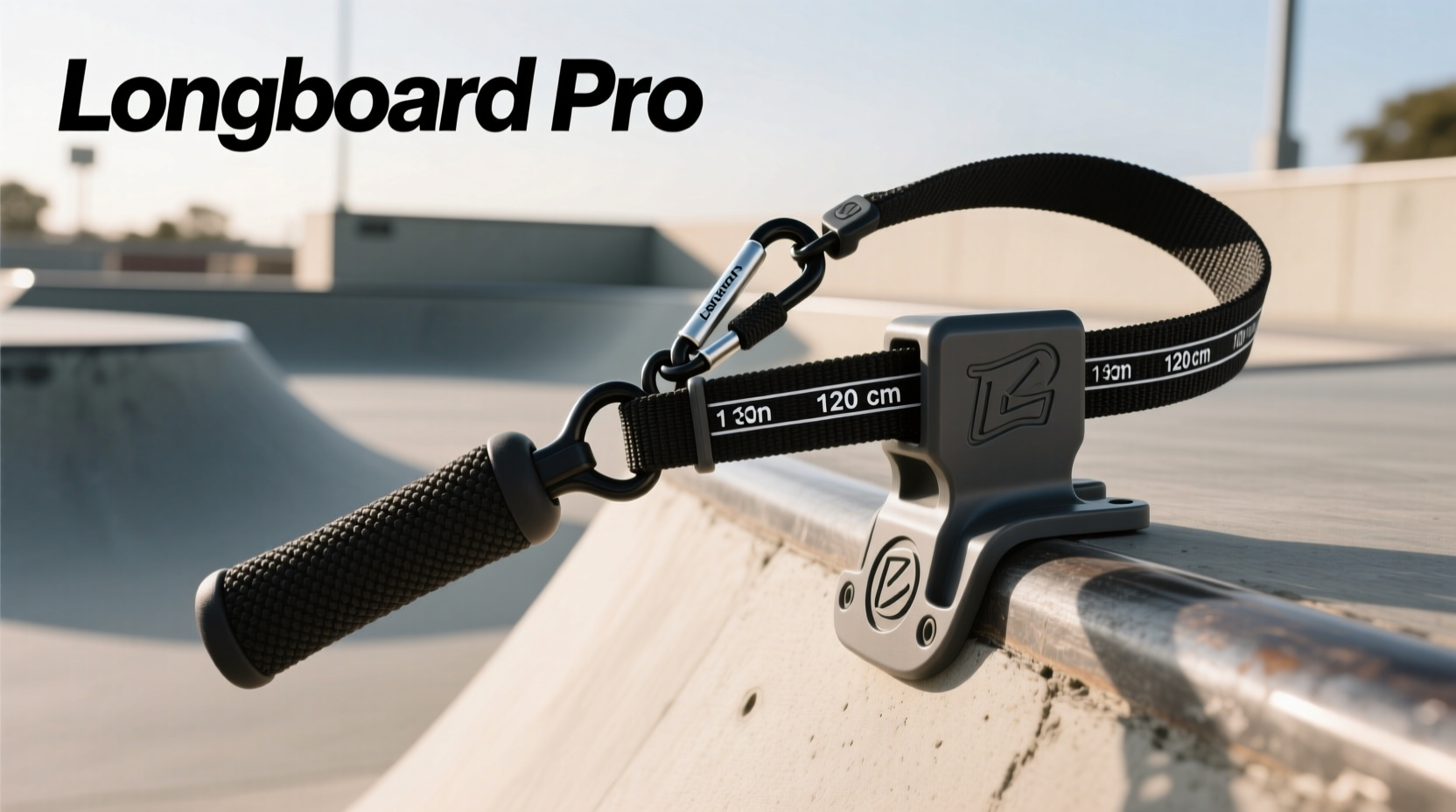
A longboard leash isn’t just a convenience—it’s a critical safety tool. Unlike skateboards used in technical street skating, longboards often reach higher speeds, especially during downhill runs. A sudden loss of balance at 25 mph can send your board careening into traffic or pedestrians. A leash prevents this by keeping your board close, reducing risk to yourself and others.
Additionally, retrieving your board after a fall is easier when it's attached to you. This is particularly helpful on busy sidewalks, steep terrain, or near water if you’re riding along a pier or beach path. While some skaters avoid leashes due to concerns about tripping or restricted movement, modern designs have minimized these issues with flexible coils and quick-release mechanisms.
“Even experienced riders underestimate how fast things go wrong. A good leash is like insurance—you hope you never need it, but you’ll be glad it’s there.” — Jordan Lee, Professional Longboard Instructor and Safety Advocate
Key Features of a Durable, Affordable Leash
When shopping for a longboard leash, focus on construction, materials, and design rather than brand prestige. Here are the core features that define a high-value product:
- Ankle cuff with padding: Comfortable, padded cuffs reduce chafing during extended rides.
- Double-stitched webbing: Reinforced stitching ensures the strap won’t snap under tension.
- Heavy-duty swivel joint: Prevents tangling and allows natural leg movement.
- Coiled or straight cord: Coiled cords retract neatly; straight cords offer longer reach but require careful management.
- Rust-resistant metal components: Especially important for riders near coastal areas or in wet climates.
- Quick-release buckle (optional): Allows emergency detachment if the leash gets caught.
Top 5 Affordable & Durable Longboard Leash Options
You don’t need to spend over $50 to get a dependable leash. The following models deliver excellent performance and longevity while staying budget-friendly. All are priced under $30 and widely available online.
| Model | Price Range | Durability Rating (1–5) | Key Feature | Best For |
|---|---|---|---|---|
| Surftech Universal Coiled Leash | $18–$24 | ★★★★☆ | Anti-tangle swivel, neoprene cuff | All-around cruising and light downhill |
| Ocean & Peace Adjustable Leash | $22 | ★★★★★ | Reinforced triple stitching, rust-proof clip | Downhill and high-speed riding |
| WaveBandz Classic Strap | $19.99 | ★★★★☆ | Eco-friendly materials, smooth coil | Urban commuters and eco-conscious riders |
| Carver C7 SecureTether | $28 | ★★★★★ | Pro-grade hardware, ergonomic fit | Aggressive carving and steep hills |
| AmazonBasics Skateboard Leash | $14.99 | ★★★☆☆ | Low-cost entry option | Casual riders on a tight budget |
The Ocean & Peace and Carver models stand out for their rugged build and real-world reliability. Both brands are trusted by intermediate to advanced riders who prioritize safety without overspending. Meanwhile, the AmazonBasics option serves as a solid starter leash—just be prepared to replace it sooner if you ride frequently or aggressively.
How to Choose the Right Leash for Your Riding Style
Your ideal leash depends on how and where you ride. Consider these factors before making a purchase:
- Riding Environment: If you commute on sidewalks or bike paths, a coiled leash (around 9–12 inches when retracted) gives enough slack without dragging. For open roads or downhill tracks, a longer straight leash (up to 7 feet) may be better for control after a fall.
- Speed Level: High-speed riders need stronger tethers. Look for leashes rated for “downhill” use with industrial-grade webbing and secure ankle locks.
- Weather Conditions: Wet or humid climates demand corrosion-resistant clips and UV-protected cords. Neoprene cuffs also resist moisture buildup and mildew.
- Comfort Needs: Riders with sensitive skin or circulation issues should opt for padded, breathable cuffs to prevent irritation during long sessions.
Mini Case Study: Alex’s Close Call in San Diego
Alex, a 28-year-old graphic designer from San Diego, regularly commutes five miles to work using his longboard. He initially skipped using a leash to “feel more free,” but after losing control on a rain-slicked hill and watching his board roll into traffic—narrowly missing a cyclist—he realized his mistake. He invested in the Ocean & Peace Adjustable Leash for $22. Within weeks, he had another fall, this time on dry pavement. Thanks to the leash, his board stayed within arm’s reach. “I picked it up, brushed myself off, and kept going,” he said. “That $22 probably saved me from a lawsuit—or worse.”
Step-by-Step Guide to Installing and Maintaining Your Leash
Even the best leash fails if improperly installed or poorly maintained. Follow this routine to ensure peak performance:
- Attach the board end securely: Wrap the urethane loop around your rear truck baseplate, then thread the metal pin through both layers and lock it tightly. Never attach to the deck alone—it can crack.
- Secure the ankle cuff: Fasten snugly above the ankle bone, not too tight to restrict blood flow. The pad should sit flat against the skin.
- Test the range: Walk around and simulate a fall motion to ensure the cord extends smoothly without snagging.
- Clean monthly: Wipe down the cord and cuff with a damp cloth. For deeper cleaning, hand-wash with mild soap and air-dry away from direct sunlight.
- Inspect quarterly: Examine stitching, swivels, and metal parts for wear. Replace immediately if any component shows fatigue.
Frequently Asked Questions
Can I use a surfboard leash for longboarding?
While similar in concept, surfboard leashes are designed for saltwater environments and often lack the reinforced ankle straps needed for pavement riding. They also tend to be bulkier and more prone to tangling. Use a purpose-built longboard or skateboard leash instead.
Do leashes affect my riding performance?
A well-fitted leash should not interfere with normal riding. However, low-quality models with stiff cords or loose cuffs can cause drag or discomfort. Invest in a flexible, ergonomically designed leash to minimize impact.
How long should my longboard leash last?
With regular use and proper care, a durable leash lasts 1–3 years. Frequent downhill riders may need to replace theirs annually due to increased stress. Inspect your leash monthly for signs of wear.
Final Checklist Before You Buy
- ✅ Confirmed compatibility with your board setup
- ✅ Double-stitched webbing and rust-resistant hardware
- ✅ Padded, adjustable ankle cuff for comfort
- ✅ Swivel joint to prevent twisting
- ✅ Price under $30 with positive user reviews
- ✅ Suitable length and style for your riding habits
Stay Safe, Ride Smart
Protecting yourself while longboarding doesn’t require expensive gear. By choosing an affordable yet durable leash, you gain peace of mind every time you step on your board. The models highlighted here prove that safety and value can go hand-in-hand. Whether you're a daily commuter, weekend cruiser, or downhill enthusiast, having a reliable connection between you and your board is non-negotiable.
💬 Have a favorite budget-friendly leash? Share your experience below and help fellow riders stay safe without overspending!








