Jogging with your dog can be a rewarding way to stay active while strengthening your bond. But without the right gear, it quickly becomes frustrating—or even dangerous. A standard leash may tangle, snap under tension, or give you no control over an energetic pup. The solution lies in choosing a leash that balances durability, comfort, and affordability. Not all leashes marketed for running live up to their claims, but several budget-friendly models deliver exceptional performance. This guide cuts through the noise to spotlight reliable, long-lasting leashes ideal for daily jogs, backed by real use cases and expert insights.
What Makes a Leash Ideal for Jogging?
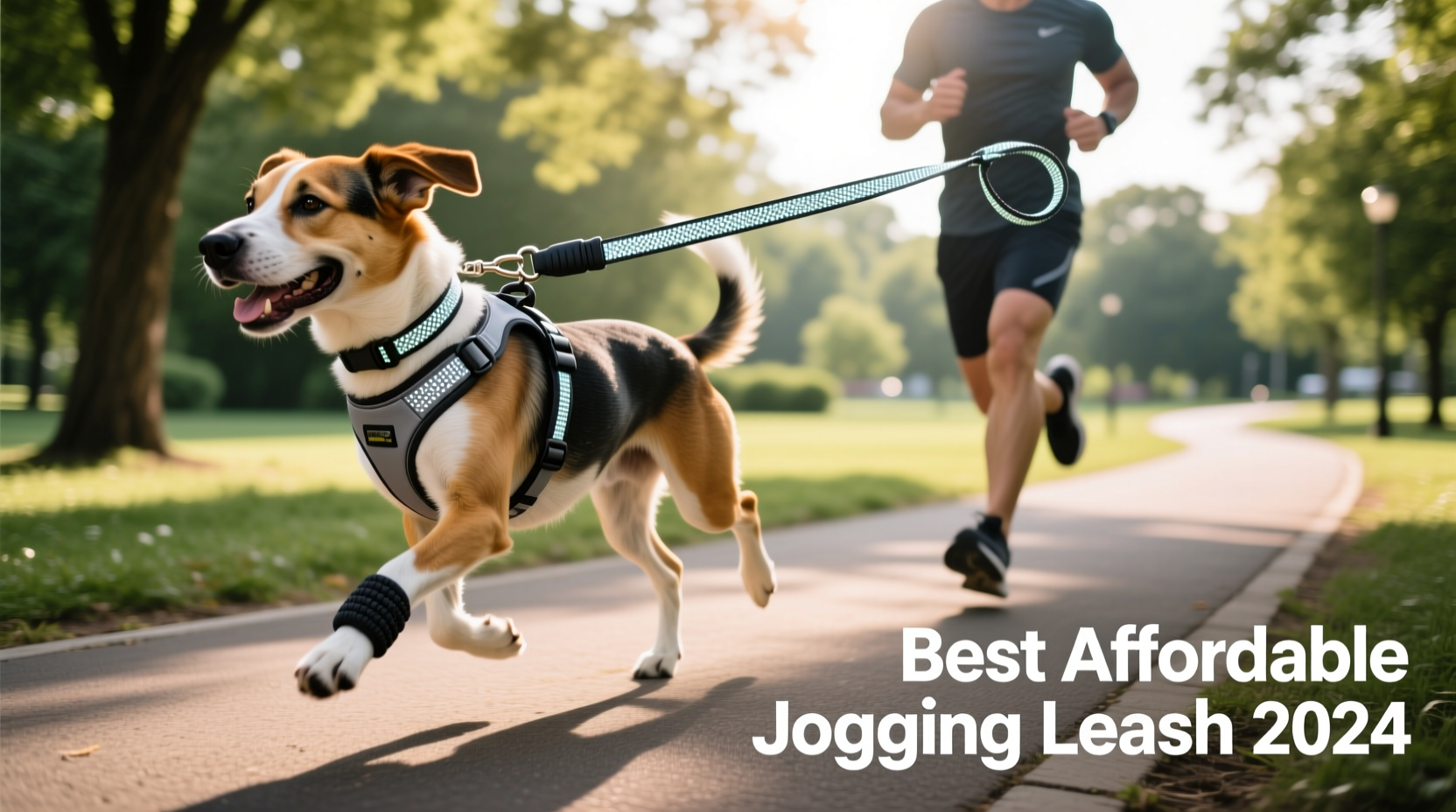
A jogging leash isn’t just a longer version of a regular leash—it’s engineered for dynamic movement, shock absorption, and hands-free convenience. Key features include reflective stitching for visibility, padded handles or waist belts, reduced slack to prevent tripping, and materials resistant to wear from pulling and weather exposure.
Dogs naturally surge ahead during runs, especially when excited. A quality jogging leash absorbs this force without jerking the handler’s arm or straining the dog’s neck. Bungee sections are common in high-performance models because they act like shock absorbers. Additionally, reflective elements enhance safety during early morning or evening runs.
Tip: Look for leashes with a bungee core—even a 6–8 inch stretch can significantly reduce strain on both you and your dog.Top Affordable & Durable Leash Options
You don’t need to spend over $50 to get a leash that lasts. Several brands offer rugged construction at accessible price points. Below is a comparison of five top-rated, budget-conscious leashes proven in real-world conditions.
| Leash Model | Price Range | Material | Key Feature | Durability Rating (1–5) |
|---|---|---|---|---|
| Ruffwear Roamer Leash | $25–$30 | Nylon webbing + rubberized handle | Bungee section, reflective trim | ⭐⭐⭐⭐☆ |
| Yardline Hands-Free Leash | $18–$22 | Heavy-duty polyester | Waist belt with adjustable tether | ⭐⭐⭐⭐☆ |
| Blue-9 Pull-Dog Leash | $28–$32 | Paracord-style nylon | 9 attachment points for control | ⭐⭐⭐⭐⭐ |
| Flexi New Runner Retractable (Tape) | $20–$25 | Reinforced tape cord | Lockable 16ft extension | ⭐⭐☆☆☆ |
| KONG Co-Pilot Hands-Free Leash | $24–$28 | Nylon with neoprene waist pad | Ergonomic belt, dual clips | ⭐⭐⭐⭐☆ |
The Ruffwear Roamer stands out for its balance of price and function, offering a comfortable grip and excellent shock absorption. For runners who want freedom of movement, the Yardline and KONG Co-Pilot hands-free models distribute weight across the hips, reducing shoulder fatigue. While retractable leashes like the Flexi New Runner are popular, their internal mechanisms often fail under repeated stress, making them less durable than fixed-length alternatives.
Real-World Test: One Year With the Yardline Hands-Free Leash
Sarah M., a runner from Portland, Oregon, logs 3–4 miles three times a week with her 55-pound Australian Cattle Dog, Scout. She switched to the Yardline Hands-Free Leash after developing shoulder pain from using a standard 6-foot leash. “Scout pulls hard at the start,” she says, “and my old leash would yank my arm every time.”
After one year of near-daily use—including rainy winter runs and trail excursions—the leash shows minimal fraying. The waist strap remains snug and irritation-free thanks to its breathable fabric. Sarah adjusted the tether length to 3 feet, giving Scout enough room to explore without tangling. “It cost less than half of premium brands, but I haven’t felt the need to upgrade,” she adds. Her only critique? The clip occasionally twists, requiring a quick repositioning mid-run.
“Hands-free leashes aren’t just convenient—they reduce repetitive strain injuries common among dog-running owners.” — Dr. Lena Torres, Veterinary Sports Medicine Specialist
How to Choose the Right Leash: A Step-by-Step Guide
Selecting the best leash involves more than reading reviews. Follow this practical sequence to ensure compatibility with your dog’s size, energy level, and your running habits.
- Assess your dog’s behavior. Does your dog pull aggressively, lunge at distractions, or maintain a steady pace? High-pull dogs benefit from bungee or multi-point control leashes.
- Determine preferred handling style. Do you want to hold the leash or go hands-free? Waist-leash systems excel for long distances but may feel restrictive in tight spaces.
- Measure for proper length. For jogging, 3–6 feet is optimal. Too short restricts movement; too long increases tripping risk.
- Check material strength. Nylon and polyester blends resist abrasion better than cotton or thin webbing. Look for double-stitched seams.
- Test reflectivity and grip. Run at dusk to evaluate visibility. Ensure the handle or belt doesn’t slip when sweaty.
- Budget wisely. Spending $15–$30 on a well-reviewed model often beats buying two cheap leashes that fail prematurely.
Common Mistakes to Avoid
- Using a retractable leash on trails or crowded paths. These can extend too far, putting your dog at risk of encountering hazards.
- Ignoring leash weight. Heavy metal clips or thick cords add fatigue over time, especially on longer runs.
- Skipping break-in periods. New waist belts may chafe. Wear them briefly around the block before committing to a long jog.
- Attaching the leash to a choke or prong collar. These are not designed for constant forward motion and can injure your dog’s neck.
Frequently Asked Questions
Can I use a regular leash for jogging with my dog?
You can, but it’s not ideal. Standard leashes lack shock absorption and often result in abrupt tugs. Over time, this can lead to joint strain for both you and your dog. A purpose-built jogging leash reduces impact and improves comfort.
Are hands-free leashes safe for strong dogs?
Yes, provided they’re properly fitted and used with a sturdy harness. The key is securing the waist belt low on your hips and adjusting the tether length so your dog stays slightly behind your leg line. Avoid oversized breeds or extreme pullers unless the leash is specifically rated for heavy dogs.
How long should a jogging leash last?
A well-maintained leash should last 1–3 years with regular use. Signs it’s time to replace include frayed fibers, weakened clips, or loss of elasticity in bungee sections. Rinse it after muddy or salty runs to prolong life.
Final Checklist Before Buying
- ✅ Bungee or elastic section included?
- Helps absorb sudden pulls.
- ✅ Reflective stitching or trim?
- Essential for low-light visibility.
- ✅ Compatible with dog harness?
- Must connect securely to front- or back-clip harnesses.
- ✅ Comfortable handle or waist design?
- Prevents blisters and strain.
- ✅ Under $35 with positive user reviews?
- Affordability shouldn’t mean sacrificing reliability.
Conclusion: Make Every Run Safer and Smoother
Finding an affordable, durable leash for jogging with your dog doesn’t require compromising on safety or comfort. Models like the Ruffwear Roamer and Yardline Hands-Free prove that thoughtful design and resilient materials are within reach of most budgets. By prioritizing features like bungee support, reflective details, and secure attachments, you set the stage for enjoyable, injury-free runs. Whether you're training for fitness or simply sharing morning miles with your companion, the right leash makes all the difference. Invest in one that works for your lifestyle—and start building healthier habits together.
💬 Have a favorite budget-friendly jogging leash? Share your experience in the comments to help fellow dog owners make smarter choices.








