
The northern cardinal is one of North America’s most beloved backyard birds. With its bright red plumage, bold crest, and clear whistling song, it brings both color and music to gardens across the eastern and central United States. If you're hoping to attract cardinals to your yard, choosing the right bird feeder is essential. Unlike smaller birds such as finches or chickadees, cardinals have specific feeding preferences—they favor larger perches, open tray designs, and foods like safflower and sunflower seeds. The challenge lies in finding a feeder that meets these needs while remaining budget-friendly and built to last through seasons of rain, wind, and temperature swings.
Fortunately, durability and affordability don’t have to be mutually exclusive. With thoughtful design choices and material selection, several feeders deliver excellent performance without breaking the bank. This guide explores practical, long-lasting options, backed by real-world use and expert insights, so you can enjoy regular visits from cardinals—without constant replacement or high costs.
Why Cardinals Need Specialized Feeders
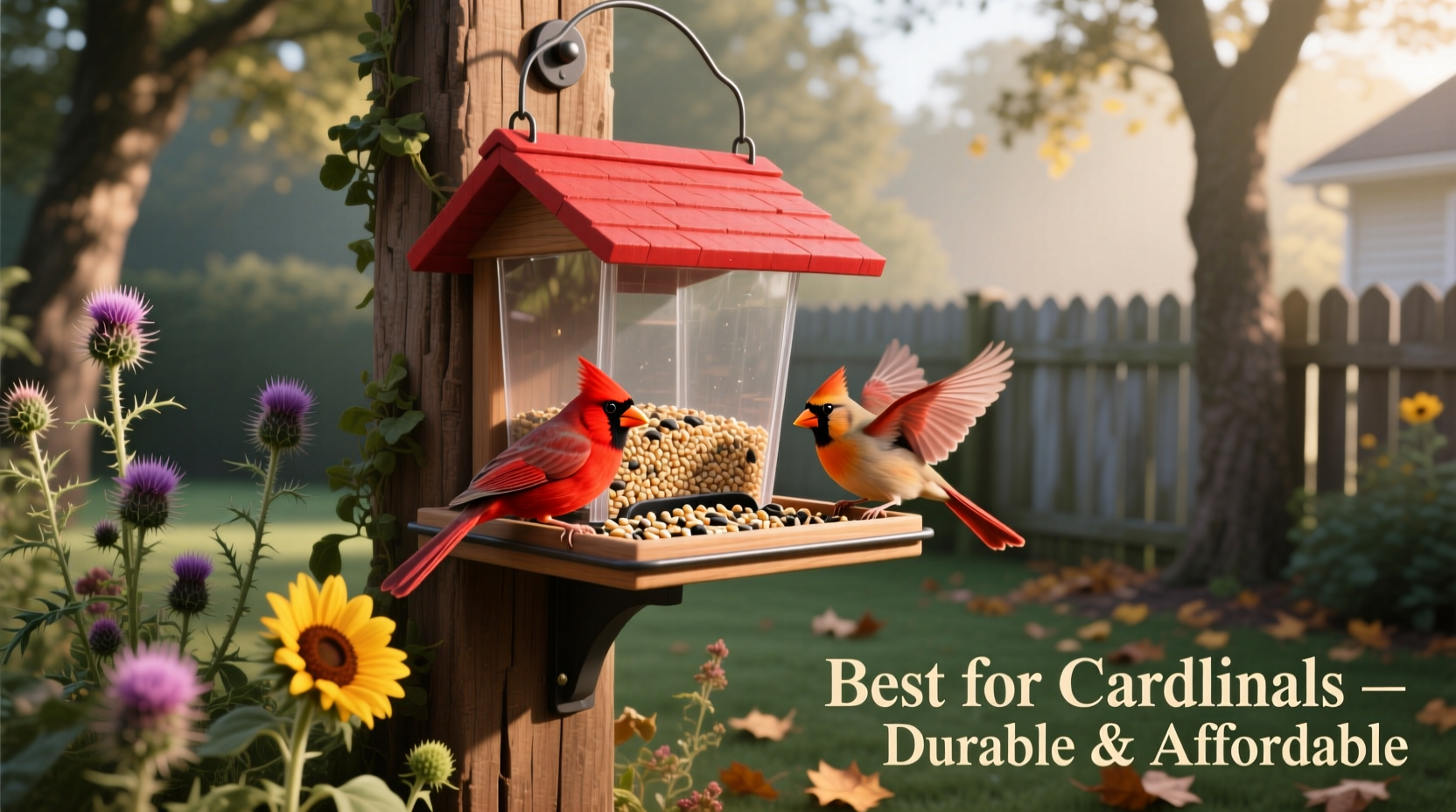
Cardinals are medium-sized songbirds with strong beaks and a preference for feeding at ease. They tend to avoid narrow tubes or enclosed spaces where they feel exposed or cramped. Instead, they thrive at platform or hopper-style feeders with wide perches and unobstructed access to food. Understanding their natural behavior helps explain why not all bird feeders work equally well for them.
- Size matters: Cardinals require ample space to land and feed comfortably.
- Perch strength: Their weight (typically 1.5–2 oz) demands sturdy perches that won’t bend or break.
- Feeding style: They prefer to eat larger seeds like safflower and black oil sunflower, which need room to spill naturally.
- Safety perception: Open-top feeders allow them to scan for predators while eating—a key reason they often bypass dome-covered models.
“Cardinals are ground-foraging birds at heart. Even when using feeders, they gravitate toward low, open platforms that mimic natural feeding environments.” — Dr. Laura Hensley, Ornithologist, Cornell Lab of Bird StudiesTip: Place your feeder within 10 feet of shrubbery or trees to give cardinals quick cover from hawks and other predators.
Top Affordable and Durable Feeder Types for Cardinals
Not every durable feeder has to cost $100. Several well-constructed models under $40 offer resilience against weather, squirrels, and wear—all while appealing directly to cardinal habits. Below are the most effective types, along with standout examples that balance price and longevity.
1. Hopper Feeders with Metal Construction
Hopper feeders resemble small houses with seed reservoirs and wide feeding trays. When built with metal bodies and powder-coated finishes, they resist rust, squirrel damage, and UV degradation. Look for models with polycarbonate viewing windows and steel bases.
2. Platform (Tray) Feeders Made from Recycled Plastic Lumber
These flat, open feeders are ideal for cardinals. Modern versions made from recycled plastic lumber—like those from EcoTough or DuraPlay—are impervious to rot, warping, and insect damage. Though slightly more expensive than wood, they last decades with zero maintenance.
3. Squirrel-Resistant Caged Hoppers
While not exclusively for cardinals, caged feeders protect seed supplies from raccoons and squirrels. Choose models with adjustable spring-loaded perches that close under heavier weight, preserving access for cardinals but blocking pests.
4. Window Mount Feeders with Sturdy Bases
For urban dwellers or those with limited yard space, window feeders bring cardinals up close. Opt for models with strong suction cups, thick acrylic trays, and metal mesh bottoms to prevent chewing damage.
Comparison Table: Best Budget-Friendly & Long-Lasting Feeders
| Feeder Type | Price Range | Lifespan | Cardinal-Friendly? | Weather Resistant? |
|---|---|---|---|---|
| Plastic Lumber Tray Feeder | $25–$35 | 10+ years | Yes – open design | Fully resistant |
| Metal Hopper Feeder | $30–$45 | 7–10 years | Yes – large tray | High (powder-coated) |
| Squirrel-Proof Caged Feeder | $35–$50 | 5–8 years | Yes – if cage spacing allows access | Moderate to high |
| Recycled Wood Composite Feeder | $20–$30 | 5–7 years | Yes – stable platform | Good (sealed finish) |
| Basic Plastic Tray Feeder | $10–$18 | 1–2 years | Yes – but degrades quickly | No – cracks in cold |
Step-by-Step Guide to Choosing and Maintaining Your Cardinal Feeder
Selecting the right feeder is only half the battle. Proper setup and routine care ensure consistent visits and long-term durability. Follow this sequence to get the most out of your investment.
- Assess your yard layout: Identify a quiet area near dense shrubs but away from cat hiding spots.
- Pick a feeder type: Prioritize open platforms or hopper styles with wide perches.
- Check materials: Choose metal, recycled plastic, or composite wood over cheap plastic.
- Install at the right height: Mount 5–6 feet off the ground for safety and visibility.
- Fill with preferred seed: Use black oil sunflower or safflower—cardinals’ favorites.
- Clean monthly: Scrub with a 1:9 bleach-to-water solution to prevent mold and disease.
- Inspect seasonally: Tighten screws, check for rust, and replace worn parts before winter.
Real Example: How One Suburban Yard Doubled Cardinal Visits
In Hamilton, Ohio, retiree Mark Thompson noticed fewer cardinals visiting his garden over three winters. His old wooden platform feeder had warped, and squirrels were stealing most of the seed. After researching affordable yet durable options, he replaced it with a recycled plastic lumber tray feeder ($32) and added a squirrel baffle. He filled it with safflower seed and placed it 8 feet from a holly bush.
Within two weeks, a pair of cardinals returned daily. Over the next six months, he observed juvenile cardinals learning to feed independently. Now in its third year, the feeder shows no signs of wear, despite freezing temperatures and heavy summer rains. “I spend less time repairing and refilling,” Mark says. “And I get to watch courtship rituals every spring—right from my kitchen window.”
Essential Checklist Before Buying
- ☐ Does the feeder have a wide, stable perch? (Minimum 4 inches)
- ☐ Is it made from rust-proof or rot-resistant materials?
- ☐ Can it hold at least 2–3 cups of seed to reduce refill frequency?
- ☐ Is it easy to disassemble and clean?
- ☐ Does it include squirrel or raccoon deterrents if needed?
- ☐ Is the price under $40 without sacrificing core durability?
Frequently Asked Questions
What’s the best seed to attract cardinals?
Black oil sunflower seeds are the top choice—high in fat, easy to crack, and loved by cardinals. Safflower seeds are a close second and less appealing to squirrels and grackles, making them ideal for mixed-bird yards.
How often should I clean my bird feeder?
At minimum, clean every four to six weeks with a mild bleach solution. During wet seasons or high usage, clean every two weeks to prevent bacterial growth and mold, especially in humid climates.
Do cardinals come to tube feeders?
Rarely. Most tube feeders have small perches and narrow ports unsuitable for cardinals’ size. However, some wide-port, large-perch models (like the Perky-Pet Big Mouth Hopper) can accommodate them if placed low and filled with sunflower seeds.
Final Thoughts and Action Steps
Attracting cardinals doesn’t require expensive gear or elaborate setups. By focusing on simple, durable designs—particularly open tray and metal hopper feeders—you create a welcoming environment that stands the test of time. The key is balancing upfront cost with long-term value: spending $30 on a weatherproof, chew-resistant feeder saves money and hassle compared to replacing flimsy models every year.
Start by evaluating your current setup. If your feeder lacks stability, resists cleaning, or empties too fast due to pests, consider upgrading to one of the resilient, cardinal-friendly models discussed. Position it thoughtfully, stock it with quality seed, and maintain it regularly. Soon, you’ll hear the familiar whistle of a male cardinal announcing his territory—or see a female teaching her young how to feed.
💬 Ready to welcome more cardinals? Share your favorite feeder model or tip in the comments below—your experience could help another bird lover get started!








