Dog collars are more than just accessories—they’re essential tools for identification, safety, and control during walks. With so many styles on the market, one of the most common debates among pet owners is whether adjustable or fixed-size collars are better. While adjustable collars dominate retail shelves, fixed collars still have their place. But are fixed-size collars really harmful to dogs? The answer isn’t as straightforward as some might claim.
Understanding Collar Types: Adjustable vs Fixed
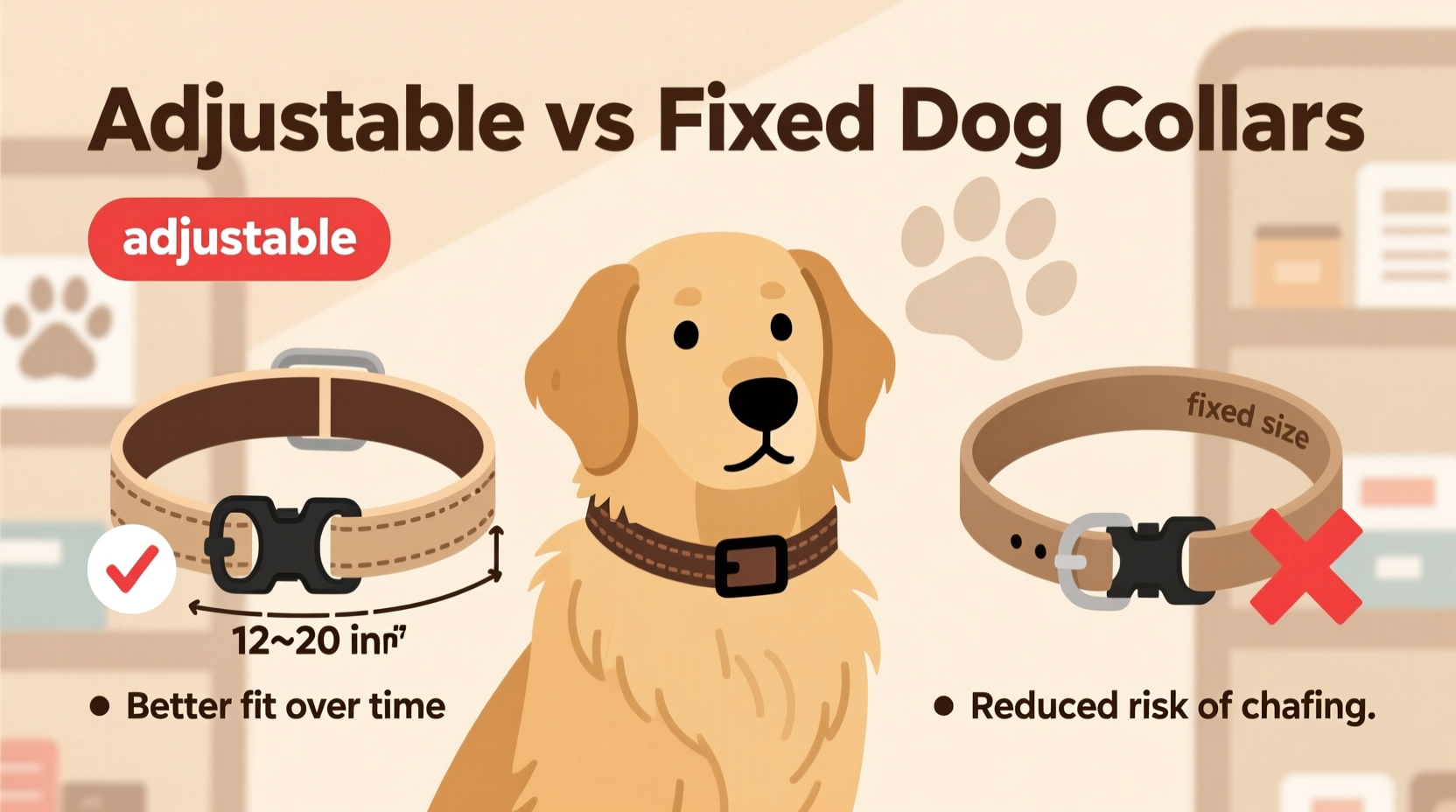
Adjustable collars feature a sliding buckle system that allows the collar to be tightened or loosened across a range of sizes. These are often made with nylon, polyester, or biothane and include multiple holes or continuous adjustment via side-release or roller buckles.
Fixed-size collars, by contrast, are manufactured in specific circumferences—typically ranging from 10 inches to 24 inches—and do not offer incremental adjustments. Once purchased, the size cannot be changed without replacing the collar entirely.
While adjustable collars appear more versatile at first glance, fixed collars are often crafted with precision sizing and higher-quality materials. Some premium leather or custom-made collars fall into this category, offering durability and aesthetic appeal.
Tip: Measure your dog’s neck accurately before buying any collar—whether adjustable or fixed—to ensure a proper fit.The Truth About Fixed-Size Collars: Are They Harmful?
The notion that fixed-size collars are inherently “bad” stems from concerns about growth and fit. For puppies or breeds that experience rapid physical development, a collar that can’t be resized may become too tight within weeks. However, this concern applies only to growing dogs—not adult animals with stable neck measurements.
A properly sized fixed collar on an adult dog poses no risk. In fact, because these collars are often built without excess material or loose ends, they may reduce chafing and snagging compared to poorly adjusted counterparts.
The real issue isn’t the lack of adjustability—it’s improper fit. A collar that’s too tight restricts blood flow and damages tracheal tissue; one that’s too loose increases escape risk. Both problems can occur with either collar type if not fitted correctly.
“Fit matters more than function when it comes to collars. I’ve seen more injuries from ill-fitted adjustable collars than from fixed ones.” — Dr. Lena Torres, DVM, Canine Orthopedic Specialist
Comparing Pros and Cons: A Practical Breakdown
| Feature | Adjustable Collars | Fixed-Size Collars |
|---|---|---|
| Fitting Flexibility | High – ideal for growing puppies | Low – must match exact neck size |
| Durability | Moderate – stress points at adjustment holes | High – fewer weak points, often reinforced stitching |
| Comfort | Variable – depends on correct adjustment | Consistent – tailored fit reduces rubbing |
| Safety | Risk if over-loosened (escape) or under-tightened (choking) | Safe if measured correctly; less chance of slippage |
| Aesthetics & Craftsmanship | Often mass-produced; limited design depth | Frequently handcrafted; premium finishes available |
When Fixed Collars Make Sense: Real-World Scenarios
Consider Max, a three-year-old Border Collie owned by Sarah, a search-and-rescue volunteer. Max wears a custom-fitted, fixed leather collar engraved with his ID tags. Despite working in rugged terrain, the collar has lasted two years without fraying or buckle failure. Sarah explains: “I measured him once, got the perfect fit, and haven’t had to touch it since. It doesn’t catch on brush like looser nylon collars do.”
This example illustrates a key advantage: consistency. For active dogs in demanding environments, a secure, snugly fitted fixed collar minimizes entanglement risks. Similarly, show dogs often wear fixed collars for grooming and presentation, where appearance and reliability matter.
Moreover, certain training applications favor fixed collars. Martingale-style collars, though semi-adjustable, rely on precise loop calibration to prevent slipping off without choking. When used correctly, they exemplify how controlled fit enhances safety.
How to Choose the Right Collar: A Step-by-Step Guide
Selecting between adjustable and fixed collars should follow a logical process based on your dog’s age, breed, lifestyle, and health needs.
- Measure Your Dog’s Neck Accurately: Use a soft tape measure behind the ears and around the widest part of the neck. Allow space for two fingers to fit beneath the collar once worn.
- Evaluate Growth Potential: Puppies under 6–8 months typically benefit from adjustable collars. Adult dogs with stable size may thrive with fixed options.
- Assess Activity Level: High-energy or outdoor-working dogs need durable, snag-resistant designs—often found in well-made fixed collars.
- Check for Health Conditions: Dogs with tracheal sensitivity (e.g., toy breeds prone to collapse) require even pressure distribution. Avoid overly tight fits regardless of collar type.
- Test the Fit Regularly: Even fixed collars should be inspected monthly for signs of wear or changes in neck girth due to weight fluctuation.
Common Misconceptions Debunked
- Myth: Adjustable collars are always safer. Reality: Poor adjustment leads to slipping or strangulation. Safety depends on proper use, not adjustability.
- Myth: Fixed collars can’t be comfortable. Reality: Premium materials like padded leather or biothane molds to the neck over time, enhancing comfort.
- Myth: You need to replace fixed collars frequently. Reality: If sized correctly and maintained, fixed collars often outlast multiple adjustable versions.
FAQ: Your Top Questions Answered
Can I use a fixed collar on a puppy?
It’s not recommended unless the puppy is near adult size. Puppies grow quickly, especially large breeds, and will likely outgrow a fixed collar within weeks. Opt for an adjustable version until growth stabilizes.
What if my dog gains or loses weight?
Weight changes affect collar fit. Monitor your dog’s neck circumference every few months. If using a fixed collar, be prepared to re-measure and replace if necessary. Adjustable collars offer convenience here but require regular checking to maintain optimal tightness.
Are breakaway collars only available in adjustable styles?
No. Breakaway mechanisms—designed to release under sudden force—are available in both types. Many fixed collars for cats and small dogs include breakaway buckles for safety.
Final Checklist Before Buying Any Collar
- ✅ Measure neck circumference accurately
- Use a flexible tape; don’t guess.
- ✅ Confirm dog’s life stage
- Puppy? Go adjustable. Adult? Fixed may work.
- ✅ Prioritize material quality
- Look for UV-resistant, mildew-proof fabrics or full-grain leather.
- ✅ Ensure secure hardware
- Buckles should click firmly; D-rings must resist twisting.
- ✅ Test the fit after purchase
- Two fingers should slide comfortably underneath.
Conclusion: It’s About Fit, Not Functionality
The debate between adjustable and fixed dog collars isn’t about which is universally better—it’s about matching the right tool to your dog’s unique needs. Fixed-size collars aren’t inherently bad; they’re simply less flexible. For adult dogs with consistent neck sizes, they offer durability, clean lines, and reliable performance. Adjustable collars shine during growth phases or when frequent fit changes are expected.
Ultimately, responsible ownership means paying attention to fit, condition, and comfort—regardless of collar type. A well-chosen collar supports your dog’s safety, health, and daily routine.
💬 Have experience with fixed or adjustable collars? Share your insights below and help fellow dog owners make informed choices!








