
For many veterans living with post-traumatic stress disorder (PTSD), daily life can be marked by anxiety, hypervigilance, sleep disturbances, and emotional isolation. A well-trained service dog offers more than companionship—it provides practical, life-changing support through targeted behaviors that mitigate symptoms and restore independence. Unlike emotional support animals, service dogs are trained to perform specific tasks directly related to a disability. This guide walks through the entire process of qualifying for and training a service dog tailored to the needs of a veteran with PTSD.
Understanding PTSD and the Role of a Service Dog
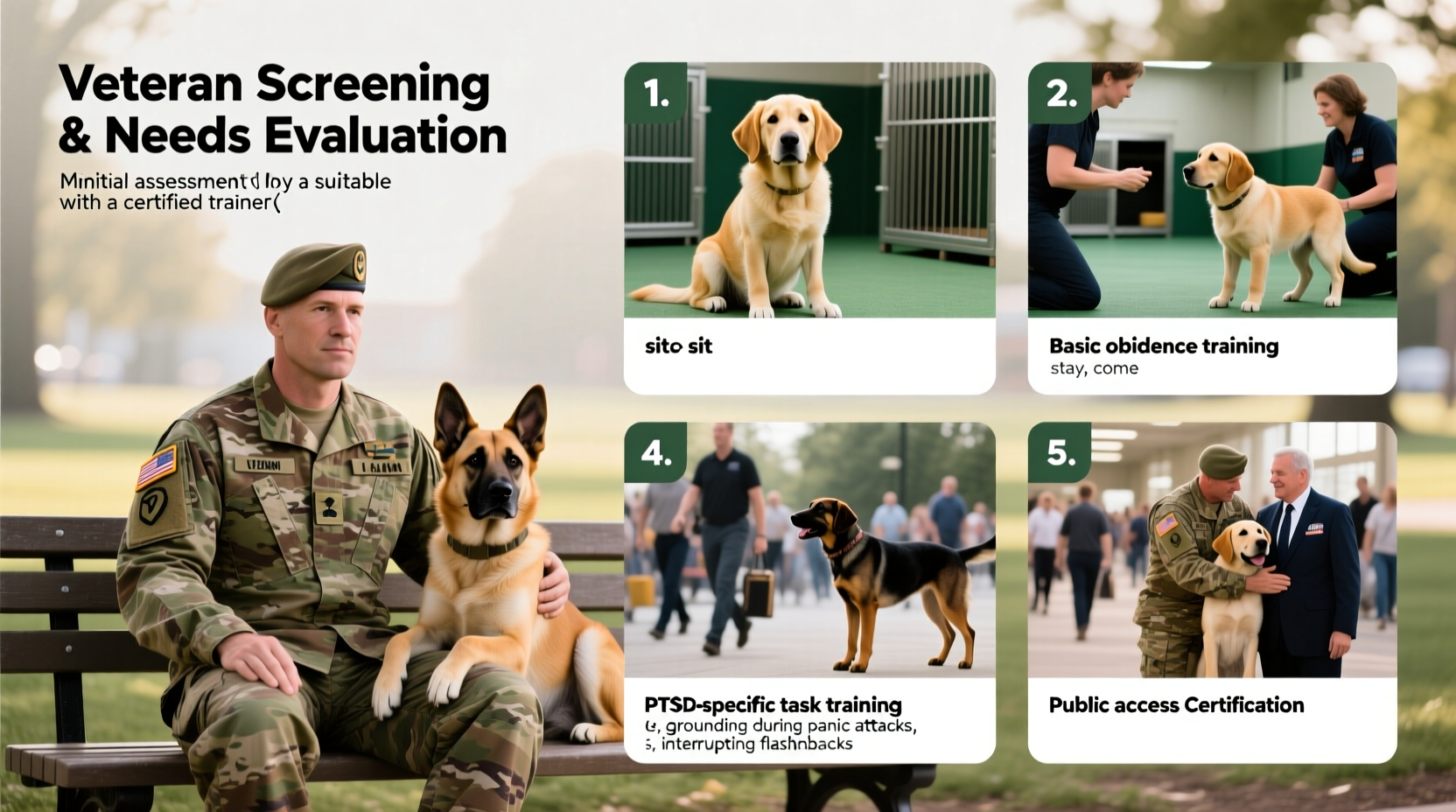
PTSD affects the brain’s ability to regulate fear and stress responses. Triggers such as loud noises, crowded spaces, or certain smells can lead to flashbacks, panic attacks, or dissociation. A psychiatric service dog (PSD) is individually trained to assist with these challenges by performing tasks like:
- Interrupting anxiety or panic attacks with tactile stimulation (e.g., pawing or nudging).
- Creating physical space in crowded environments by positioning the body between the handler and others.
- Guiding the handler during disorientation or grounding them during flashbacks.
- Waking the handler from nightmares using gentle pressure or licking.
- Retrieving medication or emergency phone during crisis episodes.
These actions go beyond comfort—they are functional interventions that help stabilize mood, reduce symptom frequency, and increase confidence in public settings.
“Service dogs don’t cure PTSD, but they provide critical tools that allow veterans to re-engage with life on their terms.” — Dr. Rebecca McAdams, Clinical Psychologist & VA PTSD Researcher
Step-by-Step Path to Qualifying for a PTSD Service Dog
Obtaining a service dog involves medical, logistical, and training components. Follow this structured timeline to navigate the process effectively.
- Confirm Diagnosis and Medical Documentation: Work with a licensed mental health professional—preferably one familiar with military trauma—to obtain a formal PTSD diagnosis. You’ll need a letter stating that your condition substantially limits major life activities and that a service dog would alleviate specific symptoms.
- Determine Eligibility for Assistance Programs: Many veterans pursue service dogs through nonprofit organizations that specialize in pairing dogs with veterans. Organizations like K9s For Warriors, Patriot Paws, and America’s VetDogs require proof of service, diagnosis, and often a commitment to attend in-person training.
- Choose Between Program-Trained vs. Owner-Trained Dogs: While program-trained dogs come fully certified and matched to your needs, waitlists can exceed 18 months. Owner-training allows faster access but demands significant time, consistency, and knowledge. Both paths are legally valid under the Americans with Disabilities Act (ADA).
- Select a Suitable Dog: Ideal candidates are calm, intelligent, and responsive. Breeds like Labrador Retrievers, Golden Retrievers, and Standard Poodles are commonly used due to their temperament and trainability. Rescue dogs can succeed if temperament-tested for stability and low reactivity.
- Begin Basic Obedience Training: Before task-specific work, ensure your dog masters commands like sit, stay, heel, down, and leave it. This foundation is essential for public access and safety.
Task Training: Building a Functional Psychiatric Service Dog
Training should focus on tasks directly tied to PTSD symptoms. Each behavior must be reliable under distraction. Below is a phased approach:
Phase 1: Foundation Skills (Weeks 1–8)
- Master leash manners in low-distraction areas.
- Build focus on the handler despite environmental stimuli.
- Introduce crate training and settle-on-mat exercises for calmness.
Phase 2: Task Introduction (Weeks 9–16)
- Deep Pressure Therapy (DPT): Train the dog to lie across the handler’s lap or chest when cued, applying calming weight during anxiety spikes.
- Interruption Behavior: Teach the dog to nudge or paw gently when detecting signs of distress (e.g., rapid breathing, pacing).
- Night Wake: Use a vibration collar or sound cue to wake the dog when the handler begins thrashing in sleep; train retrieval of a phone or turning on a light.
Phase 3: Public Access & Real-World Testing (Months 5–9)
- Practice entering stores, restaurants, and public transit.
- Ensure the dog remains unobtrusive, does not solicit attention, and stays focused.
- Simulate triggers in safe environments (e.g., sudden noises) to test task reliability.
“Consistency is everything. A service dog must respond correctly 99% of the time, even in chaos.” — Sarah Lin, Certified Service Dog Trainer (CPDT-KA)
Do’s and Don’ts of Service Dog Training
| Do’s | Don’ts |
|---|---|
| Use positive reinforcement consistently (treats, praise, play) | Use punishment or aversive tools like shock collars |
| Train in short, frequent sessions (5–10 minutes, 3x/day) | Over-train or push the dog past stress thresholds |
| Keep training logs to track progress and setbacks | Expect perfection overnight—mastery takes months |
| Involve your therapist in identifying real-life scenarios for training | Allow public petting during work—this breaks focus |
Real-World Example: James’ Journey with His Service Dog, Rex
James, a U.S. Army veteran deployed twice to Afghanistan, struggled with severe nighttime terrors and agoraphobia after discharge. Despite therapy and medication, he avoided leaving his home. After being approved by K9s For Warriors, he was paired with Rex, a 2-year-old yellow Lab rescued from a shelter.
During their three-week residential training, James learned how to cue Rex for deep pressure therapy during panic episodes and trained him to wake James during nightmares using a soft nose nudge. Rex was also taught to block behind James in crowded spaces, providing a sense of security.
Six months later, James reported a 70% reduction in panic attacks and had resumed attending community college. “Rex doesn’t just give me courage—he gives me back my life,” he said.
Frequently Asked Questions
Can any dog become a PTSD service dog?
Not every dog is suited for service work. The dog must have a stable temperament, low reactivity, and the ability to remain calm in unpredictable environments. Aggression, excessive barking, or fearfulness disqualify a dog from service roles.
Are PTSD service dogs allowed everywhere?
Yes. Under the ADA, psychiatric service dogs have the same public access rights as physical disability service dogs. They may accompany handlers in airplanes, restaurants, hospitals, and stores. Staff may only ask two questions: (1) Is the dog required because of a disability? (2) What work or task has the dog been trained to perform?
Does the VA provide service dogs for PTSD?
As of 2024, the Department of Veterans Affairs does not provide service dogs for PTSD, though it does cover veterinary care and supplies for veterans enrolled in VA health care who have a PSD. However, the VA supports research and partnerships with accredited nonprofits.
Final Checklist: Are You Ready to Begin?
- ☑ Diagnosed with PTSD by a licensed mental health provider
- ☑ Have a signed letter recommending a service dog for symptom mitigation
- ☑ Committed to 6–12 months of consistent daily training (30–60 minutes/day)
- ☑ Financial readiness for food, vet care, equipment, and potential trainer fees
- ☑ Ability to meet the dog’s physical, emotional, and behavioral needs long-term
Take the Next Step Toward Healing
Training a service dog for PTSD is not a quick fix—it’s a profound partnership built on trust, discipline, and mutual healing. Whether you choose a program-trained dog or embark on owner-training, the journey demands patience and perseverance. But for countless veterans, the result is transformative: greater autonomy, reduced reliance on medication, and a renewed sense of safety in the world.
💬 Ready to start your journey? Reach out to a VA counselor or a reputable service dog organization today. Share this guide with a fellow veteran who might benefit—your story could inspire someone to take their first step toward recovery.








