
Dogs can suffer from allergies just like humans, but they often express them in ways that are easy to misinterpret. Excessive scratching, ear infections, or even gastrointestinal issues may not be random annoyances—they could signal an underlying allergic reaction. Recognizing the signs early and knowing how to respond can dramatically improve your dog’s quality of life. This guide walks through the types of allergies dogs experience, how to spot symptoms at home, when to seek professional testing, and what treatment options exist.
Understanding Common Types of Canine Allergies
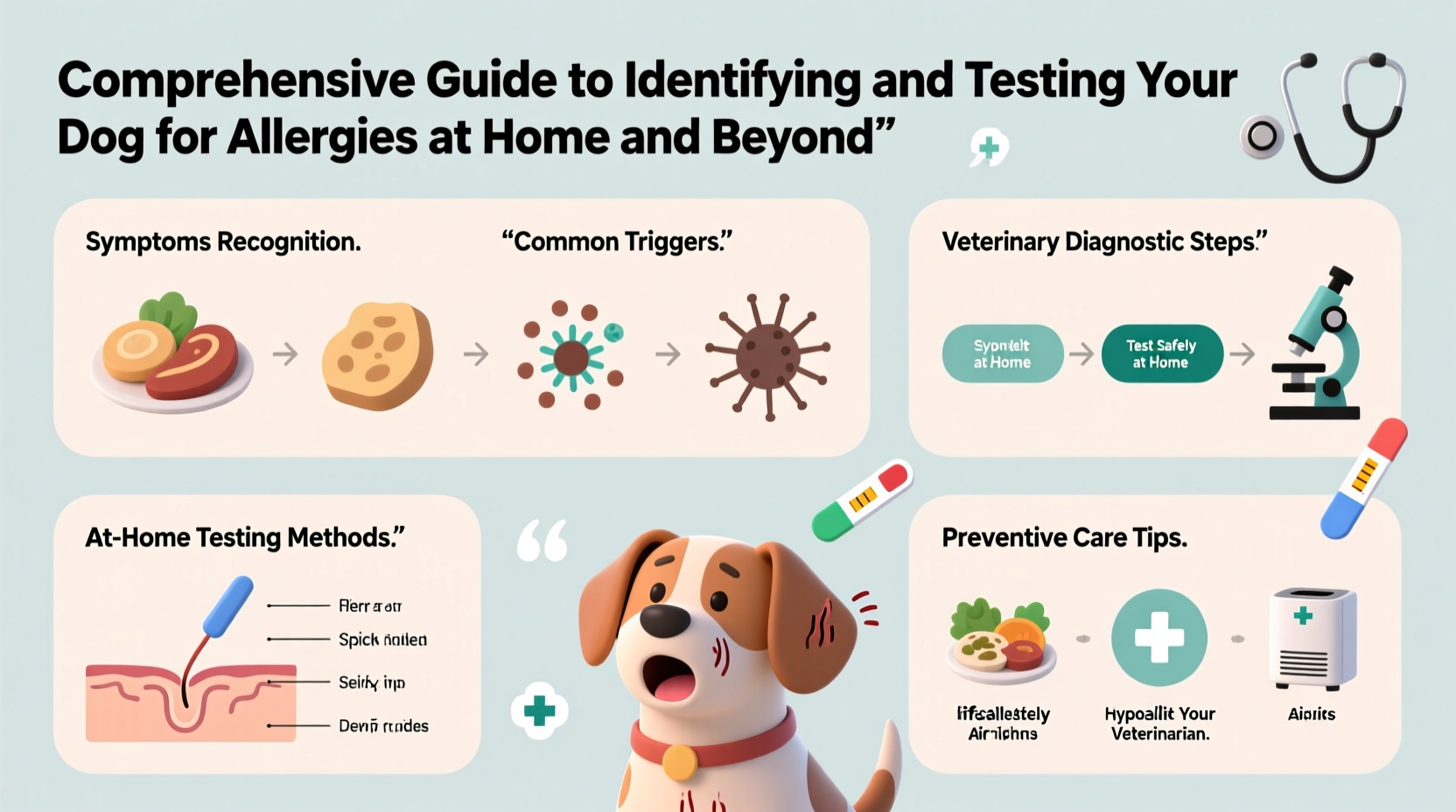
Dog allergies fall into three primary categories: environmental, food-based, and flea-related. Each triggers a distinct immune response, though symptoms can overlap, making diagnosis tricky without proper evaluation.
- Flea allergy dermatitis (FAD): The most common skin disease in dogs. It's caused by an allergic reaction to flea saliva. Even a single bite can trigger intense itching lasting days.
- Environmental allergies (atopy): Also known as seasonal allergies, these are triggered by airborne particles such as pollen, mold spores, dust mites, or dander. Symptoms often worsen during certain times of year.
- Food allergies: Unlike food intolerances (which affect digestion), true food allergies involve the immune system reacting to specific proteins, commonly beef, dairy, chicken, eggs, or grains.
Allergies are not curable, but they are manageable. The key is accurate identification of the allergen, which starts with observation and ends with targeted testing.
Tip: Keep a symptom journal. Note when flare-ups occur, what your dog ate, where they’ve been, and weather conditions. Patterns can reveal hidden triggers.Recognizing Allergy Symptoms at Home
Early detection begins with vigilance. Dogs rarely show obvious signs of discomfort until the issue becomes chronic. Watch for these behavioral and physical indicators:
- Excessive licking, chewing, or biting at paws
- Red, inflamed, or scabbed skin
- Frequent ear infections or head shaking
- Sneezing, coughing, or watery eyes
- Hair loss or thinning coat
- Gastrointestinal disturbances (vomiting, diarrhea)
- Rubbing face against furniture or carpet
Itching is the hallmark sign, but it’s important to differentiate between generalized discomfort and localized reactions. For example, if your dog licks only their back legs during spring, this could point to pollen exposure. Conversely, year-round itching with digestive symptoms may suggest a food allergy.
“Many owners mistake chronic itching for normal behavior. But persistent scratching is never normal—it’s a cry for help.” — Dr. Lena Reyes, Veterinary Dermatologist
Step-by-Step: Conducting a Home Elimination Diet Trial
If you suspect a food allergy, a controlled elimination diet is the gold standard for at-home testing. Blood and saliva tests marketed for food allergies are often unreliable, according to veterinary consensus. A dietary trial provides more accurate results.
- Choose a novel protein and carbohydrate: Select ingredients your dog has never eaten—such as venison and potato, duck and pea, or kangaroo and tapioca.
- Stick strictly to the new diet: No treats, flavored medications, bones, or table scraps. Even small exposures can invalidate the test.
- Maintain the diet for 8–12 weeks: Allergic reactions take time to subside. Improvement may not appear until week 6.
- Monitor symptoms daily: Track changes in skin condition, energy levels, and digestion.
- Reintroduce old foods one at a time: After improvement, add back one previous ingredient every two weeks. If symptoms return, you’ve likely found the culprit.
This method requires patience and discipline. Many owners abandon trials too soon, missing critical insights.
Tip: Use hypoallergenic dental chews or unflavored fish oil capsules if medication is needed during the trial.Professional Testing and When to Seek Help
While home observation and diet trials are valuable, some cases require clinical diagnostics. Veterinarians use several tools to confirm allergies:
| Test Type | Purpose | Accuracy & Notes |
|---|---|---|
| Intradermal Skin Test | Identifies environmental allergens | Gold standard; performed under sedation by a veterinary dermatologist |
| Blood (IgE) Testing | Measures antibody response to allergens | Less invasive but prone to false positives; best used alongside clinical signs |
| Fecal & Skin Cytology | Rules out infections mimicking allergies | Critical first step—yeast or bacterial overgrowth often coexists with allergies |
| Food Trial Supervision | Guided elimination diet | Vets can recommend commercial hydrolyzed diets for stricter control |
If your dog shows severe symptoms—open sores, constant head shaking, weight loss, or lethargy—consult a vet immediately. Secondary infections can develop quickly and require antibiotics or antifungals.
Mini Case Study: Max, the Golden Retriever with Chronic Itch
Max, a 4-year-old golden retriever, had been scratching his ears and paws for months. His owner tried oatmeal shampoos and over-the-counter antihistamines with no success. After ruling out fleas and ear mites, the vet recommended an 8-week elimination diet using a prescription hydrolyzed protein food. By week 7, Max’s skin improved dramatically. When chicken was reintroduced, itching returned within 48 hours. The diagnosis? A chicken protein allergy. Switching to a limited-ingredient diet resolved Max’s symptoms permanently.
Managing Allergies Long-Term
Once the allergen is identified, management becomes the focus. There is no one-size-fits-all solution, but combining strategies yields the best outcomes.
- For food allergies: Maintain a strict hypoallergenic diet. Read labels carefully—even “natural flavorings” can contain hidden allergens.
- For environmental allergies: Bathe your dog weekly with a soothing, pH-balanced shampoo. Wipe paws after walks to remove pollen.
- For flea allergies: Use veterinarian-approved monthly preventatives year-round, even indoors.
- Immunotherapy: For confirmed environmental allergies, allergy shots or oral drops can gradually desensitize the immune system (effective in ~70% of cases).
“Treating allergies isn’t about eliminating every trigger—it’s about reducing the total burden so your dog stays below the itch threshold.” — Dr. Alan Pierce, Board-Certified Veterinary Dermatologist
Checklist: What to Do When You Suspect Your Dog Has Allergies
- Observe and document symptoms (timing, location, severity)
- Rule out fleas with a reliable preventative
- Consult your vet to exclude infections or other diseases
- Begin a strict elimination diet if food allergy is suspected
- Consider professional allergy testing for persistent or severe cases
- Implement long-term management: diet, bathing, medication, or immunotherapy
Frequently Asked Questions
Can dogs suddenly develop allergies?
Yes. Allergies often emerge between 1 and 3 years of age, though they can appear at any stage. A dog who previously tolerated a food or environment may later become sensitized.
Are grain-free diets better for allergic dogs?
Not necessarily. Most food allergies stem from animal proteins, not grains. Grain-free diets may substitute with legumes, which can also be allergens. Focus on ingredient novelty and quality, not marketing claims.
Do air purifiers help with dog allergies?
They can. HEPA filters reduce airborne allergens like pollen and dander inside the home, especially in rooms where your dog spends the most time. Pair with regular vacuuming for best results.
Take Action for a Healthier, Happier Dog
Allergies don’t have to define your dog’s life. With careful observation, structured testing, and informed care, you can uncover the root cause of discomfort and restore your pet’s well-being. Start today by tracking symptoms, consulting your veterinarian, and committing to a clear plan. Your dog can’t tell you what’s wrong—but with attention and action, you can find the answers they need.
💬 Have you identified your dog’s allergy triggers? Share your experience or questions in the comments—your story might help another pet parent find relief.








