For many pet owners, dressing their dogs isn’t just about fashion—it’s a way to protect them from the elements, manage allergies, or simply celebrate their bond. However, delicate dog garments made from wool, silk blends, lace, or hand-knitted fabrics require more than a quick toss in the washing machine. Improper care can lead to shrinking, pilling, color bleeding, or even structural damage that renders the clothing unwearable. Understanding how to clean and maintain these items properly ensures they remain functional, comfortable, and long-lasting for your pet.
Understanding Fabric Types and Care Labels
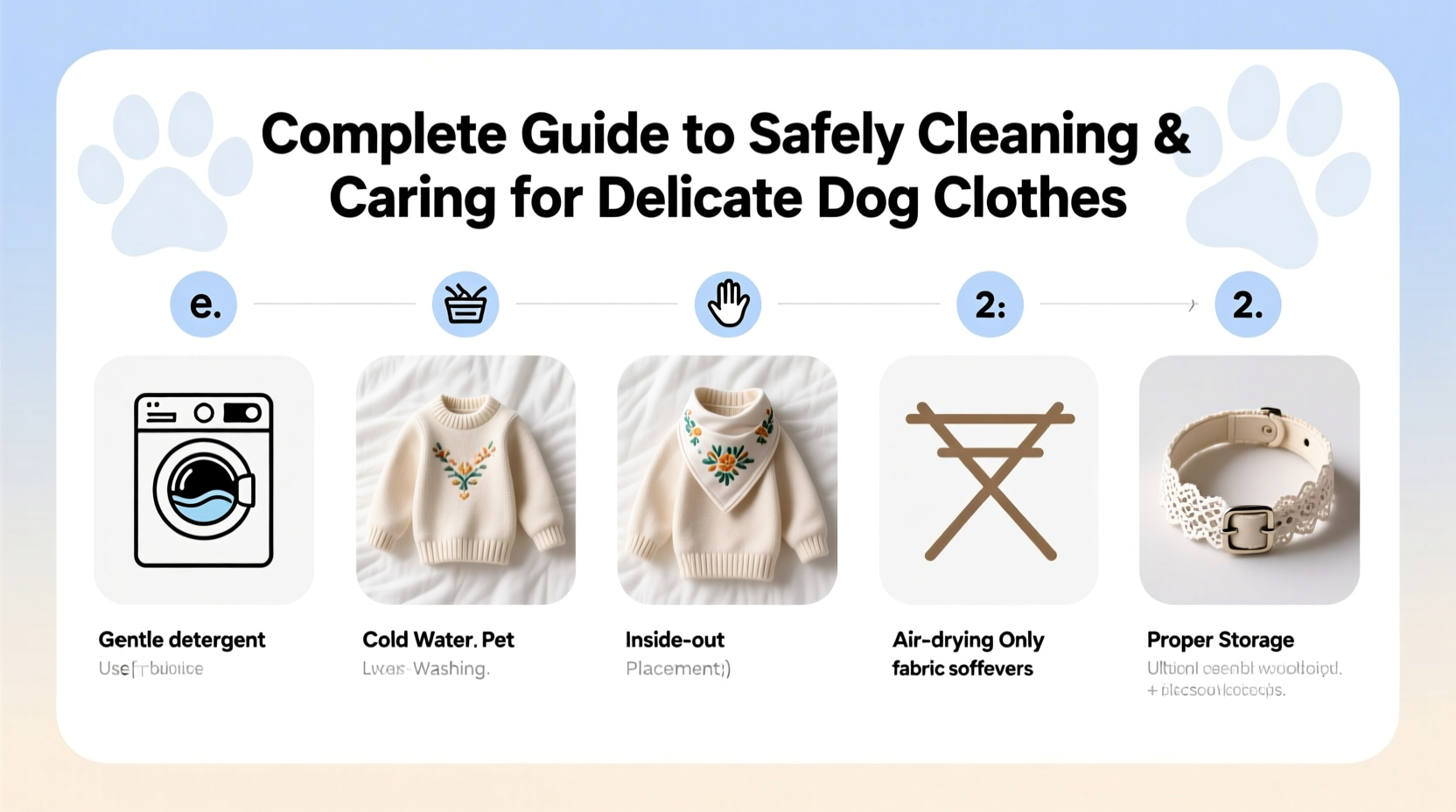
The first step in preserving delicate dog clothes is identifying what they’re made of. Common materials include cotton blends, merino wool, acrylic knits, polyester-spandex mixes, and occasionally silk or bamboo fibers. Each reacts differently to water, heat, and agitation.
Care labels are your primary guide. While some dog clothes come with detailed instructions, others—especially handmade or imported pieces—may lack them. When in doubt, assume the fabric is sensitive and proceed cautiously. Never use bleach or fabric softeners on any garment unless explicitly approved by the manufacturer.
“Treat dog clothing like infant wear: gentle, low-heat, and minimal chemical exposure.” — Dr. Lena Peterson, Veterinary DermatologistTip: Use a magnifying glass if the care label text is too small. Look for symbols indicating hand wash only, no tumble dry, or maximum washing temperature.
Step-by-Step Guide to Hand Washing Delicate Dog Clothes
Machine washing—even on a gentle cycle—can be too harsh for fine textiles. Hand washing offers superior control and significantly reduces wear. Follow this timeline for best results:
- Pre-Treat Stains (5 minutes): Dab localized soiling (mud, grass, food) with a cloth dampened in cold water and a drop of pH-neutral detergent. Avoid rubbing, which can spread stains or damage fibers.
- Fill Basin (2 minutes): Use a clean sink or basin with lukewarm water (below 30°C / 86°F). Add a small amount of mild detergent formulated for delicates or baby clothes.
- Soak Garment (10–15 minutes): Submerge the clothing gently. Let it soak without agitation to loosen dirt while preserving fiber integrity.
- Rinse Thoroughly (5 minutes): Drain soapy water and refill with cool, clean water. Rinse two to three times until water runs clear.
- Remove Excess Water (3 minutes): Press the garment between clean towels to absorb moisture. Never wring or twist, as this stretches and deforms knits.
- Dry Flat (24–48 hours): Lay the item on a dry towel in its natural shape, away from direct sunlight or heating vents. Reshape sleeves or collars as needed.
Do’s and Don’ts: Caring for Delicate Fabrics
| Action | Do | Don't |
|---|---|---|
| Washing Method | Hand wash with cold water and gentle detergent | Use hot water or heavy-duty laundry detergents |
| Drying | Lay flat on a clean towel; rotate halfway through drying | Tumble dry or hang by straps (causes stretching) |
| Storage | Fold neatly in a breathable cotton bag or drawer | Compress in vacuum-sealed containers or plastic bins |
| Stain Removal | Blot with diluted vinegar or enzymatic pet-safe cleaner | Scrub vigorously or use bleach-based products |
| Frequency | Wash after 2–3 wears or immediately after soiling | Leave dirty clothes bunched in a laundry basket |
Real Example: Preserving a Hand-Knit Wool Sweater
Sophie, a Pomeranian owner from Portland, received a hand-knit alpaca blend sweater as a gift. After her first machine wash attempt, the garment shrank by nearly 30%, becoming too tight around the chest and neck. Distressed, she consulted a local pet stylist who recommended rewashing using the hand-wash method with lanolin-rich wool detergent. Sophie soaked the sweater in cool water, gently stretched it back to size during drying, and stored it folded with cedar blocks to deter moths. The sweater was restored and has lasted two additional winters with proper seasonal care.
Tip: For wool or alpaca items, use a detergent containing lanolin to help retain natural softness and water resistance.Special Considerations for Functional and Decorative Elements
Many dog clothes feature embellishments such as buttons, bows, embroidery, or reflective strips. These details demand extra attention:
- Buttons & Snaps: Fasten before washing to prevent snagging. Check monthly for loose attachments that could become choking hazards.
- Sequins & Beads: Turn the garment inside out and place in a mesh laundry bag if hand agitation is needed. Avoid stacking heavy items on top during storage.
- Reflective Trim: Do not iron or expose to high heat. Clean with a damp microfiber cloth instead of soaking if possible.
- Fur-Lined Hoods or Liners: Spot clean only. Never submerge fur components, as this can cause matting and odor retention.
“Delicate doesn’t mean disposable. With thoughtful care, a well-made dog garment can last through multiple seasons—even years.” — Marcus Tran, Pet Apparel Designer
Checklist: Monthly Maintenance Routine
To keep your dog’s delicate wardrobe in optimal condition, follow this monthly checklist:
- Inspect all garments for loose threads, weak seams, or damaged fasteners.
- Rotate stored items to prevent permanent creasing or compression.
- Spot-clean collars and underarm areas prone to odor buildup.
- Vacuum storage drawers or shelves to eliminate dust and pests.
- Reapply natural fabric protectants like beeswax spray for water-resistant finishes (pet-safe only).
- Verify fit—dogs can gain or lose weight over time, making once-comfortable clothes restrictive.
Frequently Asked Questions
Can I use human wool wash on my dog’s sweater?
Yes, provided it’s free of essential oils, perfumes, or additives toxic to pets. Always rinse thoroughly to remove any residue that could irritate your dog’s skin.
How do I remove dog odor without washing?
Hang the garment outdoors in fresh air for a few hours. For stronger odors, lightly mist with a solution of equal parts water and white vinegar, then air dry completely. Baking soda sprinkled and vacuumed off after 30 minutes also helps neutralize smells.
Is it safe to dry delicate dog clothes near a radiator?
No. Heat accelerates fiber degradation and causes shrinkage, especially in wool and elastic blends. Always dry at room temperature, away from direct heat sources.
Conclusion: Care That Reflects Your Commitment
Cleaning delicate dog clothes isn’t merely about aesthetics—it’s an extension of responsible pet care. By investing time in proper washing, drying, and storage, you protect your pet’s comfort and extend the life of garments that often carry sentimental or financial value. Whether it’s a holiday sweater, a therapeutic support jacket, or a custom-fitted raincoat, each piece deserves attention that matches the love you give your dog.
💬 Have a favorite tip for caring for your dog’s wardrobe? Share your experience in the comments and help fellow pet parents keep their furry friends stylish and safe.








