
As the temperature drops and crisp autumn air gives way to frosty winter mornings, many pet owners begin to wonder: does my dog or cat need a coat? While some pets are naturally equipped with thick fur, others—especially small breeds, seniors, or short-haired animals—benefit significantly from added protection. Beyond function, today’s pet apparel blends practicality with personality. The right clothing keeps your pet warm while expressing their unique charm. But with countless styles, materials, and fits available, how do you choose wisely?
Selecting pet clothing isn’t just about picking the cutest sweater. It involves understanding your pet’s breed, lifestyle, climate, and comfort preferences. Done well, it enhances safety and wellbeing. Done poorly, it can cause stress, overheating, or restricted movement. This guide walks through every essential factor in choosing pet clothes that are both cozy and stylish—without compromising health or happiness.
Understanding Your Pet’s Need for Clothing
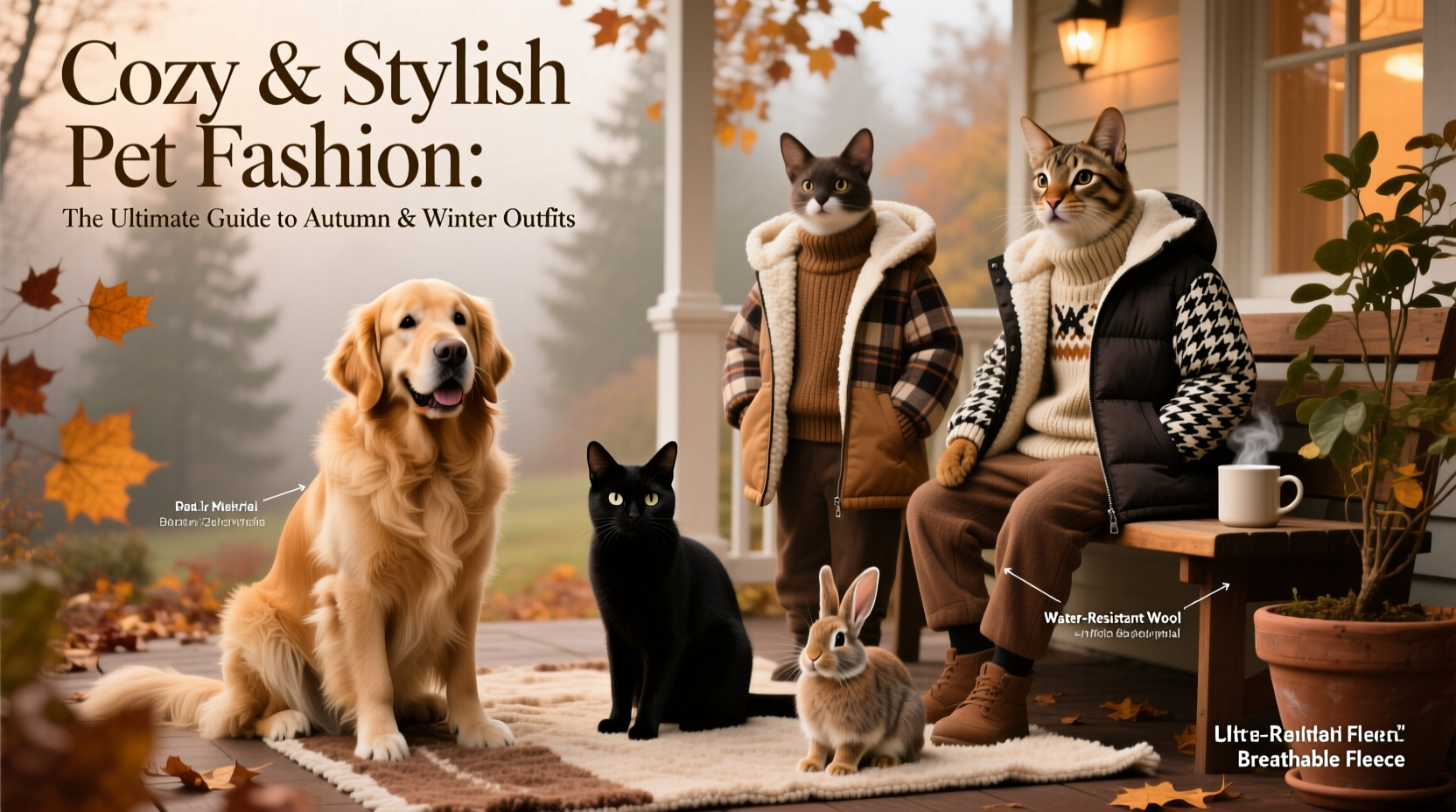
Not all pets require outerwear, but certain factors make it necessary. Dogs like Chihuahuas, Greyhounds, or Yorkshire Terriers have minimal body fat and thin coats, making them prone to cold stress. Senior pets often struggle with circulation, while puppies may not regulate body temperature as efficiently. Cats, though typically self-sufficient, may benefit from soft pullovers if they’re hairless (like Sphynx) or live in drafty homes.
Veterinarian Dr. Lena Patel notes:
“Pets can suffer from hypothermia just like humans. If your animal shivers, tucks its paws, or avoids going outside in cold weather, it might be time to consider a thermal layer.” — Dr. Lena Patel, DVM, Small Animal Specialist
Outdoor exposure is another key consideration. A 10-minute bathroom break in mild weather rarely requires a jacket. But dogs used for walking, hiking, or living in regions with prolonged snowfall will need durable, insulated options. Indoor-only pets may only need lightweight loungewear for comfort on chilly floors.
Tip: Test your pet’s tolerance by introducing clothing gradually during milder days before relying on it in extreme cold.Key Features of High-Quality Pet Winter Wear
The best pet garments balance insulation, mobility, and ease of use. Look for these critical elements when shopping:
- Material: Fleece, wool blends, and thermal synthetics retain heat without adding bulk. Avoid stiff fabrics that limit motion.
- Fit: Snug but not tight. There should be room for layering without restricting leg movement or breathing.
- Closure System: Adjustable Velcro, snap buttons, or elastic bands allow customization. Zippers should be covered to prevent snagging fur.
- Neck and Chest Coverage: High collars and chest panels protect vital areas from wind and snow.
- Water Resistance: Essential for rainy climates. Look for coated exteriors that repel moisture while wicking sweat from the inside.
- Reflective Details: Improve visibility during early morning or evening walks—a safety must.
Well-designed pet clothing also includes openings for leash attachments, so you don’t have to remove the garment mid-walk. Seamless underarms reduce chafing, especially important for active dogs.
Do’s and Don’ts When Selecting Pet Outerwear
| Do’s | Don’ts |
|---|---|
| Measure your pet’s back length, neck, and chest girth before buying | Guess sizing based on human clothing equivalents |
| Choose machine-washable fabrics for easy cleaning | Purchase dry-clean-only items unless you’re prepared for maintenance |
| Opt for flat seams to avoid irritation | Select garments with internal tags or rough stitching |
| Try one piece at a time to assess comfort | Dress your pet head-to-toe immediately without acclimation |
Finding the Right Style for Every Season and Situation
Autumn calls for transitional pieces—lightweight sweaters, denim jackets, or cable-knit vests. These offer moderate warmth while showcasing seasonal flair. Earth tones, plaid patterns, and harvest-inspired colors align with fall aesthetics.
Winter demands heavier-duty solutions. Consider:
- Insulated Parkas: With hoods, full-zip fronts, and windproof shells—ideal for snowy hikes.
- Turtleneck Sweaters: Soft, stretchy, and perfect for indoor wear or quick outings.
- Raincoats with Hoods: Keep pets dry during wet winter storms.
- Pet Pajamas: Made from brushed cotton or bamboo blends, great for senior pets or those with arthritis.
Style doesn’t have to sacrifice substance. Many brands now offer designer looks—faux shearling trims, quilted nylon, even faux leather accents—that still prioritize warmth and fit.
Real Example: How Max the Maltipoo Stays Warm in Chicago Winters
Max, a 5-year-old Maltipoo living in downtown Chicago, used to resist walks below 40°F. His owner, Sarah, noticed him lifting his paws and refusing to move after a few minutes. After consulting her vet, she invested in a waterproof, fleece-lined parka with reflective strips and an adjustable belly strap. Within days, Max was happily trotting through snowdrifts. “He even seems to wag more when he sees me pick up his red coat,” Sarah says. “It’s become part of our routine—and our bond.”
Step-by-Step: How to Introduce Clothing to Your Pet
Even the most adorable outfit fails if your pet resists wearing it. Follow this timeline to ensure a smooth transition:
- Day 1–2: Let your pet sniff and explore the garment. Place it near their bed or feeding area.
- Day 3: Drape the clothing over their back for 30 seconds, then reward with treats. Repeat 3–4 times.
- Day 4–5: Fasten one closure (e.g., Velcro at the chest), leave it on for 1 minute, then remove and reward.
- Day 6–7: Fully dress your pet and allow them to move around indoors. Monitor for signs of distress.
- Week 2: Begin short outdoor trials in mild conditions. Gradually extend duration as confidence builds.
If your pet shows persistent anxiety—panting, trembling, attempts to escape—pause and reassess fit or material. Never force clothing onto an unwilling animal.
Tip: Pair dressing time with positive rituals like walks, play, or mealtime to create a favorable association.Essential Checklist Before Buying Pet Clothes
- ✅ Measure your pet accurately using a soft tape measure
- ✅ Check return policy in case sizing is off
- ✅ Ensure unrestricted movement in shoulders and hind legs
- ✅ Confirm washability and drying instructions
- ✅ Verify presence of leash access point
- ✅ Look for hypoallergenic lining to prevent skin irritation
- ✅ Prioritize safety features (no loose buttons, covered zippers)
Frequently Asked Questions
Can I leave my pet’s sweater on all day?
Only if it's comfortable, non-restrictive, and made of breathable fabric. Remove clothing after coming indoors to prevent overheating. Never leave pets unattended in garments with drawstrings or small parts they could chew.
How do I know if the coat is too tight?
You should be able to fit two fingers comfortably under any strap or collar. Signs of tightness include limping, excessive scratching, red marks on the skin, or reluctance to walk.
Are there eco-friendly pet clothing options?
Yes. Increasingly, brands use recycled polyester, organic cotton, and biodegradable dyes. Look for certifications like GOTS (Global Organic Textile Standard) or B Corp status when shopping sustainably.
Final Thoughts: Style Meets Comfort and Care
Choosing pet clothes for autumn and winter goes beyond fashion—it’s an act of care. The right garment protects vulnerable bodies from cold, supports aging joints, and makes outdoor time safer and more enjoyable. At the same time, it allows owners to express love through thoughtful, personalized choices.
Whether you opt for a minimalist turtleneck or a high-performance snowsuit, always put comfort first. Observe your pet’s behavior, listen to their cues, and adjust accordingly. With the right approach, pet clothing becomes less of a novelty and more of a natural extension of responsible ownership.
🚀 Ready to upgrade your pet’s cold-weather wardrobe? Start by measuring your companion today, then explore trusted brands that blend warmth, safety, and style. Share your favorite finds or tag a fellow pet parent who’d love a cozy update!








