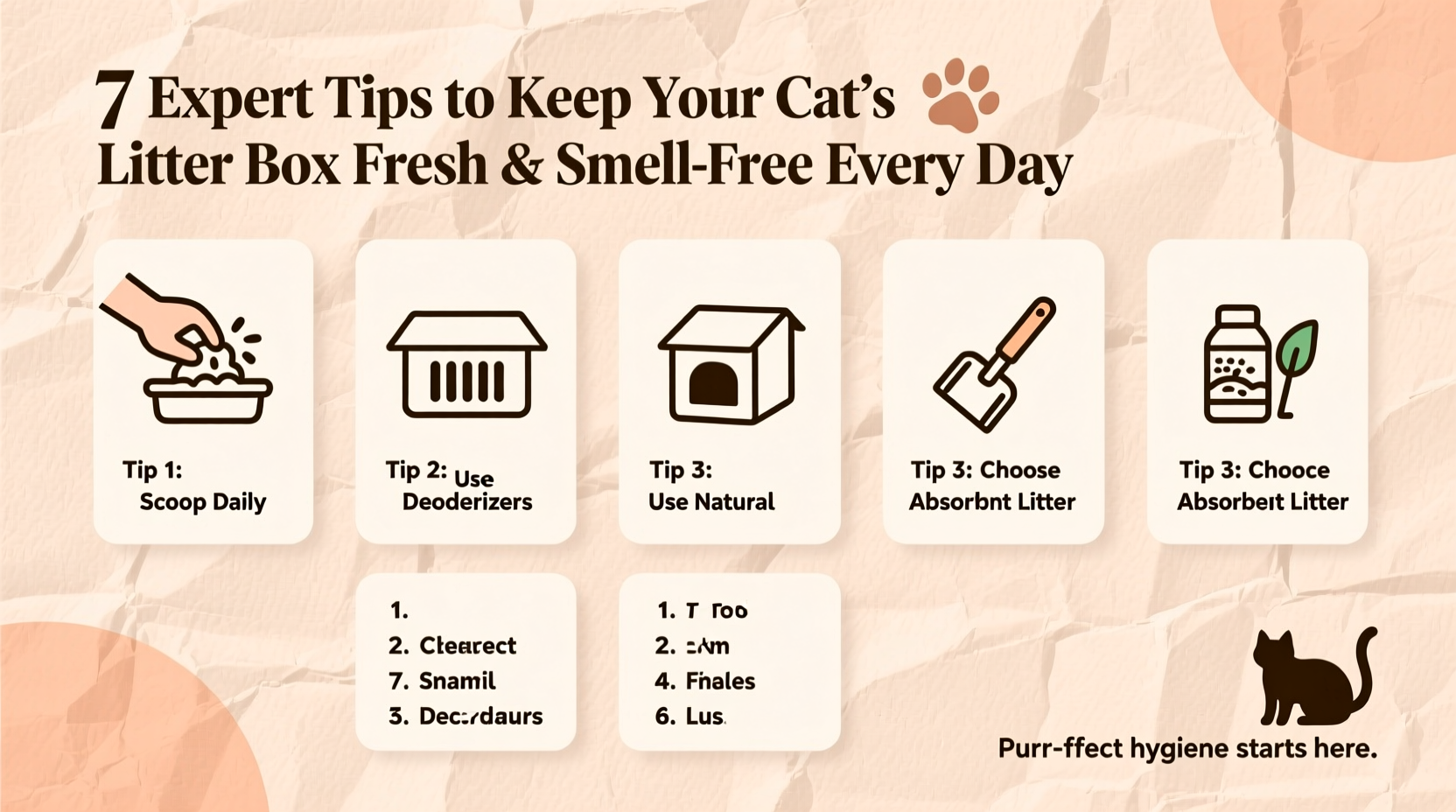
For many cat owners, the litter box is an unavoidable source of household odor. Despite daily scooping, lingering smells can persist—especially in small homes or multi-cat households. The good news? With the right techniques, you can eliminate litter box odors entirely. Veterinarians and feline behaviorists agree: a clean litter box isn’t just about comfort—it’s essential for your cat’s health and well-being. Below are seven science-backed, practical strategies to keep your litter area smelling neutral and fresh every single day.
1. Choose the Right Litter Type for Maximum Odor Control
Not all litters are created equal when it comes to odor management. Clay-based clumping litters absorb moisture well, but they may not neutralize ammonia effectively. Silica gel crystals excel at trapping moisture and odor over time, making them ideal for low-maintenance setups. Natural options like pine, wheat, or walnut-based litters offer biodegradability and some have natural enzymatic properties that break down odor-causing compounds.
Tip: Look for litters labeled \"ammonia-neutralizing\" or those containing activated charcoal or baking soda for enhanced odor control.Dr. Lisa Reed, DVM and feline specialist, notes:
“The litter you choose impacts both hygiene and your cat’s willingness to use the box. A litter that controls odor without strong perfumes reduces stress and keeps cats consistent in their habits.”
2. Scoop Daily—and Twice a Day if Needed
Waste breaks down quickly, releasing ammonia and sulfur compounds within hours. Removing solid waste and clumps once per day is the bare minimum. In multi-cat homes, scooping morning and evening prevents buildup and minimizes bacterial growth.
Use a high-quality sifting scoop to remove only waste while preserving clean litter. This reduces waste and extends the life of the litter between full changes.
Step-by-Step Scooping Routine
- Wear disposable gloves or wash hands immediately after.
- Stir the litter gently to bring buried waste to the surface.
- Scoop solids and damp clumps into a sealed bag.
- Dispose of waste in an outdoor trash bin when possible.
- Wipe the rim and exterior of the box with a pet-safe disinfectant wipe.
3. Deep Clean the Box Weekly
Even with daily scooping, residue builds up on the plastic walls and bottom of the litter box. Urine soaks into microscopic pores, creating a breeding ground for bacteria and persistent odors.
Replace all litter weekly and wash the box thoroughly using mild dish soap and warm water. Avoid harsh chemicals like bleach or ammonia-based cleaners—these leave behind scents that repel cats and can trigger inappropriate elimination.
Tip: Rinse the box extremely well after washing. Any soap residue can alter litter scent and deter your cat.Allow the box to air dry completely before refilling. Moisture trapped under fresh litter accelerates odor development.
4. Use Baking Soda Strategically (But Don’t Overdo It)
Baking soda is a natural deodorizer that absorbs moisture and neutralizes acidic compounds like ammonia. Sprinkling a thin layer at the bottom of the clean litter box before adding litter enhances odor control without affecting texture.
However, avoid mixing baking soda directly into scented litters—this can create an overpowering smell. Also, don’t rely solely on baking soda; it supports cleaning routines but doesn’t replace them.
| Method | Effectiveness | Best For |
|---|---|---|
| Baking soda base layer | High | All litter types, especially clay and crystal |
| Charcoal filters in hooded boxes | High | Enclosed boxes in small spaces |
| Enzymatic sprays post-cleaning | Moderate-High | Spot-treating accidents or deep odors |
| Fragranced litters | Low | Not recommended—may irritate cats |
5. Optimize Placement and Ventilation
A poorly placed litter box traps odors. Basements, laundry rooms, and cramped corners often lack airflow, allowing smells to concentrate. Place the box in a well-ventilated area away from HVAC vents, food prep zones, and sleeping areas.
If space is limited, consider installing a small exhaust fan or placing a quiet air purifier nearby. HEPA filters with activated carbon are particularly effective at capturing airborne particles and neutralizing volatile organic compounds from urine.
“Odor isn’t just unpleasant—it can discourage your cat from using the box. Location matters as much as cleanliness.” — Dr. Angela Kim, Feline Behavior Consultant
Real Example: The Apartment Turnaround
Sarah, a cat owner in Chicago, struggled with persistent litter box odor in her one-bedroom apartment. She used scented litter and scooped daily, but guests still noticed a smell near the bathroom corner where the box was kept. After consulting a vet technician, she moved the box to a more open hallway nook with better airflow, switched to unscented pine litter, added a carbon-filter air purifier, and began weekly box scrubbing. Within two weeks, the odor disappeared completely—and her cat’s usage became more consistent.
6. Maintain the Right Number of Boxes
The golden rule: one litter box per cat, plus one extra. So, for two cats, you need three boxes. This prevents territorial guarding and ensures waste isn’t left unattended. When one box becomes too dirty, cats may delay elimination, leading to larger deposits and stronger odors when they finally go.
Spread boxes across different quiet locations. Avoid clustering them together—they should be accessible but separate to reduce competition.
Checklist: Litter Box Maintenance Schedule
- ✅ Scoop waste at least once daily (twice for multiple cats)
- ✅ Replace all litter weekly
- ✅ Wash box with mild soap and water weekly
- ✅ Inspect for cracks or scratches monthly (replace if damaged)
- ✅ Rotate location occasionally to prevent odor saturation in flooring
- ✅ Monitor your cat’s habits—sudden avoidance may signal odor issues or health problems
7. Address Underlying Health Issues Promptly
Sudden increases in litter box odor—especially a sharp, metallic, or foul smell—can indicate medical concerns such as urinary tract infections, diabetes, or kidney disease. Changes in urine color, volume, or frequency should prompt a vet visit.
Healthy urine has a mild ammonia scent. Strong, pungent, or sweet-smelling urine is not normal and requires professional evaluation. Treating the root cause eliminates chronic odor and protects your cat’s long-term health.
Frequently Asked Questions
Can I use baking soda in any type of litter?
Yes, but sparingly. A thin layer at the bottom works well with most litters. Avoid mixing large amounts into lightweight or natural litters, as it may affect clumping or texture.
How often should I replace the litter box itself?
Plastic litter boxes degrade over time. Scratches, discoloration, and odor retention increase after 1–2 years. Replace boxes annually in single-cat homes and every 6–12 months in multi-cat households.
Are covered litter boxes bad for odor control?
They can be. While lids contain dust and provide privacy, they also trap odors inside. If using a covered box, choose one with ventilation panels and clean it more frequently. Pair it with a carbon filter for best results.
Final Thoughts: Freshness Starts with Consistency
Eliminating litter box odor isn’t about one magic product—it’s about combining smart choices with consistent care. From selecting the right litter to maintaining proper hygiene and monitoring your cat’s health, each step contributes to a fresher, more pleasant environment for both you and your pet.
Remember: a clean litter box isn’t just a chore—it’s an act of respect for your cat’s instincts and dignity. Cats are fastidious by nature, and when their elimination area meets their standards, they reward you with confidence and comfort.
💬 Have a tip that transformed your litter routine? Share your experience below and help fellow cat lovers enjoy a cleaner, fresher home.








