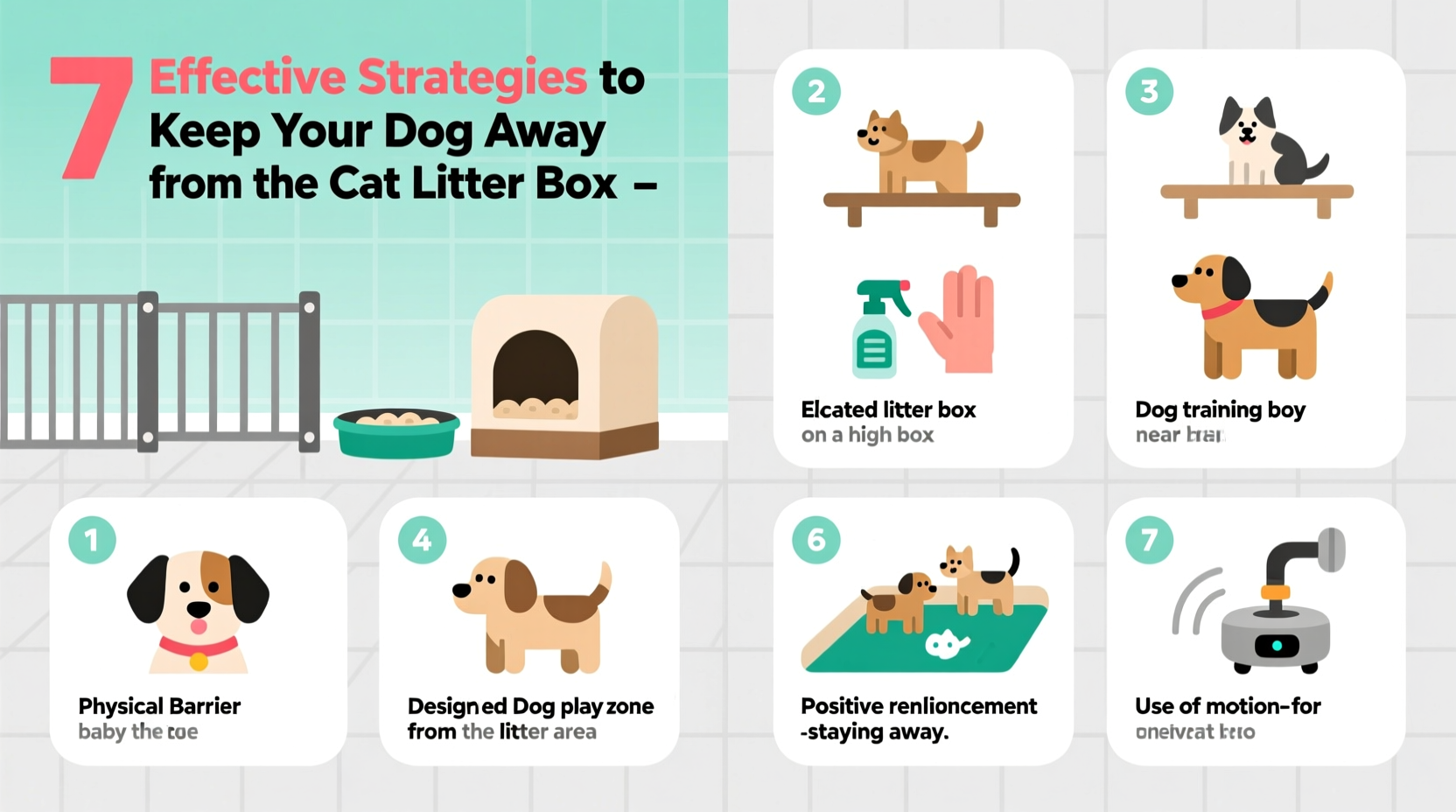
Living with both dogs and cats can bring immense joy — but it also comes with unique challenges. One of the most common and frustrating issues pet owners face is a dog’s persistent interest in the cat’s litter box. Whether they’re sniffing, pawing, or even eating waste, this behavior is not only unsanitary but can lead to health risks and household tension. The good news is that with thoughtful planning and consistent training, you can successfully prevent your dog from accessing the litter box. Here are seven proven strategies to help maintain peace, hygiene, and harmony in your multi-pet home.
1. Restrict Access with Physical Barriers
The most immediate and effective solution is to limit your dog’s physical access to the litter box. Cats are agile and can navigate small spaces, while dogs often struggle with tight clearances. Use this to your advantage by placing the litter box in a location only your cat can reach.
Consider installing a baby gate with narrow spacing, but leave a small opening just large enough for your cat to pass through. Alternatively, use a pet-safe door with a microchip or magnetic collar lock that only opens for your cat. These systems are widely available and easy to install in doorways or cabinet enclosures.
Tip: Test the barrier with your cat first to ensure they can enter and exit comfortably without stress.Kitchen pantries, closets, or bathroom nooks often make ideal locations. Just make sure the space remains well-ventilated and quiet to keep your cat comfortable.
2. Choose a Covered or Top-Entry Litter Box
A covered litter box adds an extra layer of deterrence. Most dogs are less likely to dig into a closed environment, especially if the entrance is small or awkward. Top-entry litter boxes are particularly effective — cats can jump in from above, but dogs typically can’t climb or balance to access them.
While some cats may need time to adjust, many adapt quickly, especially if the box is introduced gradually. Ensure the covered box is cleaned regularly, as poor ventilation can discourage cats from using it — which defeats the purpose.
| Type | Dog Deterrence | Cat Compatibility | Maintenance Note |
|---|---|---|---|
| Open Box | Low | High | Easy to clean, but easily accessible to dogs |
| Covered Box | Medium | Medium | May trap odors; requires frequent scooping |
| Top-Entry Box | High | Varies (older cats may struggle) | Excellent dog barrier; clean weekly |
3. Train Your Dog with Positive Reinforcement
Behavioral training is essential for long-term success. Dogs investigate the litter box out of curiosity, boredom, or because they’ve learned it gets attention — even negative attention. Instead of scolding, redirect their focus with positive reinforcement.
When your dog approaches the litter area, calmly call them away and reward them with a treat or toy for obeying. Over time, they’ll learn that staying away from the box leads to rewards, while approaching it results in nothing.
“Consistency is key in pet behavior modification. Dogs thrive on routine and clear boundaries.” — Dr. Laura Bennett, Certified Animal Behaviorist
Use commands like “leave it” or “go to your mat” during training sessions. Practice daily for 5–10 minutes until the behavior becomes automatic. Pair training with environmental management (like barriers) for best results.
4. Keep the Litter Area Unappealing to Dogs
Dogs rely heavily on scent and texture. You can use this to your advantage by making the area around the litter box unpleasant — without harming your pets.
Place aluminum foil, double-sided tape, or plastic carpet runners (nubby side up) around the box. Most dogs dislike the texture under their paws and will avoid the area. Motion-activated air sprayers that emit a harmless burst of air when triggered can also startle and deter curious dogs without causing harm.
- Aluminum foil creates an unsettling sound and feel.
- Double-sided tape feels sticky and unpleasant.
- Plastic mats provide an uncomfortable walking surface.
These deterrents work best when combined with positive redirection. Never use punitive methods, as they can increase anxiety and damage your relationship with your dog.
5. Maintain a Clean and Predictable Routine
A dirty litter box attracts dogs more than a clean one. Waste buildup increases odor, which can be irresistible to scavenging dogs. Scoop the box at least once a day, and change the litter completely every 1–2 weeks, depending on usage.
Cats also prefer clean boxes. A neglected litter area may cause your cat to avoid it, potentially leading to inappropriate elimination elsewhere — which could worsen behavioral issues in your dog.
Tip: Use unscented, clumping litter to minimize strong odors that might attract dogs without overwhelming your cat’s sensitive nose.Establish a fixed schedule for cleaning and feeding. Dogs thrive on predictability. When their needs are consistently met, they’re less likely to engage in attention-seeking or exploratory behaviors like rummaging through the litter box.
6. Provide Mental and Physical Stimulation for Your Dog
Boredom is a major driver of undesirable behaviors. A dog left alone for long periods may investigate the litter box simply because there’s nothing else to do. Ensuring your dog receives adequate exercise, playtime, and mental enrichment reduces the likelihood of litter box raids.
Daily walks, interactive toys, puzzle feeders, and obedience training keep your dog engaged. Rotate toys regularly to maintain novelty and interest. For high-energy breeds, consider agility training or dog sports to channel their energy productively.
“Dogs that are mentally and physically fulfilled are far less likely to develop nuisance behaviors.” — Mark Rivera, Professional Canine Trainer
If you’re away during the day, consider hiring a dog walker or enrolling your pet in doggy daycare. Even short midday breaks can make a significant difference in preventing destructive or curious habits.
7. Monitor and Adjust Based on Pet Personalities
No two pets are alike. What works for one household may not suit another. Observe how your dog and cat interact with the litter box and each other. Some dogs may lose interest quickly with minor adjustments, while others require a multi-pronged approach.
For example, a senior dog with arthritis may not benefit from a top-entry box if it requires jumping. Likewise, a shy cat may avoid a covered box if it feels like a trap. Always prioritize your pets’ comfort and safety.
Mini Case Study: The Johnson Family’s Solution
The Johnsons adopted a playful Labrador named Max, who quickly developed a habit of raiding their Persian cat Luna’s litter box. They tried verbal corrections, but Max kept returning. After consulting a trainer, they implemented a combination of strategies: they moved the litter box to a spare bathroom, installed a baby gate with a cat-sized opening, and began daily training sessions using the “leave it” command.
They also added a puzzle feeder to Max’s routine and increased his walks. Within three weeks, Max stopped approaching the litter area altogether. Luna, feeling safer, used the box more consistently. The family reported a noticeable improvement in household harmony.
Frequently Asked Questions
Why is my dog obsessed with the cat’s litter box?
Dogs are naturally curious and have a strong sense of smell. Cat feces contain undigested proteins and nutrients that can be appealing. Additionally, some dogs may view the litter box as a source of attention or entertainment, especially if they’re bored or under-stimulated.
Can eating cat poop make my dog sick?
Yes. While occasional consumption (known as coprophagia) isn’t usually dangerous, it can expose your dog to parasites, bacteria like salmonella, or intestinal worms. If your dog frequently eats cat waste, consult your veterinarian to rule out dietary deficiencies or underlying health issues.
Will neutering or spaying stop this behavior?
While spaying or neutering can reduce certain territorial or hormonal behaviors, it’s unlikely to stop litter box interest on its own. Behavioral training and environmental management remain the most effective solutions.
Action Plan Checklist
- Identify a cat-only access location for the litter box.
- Install a barrier (baby gate, top-entry box, or electronic door).
- Begin training your dog with “leave it” and redirection techniques.
- Add textural deterrents around the litter area if needed.
- Scoop the litter box daily and maintain cleanliness.
- Increase your dog’s physical and mental stimulation.
- Monitor progress and adjust strategies based on your pets’ responses.
Take Control for a Happier Home
Keeping your dog away from the cat litter box isn’t just about cleanliness — it’s about creating a balanced, stress-free environment where all your pets can thrive. By combining smart design, consistent training, and a deep understanding of your pets’ needs, you can eliminate this common household issue for good. Start implementing these strategies today, and enjoy a cleaner, more harmonious home where both your dog and cat feel safe and respected.
💬 Have a tip that worked for your pets? Share your experience in the comments and help fellow pet owners build happier multi-animal homes!








