Indoor plants bring life, color, and improved air quality to homes—but they can also become irresistible targets for curious cats. Whether your feline is digging in the soil, chewing on leaves, or using a pot as a litter box, plant damage is a common frustration for pet owners. The good news: you don’t have to choose between healthy greenery and a happy cat. With thoughtful, non-harmful strategies, you can protect your plants while respecting your pet’s instincts.
Cats are naturally drawn to plants for several reasons—they may be seeking stimulation, mimicking hunting behavior, or even trying to aid digestion by nibbling on greens. Instead of punishing this behavior, focus on redirection and prevention. The following methods prioritize safety, effectiveness, and long-term harmony between pets and plants.
1. Use Natural Deterrent Scents
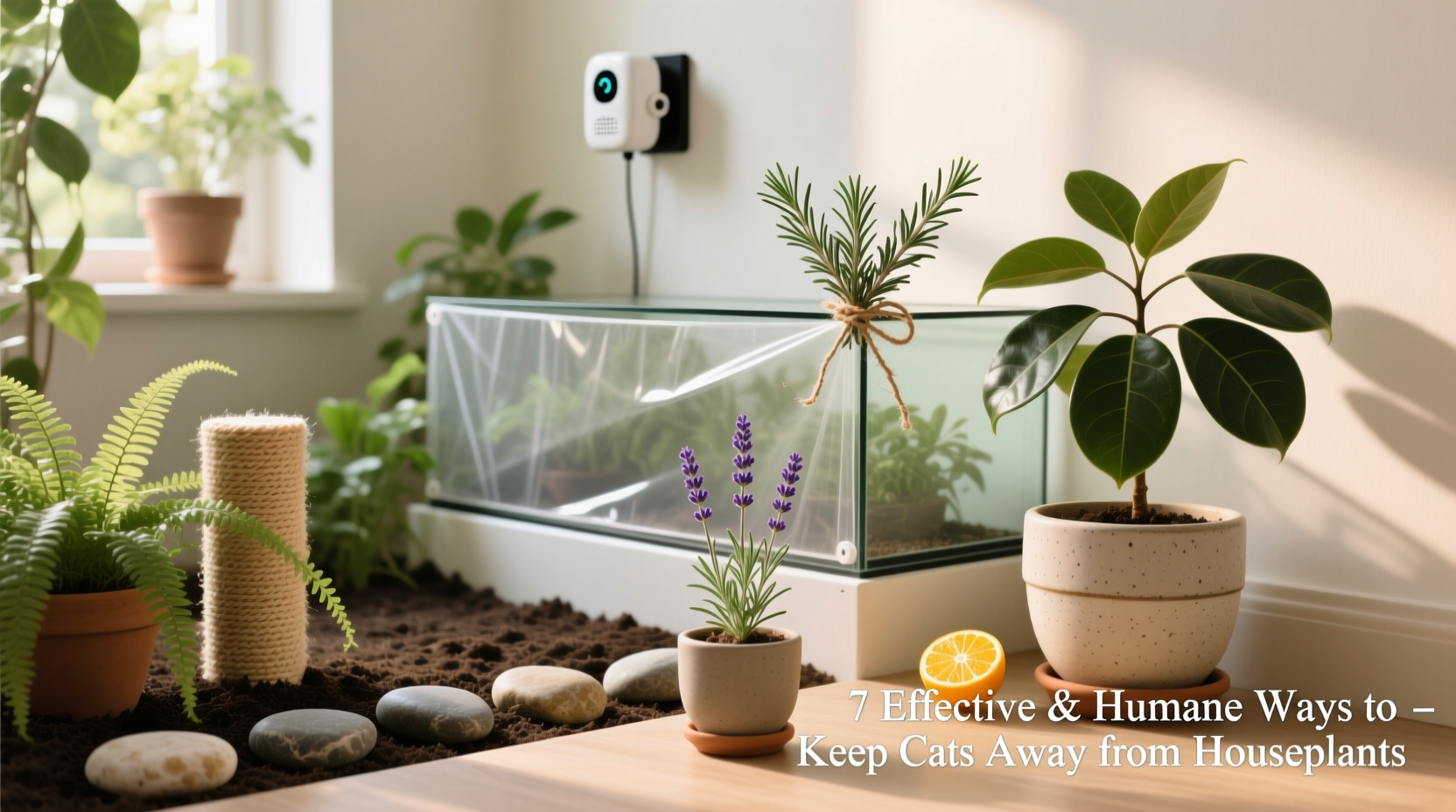
Cats rely heavily on their sense of smell, and certain scents are naturally unpleasant to them. You can use these odors to create invisible barriers around your plants without resorting to harmful chemicals.
Common safe deterrents include:
- Citrus peels (lemon, orange, grapefruit) – place them on the soil surface.
- Mint or rosemary – grow these herbs nearby; cats typically avoid them.
- Vinegar solution – lightly spray a 1:1 mix of water and white vinegar around the base (not directly on delicate leaves).
- Lavender oil – diluted and applied to cotton balls placed near pots (never directly on skin or fur).
Avoid essential oils like tea tree, eucalyptus, or peppermint in concentrated form—these can be toxic if ingested or absorbed through the skin.
2. Create Physical Barriers
Blocking access is one of the most reliable ways to prevent plant destruction. The goal is to make the area uncomfortable or difficult to reach, not punitive.
Effective physical deterrents include:
- Pebble or stone top-dressing: A layer of small rocks on the soil discourages digging and adds visual appeal.
- Plant cages or cloches: Use decorative wire mesh or glass domes to shield vulnerable plants.
- Elevated shelves or hanging planters: Place plants out of jumping range, ideally above 5 feet.
- Double-potting: Nest the plant pot inside a larger decorative container with no soil, making it harder to dig.
Some cat owners successfully use aluminum foil or textured plastic mats around plant stands—cats dislike the feel under their paws, though this should be temporary to avoid stress.
3. Offer Cat-Safe Alternatives
Rather than asking cats to resist all greenery, give them their own designated options. This satisfies their instinct to chew while protecting your prized foliage.
Grow a small patch of cat grass (wheatgrass, oat grass, or barley) in a sunny window. These are non-toxic, easy to grow from seed, and often preferred by cats over ornamental plants.
“Providing acceptable outlets for natural behaviors reduces unwanted ones. A cat with access to cat grass is far less likely to target houseplants.” — Dr. Lena Torres, Feline Behavior Specialist
You can also purchase commercially available cat-friendly plants like Chlorophytum comosum (spider plant), which many cats enjoy—but monitor consumption to prevent overeating.
4. Modify Plant Placement Strategically
Location matters. Even the best deterrents fail if a plant is in a high-traffic or curiosity-prone zone.
Consider these placement principles:
- Avoid placing plants near furniture cats use to jump onto surfaces.
- Keep new or fragile plants out of rooms where cats spend most of their time, at least initially.
- Use corners or narrow spaces that limit approach angles.
| Placement Strategy | Effectiveness | Best For |
|---|---|---|
| Hanging planters | High | Trailing plants like pothos or string of pearls |
| Wall-mounted shelves | Medium-High | Lightweight succulents or air plants |
| Room rotation | Medium | New or sensitive plants needing acclimation |
| Bathroom or office | High | Rooms cats rarely enter |
5. Use Motion-Activated Devices
For persistent offenders, consider humane motion-activated tools. These devices respond only when the cat approaches, minimizing stress while teaching avoidance.
Popular options include:
- Air-spray alarms: Emit a brief puff of air when movement is detected—startling but harmless.
- Ultrasonic repellents: Emit high-frequency sounds only audible to animals.
- Smart sensors: Connect to apps and log activity patterns to help identify peak interaction times.
Place these near high-risk plants for a few weeks. Most cats learn to avoid the area after consistent exposure. Remove the device once the behavior stops to prevent habituation.
Mini Case Study: Reviving a Damaged Fiddle Leaf Fig
Sarah, a plant enthusiast from Portland, struggled with her tabby cat, Milo, who regularly knocked over her fiddle leaf fig and chewed its lower leaves. She tried sprays and scolding, but nothing worked long-term.
She implemented a multi-pronged approach:
- Placed citrus peels on the soil surface.
- Nested the pot inside a larger ceramic vase to raise its height.
- Set up a cat grass tray on an adjacent windowsill.
- Used a motion-activated air sprayer for two weeks.
Within 10 days, Milo stopped approaching the plant. After three weeks, the air sprayer was removed, and the fiddle leaf fig began producing new growth. Sarah now rotates her plants monthly and keeps cat grass available year-round.
Checklist: Cat-Safe Plant Protection Plan
Follow this step-by-step checklist to safeguard your indoor garden humanely:
- ✅ Identify which plants are being targeted and why (digging, chewing, climbing).
- ✅ Remove any toxic plants (e.g., lilies, philodendrons, dieffenbachia) from accessible areas.
- ✅ Introduce cat grass or a safe alternative greenery.
- ✅ Apply natural scent deterrents around affected pots.
- ✅ Install physical barriers like stones, cages, or elevated stands.
- ✅ Relocate vulnerable plants to cat-free zones or hanging displays.
- ✅ Monitor behavior and adjust strategy if needed—consistency is key.
Frequently Asked Questions
Are citrus peels safe for cats?
Yes, in moderation. While the smell deters cats, the peels themselves aren’t toxic. However, ensure your cat isn’t ingesting large pieces, and remove dried peels promptly to avoid mold.
What houseplants are safe for cats?
Several non-toxic options include spider plants, Boston ferns, parlor palms, African violets, and prayer plants. Always verify toxicity through trusted sources like the ASPCA database before introducing new plants.
Can I train my cat to leave plants alone?
Yes, through positive reinforcement and environmental management. Reward your cat for ignoring plants or interacting with alternatives. Avoid punishment, which can increase anxiety and worsen the behavior.
Final Thoughts: Coexistence Is Possible
Living harmoniously with cats and houseplants doesn’t require compromise—it requires understanding. Cats aren’t misbehaving out of malice; they’re responding to natural drives. By redirecting those instincts with patience and humane tools, you create a home that nurtures both your greenery and your pet.
Start with one or two strategies that fit your space and lifestyle. Monitor results, stay consistent, and remember that change takes time. With the right approach, your plants will thrive—and your cat will remain curious, content, and completely unharmed.
🚀 Ready to reclaim your green sanctuary? Try one of these methods today and share your success story in the comments—your experience could help another cat-loving plant parent!








