Fridge stickers are more than just decorative elements—they’re personal statements, functional labels, or even branding tools in commercial kitchens. But with evolving printing and manufacturing technologies, consumers now face a choice: go classic with flat vinyl decals or invest in 3D options that promise depth, realism, and durability. While 3D fridge stickers stand out visually, is the added dimension worth the premium price? This article breaks down the differences, benefits, and real-world performance of both types to help you decide whether the third dimension delivers on its promises.
Understanding the Basics: What Makes a Sticker “3D”?
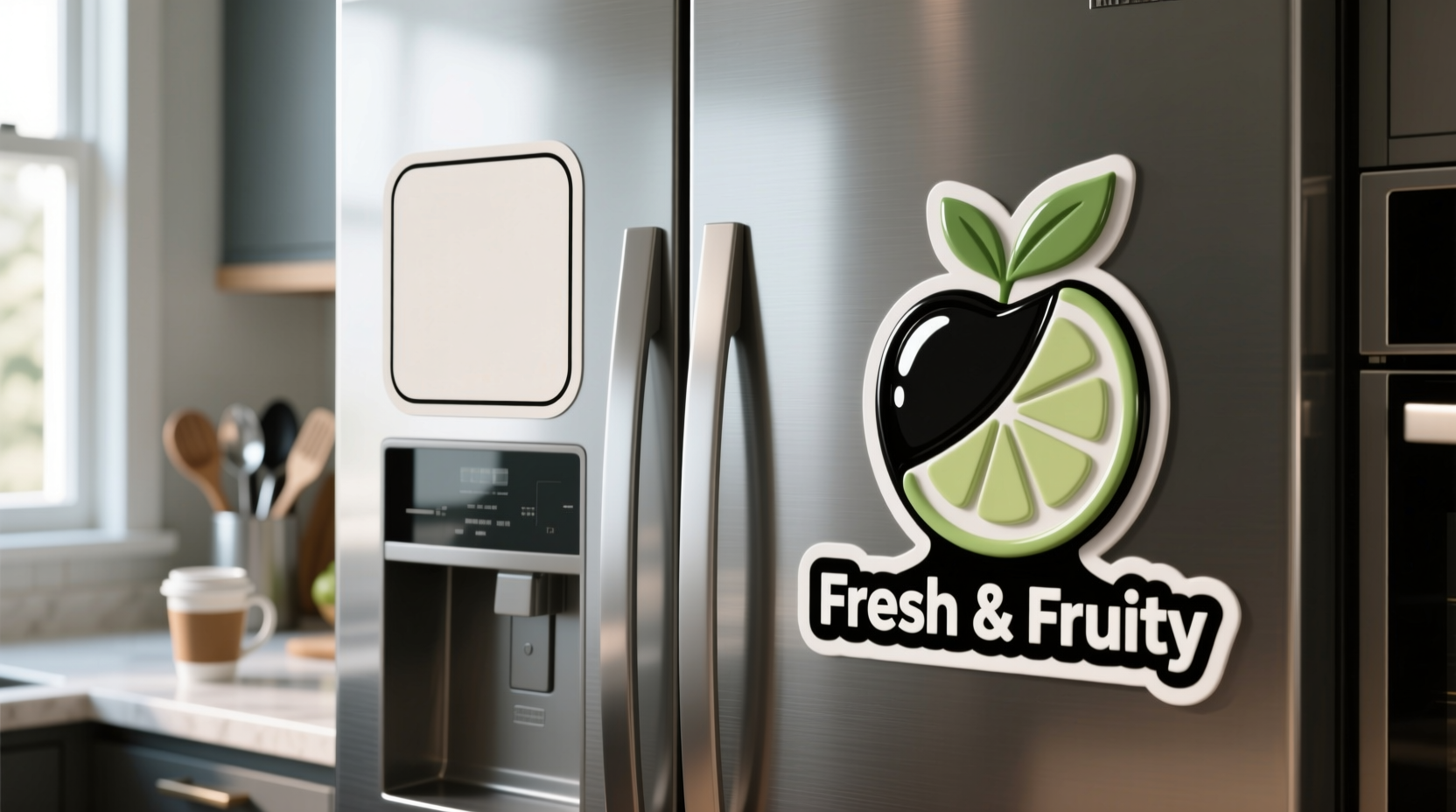
Flat fridge stickers are typically made from printed vinyl or polyester films. They adhere smoothly to surfaces and offer crisp graphics but remain flush with the appliance. In contrast, 3D fridge stickers use layered materials, embossing, or gel-like resins to create physical depth. Some mimic textures like rubber, leather, or raised paint strokes, while others use optical illusions through multi-layered printing to simulate volume.
The most common 3D variants include:
- Gel doming: A clear, UV-cured resin applied over printed designs to create a rounded, glass-like bump.
- Embossed vinyl: Material pressed into molds to form raised patterns or lettering.
- Layered laminates: Multiple sheets bonded together to give actual height.
These techniques don’t just change how a sticker looks—they affect how it feels, lasts, and performs under daily kitchen conditions.
Tip: If tactile appeal matters—such as for children’s labels or brand logos—3D stickers offer a sensory advantage flat versions can't match.Performance Comparison: Durability, Cleanability, and Longevity
Kitchens are high-moisture, high-touch environments. Refrigerator doors are wiped down weekly, exposed to grease, condensation, and temperature shifts. How each sticker type holds up is critical.
| Feature | Flat Fridge Stickers | 3D Fridge Stickers |
|---|---|---|
| Durability | Good; resistant to light wear but prone to peeling at edges over time | Excellent; gel-coated versions resist scratches and edge lifting |
| Cleanability | Easy to wipe; no crevices for grime | Generally easy, but textured areas may trap moisture if not sealed properly |
| Lifespan | 1–3 years depending on material and exposure | 3–7+ years, especially gel-domed or industrial-grade 3D stickers |
| Resistance to Moisture | High with quality adhesive, but layer separation possible in humid climates | Superior; many 3D coatings act as moisture barriers |
| Cost (per unit) | $0.50 – $2.00 | $2.00 – $8.00+ |
The data shows that 3D stickers generally outperform flat ones in longevity and resilience, particularly when exposed to frequent cleaning or high humidity. However, this comes at a significantly higher cost per unit.
Design and Aesthetic Impact: Does Depth Enhance Visual Appeal?
Aesthetics are subjective, but studies in visual perception suggest that dimensional elements capture attention faster and are remembered longer. According to Dr. Lena Pruitt, a cognitive designer at the Institute of Environmental Psychology:
“Objects with perceived depth trigger stronger neural engagement. In home decor, 3D elements create focal points and convey craftsmanship—even at small scale.” — Dr. Lena Pruitt, Cognitive Design Researcher
This explains why 3D fridge stickers often feel more ‘premium’ or intentional. For example, a 3D coffee cup graphic with a domed surface mimics a real ceramic mug, creating a playful illusion. Flat stickers, while capable of vibrant colors and fine detail, lack this immersive quality.
That said, minimalists may find 3D designs excessive. Flat stickers integrate seamlessly into modern, clean-lined kitchens where subtlety is valued. They also allow for larger coverage without appearing cluttered—a benefit when labeling multiple compartments or organizing systems.
Real-World Example: The Café Label Upgrade
A small specialty coffee shop in Portland used flat vinyl labels for their refrigerator organization system. Staff frequently misread similar-looking items due to smudged ink and edge wear. After switching to 3D gel-domed labels with raised lettering and color-coded textures, error rates dropped by 60% within one month. Employees reported the new labels were easier to identify quickly, especially during rush hours.
This case illustrates that in functional settings, the extra dimension isn’t just aesthetic—it improves usability.
When 3D Makes Sense (And When It Doesn’t)
Choosing between 3D and flat isn’t about which is objectively better, but which aligns with your needs. Consider these scenarios:
Situations Favoring 3D Stickers:
- You want a long-term decorative piece (e.g., family nameplate or heirloom kitchen theme).
- The sticker will be touched often (e.g., pull-tab designs or interactive kids’ labels).
- Brand visibility matters (for commercial kitchens or catering businesses).
- You prioritize weather resistance in humid or outdoor kitchen environments.
Situations Where Flat Stickers Are Ideal:
- Budget constraints limit spending on multiple units.
- You plan to rotate designs seasonally or frequently update labels.
- The application area is large and requires seamless tiling (e.g., full-door murals).
- You prefer a sleek, modern look without visual protrusions.
Step-by-Step: How to Choose the Right Type for Your Needs
Follow this decision-making process to ensure you select the best sticker type:
- Define the purpose: Is it decorative, informational, educational (for kids), or branding?
- Assess usage frequency: Will it be touched, wiped, or exposed to steam daily?
- Evaluate environmental factors: Humidity, sunlight exposure, and temperature fluctuations matter.
- Set a budget: Calculate how many units you need and multiply by average cost.
- Test samples: Order one flat and one 3D version to compare adhesion, texture, and appearance in your space.
- Decide on permanence: If you want temporary flexibility, flat stickers are easier to remove and replace.
Frequently Asked Questions
Can 3D fridge stickers damage my appliance surface?
No, provided they use appropriate adhesives. Most high-quality 3D stickers use removable or semi-permanent acrylic adhesives that won’t corrode stainless steel or painted finishes. Always check manufacturer guidelines before applying.
Are flat stickers easier to remove without residue?
Generally yes. Because they have less mass and lower adhesive strength, flat vinyl stickers are simpler to peel off. However, residue depends more on adhesive type than dimensionality. Both types can leave residue if low-quality glue is used.
Do 3D stickers work on curved fridge doors?
Some do, but not all. Flexible 3D stickers made with soft silicone or thin embossed vinyl can conform to slight curves. Rigid gel-domed versions may crack or lift on non-flat surfaces. Always verify compatibility with curved applications before purchase.
Final Verdict: Is the Extra Dimension Worth It?
The answer depends on what you value most. If you're decorating a child's learning fridge with alphabet labels, the tactile feedback of 3D letters enhances engagement. If you run a café and need durable, legible product tags, 3D stickers reduce errors and last longer. But if you're redecorating seasonally or covering large areas on a tight budget, flat stickers deliver excellent results without the markup.
In essence, 3D fridge stickers aren’t inherently superior—but they excel in specific contexts where durability, visual prominence, and interaction matter. The extra dimension does make a difference, but only when aligned with practical needs.
🚀 Ready to upgrade your kitchen organization or personalize your fridge? Start by testing one 3D sticker in a high-visibility spot and compare it side-by-side with a flat version. See the difference for yourself—and share your experience with others looking to make the same choice.








