The release of Conclave, a political thriller centered on the secretive process of electing a new pope, has sparked intense discussion within Catholic communities and beyond. Based on Robert Harris’s bestselling novel, the film dramatizes the inner workings of the Vatican during a papal conclave—a moment steeped in tradition, prayer, and profound spiritual significance for millions of Catholics worldwide. While praised for its suspenseful storytelling and cinematic craftsmanship, Conclave has also drawn criticism from religious leaders, theologians, and lay faithful who question its depiction of Church governance, clerical integrity, and doctrinal fidelity. The controversy stems not just from artistic license, but from deeper anxieties about how sacred institutions are portrayed in popular culture.
Depiction of the Papal Conclave: Drama vs. Reality
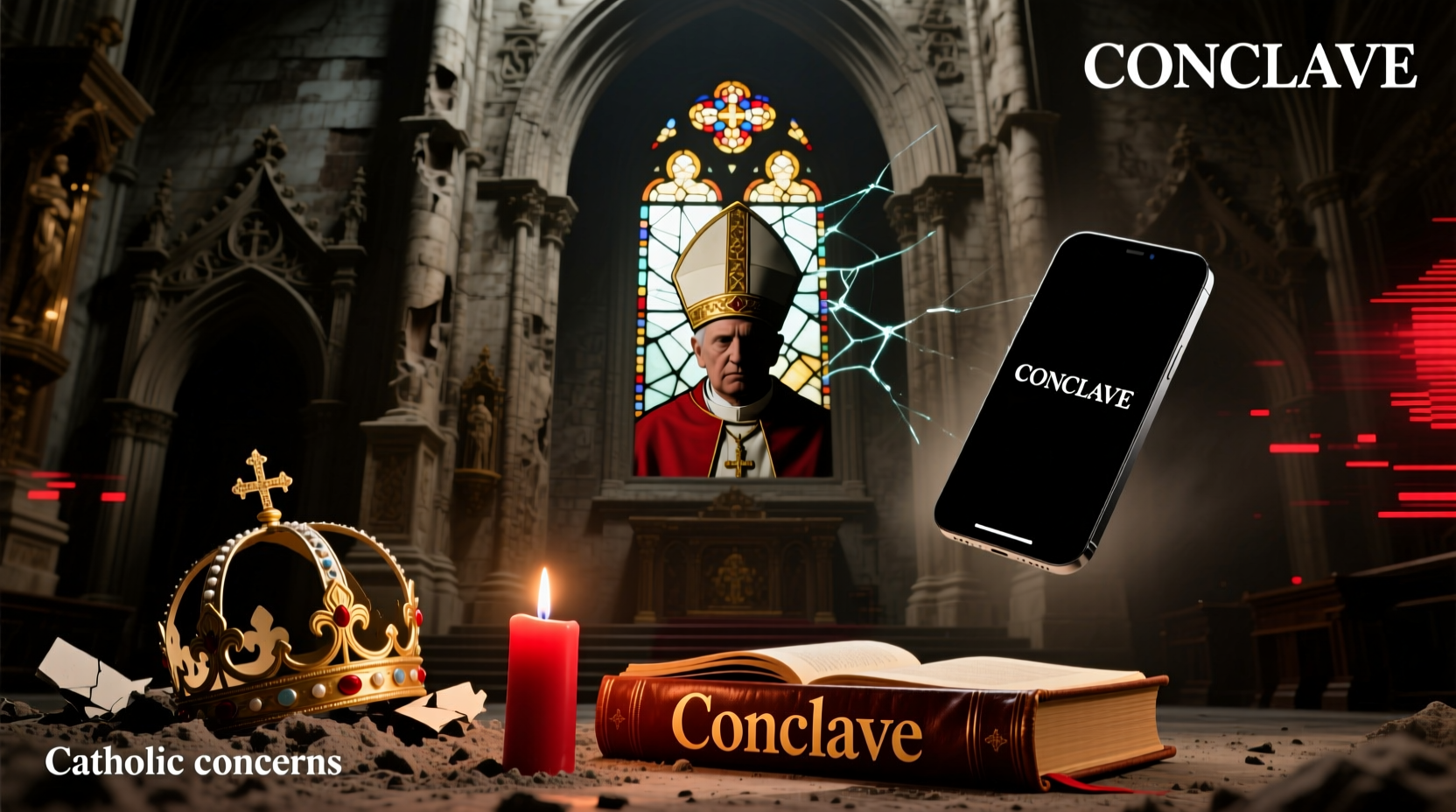
The papal conclave is one of the most solemn and private events in the Catholic Church. Following the death or resignation of a pope, cardinals under the age of 80 gather in strict seclusion within the Sistine Chapel to pray, deliberate, and ultimately elect a successor to Saint Peter. The process is governed by centuries-old rituals, canon law, and a vow of confidentiality. Conclave transforms this sacred event into a high-stakes political thriller, complete with espionage, hidden agendas, and moral compromise.
Critics argue that the film exaggerates intrigue to the point of distorting reality. In real life, conclaves are marked more by prayer and discernment than by backroom deals or scandalous revelations. While historical conclaves have occasionally been influenced by external powers—such as monarchies in past centuries—the modern process, especially since reforms after the 2013 election of Pope Francis, emphasizes spiritual discernment over political maneuvering.
“The conclave is first and foremost a work of the Holy Spirit, not a political convention. Reducing it to a game of power undermines its theological meaning.” — Father Thomas McDermott, OP, theologian and author of *Paul, the Spirit, and the People of God*
Portrayal of Clergy: Stereotypes and Sensationalism
One of the central criticisms leveled at Conclave is its portrayal of cardinals and clergy as morally compromised figures engaged in manipulation, deception, and even cover-ups. Several characters are depicted as advancing candidates based on ideology rather than holiness, while others are shown suppressing damaging information for institutional protection.
While no institution is immune to human weakness, many Catholics feel such portrayals reinforce negative stereotypes already prevalent in media: that the Church is corrupt, secretive, and more concerned with image than truth. This perception, they argue, can deepen distrust among believers and fuel secular narratives that overlook the Church’s charitable works, spiritual depth, and ongoing reform efforts.
Tip: When engaging with films like Conclave, distinguish between narrative drama and theological reality. Ask: Is this character meant to represent the Church, or a flawed individual within it?Theological Concerns: Undermining Faith in Divine Guidance
A core tenet of Catholic belief is that the Holy Spirit guides the Church, particularly in moments of leadership transition. The Catechism states that the pope “has full, supreme, and universal power in the Church,” a mandate believed to be divinely instituted. Many viewers find Conclave troubling because it frames the election process as almost entirely human-driven, where divine inspiration is either absent or irrelevant.
In the film, decisions appear swayed by personal ambition, geopolitical strategy, and ideological alignment—elements that, while present to some degree in any human institution, are not meant to dominate a process understood by Catholics as prayerful and Spirit-led. By minimizing the role of faith and emphasizing conspiracy, the movie risks presenting the papacy as a political office rather than a spiritual vocation.
Key Theological Issues Raised by the Film
- Diminished role of prayer and discernment in decision-making
- Implication that orthodoxy is a liability rather than a virtue
- Portrayal of cardinals as ideologically divided factions, not shepherds of the flock
- Suggestion that scandals are systemic rather than isolated failures
Real Example: The 2013 Conclave and Public Perception
The real-life conclave that elected Pope Francis in 2013 offers a useful contrast. While there were certainly discussions about the direction of the Church—especially regarding transparency, financial reform, and pastoral outreach—the atmosphere was widely described as prayerful and hopeful. Cardinals spoke afterward of feeling guided by the Holy Spirit, and Pope Francis himself emphasized humility, mercy, and evangelization.
In contrast, Conclave imagines a scenario where a candidate is nearly elected based on a concealed past, only to be exposed through investigative tactics more suited to a crime drama than a sacred rite. This fictional twist, while narratively compelling, raises concerns about conflating legitimate accountability with sensationalism. Real reform in the Church comes through dialogue, synodality, and grace—not cinematic exposés.
Do’s and Don’ts: How Catholics Can Engage with the Film Responsibly
| Do | Don’t |
|---|---|
| Watch the film critically, recognizing it as fiction inspired by real structures | Treat the film as an accurate documentary of Church operations |
| Use it as a conversation starter about Church reform and transparency | Assume all cardinals or clergy act as portrayed in the film |
| Reflect on how media shapes perceptions of faith institutions | Allow the film to deepen cynicism or disaffection from the Church |
| Discuss it in parish groups or theology classes with balanced perspectives | Spread unverified claims or rumors based on fictional plot points |
Expert Insight: Balancing Artistic Freedom and Religious Sensitivity
Artistic expression has long explored religious themes, sometimes critically. From *The Da Vinci Code* to *Silence*, filmmakers and authors have probed the tensions between faith, power, and human fallibility. The question is not whether such stories should exist, but how they are received and interpreted.
“Dramatization isn’t inherently harmful, but when it consistently portrays the Church as a den of corruption, it contributes to a cultural bias that makes evangelization harder.” — Dr. Jennifer Donnelly, Professor of Theology and Culture at Notre Dame
Many Catholic scholars acknowledge that self-critique is healthy and necessary, especially in light of past abuses and failures. However, they caution against narratives that offer no counterbalance—no depiction of holy priests, faithful bishops, or laypeople sustained by sacramental life. Conclave, in focusing narrowly on institutional dysfunction, misses opportunities to show the Church as a living body of believers striving for holiness.
Frequently Asked Questions
Is the movie Conclave banned by the Catholic Church?
No, the Catholic Church has not issued an official ban or condemnation of the film. Individual bishops and theologians have expressed concerns, but there is no formal ecclesiastical censure. The Church generally avoids banning artistic works, instead encouraging critical engagement.
Does the film get any facts about the conclave right?
Yes—many procedural details are accurate. The use of the Sistine Chapel, the voting process, the burning of ballots, and the phrase “Habemus Papam” are correctly portrayed. However, the level of internal conflict and secrecy depicted goes beyond documented practices in recent conclaves.
Should Catholics avoid watching Conclave?
Not necessarily. Many Catholics may choose to watch it as a work of fiction, much like reading a political novel. The key is to view it with discernment, understanding that drama often amplifies tension for entertainment value, not educational accuracy.
How to Respond: A Checklist for Faithful Viewers
- Educate yourself on how papal elections actually work using official Vatican sources.
- Separate fiction from fact—recognize the film as a thriller, not a documentary.
- Engage in dialogue with others about the portrayal of the Church in media.
- Highlight positive examples of Church leadership and reform in conversations.
- Pray for Church leaders, especially cardinals involved in future conclaves.
- Support Catholic media that presents balanced, truthful narratives about faith.
Conclusion: Navigating Faith, Film, and Cultural Narratives
Conclave is not merely a movie—it’s a cultural moment that reflects broader tensions between institutional religion and public skepticism. Its controversy underscores the need for Catholics to be theologically literate, media-savvy, and spiritually grounded. Rather than reacting with defensiveness or dismissal, believers can use such films as opportunities to reaffirm what the Church truly stands for: communion, conversion, and the enduring presence of Christ in the world.
💬 What did you think of Conclave? Did it deepen your understanding—or challenge your faith? Share your thoughts with others and help foster thoughtful, respectful dialogue about faith and film.