
Easter is one of the most significant holidays in the Christian calendar, marking the resurrection of Jesus Christ. While the day is deeply spiritual for many, it's also rich with customs—some religious, others rooted in seasonal practicality or regional culture. One such custom stands out at dinner tables across the United States: the centerpiece of glazed, succulent ham. But why ham? Why not lamb, turkey, or beef? The answer lies in a blend of history, agriculture, religion, and evolving culinary preferences that have cemented ham as an Easter staple over centuries.
The Historical Roots of Ham at Easter
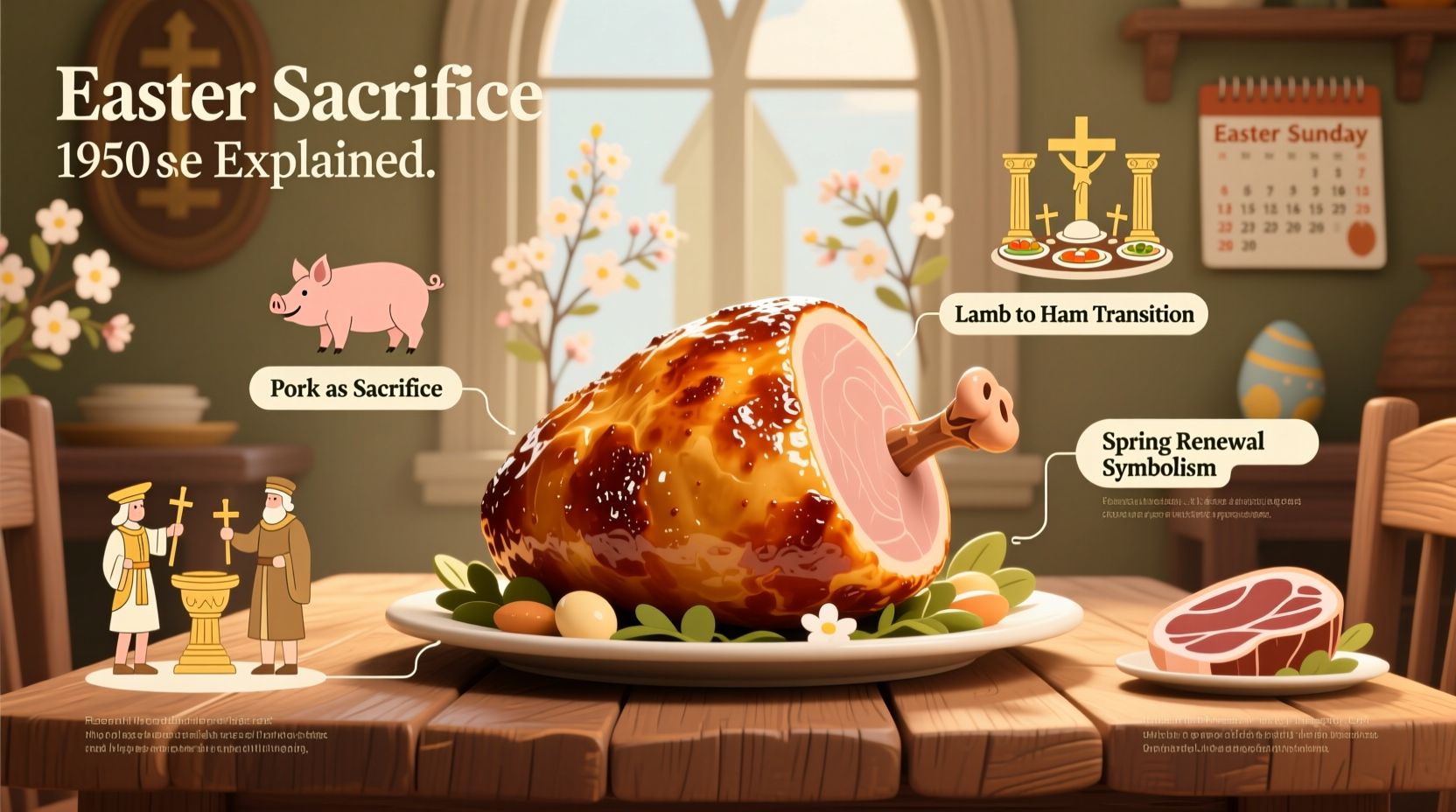
The tradition of eating ham at Easter predates Christianity in some ways, emerging from pre-Christian European spring festivals. In ancient Germanic and Anglo-Saxon cultures, spring was a time of celebration after long winters. Pigs were commonly slaughtered in the fall, cured through winter, and ready to eat by early spring—coinciding with the timing of Easter.
Because refrigeration didn’t exist, preserving meat was essential. Smoking, salting, and brining allowed pork to last months, making it one of the few meats available in abundance come spring. When Christianity spread across Europe, many pagan traditions were adapted into Christian celebrations. The spring pork feast gradually merged with Easter observances, especially in Germany and England.
By the 16th century, roasted pork or ham had become common in English Easter meals. As British settlers arrived in North America, they brought this culinary habit with them. Over time, ham evolved from a practical choice into a symbolic centerpiece.
Tip: If you're exploring heritage recipes, consider using a dry-cured country ham or a smoked city ham—both reflect different branches of the tradition.Religious Symbolism and Practical Avoidance of Lamb
At first glance, lamb might seem like the more fitting Easter meat, given its strong biblical symbolism. In both Judaism and Christianity, lambs represent sacrifice and innocence. The Passover Seder features a lamb shank bone, and Jesus is often referred to as the “Lamb of God.” So why isn't lamb the default Easter dish in American homes?
The answer involves both practical farming cycles and theological adaptation. In temperate climates like those of northern Europe and much of the U.S., lambs are typically born in late winter and early spring. They aren't mature enough for slaughter until summer or fall. Therefore, young lamb wasn’t readily available during Easter, which falls between late March and late April.
Ham, on the other hand, was already preserved and flavorful after months of curing. It offered a rich, celebratory meal when fresh meats were scarce. Over time, Christian communities began to view ham not as a contradiction to symbolism but as a complement—a way to celebrate abundance after Lenten sacrifice.
“Food traditions often emerge where faith meets function. Ham at Easter isn’t about replacing the lamb; it’s about honoring renewal with what the land and season provide.” — Dr. Margaret Lin, Cultural Historian, University of Virginia
Cultural Evolution in America
The popularity of ham in the U.S. surged in the 19th and 20th centuries due to several factors:
- Pork farming dominance: The Midwest became a major pork-producing region, making ham affordable and widely available.
- Industrial curing techniques: Companies like Hormel and Smithfield perfected mass production of smoked and spiral-sliced hams, making preparation easier for home cooks.
- Marketing influence: In the early 20th century, grocery stores and food brands promoted ham as the ideal holiday centerpiece, especially during Easter.
A pivotal moment came in the 1950s when spiral-sliced hams hit the market. These pre-carved, easy-to-serve hams appealed to postwar families seeking convenience without sacrificing tradition. Advertisements linked ham with family gatherings, festive décor, and religious celebration—embedding it deeper into American Easter identity.
Regional Variations Across the U.S.
While ham dominates nationally, regional differences persist:
| Region | Traditional Easter Meat | Notes |
|---|---|---|
| South | Smoked ham with red eye gravy | Often served with biscuits and collard greens |
| New England | Lamb or baked ham | More likely to include leg of lamb than other regions |
| Midwest | Spiral-sliced ham | Favored for ease and family-style meals |
| Urban areas (diverse populations) | Mixed—ham, lamb, brisket, or vegetarian dishes | Influenced by Jewish, Mediterranean, and global cuisines |
Modern Interpretations and Alternatives
Today, while ham remains popular, many households are reimagining the Easter meal. Health-conscious families may opt for leaner proteins or plant-based roasts. Others return to symbolic roots with leg of lamb, especially in Catholic or liturgically observant homes.
Still, ham endures because of its versatility. It can be sweet (with brown sugar and pineapple), savory (mustard and herb-crusted), or spicy (cayenne and black pepper glaze). Its ability to feed large groups makes it ideal for extended family gatherings.
Step-by-Step: How to Choose and Prepare a Traditional Easter Ham
- Select the type: Decide between a “city ham” (wet-cured, fully cooked) or a “country ham” (dry-cured, saltier, often needs soaking).
- Determine size: Plan for about ½ pound per person if bone-in, ⅓ pound if boneless.
- Thaw safely: If frozen, allow 24–48 hours in the refrigerator.
- Score the surface: Use a sharp knife to cut diagonal lines in a diamond pattern through the fat layer.
- Apply glaze: Brush on 30–60 minutes before the end of cooking to prevent burning. Classic glazes include brown sugar, honey, Dijon mustard, cloves, and orange zest.
- Bake: For a fully cooked ham, heat at 325°F until internal temperature reaches 140°F—usually 10–15 minutes per pound.
- Rest before slicing: Let stand 15–20 minutes to retain juices.
Mini Case Study: The Peterson Family Easter Dinner
The Petersons of Nashville, Tennessee, have hosted an Easter brunch for their extended family for over 30 years. Every year, the menu centers around a honey-glazed spiral ham purchased from a local smokehouse. “It started with my grandmother,” says Sarah Peterson, who now leads the preparations. “She said ham meant we’d made it through winter, and now we could celebrate with something rich and special.”
Over the years, the tradition has expanded to include deviled eggs, macaroni and cheese, and banana pudding—all Southern staples. While two family members are now pescatarian and eat grilled salmon instead, the ham remains the symbolic heart of the table. “It’s not just about taste,” Sarah notes. “It’s about continuity. When we sit down, we’re connected to everyone who’s ever eaten here.”
Frequently Asked Questions
Is Easter ham always precooked?
Most hams sold in supermarkets in the U.S. are fully cooked and labeled as such. These only need to be reheated. However, “fresh” hams (rare) and some country hams require full cooking. Always check the label.
Can I make Easter ham ahead of time?
Yes. Fully cooked hams can be reheated and glazed one day in advance. Store cooled slices in an airtight container in the fridge and gently rewarm in the oven or microwave. Glaze just before serving for best appearance.
Why do so many Easter hams have pineapple on them?
The pineapple trend emerged in the mid-20th century, influenced by tiki culture and canned food marketing. Pineapple adds sweetness that balances saltiness, and its vibrant color enhances visual appeal. While not traditional in the historical sense, it’s now a nostalgic favorite for many.
Conclusion: A Tradition Worth Understanding
The presence of ham on Easter tables is more than a menu choice—it’s a story of adaptation, resilience, and celebration. From ancient spring feasts to modern supermarket aisles, ham has endured because it bridges practicality and festivity. Whether you serve a classic smoked ham, return to lamb for symbolic reasons, or try a new plant-based alternative, understanding the roots of this tradition enriches the experience.
💬 What does your family serve for Easter dinner? Share your story or recipe in the comments—let’s celebrate the diversity of tradition together!