In today’s competitive marketplace, where products and prices often blur across brands, one factor consistently sets successful companies apart: exceptional customer service. It's no longer just a support function—it’s a strategic asset that shapes brand perception, drives loyalty, and fuels long-term growth. Businesses that prioritize customer service don’t just resolve issues; they build relationships, earn trust, and create advocates. The importance of customer service extends far beyond answering calls or replying to emails—it directly impacts revenue, reputation, and retention.
The Role of Customer Service in Brand Differentiation
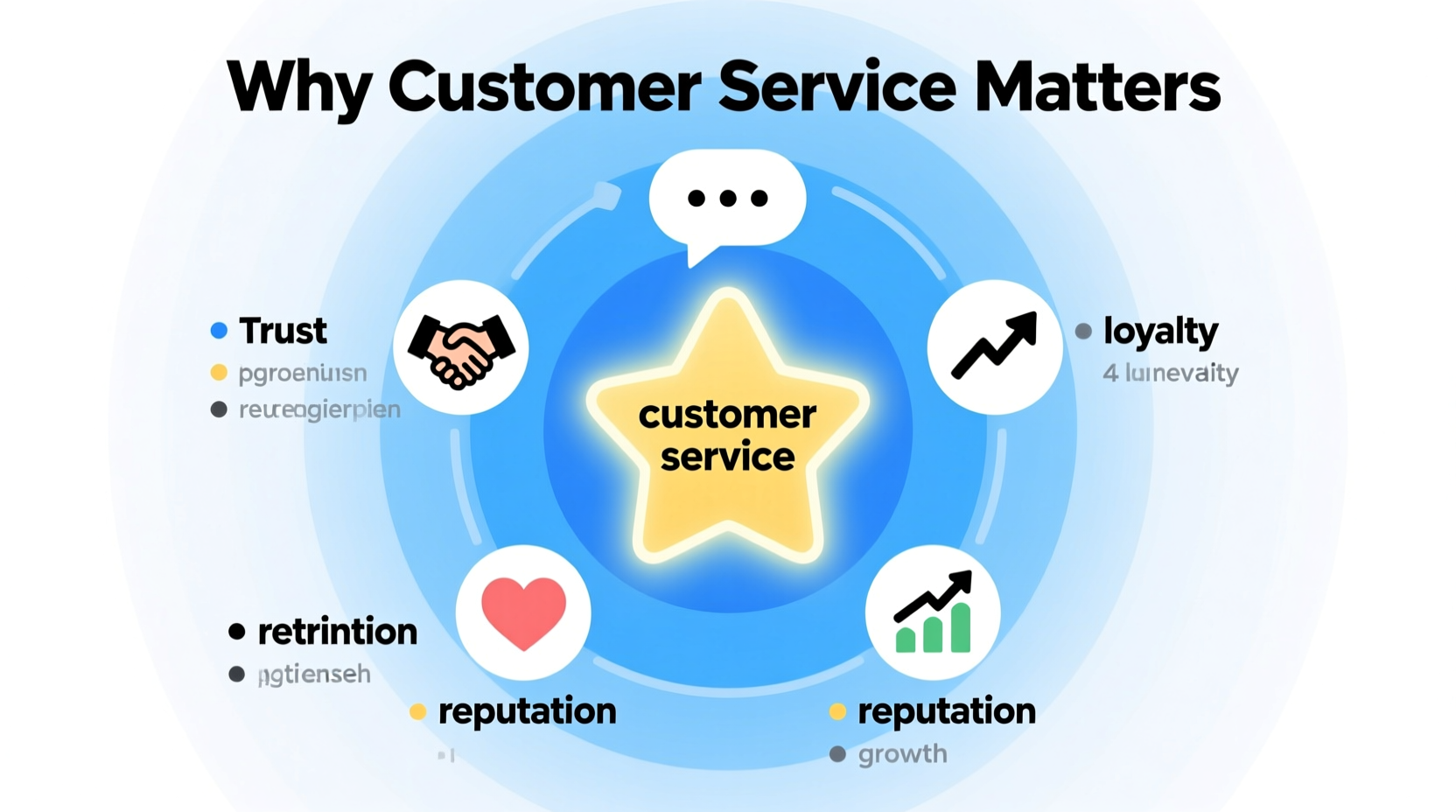
When consumers face dozens of similar options, the quality of service becomes a deciding factor. A product may be excellent, but if the buying experience is frustrating or post-purchase support is lacking, customers will look elsewhere. On the other hand, even modest products can gain strong followings when backed by responsive, empathetic service.
Consider two competing e-commerce stores offering identical wireless earbuds. One has a 24-hour response time, rigid return policies, and scripted replies. The other offers live chat with real agents, free returns within 60 days, and proactive updates during shipping delays. Which brand do you think earns repeat business? The difference isn't in the product—it's in the experience.
Tip: Empower frontline staff to make small decisions—like issuing refunds or sending replacements—without escalation. This speeds up resolution and increases customer satisfaction.Top 5 Benefits of Exceptional Customer Service
- Increased Customer Retention: Acquiring a new customer can cost five times more than retaining an existing one. Great service reduces churn by making customers feel valued.
- Higher Lifetime Value (LTV): Satisfied customers buy more over time, respond better to upsell attempts, and are less price-sensitive.
- Positive Word-of-Mouth: People are more likely to share good experiences than bad ones—especially when service exceeds expectations.
- Stronger Brand Reputation: Online reviews, social media mentions, and third-party ratings are heavily influenced by service quality.
- Valuable Feedback Loop: Frontline interactions reveal pain points in products, websites, and processes—insights money can’t buy.
Real Example: How Zappos Built a Billion-Dollar Brand on Service
Zappos, the online shoe retailer acquired by Amazon for $1.2 billion, didn’t win through pricing or inventory alone. Their legendary customer service became their marketing. Stories abound: a representative spending 10 hours on a single call, sending flowers to a customer who mentioned a family loss, or upgrading shipping at no cost simply because it was the right thing to do.
One well-known case involved a customer returning worn boots after her mother passed away. Instead of rejecting the return, Zappos accepted it and sent a condolence card. That act of empathy turned a grieving woman into a lifelong advocate. She later shared the story publicly, generating thousands of impressions and reinforcing Zappos’ reputation for humanity-driven service.
“Customer service isn’t a department. It’s the entire company.” — Tony Hsieh, former CEO of Zappos
Key Components of Effective Customer Service
Outstanding service doesn’t happen by accident. It requires structure, training, and cultural alignment. Below are core elements every organization should cultivate:
| Component | Description | Impact |
|---|---|---|
| Empathy | Understanding and acknowledging the customer’s emotions and situation. | Builds trust and de-escalates tension. |
| Responsiveness | Timely replies across channels—phone, email, chat, social media. | Reduces frustration and perceived wait time. |
| First-Contact Resolution | Solving the issue during the first interaction whenever possible. | Lowers operational costs and boosts satisfaction. |
| Consistency | Uniform quality of service regardless of agent or channel. | Strengthens brand reliability. |
| Proactivity | Anticipating needs—like order delays or subscription renewals. | Surprises positively and prevents complaints. |
Building a Customer-Centric Culture: A Step-by-Step Guide
Transforming service quality starts from within. Follow this timeline to embed customer focus into your organization:
- Month 1: Audit Current Service Performance
Review customer feedback, response times, resolution rates, and common complaint themes. - Month 2: Train and Empower Teams
Deliver empathy-based training, role-play difficult scenarios, and authorize agents to solve problems without approval chains. - Month 3: Redesign Key Touchpoints
Map the customer journey and eliminate friction points—such as confusing return forms or long hold times. - Month 4: Implement Feedback Systems
Add post-interaction surveys (e.g., NPS or CSAT) and ensure leadership reviews results weekly. - Month 5+: Recognize and Scale Success
Reward employees who deliver exceptional service and share success stories company-wide.
Common Customer Service Mistakes to Avoid
- Using robotic, scripted responses that ignore context.
- Failing to follow up after a complaint is “resolved.”
- Prioritizing speed over accuracy or empathy.
- Not giving agents access to full customer history.
- Ignoring negative feedback or treating it as criticism rather than insight.
Checklist: Is Your Customer Service Ready for Excellence?
Use this checklist to evaluate your current service model:
- ✅ All customer inquiries are acknowledged within 24 hours (or faster).
- ✅ Agents are trained in emotional intelligence and active listening.
- ✅ There’s a clear escalation path for complex issues.
- ✅ Customer feedback is collected and reviewed monthly.
- ✅ Employees receive recognition for positive customer outcomes.
- ✅ Self-service options (FAQs, chatbots) are accurate and helpful.
- ✅ Leadership regularly listens to customer calls or reads support tickets.
Frequently Asked Questions
Why is customer service important even for low-cost products?
Even inexpensive items create lasting impressions. A smooth return process or a kind reply can turn a one-time buyer into a loyal customer. In fact, lower-priced items often rely more on service to justify repeat purchases, since brand prestige or product uniqueness may be limited.
Can automation replace human customer service?
Automation excels at handling routine tasks—tracking orders, resetting passwords, scheduling appointments. But complex, emotional, or unique situations require human judgment and empathy. The best systems combine AI efficiency with human compassion, using bots for triage and people for resolution.
How do I measure the ROI of better customer service?
Track metrics like Customer Satisfaction Score (CSAT), Net Promoter Score (NPS), retention rate, average order value over time, and reduction in complaint volume. Over six months, compare these against service improvements. For example, a 10% increase in NPS often correlates with a 5–10% rise in revenue from existing customers.
Conclusion: Make Service Your Competitive Advantage
Customer service is not a cost center—it’s a profit driver. Companies that treat every interaction as a relationship-building opportunity outperform competitors in satisfaction, loyalty, and growth. Whether you run a small online store or manage a multinational support team, the principles remain the same: listen deeply, respond quickly, and act with integrity.
The most powerful marketing tool you have isn’t a billboard or influencer campaign—it’s a delighted customer telling their friends. Start refining your service today. Train your team, simplify your processes, and put the customer at the heart of every decision. The rewards will follow.
🚀 Ready to transform your customer service? Audit one key touchpoint this week—your welcome email, return policy, or phone greeting—and make one improvement. Small changes lead to big results.