
Navigating a job interview successfully requires more than just qualifications and experience. It demands preparation, presence of mind, and the ability to communicate value clearly under pressure. One of the most effective yet underrated strategies? Studying top-performing answers from past successful candidates. These aren't scripts to memorize, but blueprints for structuring compelling responses that align with what hiring managers truly want to hear.
Top answers—those praised for clarity, relevance, and impact—offer insight into the hidden expectations behind common interview questions. By analyzing them, you decode not only what to say, but how to say it in a way that resonates emotionally and logically with decision-makers.
The Psychology Behind High-Impact Answers
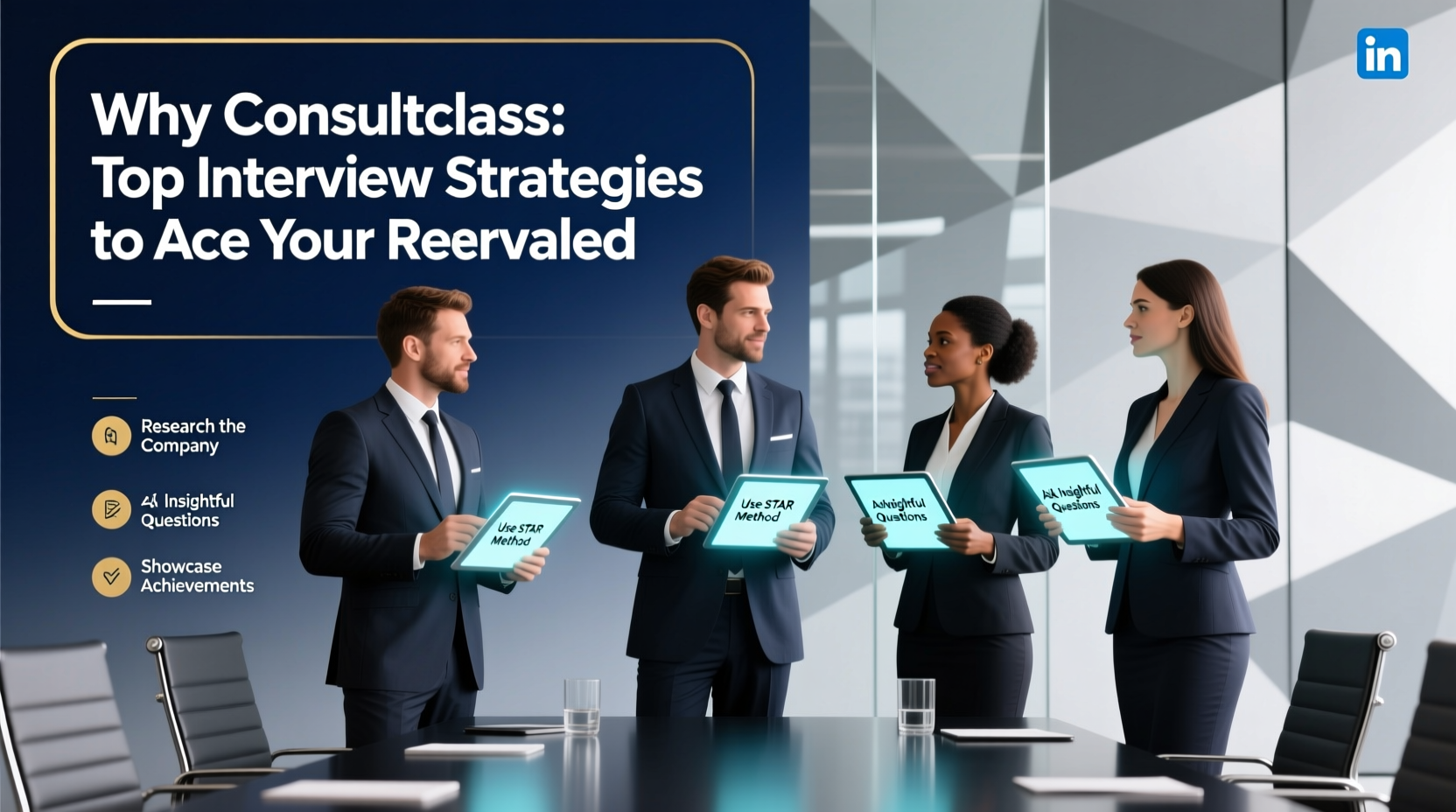
Interviewers evaluate more than just content. They assess coherence, confidence, and cultural fit—all conveyed through how you frame your experiences. Top answers succeed because they follow psychological principles: they begin with a strong hook, provide structured evidence, and end with a forward-looking statement that reinforces suitability.
For example, when asked “Tell me about yourself,” weak responses often become autobiographical summaries. Strong ones start with a professional identity statement, highlight 2–3 career-defining achievements, and tie them directly to the role at hand. This structure mirrors how people naturally process information: context → evidence → conclusion.
“Candidates who structure their answers like stories—with a clear arc—are 67% more likely to be remembered positively.” — Dr. Linda Chen, Organizational Psychologist, Stanford Business School
How Top Answers Reveal Interviewer Expectations
Every interview question has a surface-level intent and a deeper purpose. Consider “What’s your greatest weakness?” On the surface, it seems to test self-awareness. In reality, hiring managers use it to gauge humility, growth mindset, and problem-solving initiative.
Reviewing top answers reveals patterns in how candidates transform potential red flags into strengths. Instead of saying “I work too hard,” which feels cliché and evasive, high performers admit real challenges—like struggling with delegation—and describe specific steps taken to improve. This authenticity, paired with accountability, builds trust.
Tip: Don’t just mimic top answers—reverse-engineer them. Ask: What problem does this answer solve for the interviewer? How does it reduce perceived risk?A Step-by-Step Guide to Leveraging Top Answers Effectively
Using top answers isn’t about copying—it’s about adapting. Follow this five-step process to make them work for your unique background and target role.
- Collect high-quality examples: Use platforms like Glassdoor, Reddit’s r/consulting or r/jobs, and LinkedIn posts where professionals share successful interview experiences.
- Categorize by question type: Group answers into behavioral (e.g., “Tell me about a time…”), situational (“What would you do if…?”), and technical or role-specific queries.
- Analyze structure and keywords: Identify recurring frameworks like STAR (Situation, Task, Action, Result) and note industry-specific terminology used.
- Personalize with your data: Replace the original candidate’s project or metric with one from your own experience while preserving the flow.
- Practice aloud with variation: Deliver the adapted answer multiple times with slight wording changes to avoid sounding rehearsed.
Do’s and Don’ts: Learning from Real Examples
| Scenario | Do | Don’t |
|---|---|---|
| Answering “Why should we hire you?” | Align your skills with company goals using research: “Your focus on customer retention aligns with my track record of reducing churn by 30%.” | Make generic claims: “I’m a hard worker and team player.” |
| Discussing a failure | Show ownership and learning: “I missed a deadline due to poor prioritization. Now I use time-blocking and weekly reviews.” | Blame others or minimize: “The team didn’t support me.” |
| Handling curveball questions | Pause, clarify, then respond: “That’s an interesting question. Do you mean X or Y?” | Guess or panic: Rambling without direction. |
Mini Case Study: From Rejection to Offer in 3 Weeks
Sophia, a marketing specialist, applied to five mid-tier tech firms over six months and received consistent feedback: “Great resume, but didn’t stand out in the interview.” Frustrated, she shifted strategy. She began collecting top-rated interview answers from employees at her dream company via Glassdoor and alumni networks.
She noticed that successful candidates consistently linked their projects to business outcomes—especially revenue impact. Sophia reworked her case study on a social media campaign, shifting focus from “increased engagement by 40%” to “generated $250K in attributable sales through targeted retargeting.”
Three weeks later, she aced an interview at a growth-stage SaaS startup. The hiring manager later wrote: “You were the only candidate who connected creativity to ROI so clearly.” She got the offer.
Checklist: Preparing With Top Answers
- ✅ Research 3–5 top answers per key question (e.g., “Why this company?”)
- ✅ Identify the underlying theme each answer addresses (leadership, resilience, innovation)
- ✅ Extract the storytelling framework used (STAR, CAR, PAR)
- ✅ Replace example details with your own verified achievements
- ✅ Record yourself delivering the answer; refine tone and pacing
- ✅ Test the answer on a mentor or coach for naturalness and impact
- ✅ Prepare variations for different interview formats (video, panel, technical)
FAQ: Common Questions About Using Top Answers
Isn’t using top answers the same as cheating or being inauthentic?
No. Just as athletes study game footage or musicians learn from masters, reviewing strong responses is part of deliberate practice. The goal isn’t imitation, but understanding what works. Your personal experiences and voice remain central—you’re simply improving delivery.
Where can I find reliable top answers?
Look for curated sources: Glassdoor interview sections, LinkedIn posts from verified employees, university career center resources, and industry-specific forums like Blind or Fishbowl. Prioritize answers that include measurable results and specific context.
How do I avoid sounding robotic?
Variety is key. Use one top answer as a template, then create two alternate versions with different phrasing. Practice until the core message feels natural, even when delivered off-script. Focus on conveying conviction, not perfection.
Conclusion: Turn Preparation Into Performance
Consulting top answers isn’t a shortcut—it’s a form of strategic intelligence. The best interviews don’t reward improvisation alone; they favor those who prepare with precision and purpose. By studying what has already worked, you gain access to proven mental models, persuasive structures, and subtle cues that signal competence and confidence.
This approach transforms anxiety into agency. Instead of wondering, “What should I say?” you’ll know how to craft responses that inform, impress, and inspire action. In competitive job markets, that edge isn’t just helpful—it’s essential.
🚀 Ready to master your next interview? Start today: Pick one tough question, find three top answers, and write your own version using their structure and your story. Repeat. Refine. Win.