In an age defined by smartphones that fit in our palms and connect us to the world in milliseconds, it’s paradoxical that a clunky, corded device from the 1950s is experiencing a cultural revival. Vintage rotary phones—once considered obsolete relics of a bygone era—are now showing up on Instagram feeds, boutique hotel desks, and even tech entrepreneurs’ home offices. But this isn’t just about retro aesthetics. The sudden obsession with these analog machines reflects deeper societal shifts: a longing for simplicity, a rebellion against digital overload, and a reevaluation of how we communicate. This article unpacks the cultural, psychological, and functional forces behind the resurgence of the rotary phone.
The Allure of Analog in a Digital World
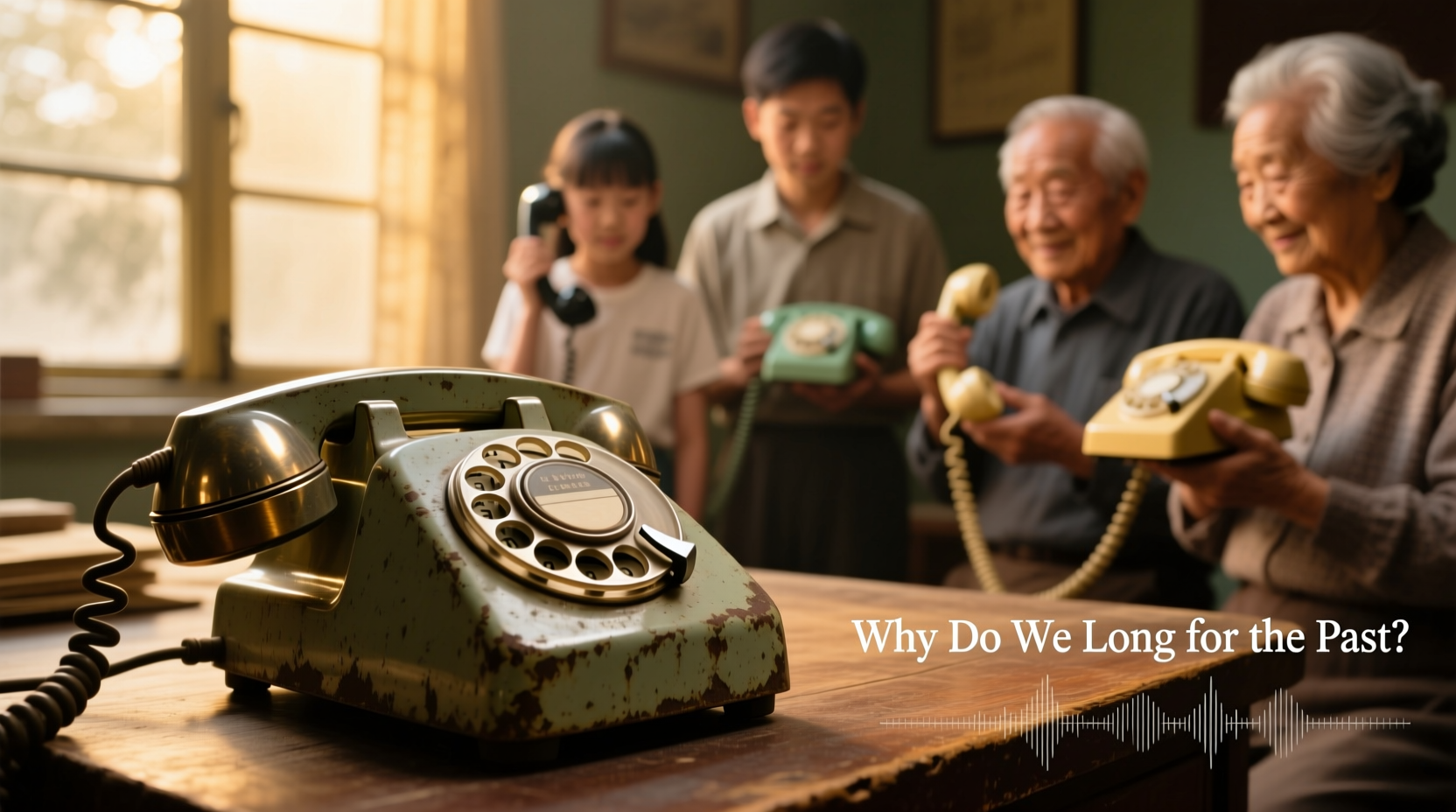
Modern life is saturated with screens, notifications, and endless scrolling. The average person checks their smartphone over 100 times a day, often without conscious intent. In contrast, the rotary phone demands presence. It requires deliberate action—lifting the receiver, dialing slowly, waiting for the mechanical whirr of each number. There’s no multitasking, no distractions. Just conversation.
This analog experience offers what sociologists call “temporal anchoring”—a moment where time feels tangible. Unlike today’s instant messaging and voice notes, a call on a rotary phone unfolds in real-time, unedited and unrecorded. It fosters patience, focus, and intentionality. For many, that slowness is not a flaw but a feature.
“People aren’t just buying rotary phones for decoration—they’re using them as tools for digital mindfulness.” — Dr. Lena Patel, Sociologist at Columbia UniversityTip: Try placing a non-functional rotary phone in your workspace as a visual cue to limit screen time and encourage focused communication.
Nostalgia as Emotional Design
Nostalgia is more than sentimentality—it’s a powerful emotional driver in consumer behavior. Objects like rotary phones evoke memories of family kitchens, childhood homes, and simpler times. For millennials and Gen Z, who grew up during the rapid digitization of communication, these devices represent a curated past they never actually lived but romanticize through media and family stories.
Interior designers have capitalized on this trend, incorporating rotary phones into “cottagecore,” “dark academia,” and mid-century modern aesthetics. They serve as conversation starters, tactile artifacts in spaces dominated by minimalist tech. Even luxury brands like Gucci and Balenciaga have referenced rotary dials in fashion campaigns, reinforcing their symbolic value as emblems of authenticity.
But nostalgia alone doesn’t explain functionality. Why would someone choose to use a rotary phone when a smartphone can do everything faster? The answer lies in what psychologists call “effortful engagement.” Tasks that require more effort often feel more meaningful. Dialing a number by hand makes the act of calling feel significant, not incidental.
Functional Appeal: More Than Just Decoration
While many vintage rotary phones are used decoratively, a growing number are being restored to working condition. Thanks to adapters like the MagicJack or ObiTalk, these phones can connect to Voice over IP (VoIP) services and operate on modern networks. Some enthusiasts even use them as primary landlines for home offices or creative studios.
Here’s how a vintage rotary phone functions in today’s world:
- Dialing Mechanism: Rotary phones use pulse dialing (also known as loop disconnect), where each number interrupts the circuit a specific number of times. Modern VoIP adapters translate these pulses into digital signals.
- Compatibility: Most rotary phones work with VoIP services after calibration. Some may need capacitor replacements or wiring adjustments.
- Sound Quality: The large earpiece and carbon microphone produce a warm, resonant audio quality distinct from digital compression.
- Security & Privacy: Unlike smartphones, rotary phones don’t track location, collect data, or store call logs—making them appealing for privacy-conscious users.
| Feature | Rotary Phone | Smartphone |
|---|---|---|
| User Input | Mechanical dial (manual rotation) | Touchscreen or voice command |
| Data Collection | None | Extensive (location, usage, contacts) |
| Battery Dependency | No (powered by phone line) | Yes (daily charging required) |
| Call Interruptions | None (no notifications) | Frequent (apps, alerts) |
| Lifespan | Decades (with maintenance) | 3–5 years (average replacement cycle) |
The functional limitations—slow dialing, no caller ID, inability to send texts—are precisely what make them appealing. They force users to slow down, prioritize calls, and eliminate digital clutter.
A Mini Case Study: The Brooklyn Artist Who Replaced Her Smartphone with a Rotary Phone
Sophie Tran, a 34-year-old multimedia artist based in Brooklyn, made headlines last year when she announced she’d replaced her iPhone with a restored 1962 Western Electric Model 500. She didn’t abandon digital communication entirely—she still uses email and messaging apps on a tablet—but all voice calls go through her rotary phone.
“I was spending hours editing videos while constantly being pulled away by notifications,” she said in an interview with *Wired*. “After I switched, my attention span improved dramatically. I started having longer, more thoughtful conversations. My creativity came back.”
Tran connected her rotary phone to a VoIP service using an Obi200 adapter. She keeps a notebook beside it to jot down messages and schedules calls in advance. While it’s not practical for emergencies or quick coordination, she says the trade-off is worth it. “It’s not about rejecting technology,” she explained. “It’s about choosing which parts serve me—and which control me.”
How to Bring a Vintage Rotary Phone Into the Modern Home
Interested in joining the analog revival? Here’s a step-by-step guide to getting a vintage rotary phone up and running—or at least looking authentic.
- Source a Phone: Check estate sales, eBay, or antique stores. Look for models from Western Electric, Northern Telecom, or Ericsson. Avoid heavily damaged units unless you’re experienced in restoration.
- Test Functionality: If possible, test the dial mechanism. Rotate the dial and listen for consistent clicking. Stiff or stuck dials may need cleaning or lubrication.
- Choose Connectivity: Decide whether you want it functional or decorative. For working use, purchase a VoIP-to-analog adapter (e.g., Obi200 or Grandstream HT801).
- Set Up VoIP Service: Subscribe to a VoIP provider like Google Voice, Ooma, or Anveo. Configure the adapter with your account details.
- Connect and Calibrate: Plug the rotary phone into the adapter. Some adapters require enabling “pulse dial” mode in settings. Test by calling a known number.
- Style and Integrate: Place the phone in a high-use area—a study, kitchen counter, or entryway. Pair it with a notepad and pen to complete the analog experience.
Checklist: Is a Vintage Rotary Phone Right for You?
- ☐ You value intentional communication over constant connectivity
- ☐ You’re interested in retro design or analog aesthetics
- ☐ You want to reduce digital distractions in your home or workspace
- ☐ You’re comfortable with limited features (no texting, internet, or camera)
- ☐ You’re willing to invest time in setup or restoration
- ☐ You have access to reliable internet for VoIP compatibility
Cultural Shifts Driving the Trend
The rotary phone revival is part of a broader movement toward “digital minimalism” and “slow tech.” Books like Cal Newport’s *Digital Minimalism* and movements like the “Attention Economy” critique have popularized the idea that constant connectivity comes at a cost—diminished focus, increased anxiety, and weakened relationships.
Vintage phones symbolize a return to human-centered communication. Unlike smartphones, which are designed to maximize engagement and screen time, rotary phones have one purpose: to connect two people in conversation. No algorithms, no ads, no infinite scroll.
Additionally, the rise of remote work has blurred the lines between personal and professional life. A dedicated phone line—especially one that looks and feels different—can create psychological boundaries. Hearing the ring of a rotary phone might signal “work mode,” just as turning it off signifies disconnection.
“The rotary phone isn’t making a comeback because it’s efficient. It’s coming back because it’s honest.” — Mark Rinaldi, Tech Ethicist and Author of *The Analog Alternative*
FAQ
Can a rotary phone work without a landline?
Yes, but not directly. You’ll need a VoIP adapter that connects to your internet router. The adapter converts the analog signal from the rotary phone into digital data, allowing it to work over broadband.
Are vintage rotary phones expensive?
Prices vary widely. Basic models in good condition can be found for $30–$70. Rare or mint-condition phones (like the Trimline or Princess models) can sell for several hundred dollars. Restoration costs depend on needed repairs.
Do rotary phones have any security advantages?
Yes. Since they don’t store data, connect to Wi-Fi, or run software, rotary phones are immune to hacking, tracking, and surveillance. They’re sometimes used by journalists or activists seeking secure voice lines—though encryption is still recommended via secure VoIP services.
Conclusion: Reclaiming Communication, One Dial at a Time
The fascination with vintage rotary phones isn’t a rejection of progress—it’s a recalibration. As society grapples with the unintended consequences of hyperconnectivity, people are searching for ways to reclaim agency over their time and attention. The rotary phone, with its deliberate mechanics and singular purpose, offers a tangible alternative.
Whether used as a functional tool, a design statement, or a mindfulness aid, it represents a quiet rebellion against the noise of modern life. It reminds us that communication doesn’t have to be instant to be meaningful, and that sometimes, the longest way around is the shortest way home.
💬 Have you tried using a rotary phone in your daily life? Share your experience, setup tips, or favorite model in the comments below—let’s keep the conversation going, one slow dial at a time.