It's a common observation: men tend to be significantly hairier than women. From thick chest hair to full beards and leg fuzz, male body hair varies widely across individuals — but its presence is nearly universal. Behind this trait lies a complex interplay of biology, evolution, and individual variation. Understanding why men are so hairy requires looking beyond surface-level appearance and into the roles of genetics, hormones like testosterone, ancestral lineage, and even cultural perceptions.
The degree and distribution of body hair in men aren't random. They're shaped by deeply rooted biological mechanisms that have evolved over millennia. While some men grow dense facial hair by their late teens, others may remain relatively smooth into adulthood. These differences reflect personal genetic blueprints and hormonal profiles. This article breaks down the science behind male hairiness, offering insights into what drives it and how it varies across populations and lifestyles.
The Role of Testosterone in Hair Growth
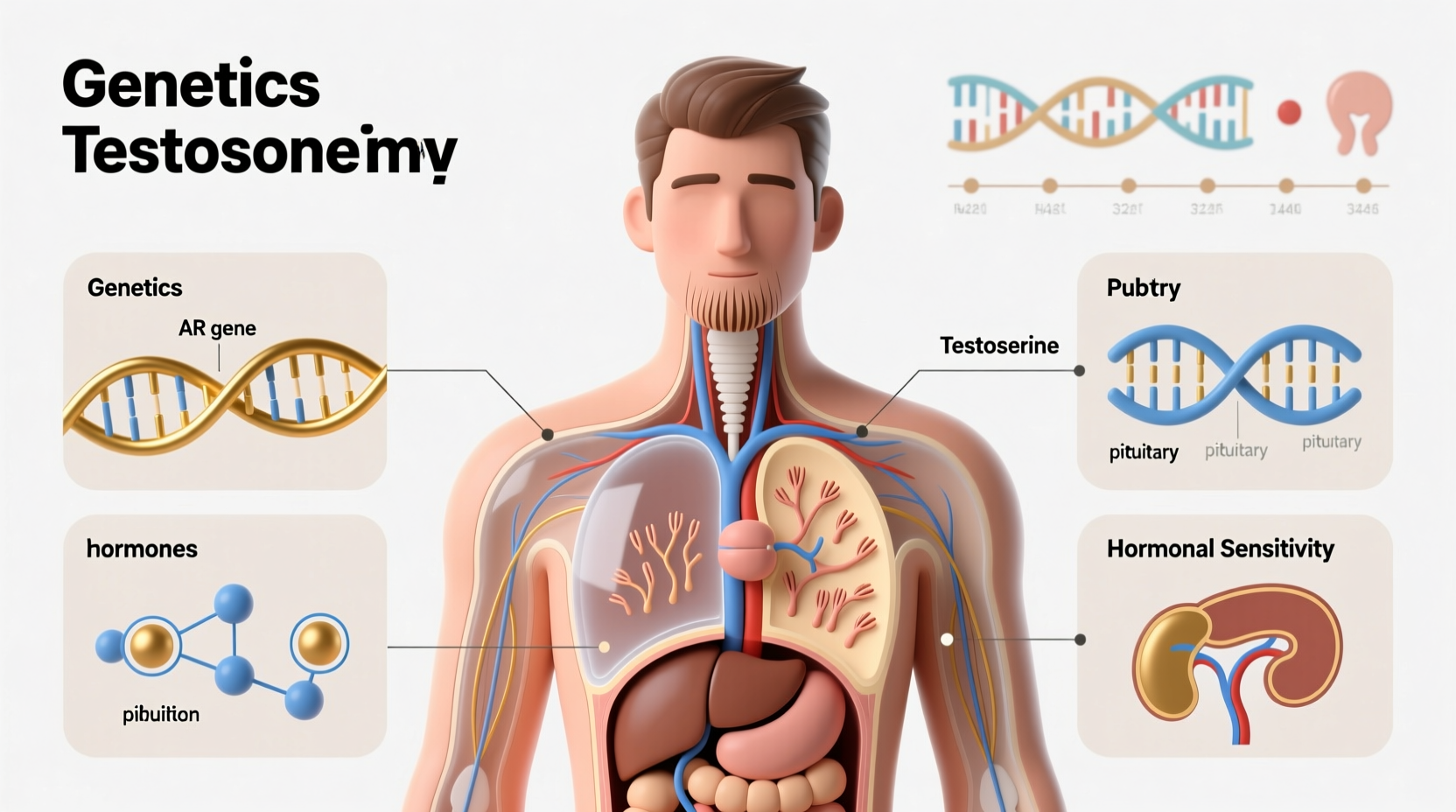
At the core of male hairiness is testosterone — the primary male sex hormone. During puberty, rising testosterone levels trigger significant physical changes, including voice deepening, muscle growth, and the development of secondary sexual characteristics such as facial and body hair.
Testosterone itself doesn’t directly stimulate hair follicles. Instead, it’s converted into dihydrotestosterone (DHT) by the enzyme 5-alpha reductase. DHT binds to receptors in hair follicles on specific areas of the body — face, chest, back, arms, and legs — promoting thicker, darker, and coarser hair growth.
However, the effect of DHT isn’t uniform across the body. While it stimulates hair growth in androgen-sensitive areas, it can also contribute to scalp hair loss in genetically predisposed individuals — a phenomenon known as androgenetic alopecia. This paradox highlights the nuanced role hormones play: same hormone, opposite effects depending on location and genetic sensitivity.
“Testosterone and its derivatives are key drivers of terminal hair development in males. The timing and extent of hair growth often correlate with pubertal hormone surges.” — Dr. Alan Pierce, Endocrinologist
Genetic Influences on Male Hair Patterns
If hormones initiate the process, genetics determine the outcome. Your DNA dictates not only whether you’ll develop thick body hair but also where it will appear and when.
Studies show that men with ancestors from Mediterranean, South Asian, or Middle Eastern regions often exhibit denser body and facial hair compared to those of East Asian or Native American descent. For example, many East Asian men naturally have sparse facial hair due to lower expression of androgen receptors and reduced activity of 5-alpha reductase.
Family history plays a major role. If your father, uncles, or grandfathers were notably hairy, there’s a strong chance you’ll follow a similar pattern. Conversely, if male relatives had minimal body hair, you’re likely to inherit that trait.
Tip: Don’t judge your 'normal' based on peers. Hair patterns are highly hereditary — embrace your unique genetic expression.Key Genetic Factors Influencing Hairiness
- Androgen receptor sensitivity: Determines how strongly hair follicles respond to testosterone and DHT.
- AR gene variations: Certain polymorphisms in the androgen receptor gene affect hair density.
- Ectodysplasin pathway: Involved in hair follicle development; mutations can reduce hair growth.
- Ancestral background: Population-specific gene pools influence typical hair traits.
Evolutionary Perspectives: Why Did Men Evolve to Be Hairy?
From an evolutionary standpoint, body hair likely served several adaptive functions in early humans.
One theory suggests that chest and back hair helped trap pheromones — chemical signals involved in attraction and mate selection. A hairier torso could enhance scent retention, potentially increasing reproductive success.
Another hypothesis ties body hair to thermoregulation and protection. In prehistoric environments, moderate body hair may have provided insulation in colder climates while still allowing efficient sweat-based cooling — a balance critical for endurance hunting.
Facial hair, particularly beards, may have played a social or signaling role. Research indicates that beards can make men appear older, stronger, and more dominant — traits historically associated with leadership and mating advantage. In some cultures, a full beard symbolizes wisdom, maturity, or virility.
Interestingly, as human societies developed clothing and shelter, the survival benefit of heavy body hair diminished. Yet the trait persists, suggesting it remains embedded in our genetic and sexual selection frameworks.
Hormonal Imbalances and Abnormal Hair Growth
While typical male hairiness falls within a broad normal range, excessive hair growth — especially in unusual patterns — can signal underlying health conditions.
Hirsutism, typically discussed in women, refers to male-pattern hair growth in atypical areas (like the upper lip, chin, or abdomen). But men can also experience abnormal hair growth due to endocrine disorders such as:
- Polycystic ovary syndrome (in rare male-presenting hormonal disruptions)
- Congenital adrenal hyperplasia
- Tumors producing androgens
- Hyperthyroidism or pituitary dysfunction
In such cases, unusually rapid or widespread hair growth may accompany other symptoms like acne, weight changes, or mood swings. Medical evaluation is recommended if hair growth appears sudden, painful, or disproportionate.
| Condition | Hormonal Cause | Associated Hair Pattern |
|---|---|---|
| Normal Puberty | Rising testosterone | Facial, chest, axillary, pubic hair |
| Androgen Excess | High DHT or adrenal androgens | Dense growth on face, back, abdomen |
| Hypogonadism | Low testosterone | Reduced body/facial hair, delayed puberty |
| Genetic Sensitivity | High AR gene activity | Prominent beard/chest hair despite average T |
Practical Guide: Managing Body Hair Based on Biology
Understanding your genetic and hormonal profile can help you manage expectations and grooming habits realistically. Here’s a step-by-step approach:
- Assess your natural pattern: Observe when and where hair develops during and after puberty.
- Consult a doctor if needed: Sudden changes or lack of expected growth may warrant hormone testing.
- Choose grooming methods wisely: Shaving, trimming, waxing, or laser removal depend on hair type and skin sensitivity.
- Nourish from within: Balanced diet, sleep, and stress management support healthy hormone levels.
- Avoid myths: No topical cream can drastically increase beard thickness without altering hormones.
Checklist: Healthy Approach to Male Hairiness
- ✅ Accept your genetic baseline — don’t compare unfairly
- ✅ Monitor changes in hair growth as potential health indicators
- ✅ Maintain skin hygiene in hairy areas to prevent folliculitis
- ✅ Seek medical advice for delayed puberty or hormonal concerns
- ✅ Groom safely — avoid nicks, irritation, and over-plucking
FAQ: Common Questions About Male Hairiness
Does shaving make hair grow back thicker?
No. This is a myth. Shaving cuts hair at the surface, creating a blunt tip that may feel coarser temporarily. It does not alter follicle structure, color, or growth rate.
Can low testosterone cause less body hair?
Yes. Men with hypogonadism or delayed puberty due to low testosterone often have reduced facial and body hair. Blood tests can confirm hormone levels, and treatment may include therapy under medical supervision.
Why do some men have no chest hair despite being healthy?
Genetics. Even men with normal testosterone levels may lack chest hair due to inherited patterns. This is entirely normal and not a sign of poor health.
Conclusion: Embracing Biological Diversity
Male hairiness is far more than a cosmetic trait — it’s a biological signature shaped by genes, hormones, and evolution. From the first whiskers of adolescence to the full beard of maturity, each man’s journey reflects a unique combination of internal chemistry and ancestral heritage.
Instead of viewing hairiness through a lens of societal standards, understanding its roots fosters self-acceptance and informed care. Whether you're naturally bushy or smooth, your body is communicating a story millions of years in the making.
💬 What’s your hair story? Share your experiences with genetics, grooming, or cultural views on male hair — your insight could help others feel seen and informed.