
At first glance, Florida’s real estate market seems like a bargain hunter’s dream. Compared to coastal hubs like California or New York, homes in many parts of Florida appear surprisingly affordable—especially for retirees, remote workers, and investors looking for value. But what’s behind these low prices? Is it too good to be true? The answer lies in a mix of geographic, economic, regulatory, and demographic factors that shape how homes are built, priced, and maintained across the Sunshine State.
While some areas in Florida—like Miami Beach or Naples—command premium prices, vast swaths of the state offer single-family homes well below the national median. Understanding this disparity requires a closer look at supply, risk, infrastructure, and long-term ownership costs that aren’t always obvious from a listing price alone.
Supply and Development: Building Fast and Affordable
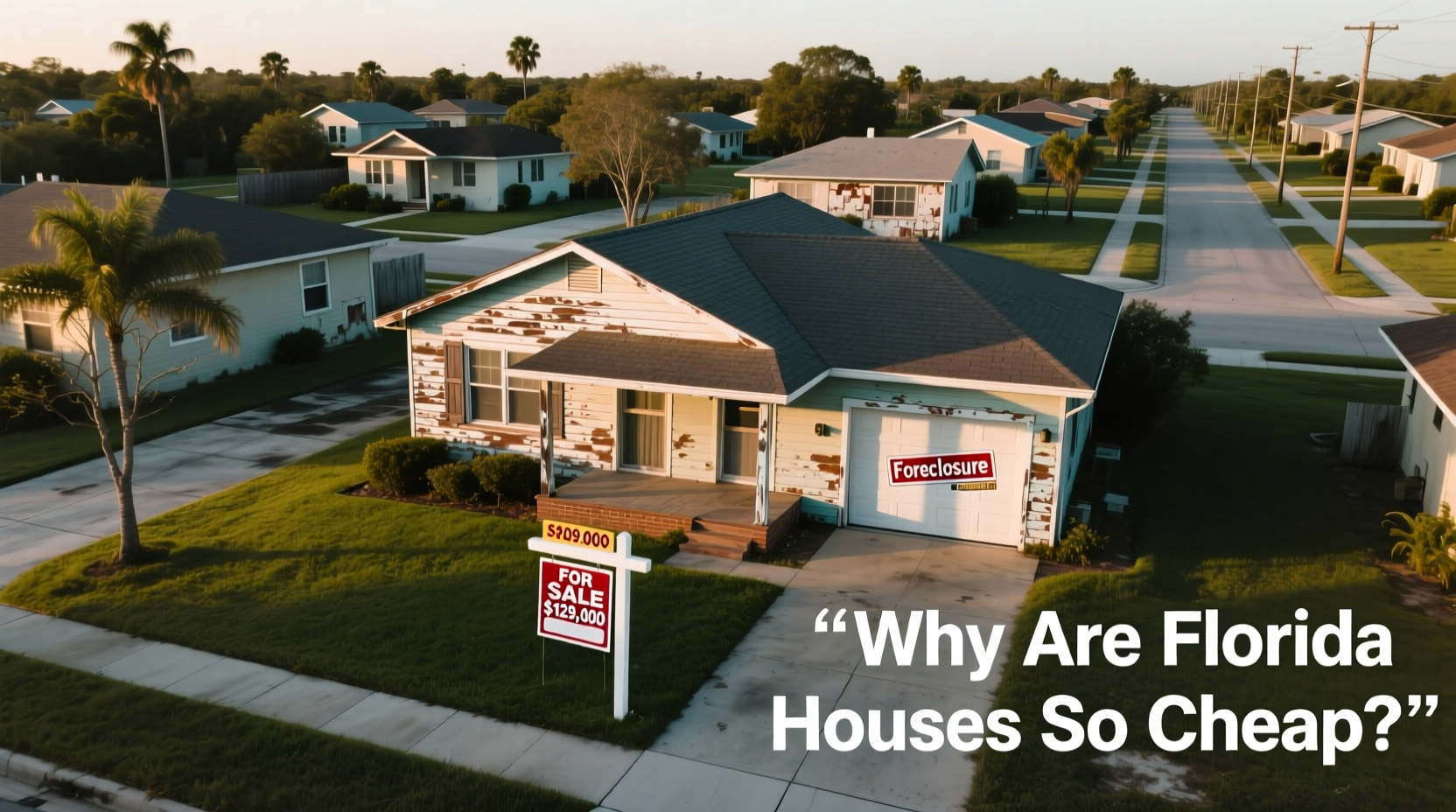
One of the most significant reasons Florida homes remain relatively inexpensive is the sheer volume of available land and rapid development. Unlike densely populated northeastern states with limited space, Florida has expansive tracts of undeveloped land, particularly in inland regions such as Central Florida, the Panhandle, and North Florida.
Developers have capitalized on this by constructing large-scale master-planned communities with thousands of homes built using cost-effective materials and standardized designs. These cookie-cutter neighborhoods—common in cities like Orlando, Lakeland, and Deltona—allow builders to reduce per-unit costs through economies of scale.
This high supply helps keep prices competitive. In markets where demand doesn't outpace construction, home values grow slowly or even stagnate. For example, between 2000 and 2008, Florida saw a massive housing boom fueled by speculative building. When the bubble burst, oversupply led to steep price drops that took over a decade to recover in some areas.
Tip: Look beyond coastal listings—many affordable homes are found in growing but less-touristed inland regions with strong rental potential.Natural Risk Factors: Hurricanes, Flooding, and Insurance Costs
The affordability of Florida homes often comes with hidden financial burdens tied to environmental risks. The state ranks among the most vulnerable in the U.S. to hurricanes, storm surges, flooding, and rising sea levels. Properties in low-lying coastal zones or near wetlands face higher exposure, which affects both insurance premiums and long-term livability.
As climate-related disasters increase in frequency and severity, private insurers have pulled back from high-risk areas. This has forced many homeowners to rely on the state-backed Citizens Property Insurance Corporation—a last-resort provider whose rates are rising steadily. As of 2023, average annual homeowner insurance premiums in Florida exceed $5,000 in some counties, more than double the national average.
These ongoing costs make ownership expensive despite low purchase prices. Buyers attracted by a $250,000 home may not realize they’ll pay $600+ per month just for insurance—before mortgage, taxes, or maintenance.
“Affordable sticker prices can be misleading. You’re not just buying a house—you’re buying into a risk zone.” — Dr. Linda Chen, Urban Planner & Climate Resilience Researcher, University of Florida
Tax Advantages vs. Hidden Fees
Florida has no state income tax, making it attractive to retirees and relocating professionals. Combined with relatively modest property tax rates (averaging around 0.8% of assessed value), this creates a favorable tax environment—at least on paper.
However, many developments offset municipal underfunding through mandatory homeowners association (HOA) fees. In master-planned communities, HOAs manage roads, landscaping, security, and amenities like pools or clubhouses. While these services add convenience, monthly fees can range from $150 to over $500, increasing total housing costs significantly.
Additionally, special assessments—unexpected one-time charges for repairs or upgrades—are common in older communities where reserve funds fall short. These unpredictable expenses can strain budgets and reduce net savings from lower home prices.
Market Dynamics: Who Buys and Why Prices Stay Low
Demand in Florida’s housing market is shaped by three key groups: retirees, seasonal residents (snowbirds), and investors. Each influences pricing differently.
- Retirees often prioritize affordability and accessibility, favoring manufactured homes or age-restricted communities in places like The Villages or Port Charlotte.
- Snowbirds buy second homes, typically condos or townhouses, driving up demand seasonally but not contributing to year-round neighborhood stability.
- Investors snap up single-family rentals in fast-growing suburbs, betting on population growth and rental yield rather than quick appreciation.
In areas dominated by investor-owned properties, turnover is high and community investment low. This can suppress long-term value growth. Moreover, many homes are built with rental intent in mind—meaning cheaper finishes, minimal yards, and shared walls—all contributing to lower valuations.
Comparison of Key Florida Markets (2024 Average Home Prices)
| City | Average Home Price | Median Rent | Primary Buyer Type |
|---|---|---|---|
| Miami | $620,000 | $3,200 | Investor / Luxury |
| Orlando | $385,000 | $2,300 | Family / Rental Investor |
| Tampa | $410,000 | $2,500 | Mixed |
| Lakeland | $295,000 | $1,900 | First-Time / Retiree |
| Pensacola | $270,000 | $1,750 | Military / Budget-Conscious |
Note: Even within Florida, prices vary widely. Coastal cities command premiums due to tourism and scarcity, while inland markets stay affordable due to abundant supply and lower desirability.
Real Example: The Case of Cape Coral
Cape Coral, located on the Gulf Coast, exemplifies how location and history shape affordability. Once marketed as “the largest planned community in the world” in the 1950s and 60s, developers dredged canals and sold plots sight-unseen via mail-order brochures. Thousands of homes were built quickly with minimal regulation.
Today, Cape Coral has over 100,000 residents and more than 400 miles of canals—but also aging infrastructure and frequent flood advisories. Despite being near Fort Myers and Naples, median home prices hover around $350,000, far below comparable waterfront areas in other states.
Why? Because many homes sit in Flood Zone AE or VE, requiring costly flood insurance. Additionally, the city’s flat terrain and porous soil limit drainage, increasing vulnerability during heavy rains. These persistent risks deter widespread bidding wars and cap appreciation, keeping prices accessible but volatile.
Actionable Checklist: Evaluating a 'Cheap' Florida Home
Before assuming a low-priced Florida home is a steal, consider these steps:
- Check FEMA flood zone maps and historical flood claims for the property.
- Review HOA documents for current fees, reserves, and pending special assessments.
- Obtain insurance quotes from multiple providers—including Citizens—as early as possible.
- Inspect roof age, HVAC condition, and hurricane shutter compliance.
- Analyze rental potential if considering investment—if nearby units are vacant or rent poorly, future demand may be weak.
- Verify school districts and proximity to essential services if planning to live there full-time.
Frequently Asked Questions
Are cheap Florida homes safe from hurricanes?
No home in Florida is entirely safe from hurricanes. However, newer constructions (post-2002) must meet stricter Florida Building Code standards, including impact-resistant windows and reinforced roofs. Older homes, especially those built before the 1990s, are far more vulnerable and may require costly retrofits.
Will my Florida home appreciate in value?
Appreciation varies greatly by region. Coastal cities like Miami and Sarasota have seen strong gains, but inland markets like Ocala or Leesburg grow slowly. Areas with job growth, quality schools, and infrastructure investment tend to appreciate faster. Always research long-term trends—not just current prices.
Is now a good time to buy a home in Florida?
It depends on your goals. If you're seeking a primary residence and plan to stay long-term, locking in a fixed-rate mortgage now can hedge against future rate hikes. For investors, rising insurance and maintenance costs may eat into profits unless rents keep pace. Evaluate total ownership costs, not just purchase price.
Final Thoughts: Affordability Comes With Trade-Offs
The low cost of many Florida homes reflects more than just supply and demand—it reveals a complex balance between immediate affordability and long-term risk. What appears cheap upfront may carry heavier burdens down the road in insurance, maintenance, and resilience.
That said, smart buyers who conduct thorough due diligence can still find excellent value. Whether you're downsizing, investing, or relocating, understanding the forces shaping Florida’s housing market gives you an edge. Don’t just chase the lowest price—evaluate sustainability, safety, and total cost of ownership.
🚀 Ready to explore Florida real estate with confidence? Start by analyzing one neighborhood deeply—check flood maps, talk to locals, and get insurance estimates. Knowledge is your best protection against hidden costs.