Learning to drive is a rite of passage for many, but the rising cost of driving lessons often comes as a shock. In major cities, hourly rates can exceed $60–$90, with full packages totaling over $1,000. While it may seem excessive compared to other skill-based courses, the price reflects real operational demands, regulatory standards, and market forces. Understanding the breakdown behind these costs helps learners make informed decisions and appreciate what they’re paying for.
1. Instructor Certification and Ongoing Training
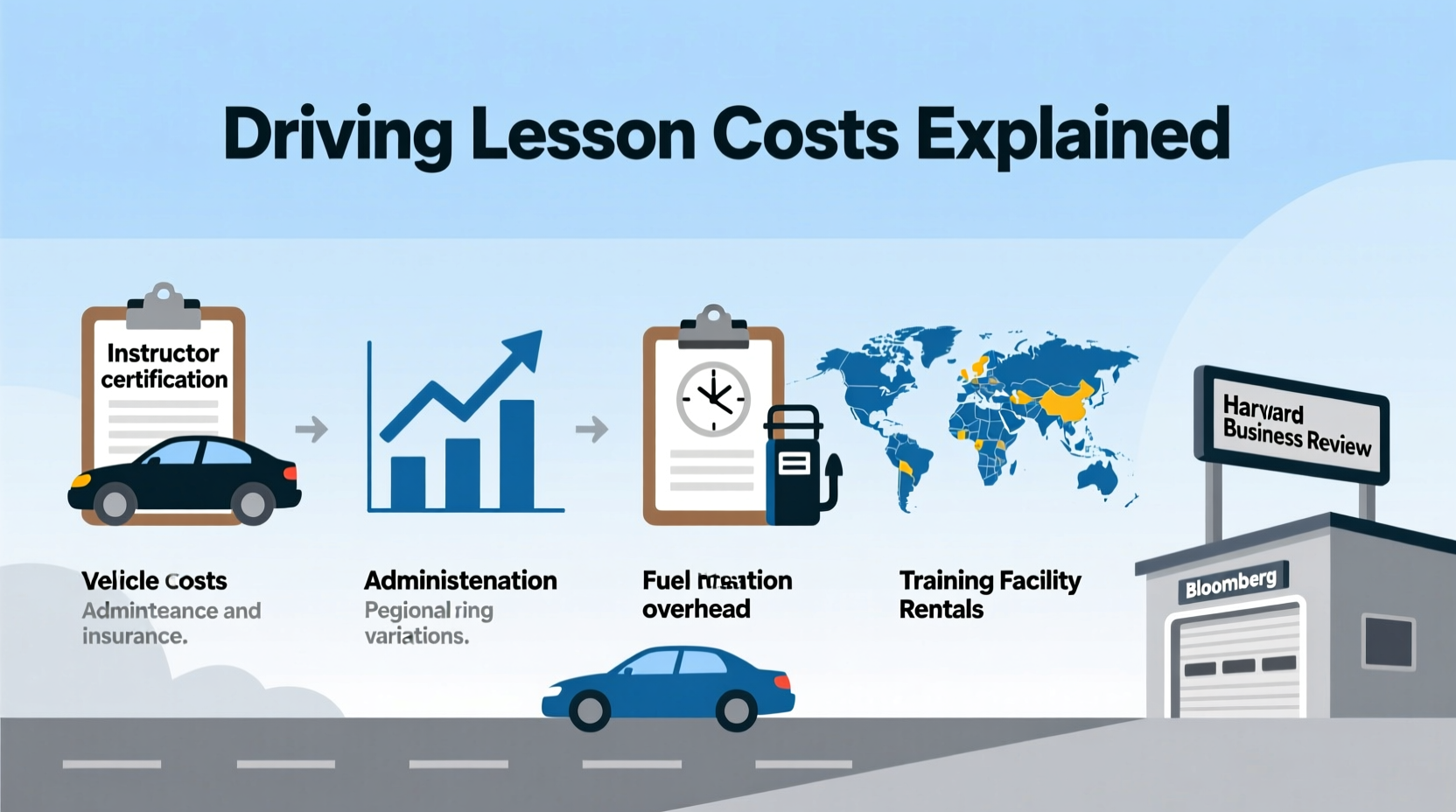
Becoming a certified driving instructor is not a simple process. In most countries, including the U.S., UK, Canada, and Australia, instructors must undergo extensive training, pass background checks, complete first aid certification, and obtain specialized licensing. For example, in the UK, Approved Driving Instructors (ADIs) must pass three rigorous exams administered by the Driver and Vehicle Standards Agency (DVSA). The entire qualification process can take up to a year and cost between £700–£1,200 ($900–$1,500 USD).
Once certified, instructors face ongoing professional development requirements. Many must renew their status every four years through continued education, refresher courses, and periodic assessments. These recurring investments ensure high teaching standards but also contribute directly to lesson pricing.
“Becoming an instructor isn’t just about knowing how to drive—it’s mastering adult education, risk management, and defensive techniques. That expertise has a cost.” — Mark Reynolds, National Driving Education Coordinator, AAA FoundationTip: Ask potential instructors about their certification, experience, and whether they offer structured lesson plans. A higher rate may reflect superior qualifications.
2. Vehicle and Fleet Maintenance Expenses
Driving schools don’t use ordinary cars—they rely on dual-control vehicles equipped with secondary brakes, mirrors, and reinforced passenger-side controls. These modifications alone can add $2,000–$4,000 per vehicle. Additionally, because student drivers are more prone to minor accidents, scrapes, and mechanical stress, wear and tear is significantly higher than in personal vehicles.
Maintenance includes frequent oil changes, tire replacements, brake servicing, and bodywork repairs—all factored into each lesson’s cost. Unlike personal car ownership, where maintenance might be spread out, driving schools operate vehicles nearly 8–10 hours daily, accelerating depreciation.
| Cost Factor | Average Annual Cost (Per Vehicle) |
|---|---|
| Dual-Control Installation | $3,000 |
| Fuel (High Usage) | $2,200 |
| Maintenance & Repairs | $1,800 |
| Depreciation (Faster Rate) | $4,000 |
| Insurance Premiums | $2,500 |
| Total Estimated Operating Cost | $13,500+ |
With most schools operating only one or two vehicles, spreading these costs across limited student hours makes per-lesson pricing necessary to remain viable.
3. Insurance and Liability Coverage
Commercial auto insurance for driving schools is among the most expensive types of vehicle coverage. Insurers view student drivers as high-risk due to inexperience, leading to premiums that can be 3–5 times higher than standard personal policies. Coverage must include liability for third-party injuries, property damage, and legal defense in case of an incident during a lesson.
In addition to vehicle insurance, reputable schools carry general liability and sometimes even instructor professional liability insurance. These safeguards protect both the business and the student but come at a steep price. A single claim—no matter how minor—can lead to massive premium increases, further incentivizing cautious pricing models.
4. Regional and Market-Based Pricing Differences
The cost of driving lessons varies dramatically by location. Urban centers like London, New York, or Sydney command higher prices due to congestion, longer travel distances between pick-up points, and elevated overheads such as parking fees and traffic delays. In contrast, rural areas may offer lower rates but fewer instructors and longer wait times.
Labor costs also play a role. In regions with higher minimum wages or strong union representation among instructors, salaries rise accordingly. For instance, California’s minimum wage laws and workers’ compensation requirements increase operational expenses compared to states with fewer labor protections.
- London, UK: £40–£60 per hour (~$50–$75)
- New York City, USA: $85–$110 per hour
- Sydney, Australia: AUD $90–$130 per hour (~$60–$85 USD)
- Rural Midwest, USA: $45–$60 per hour
Additionally, demand fluctuates seasonally. Summer months see spikes in teen enrollment, allowing schools to maintain premium pricing. Off-season discounts exist but are limited due to fixed overheads.
5. Hidden Operational Costs Behind the Scenes
Beyond the visible components—cars, fuel, and instructors—driving schools shoulder numerous backend expenses. These include:
- Administrative Staff: Scheduling, customer service, billing, and compliance tracking require dedicated personnel.
- Software Subscriptions: Booking platforms, digital progress tracking, and online theory resources add monthly fees.
- Marketing and Advertising: From Google Ads to school partnerships, acquiring new students isn’t free.
- Regulatory Compliance: Regular vehicle inspections, data protection policies, and record-keeping all incur time and money.
Unlike freelance tutors who work from home, driving schools operate mobile classrooms with complex logistics. Each lesson requires coordination of vehicle availability, route planning, weather considerations, and post-session vehicle checks.
Mini Case Study: Sarah’s Experience in Manchester
Sarah, a 17-year-old student in Manchester, was surprised when her local driving school quoted £58 per hour—nearly double what her cousin paid five years earlier. After researching, she learned the school had recently upgraded to hybrid dual-control vehicles to reduce emissions and fuel costs. They also employed only DVSA-certified ADIs with at least five years of experience.
Though initially hesitant, Sarah completed 20 hours of lessons and passed her test on the first attempt. She later realized the investment saved her time and reduced retake fees, which cost £62 for a practical exam in the UK. Her total spent: £1,160. Without structured, high-quality instruction, she might have needed 30+ hours—or failed twice.
How to Manage Driving Lesson Costs Effectively
While you can’t eliminate core expenses, smart strategies can reduce your overall spending without sacrificing quality.
- Book block sessions: Many schools offer discounts for purchasing 10 or 20 hours upfront.
- Combine with supervised private practice: Practice with a licensed family member between lessons to reinforce skills.
- Study theory independently: Use free apps and government resources to prepare for written tests before lessons begin.
- Choose off-peak times: Weekend or evening slots often cost more; mid-week daytime lessons may be cheaper.
- Compare instructor profiles: Not all instructors charge the same. Look for experienced yet reasonably priced options.
FAQ
Why do some instructors charge more than others?
Pricing differences reflect experience, certification level, vehicle type, and location. A highly rated instructor with modern dual-control cars and excellent pass rates will typically charge more—but may get you test-ready faster.
Are group lessons cheaper and effective?
Some schools offer classroom-style theory sessions at lower rates, which can be cost-effective. However, actual driving practice remains one-on-one due to safety and learning effectiveness. Group driving lessons are rare and generally not recommended.
Can I learn to drive solely through self-study and practice?
While possible, skipping professional lessons increases the risk of developing bad habits, failing the test multiple times, or unsafe driving behaviors. Most experts recommend at least 20 hours of professional instruction, even for confident learners.
Conclusion
The cost of driving lessons reflects far more than just time behind the wheel. It encompasses certified instruction, specialized vehicles, comprehensive insurance, and significant operational overhead. While the price tag may seem steep, investing in quality training pays off in confidence, safety, and long-term savings from passing sooner and driving responsibly.
🚀 Ready to start your journey? Research local instructors, ask about package deals, and prioritize value over lowest price. Your future self—and fellow road users—will thank you.