Violent dreams—those filled with aggression, conflict, or physical danger—are more common than many realize. While occasional nightmares are normal, recurring violent dreams can disrupt sleep, affect mood, and raise concerns about mental or emotional health. Understanding the underlying causes, recognizing warning signs, and knowing when to seek help are essential steps toward better sleep and overall well-being.
What Are Violent Dreams?
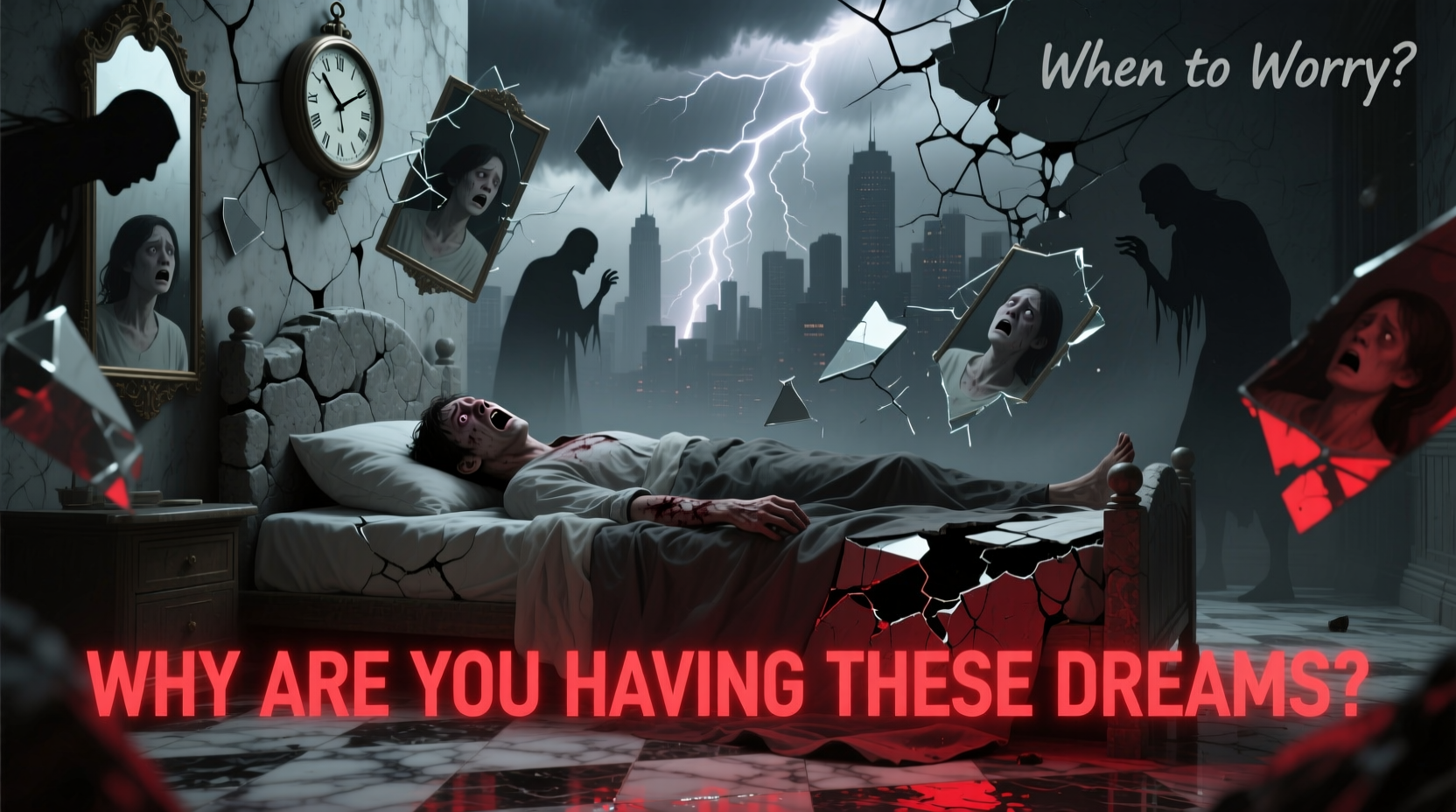
Violent dreams involve scenarios where the dreamer is either the aggressor or victim in acts of physical confrontation, attack, or destruction. These may include fighting, chasing, self-defense, or witnessing extreme violence. Unlike typical nightmares that evoke fear, violent dreams often carry a strong sense of anger, urgency, or loss of control.
They typically occur during REM (rapid eye movement) sleep, the stage associated with vivid dreaming. The brain remains highly active, but the body is temporarily paralyzed to prevent acting out dreams—a mechanism known as REM atonia. In some cases, this paralysis fails, leading to conditions like REM sleep behavior disorder (RBD), where individuals physically respond to violent dream content.
Common Causes of Violent Dreams
Multiple factors contribute to violent dreaming, ranging from psychological stressors to medical conditions. Identifying these triggers is the first step in addressing the issue.
- Stress and Anxiety: High levels of daily stress, unresolved trauma, or generalized anxiety can manifest in aggressive dream content.
- Trauma and PTSD: Individuals with post-traumatic stress disorder frequently experience violent or re-enactment dreams related to past events.
- Sleep Disorders: Conditions such as RBD, sleep apnea, or narcolepsy disrupt normal sleep architecture and increase the likelihood of intense, violent dreams.
- Medications and Substances: Certain antidepressants, beta-blockers, antipsychotics, and withdrawal from alcohol or sedatives can alter brain chemistry and provoke disturbing dreams.
- Diet and Lifestyle: Heavy meals before bed, caffeine, or screen exposure late at night may overstimulate the brain and influence dream intensity.
When to Worry: Red Flags to Watch For
Occasional violent dreams are not inherently dangerous. However, certain signs suggest they may point to deeper issues requiring professional attention.
| Normal Occurrence | Potential Concern |
|---|---|
| One-off violent dream after a stressful event | Dreams occur multiple times per week |
| No physical movement during sleep | Kicking, punching, or yelling during sleep |
| Falls back asleep easily afterward | Waking up in fear, unable to return to sleep |
| Dreams don’t interfere with daytime function | Daytime fatigue, irritability, or concentration issues |
| No history of trauma or mental health conditions | Known PTSD, depression, or neurodegenerative disease |
“Recurrent violent dreams, especially with physical enactment, should never be dismissed. They can be early indicators of neurological disorders like Parkinson’s disease.” — Dr. Laura Simmons, Sleep Neurologist, Mayo Clinic
Mini Case Study: Recognizing REM Behavior Disorder
Mark, a 58-year-old teacher, began experiencing frequent dreams where he was defending his home from intruders. Over time, his wife noticed he would shout, punch the air, and once even fell out of bed. Initially dismissed as stress, a sleep study revealed he had REM sleep behavior disorder. Further evaluation led to early detection of Parkinson’s disease, allowing Mark to begin treatment years before motor symptoms appeared. His case highlights how violent dreams can serve as a critical diagnostic clue.
Practical Steps to Reduce Violent Dreams
While not all violent dreams can be prevented, several evidence-based strategies can reduce their frequency and impact.
- Improve Sleep Hygiene: Maintain a consistent sleep schedule, avoid screens 60–90 minutes before bed, and create a calming bedtime routine.
- Manage Stress: Practice mindfulness, deep breathing, or progressive muscle relaxation to lower baseline anxiety.
- Limits Stimulants: Avoid caffeine after noon, limit alcohol, and refrain from heavy meals close to bedtime.
- Address Trauma: If past experiences are influencing dreams, consider cognitive behavioral therapy (CBT) or imagery rehearsal therapy (IRT).
- Review Medications: Consult your doctor if you suspect a prescription drug is affecting your dreams.
Checklist: Responding to Recurring Violent Dreams
- ☑ Track dreams in a journal for at least two weeks
- ☑ Note any physical movements during sleep (ask a partner)
- ☑ Evaluate current stress levels and life changes
- ☑ Review medications and supplements with a physician
- ☑ Assess sleep quality and duration
- ☑ Schedule a sleep study if symptoms persist or worsen
FAQ: Common Questions About Violent Dreams
Can violent dreams predict future behavior?
No, violent dreams do not mean you will act aggressively in real life. They are usually symbolic expressions of internal conflict, stress, or fear, not premonitions. Most people who experience violent dreams have no history of real-world violence.
Are children more prone to violent dreams?
Children can have violent dreams, often linked to developmental fears, scary media, or overactive imaginations. However, persistent nightmares in kids may signal anxiety, bullying, or family stress and should be addressed with empathy and routine support.
Is there a link between violent dreams and mental illness?
Yes—while not everyone with violent dreams has a mental health condition, they are more common in people with PTSD, depression, anxiety disorders, and schizophrenia. Treating the underlying condition often reduces dream severity.
Conclusion: Taking Control of Your Sleep Health
Violent dreams are not something you must simply endure. By understanding their roots—from daily stress to neurological signals—you gain the power to respond effectively. Simple lifestyle adjustments, emotional processing techniques, and timely medical consultation can transform restless nights into restorative ones. Don’t ignore persistent or disruptive dreams. Your sleep is a window into your health, and paying attention today could safeguard your well-being tomorrow.
💬 Have you experienced violent dreams? What helped you manage them? Share your story in the comments—your insight could help someone feel less alone.